

Cultural Change in 1920s Fashion
Ever thought that breaking old fashion rules could spark a whole new look? In the 1920s, the world of clothes left behind stiff, confining styles to welcome fresh, relaxed designs that felt just right for a changing society.
After World War I, women stopped wearing heavy corsets that pinned them down. They chose outfits that let them move freely and express who they really were. The lively beats of jazz and the secret gatherings at speakeasies added extra energy to this shift. It wasn’t just about clothes, it was a whole new way of thinking about style and freedom.
Understanding 1920s Fashion: Key Trends and Cultural Influences
After World War I, America changed quickly. Stiff Victorian styles turned into looser and more expressive designs that let you move and show your true self. The end of the war brought a desire for freedom and modern looks, so clothes became lighter and moved with you. Women, now empowered by the new right to vote, began choosing outfits that did away with heavy corsets and bulky fabrics.
Big cultural moments had a strong impact too. The Harlem Renaissance mixed art and music into everyday life, while jazz from Duke Ellington set the beat of the times. Nightlife during Prohibition and the secret speakeasies pushed people to try bold, playful styles that still looked smart and worked well. Trends like the flapper look and the tomboy style, known as La Garçonne, started to show a break from old gender roles.
Key trends that defined the decade include:
- Flapper styles that were fun and free
- Tomboy looks that played with traditional ideas
- Dropped waistlines for a relaxed fit
- Bob cuts that changed women’s hairstyles
- Jazz-inspired details adding a lively touch
Each trend spoke to deeper changes. The bob cut, for example, not only refreshed hairstyles but also stood for new independence. Dropped waistlines and looser drapes allowed clothes to move naturally, much like a society ready to embrace change. These style shifts were more than fashion; they were a clear sign of a culture in transition, shaped by social, political, and creative influences.
Iconic Flapper Dresses and Dropped Waistline Cuts in 1920s Fashion

Drop-waist dresses changed the way women moved. Their loose, straight-cut design let you dance and glide easily. Made for the energetic Charleston, these dresses offered comfort for long nights of dancing. This style broke away from the tight, confining shapes of the past.
Beadwork and fringe became must-have details. Both day and evening dresses often came with neat fringe trims and sequin stitches that caught the light with every move. One notable piece was the Little Black Dress featured by Vogue in 1926, model 817 in black crepe de chine. It mixed simple design with a touch of luxury. The small bead accents added a bit of sparkle, while the fringe brought a lively feel to every step. Dancers and socialites loved these details as a signal of modern style.
Below are two sketches that show how versatile the flapper look can be. One design is a day gown with a modest knee-length hem and simple accents, great for casual events. The other is an evening gown with extra sequin detail and a bolder fringe trim, perfect for a night out.
| Day Flapper Gown | Evening Flapper Gown |
|---|---|
| Sketch showing a knee-length, lightly embellished dress | Sketch featuring sequin stitches and vibrant fringe trim |
1920s Fashion Accessories: Cloche Headwear, Beaded Strands, and Statement Jewelry
• Cloche Hats: These snug hats first appeared around 1922-23. They have a neat, feminine shape and special trim details. Often, the trim matches the beadwork on dresses, which ties the look together.
• Pearl Necklaces: Long, layered strands of pearls were a big hit. They add a classy sparkle to outfits for both daytime and evening wear.
• Kid Leather Gloves: These gloves feel soft and a bit delicate. They give a subtle touch that highlights the natural beauty of your hands.
• Feather Boas: Feather boas bring a playful yet bold vibe. They are draped loosely around the neck, perfect for livening up an evening look.
• Metal Mesh Purses: Compact and modern, these purses mix smooth metal textures with the softness of fabric. Their unexpected design adds a cool contrast to any outfit.
1920s accessories were all about clear lines and geometric details inspired by Art Deco. The sharp shapes balanced the soft drape of fabrics and dropped waistlines. For instance, matching hat trim with dress beadwork created a well-rounded look. The mix of delicate materials and strong shapes celebrated the creative spirit of the era.
Evolution of 1920s Fashion Menswear: From Oxford Bags to Tailored Suits

Men in the 1920s started mixing sportswear with their everyday looks to feel more at ease. Active hobbies and a wish for comfort led designers to create softer shoulders and looser fits. This change let men look smart without feeling restricted.
Trendy items like Oxford bags featured very wide legs (22 to 44 inches) that shouted bold style and freedom to move. At the same time, cutting the vest from three-piece suits brought a lighter, friendlier look that still kept a neat, tailored vibe.
| Item | Details |
|---|---|
| Oxford Bags | Pants with leg openings from 22 to 44 inches for a bold and relaxed feel |
| Two-Piece Suits | Suits with softer shoulders and lighter design for casual style |
| Pinstripes | Thin lines that add a touch of neat detail |
| Headwear | Fedoras, trilbies, and boaters that bring a cool, easy look |
| Footwear | Lower-cut oxfords and brogues that mix elegance with comfort |
New social attitudes made formal wear less popular. As casual styles took over, menswear blended sharp cuts with everyday comfort and marked the beginning of a fresh, modern way to dress.
Influential Designers Shaping 1920s Fashion
Gabrielle "Coco" Chanel shook up the fashion world with her famous little black dress. One standout piece was model 817, made from black crepe de chine (a light, silky fabric). She also brought jersey fabric into high fashion. Her pieces were flexible and stylish, perfect for the lively spirit of the 1920s. With her modern ideas, Chanel moved away from stiff, old-fashioned designs to offer wearable elegance that mixed comfort with style.
Other designers pushed fashion even further. Elsa Schiaparelli played with bold, new cuts that changed the look of clothes. Jeanne Lanvin made designs with soft, romantic drapes. Jean Patou brought casual yet elegant sportswear to the scene. Madeleine Vionnet used a bias cut (a way to let the fabric fall naturally) in her gowns to create a fluid look. Lucien Lelong blended athletic elements into high fashion by designing tennis-inspired outfits for Suzanne Lenglen. Together with Callot Soeurs, who were known for detailed embroidery, these innovators reshaped the fashion scene with creative and practical design.
- Gabrielle Chanel – Introduced the iconic little black dress and comfy jersey fabrics
- Elsa Schiaparelli – Tried bold, experimental cuts
- Jeanne Lanvin – Crafted designs with soft, romantic drapes
- Jean Patou – Advanced casual sportswear styles
- Madeleine Vionnet – Popularized flowing bias-cut gowns
- Lucien Lelong – Designed tennis-inspired outfits
Art Deco Garments and Geometric Pattern Textiles in 1920s Fashion

In the 1920s, city skylines changed how fabrics looked. Designers took cues from urban buildings and brought those straight, bold shapes to their prints. Fabrics often featured zigzag, chevron, and sunburst patterns on silk and rayon (a smooth, light fabric). These prints mimicked the clean lines of new skyscrapers and bridges.
Some textiles featured metallic threads and raised printing techniques that gave the fabric a sculpted, almost built look. This made garments look crisp and refined.
For example, one silk textile had a sunburst design that felt like the first light of a busy city morning. The radiating lines made the fabric seem lively and bright.
In another case, a structured rayon blazer sported a chevron print with subtle raised details. This print helped shape a streamlined look, much like the tall, straight lines of modern high-rises.
These bold geometric prints captured the modern feel of the era. They turned everyday clothes into pieces of art that felt both structured and full of movement, echoing the energetic spirit of the Jazz Age.
1920s Evening Dance Dresses and Cocktail Attire Evolution
After the war, women switched from heavy ball gowns to light, knee-length dresses with beads that twinkled on the dance floor. Designers cut loose from stiff, old styles by adding playful fringe that danced along with every Charleston move. Sequin details in shiny metallic colors caught the light with each turn, giving a fresh sparkle that fit the upbeat spirit of the Jazz Age. These fun changes meant women could move freely and celebrate without losing a bit of style.
Soon, cocktail parties sparked another change. Evening dresses became shorter and livelier, perfect for a night of chatting and dancing. Long gloves and closed-toe heels joined the look for a mix that was both comfy and classic. Pearl chokers popped up as a stylish detail, blending a touch of old-school elegance with modern ease.
- Fringe-trimmed dresses that move with every step
- Sequin details that catch light and add sparkle
- Pearl chokers that mix vintage charm with a fresh look
Bobbed Hair Revolution and Vintage Cosmetic Trends of 1920s Fashion
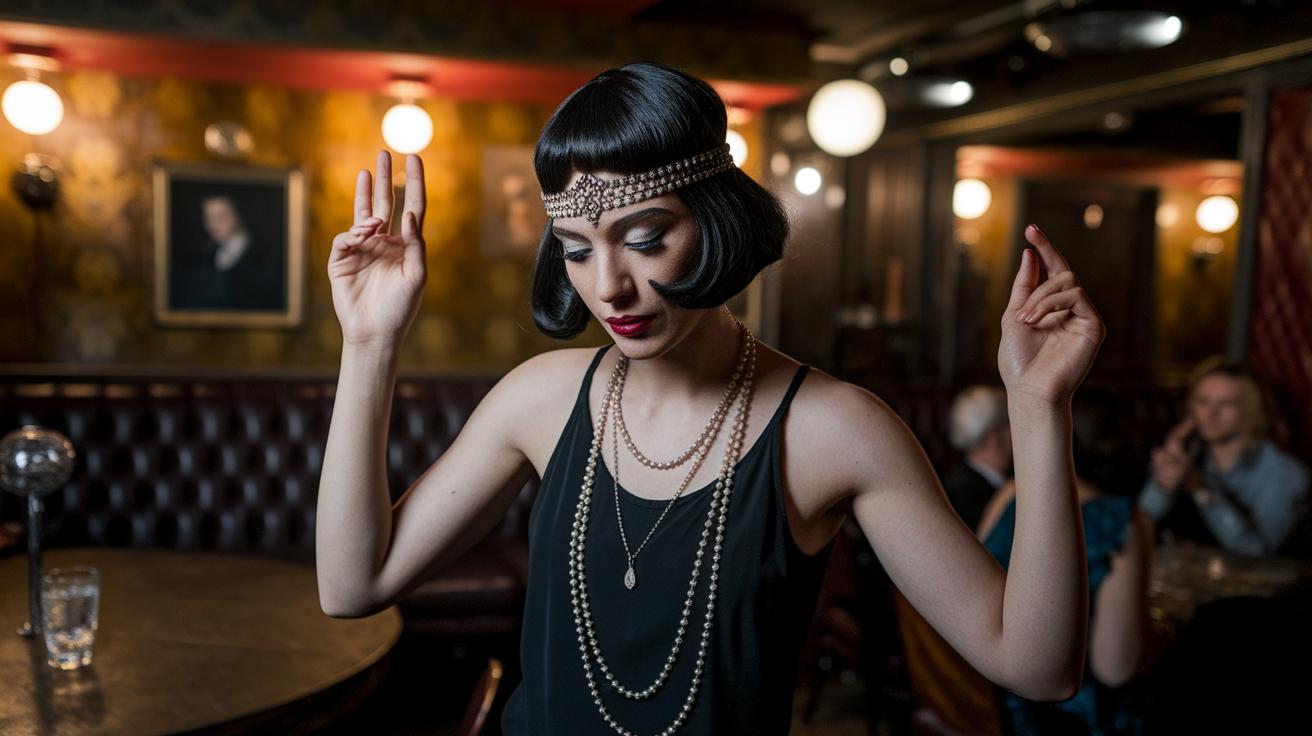
In the 1920s, women started cutting their hair into short, cheeky bobs that quickly became a sign of modern femininity. They moved away from long, traditional styles in favor of chin-length hairstyles that were practical for dancing and everyday life. Many styled their bobs with simple hair nets or sparkling jeweled bands for a bit of extra charm. One stylist explained that a bob was not just a haircut but a bold act of claiming freedom.
Makeup trends changed too. Women began using dark, arched brows and lined their eyes with kohl (an eye makeup that darkens the lash line) to make their eyes pop. Deep red lips stood out against pale skin, adding a vivid touch that broke away from the modest looks of the past. The streamlined makeup not only enhanced natural features but also set a daring beauty standard that appealed to many.
Magazines like Vogue and Harper's Bazaar played a big role in spreading these fresh looks. They featured clear tutorials and vivid photo spreads that showed women all over the world how to achieve these bold cosmetic trends.
Social and Economic Factors Shaping 1920s Fashion Trends
Changes in politics and law reshaped everyday style. When the 19th Amendment was passed, women stepped into new public roles. This led them to trade old-fashioned outfits for work-friendly and casual looks. Speakeasy rules during Prohibition also pushed fashion to be a bit daring, mixing modesty with small bold details for secret nights out. All of these shifts sparked a drive for personal freedom in clothing choices.
After the war, economic pressures also played a big role in what people wore. With changes in supply chains and fabric availability, ready-to-wear pieces began to replace custom-made garments. Designers chose fabrics that were affordable and simple to care for, leading to cleaner cuts that worked well with mass production. Many had to get creative to look upscale without the high cost of luxury materials, blending smart budgeting with a modern, accessible style.
Gender roles were also moving toward a more practical, unisex approach. The decline in tight corsetry made way for sportswear and loose, flowing silhouettes that allowed more movement. Both men and women started opting for outfits that focused on comfort and self-expression instead of traditional gender looks. This shift brought a new emphasis on practicality and personal style that defined the decade.
Enduring Legacies and Modern Inspirations of 1920s Fashion
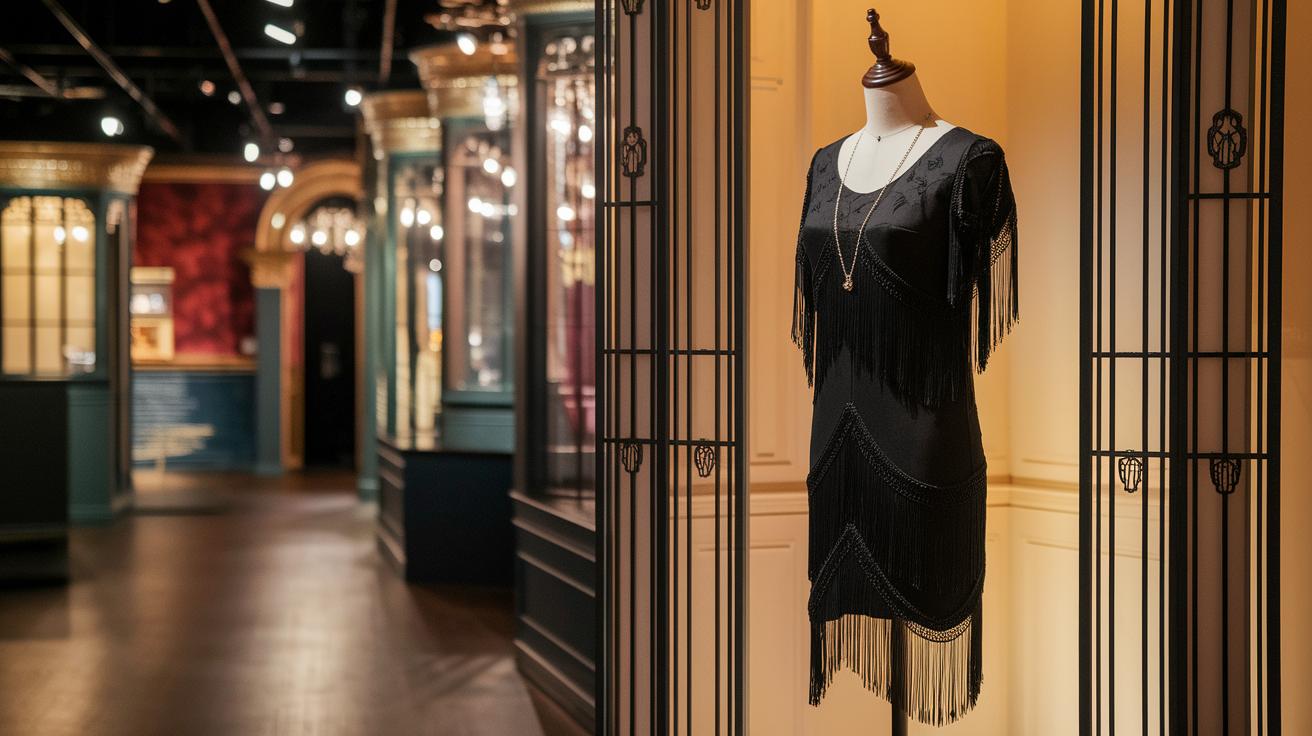
The little black dress remains a beloved staple in today’s collections. Its simple lines and versatile look capture the bold spirit of the 1920s. You can see its influence at Gatsby-themed weddings and stylish parties. This dress brings a taste of retro charm to nightclubs and museum exhibits, a nod to a time that mixed freedom with refinement.
Designers and brands keep the Jazz Age alive with three main revivals:
- Bridal twists: Modern brides opt for dresses with subtle fringe and sleek drop-waist cuts that echo 1920s elegance.
- Runway nods: Fashion shows highlight retro cocktail dresses and fringe jackets that celebrate movement and confidence.
- Retail teamwork: Limited collections blend vintage ideas with today’s trends for an artistic and accessible look at Jazz Age style.
These updates show that the 1920s continue to influence modern fashion, proving that bold style is truly timeless.
Final Words
In the action, we explored key trends that shaped 1920s fashion. We tackled flapper silhouettes, bold accessories, and relaxed menswear alongside influential designers and modern inspirations. Each section showed how societal shifts changed the way people dressed and expressed themselves.
We broke down everything from bobbed hair to cocktail dresses. The detailed look at 1920s fashion proves that timeless style can still light up a modern wardrobe.
The style from the Jazz Age sure leaves a lasting mark.
FAQ
What does “1920s fashion men” mean?
The term “1920s fashion men” describes a shift in menswear toward sportier and relaxed looks, featuring tailored two-piece suits, softer shoulders, and Oxford bags that reflected modern social attitudes.
What does “1920s fashion women” mean?
The phrase “1920s fashion women” refers to women’s styles that broke from constrictive Victorian shapes, embracing looser silhouettes like flapper dresses and dropped waistlines for easier movement.
What does “1920s fashion casual” (including women casual) mean?
The term “1920s fashion casual” covers everyday attire with relaxed yet stylish cuts and softer fabrics, blending simple design with a hint of Jazz Age flair perfect for daytime or early evening wear.
What does “1920s fashion flapper” mean?
The phrase “1920s fashion flapper” signifies the iconic dress style featuring a dropped waist, straight-cut silhouette, and embellishments like beads or fringe, representing the era’s bold, free-spirited vibe.
What does “1920s Fashion Plus Size” mean?
The term “1920s Fashion Plus Size” highlights modern adaptations of historic designs, offering inclusive silhouettes with dropped waistlines and relaxed fits inspired by the original 1920s fashion trends.
What does “1920s fashion history” entail?
The phrase “1920s fashion history” outlines a transformative period post-WWI when cultural shifts, Jazz Age influences, and movements toward more practical clothing reshaped the way people dressed.
What does “1920s Fashion Hair” mean?
The term “1920s Fashion Hair” refers to popular hairstyles like the bob cut, which symbolized modern femininity, featuring neat, shortened styles often accented with hair accessories.
What should I wear to a 1920s party?
The question about what to wear to a 1920s party suggests choosing period-appropriate attire such as flapper dresses or tailored suits, paired with accessories like cloche hats, pearls, and a bobbed hairstyle.
What fashion was popular in 1920?
The question about popular 1920 fashion highlights the shift from Victorian formality to more relaxed, modern looks, featuring flapper-style dresses for women and sport-inspired tailored menswear.
What defines a 1920 flapper dress?
The question defining a 1920 flapper dress describes a lightweight, straight-cut dress with a dropped waist, adorned with fringe or beadwork, designed to allow free movement on the dance floor.
Did flapper girls wear bras?
The question about whether flapper girls wore bras suggests that while modern structured bras were uncommon, early undergarments provided light support for the loose, unrestrictive styles popular during the era.