

Ever wonder why some shoes truly stand the test of time? It isn’t about bold colors or trendy looks; it’s the careful work behind every stitch and seam that counts. Skilled experts can spot tiny flaws that might affect how comfortable and long-lasting a shoe is. This guide shows you simple ways to check quality footwear, from strong materials to solid construction, so you can shop with confidence.
Essential Framework for Evaluating Footwear Construction Quality
Pro QC has spent over 40 years checking shoe quality in places like North America, the UK, India, and more. Their work shows a strong focus on keeping brands reputable and customers happy. They inspect everything from casual sneakers to athletic shoes and formal footwear to ensure each style meets strict quality standards.
The process starts with careful preparation. Inspectors first check that the packaging is right by looking at the box size, its condition, and making sure the labels match the shoe's color, model, and size exactly. They use tools like a measuring tape and a detailed checklist to note every detail. For shipments, every unit is picked using an Acceptable Quality Level (AQL) plan, which means only a small number of defects are allowed to keep quality consistent.
Technical inspection builds on that by focusing on how the shoes are made. Experts measure and check to catch any errors in cutting and assembly. They verify dimensions, check if parts line up correctly, and note any small flaws that might later affect comfort or durability.
This straightforward, step-by-step inspection combines proven quality checks with hands-on reviews. By examining everything from raw materials to final packaging, manufacturers can catch issues early, protect their brand image, and earn customer trust. When each shoe passes a full check, shoppers can feel confident knowing they are buying footwear that meets high standards of construction and safety.
Assessing Material Integrity in Footwear Construction Quality
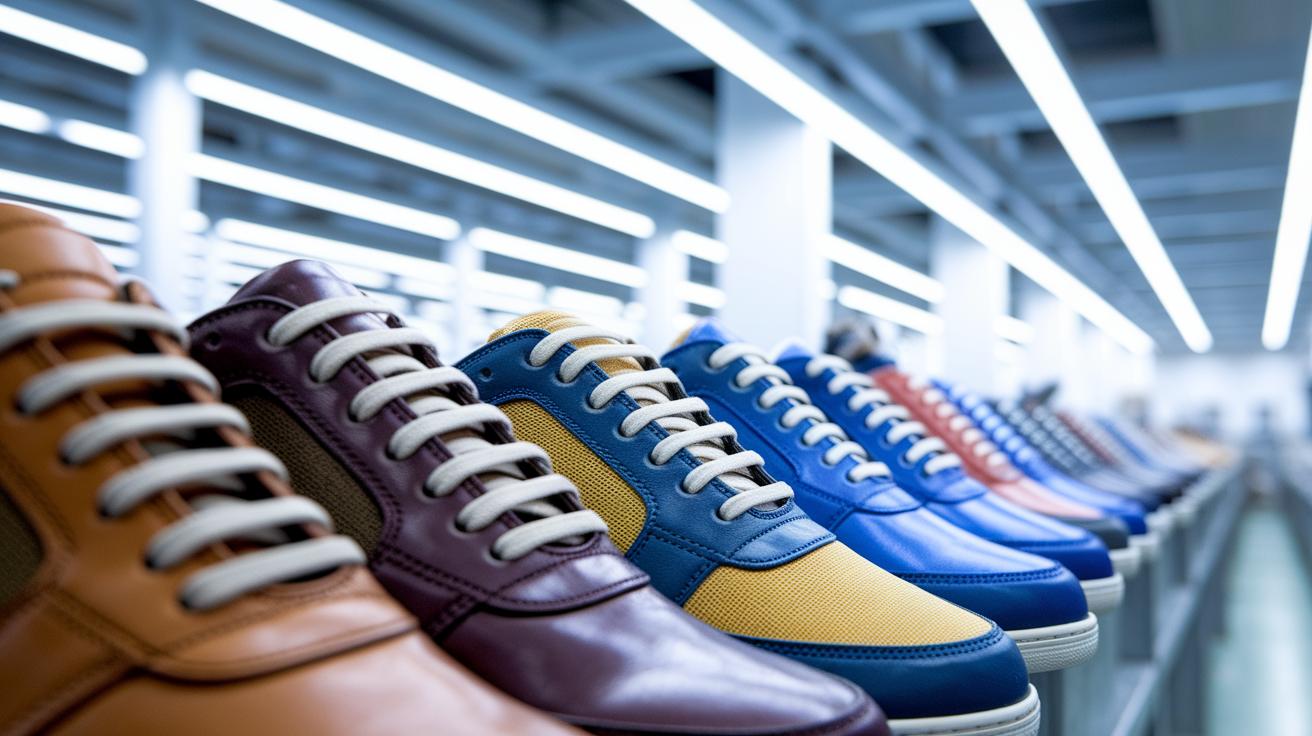
Before testing how the shoes perform, take a close look at the materials on the upper part. Check for scratches, scuffs, stains, or colors that do not match. Loose or unfinished edges are a red sign that the final touches were rushed.
Start by examining the leather. Look carefully at each section for bumps, wrinkles, or uneven color. For example, if a leather panel shows soft wrinkles and a patchy color, it means the dye job was not even.
Next, inspect the textile and synthetic parts. Watch for signs that the fabric might tear or that the color has bled. Use bright light to see both surface flaws and any hidden problems.
Using a checklist and a measuring tape during this early check helps you catch even small issues. Think of it like checking a handmade scarf for uneven stitching. This careful step makes it easier to spot material faults before moving on to performance tests.
Examining Stitching, Seams, and Sole Bonds for Construction Quality
Take a close look at the stitch lines. Check for any loose threads, skipped stitches, or uneven seams. Hold the fabric gently and see if there are any gaps or ragged spots. For example, if you notice a missed stitch near the pocket of a denim jacket, it might signal bigger issues later.
Next, feel how the sole is attached. Run your fingers along where the upper meets the sole. If you sense any soft spots or a little separation, it means the glue or bonding method wasn’t strong enough. A sign like glue seeping out at the seams shows the adhesive was applied unevenly, which can hurt durability.
Also, check if the seams look sturdy. Firm, even stitching should hold well even when the shoe bends or twists. Imagine turning a sneaker inside out and spotting uneven seams – that could lead to wear and tear sooner than you want.
Use steady pressure and a bright light when you inspect. This helps catch any tiny flaws before they turn into bigger problems with how the shoe feels or looks.
Evaluating Midsoles, Outsoles, and Footbeds for Structural Integrity
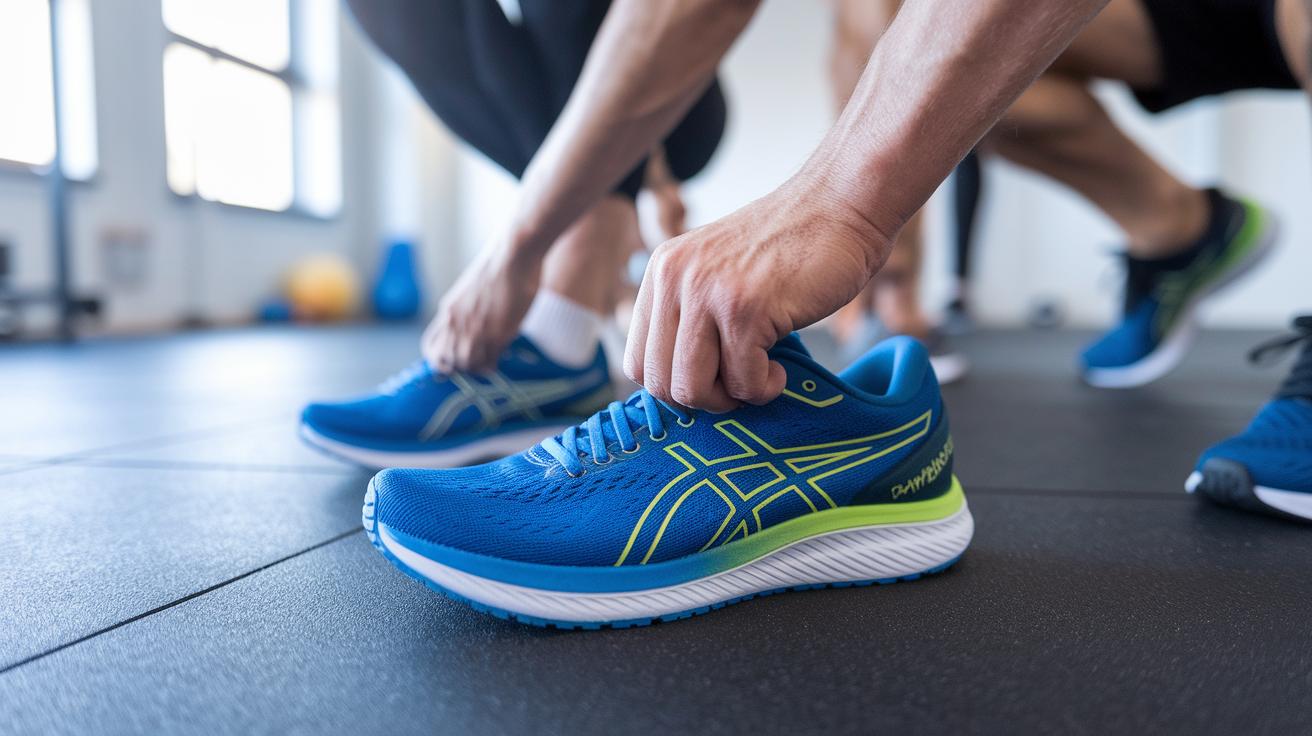
Start by checking the footbed. Run your hand over it to make sure it fits snugly and stays smooth with no wrinkles or shifting. When you press lightly and it holds its shape, it works like a carpet that stays even during a run.
Next, look at the midsole. Gently press on it to see if it compresses evenly and quickly bounces back. Measure carefully to catch any errors in the pattern or cuts. If the midsole is out of line, it can signal a problem much like a door that does not close properly.
Then, check the outsole. Look for signs of uneven wear, peeling, or tread separation that show the glue is not holding the layers well. A strong outsole should feel firm and give you a good grip, just like a puzzle that stays together when pressed.
Finally, test the heel area. Press on the heel counters to ensure they feel solid and the cushioning keeps its shape under pressure. This check makes sure the shoe stays stable and comfy even after many uses.
Applying Durability and Performance Tests to Footwear Construction
First, check that a shoe can handle daily use. Hold the shoe and gently bend it at the arch. Look for any cracks or creases. These signs may mean the material won't handle a lot of bending.
Next, test for wear by rubbing the shoe on a rough fabric. Imagine how work boots would feel against a coarse towel. If the surface shows wear quickly, expect scuffs and early aging. You can also test the glue holding the sole by pulling on a corner. If it gives way fast, the sole may come off with time.
Measure the shoe's length, width, and height with a tape measure. Even a small mistake in these numbers can mean the shoe won't deliver proper support or fit as the maker intended.
Safety is important too. Try checking slip resistance by pressing the shoe on a smooth floor. Walk a few steps to feel if it grips well. For impact absorption, tap the heel lightly and see if it springs back quickly, like a soft spring.
Finally, make sure that all labels (like care or safety instructions) follow the rules. This helps confirm that buyers get a product that is not just durable but also safe. These tests, both in the lab and out in real life, give a clear picture of how the shoe will perform every day.
Identifying Common Construction Defects in Footwear Quality Inspections
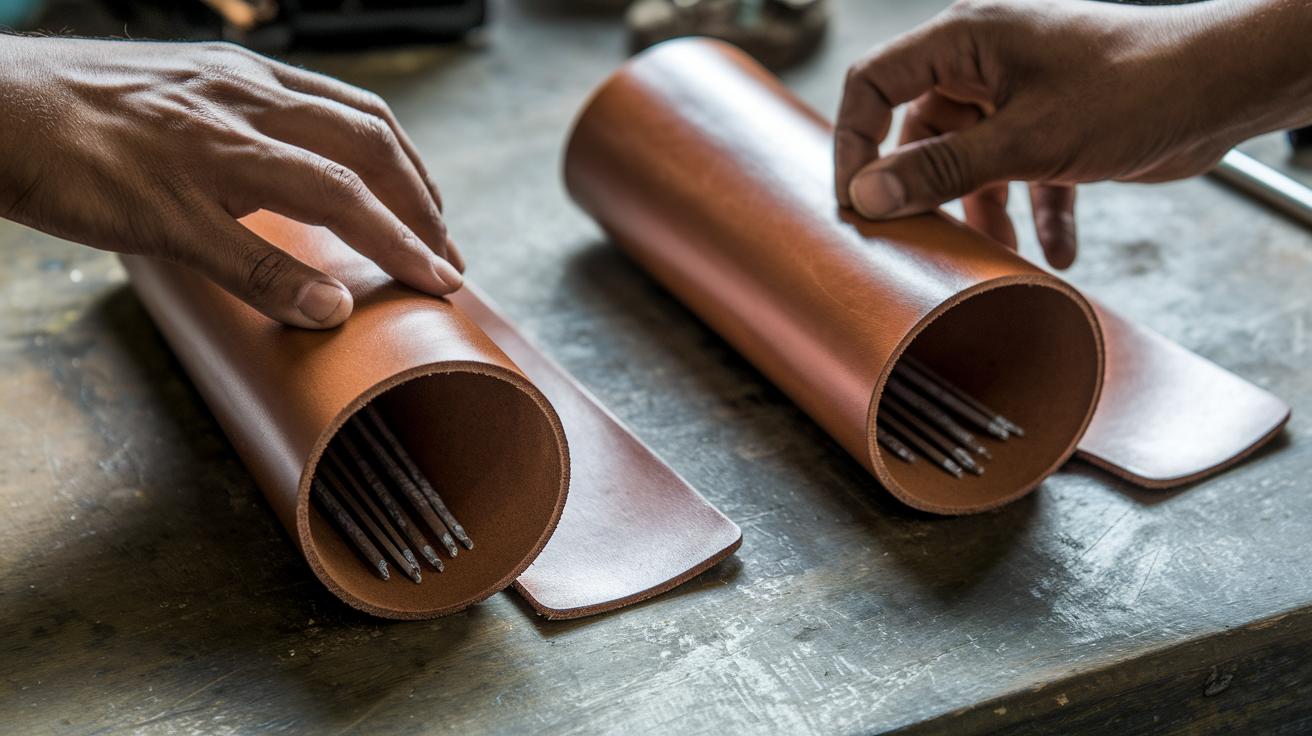
Try these extra checks to catch issues that standard durability tests might miss.
- Roll the uppers together. If the seam lines don't line up, that means there might be a mistake in how the pattern was cut.
- For leather shoes, feel the inside to see if any lasting nails are left. A few small nail marks suggest the lasting process was done in a hurry.
- Gently pull the edge of the sole. If it starts to come apart, the glue may not be holding well.
These simple tips help you spot specific construction problems without rechecking everything from seams to overall durability.
Building a Comprehensive Footwear Construction Quality Checklist
When checking a pair of shoes, focus on details not covered elsewhere and lean on modern digital tools for accuracy.
- First, snap clear, high-res photos using a digital imaging app. This captures every small detail needed.
- Then, open your measurement app and use the overlay tool to check the shoe's lengths and widths. Position the overlay right on the shoe to get accurate numbers.
- If you notice any slight problems like uneven stitching, use annotation software to mark them. Take a close-up and directly point out the issues.
- Also, use an automated reporting tool to log your AQL (Acceptable Quality Level, a measure of quality) readings. This tool records a timestamp and categorizes any defects. For example, take a photo of a seam and add notes about any inconsistency so your report flags it for review.
| Step | Digital Protocol |
|---|---|
| Image Capture | Use high-res photos with measurement overlays |
| Defect Annotation | Mark and record minor flaws directly on images |
| Automated Logging | Record AQL data with timestamp and defect categories |
Finally, review your digital report during final quality sessions. This helps you quickly spot recurring issues and improve your process.
Final Words
In the action, we've covered everything from inspecting raw materials and checking seam integrity to testing midsole compression and outsole stability. This guide breaks down each step of evaluating footwear construction quality using a clear checklist and AQL sampling (a method to cap defects). It shows how simple tools and tests can reveal issues before they turn into problems. We hope this approach helps you shop confidently and find shoes that truly meet your expectations.
FAQ
What does the guide to evaluating footwear construction quality on Reddit explain?
The guide on Reddit explains how to inspect footwear by checking detail work like stitching, material integrity, and sole bonding, using real user experiences to help you judge shoe quality.
What is the free PDF guide for evaluating footwear construction quality?
The free PDF guide provides easy-to-follow steps for field inspections, detailing tools, AQL sampling, and common flaws so you can confidently assess footwear construction quality.
How did the 2022 guide to evaluating footwear construction quality differ from earlier versions?
The 2022 guide improved clarity and added updated inspection methods, emphasizing detailed checks for stitching, material consistency, and sole adhesion to align with modern manufacturing trends.
What is shoes quality ranking all about?
Shoes quality ranking involves assessing key construction aspects such as durability, material integrity, and fit precision, so you can compare shoes based on their build and expected performance over time.
How does a shoes quality checklist help in inspecting footwear?
A shoes quality checklist serves as a practical tool for marking off details like packaging, label accuracy, and workmanship, ensuring you cover every step in a thorough quality audit.
What are the different shoes quality types to consider?
Shoes quality types refer to various assessments such as material quality, stitching reliability, sole bonding strength, and overall construction, making it easier to compare and choose based on specific performance needs.