

Ever wonder if your go-to shoes can really keep up with your day? Think of them as little athletes that face tough tests before they hit the shelf. We put them through two main tests that copy real-life actions like bending, twisting, and sudden knocks (imagine dropping your shoe by accident). These tests help us see how strong the shoes are and if they can last. In this post, we break down how our methods set a high standard so your shoes can stand up to everyday wear.
Comprehensive Overview of Footwear Durability Test Methods
We use standard methods to check how long shoes will last. By following protocols like ISO 24266 Method A (a test for bending the whole shoe), every pair gets treated the same. This test helps us see how the shoe handles wear, fatigue, and sudden impacts. Special machines such as the Universal Strength Tester and the Tensile Testing Machine (which pulls the material until it stretches or tears) give us reliable numbers for each test.
Our quality checks focus on important points that reveal if a shoe might fail in real life. These tests are all about spotting weak materials and construction issues so that every pair holds up during daily wear and even tougher conditions. Using a standard process also makes it simpler to compare models and adjust performance before a shoe is released.
Here are the key tests we run:
By including these tests in the quality process, manufacturers can fine-tune materials and building methods. Each test, whether it checks for gradual wear from abrasion or how well the glue holds, provides clear tips for making shoes that really last. This thorough testing not only builds trust in a shoe's strength but also helps improve comfort and everyday performance.
Footwear durability test methods yield excellent standards
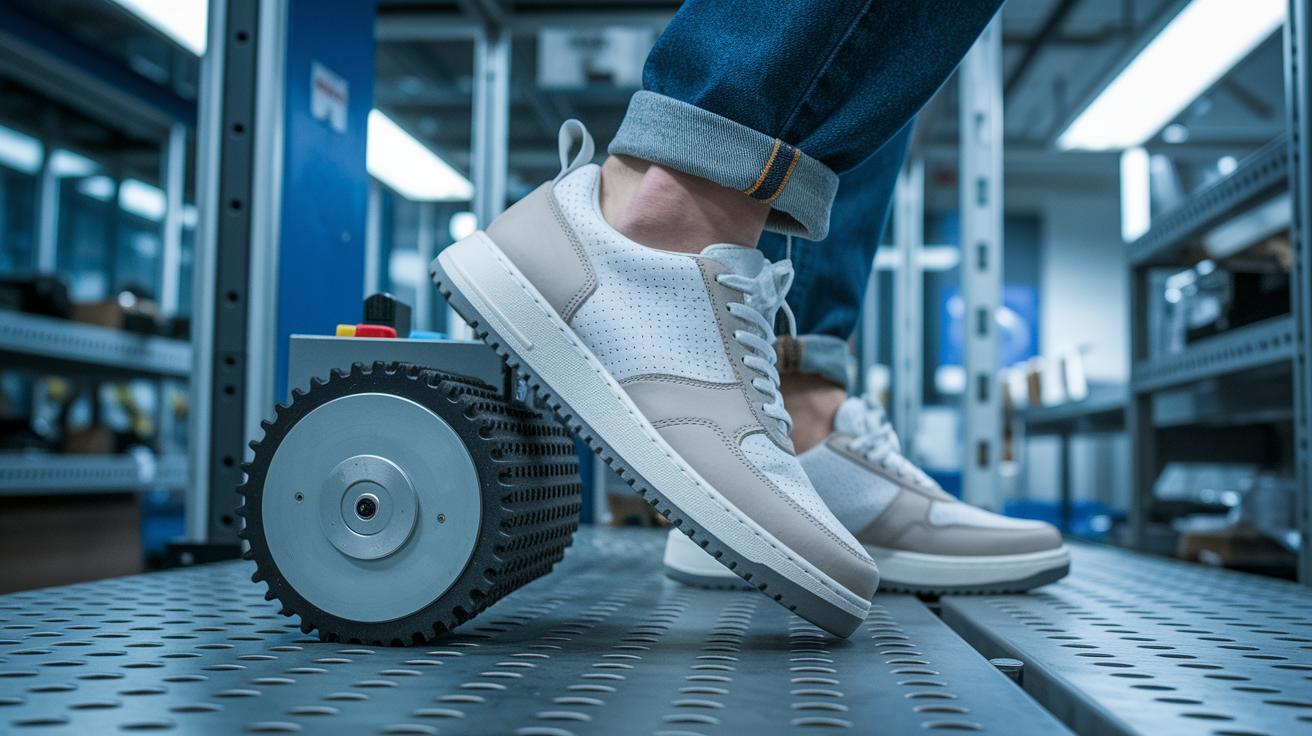
We subject shoes to controlled forces that simulate everyday use and sudden impacts. This helps us catch weak spots in materials and build better, longer-lasting shoes for you.
Abrasion Resistance Analysis
In this test, machines rub the shoe surface with abrasive media over many cycles to mimic rough ground. The process may run for 10,000 cycles on a rotating wheel. This method shows if the material stays strong or wears away too quickly.
Flexion Fatigue Experiments
Here we bend the shoe at a 45° angle at a frequency of 12 Hz for up to 100,000 cycles. This test shows when cracks or fabric breakdown starts. It helps us see how daily movements can affect the shoe's structure over time.
Impact Durability Evaluation
In this test, a set weight is dropped from a fixed height onto the shoe. Sensors record the shock absorption and any changes in the shoe’s shape. This simulates real-life impacts to spot issues like a sole coming off or material tearing.
| Method | Equipment | Key Parameter |
|---|---|---|
| Abrasion | Abrasion & Pilling Tester or Taber Abraser | Cycle count and use of abrasive media |
| Flexion | ISO 24266 test rig | Bend angle, 12 Hz frequency, up to 100,000 cycles |
| Impact | Drop-weight tester or Universal Strength Tester | Drop height, mass, and shock absorption data |
Environmental Exposure Test Methods for Footwear Durability
Weather and outside conditions can really test a shoe's strength. Temperature shifts, dampness, and salt can weaken the materials and affect how well different parts stick together. That’s why we run tests that mimic everyday weather. These tests show us what might go wrong when shoes face harsh climates.
There are four main tests we use:
- Environmental Chamber Cycling
- Salt Spray Testing
- Thermal Shock Testing
- Waterproofness Pressure Testing
Moisture tests check how well a shoe keeps water out. A Waterproofness Tester measures the pressure needed for water to seep in. This helps makers fix any gaps or weak spots so your shoes stay dry, even in the rain.
Thermal and salt spray tests simulate tough outdoor conditions. For Thermal Shock Testing, shoes go quickly from very cold (around -20°C) to very hot (about 50°C) to mimic rapid weather changes. Salt Spray Testing exposes metal parts to a salty mist to see if they might rust. These tests help spot problems that might not show up during regular wear.
Standardized Protocols and Calibration in Footwear Durability Testing
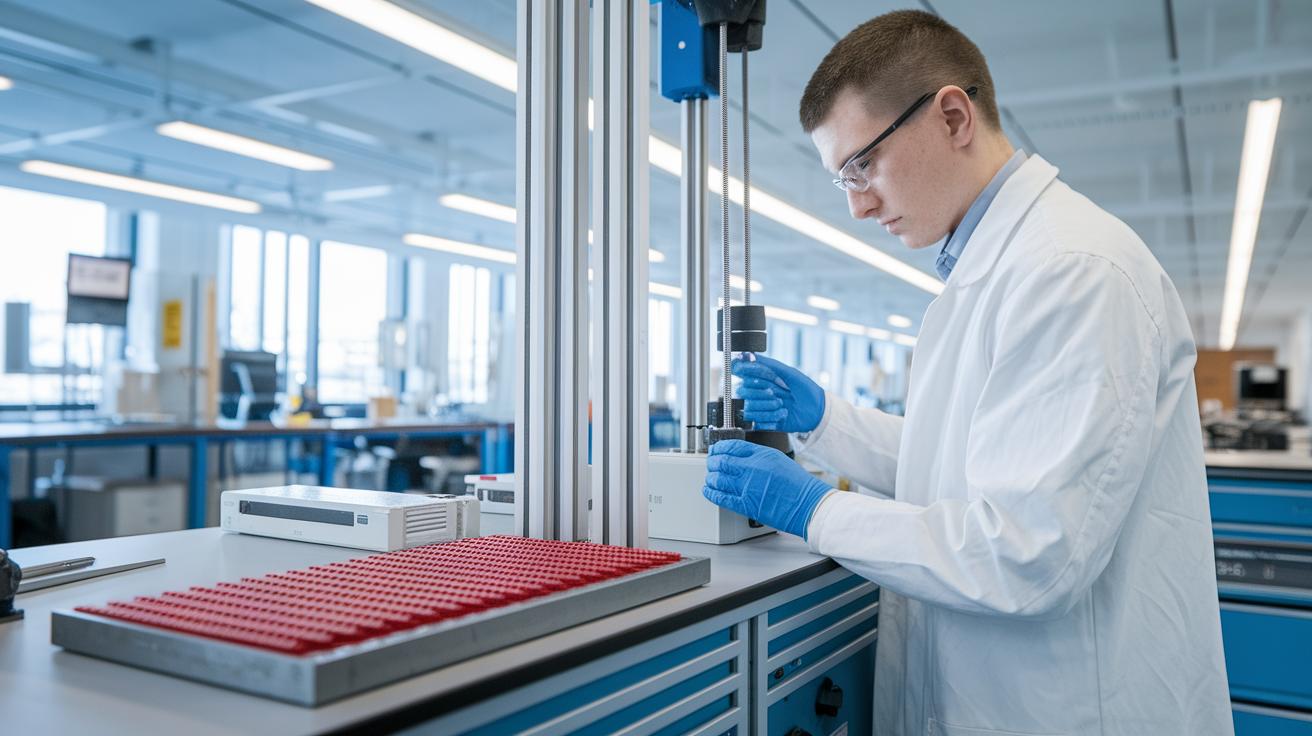
Getting accurate results from shoe testing starts with proper calibration. We make sure our machines, like tensile testers, stay within the standards (think ISO 7500-1) and measure in the right range (from 100 N to 10 kN). In our lab, we stick to a set routine. We use control samples and regular tweaks to trust every result and compare products fairly.
Here’s our simple process:
- Calibrate machines at the start of each session to check baseline accuracy.
- Test control samples every week to keep settings consistent.
- Run external calibrations monthly using certified standards.
- Reassess equipment every 500 cycles to catch early issues.
- Review and log all calibration data every three months to meet global protocols.
Following guidelines from ISO, ASTM, and similar bodies, this structured approach helps us spot performance trends in materials. It also guides designers to make shoes that hold up better in everyday use.
Metrics and Data Analysis in Footwear Durability Test Methods
Data analysis helps us see how long shoes will last. We measure simple numbers from tests like rubbing and bending to figure out a shoe's overall lifespan. When we check figures like cycles-to-failure, weight-loss in abrasion tests, and stress-strain curves (a test that shows how well a material stretches and goes back to its shape), we can spot problems early.
| Metric | Measurement Method | Interpretation |
|---|---|---|
| Cycles-to-Failure | Fatigue test cycling | Counts how many cycles it takes before the shoe fails |
| Weight-Loss Percentage | Abrasion testing using a rotating apparatus | Shows how much of the shoe material wears away |
| Stress-Strain Curves | Tensile testing | Reveals the material’s strength and stretchiness |
| Tensile & Peeling Strength | Strength and adhesion machines | Measures how well parts of the shoe hold together |
These numbers are the backbone of checking a shoe's life. For example, knowing the cycles-to-failure tells us how many steps a shoe can handle before it starts to break down. Weight-loss percentages reveal how surfaces wear with time. Stress-strain curves give us a clear look at how flexible the material is. And measurements of tensile and peeling strength show us which parts might need tougher construction. Designers and engineers use this data to pick better materials and make improvements, ensuring that each shoe stands up to everyday wear.
Case Study: ISO 24266 Method A in Footwear Durability Test Methods

ISO 24266 Method A mimics everyday wear by bending the full shoe at a 45° angle at a constant 12 Hz pace. Here are the key steps we follow alongside our Flexion Fatigue tests:
- Place the shoe at a 45° angle.
- Bend the shoe repeatedly at 12 Hz.
- Check the midsole and upper for any cracks or signs of breakdown.
- Note the number of cycles until failure.
Our tests using this method have shown interesting differences. One competitor noted midsole cracks at 60,000 cycles. Additionally, our comparisons reveal that PU midsoles (a type of durable plastic) last 20% longer than EVA midsoles (a soft foam). In simple terms, PU midsoles withstood the stress noticeably better. These findings suggest that choosing different materials could lead to more robust shoe designs.
Emerging Innovations in Footwear Durability Test Methods
Innovation is the key to making shoes that last. Traditional tests sometimes fall short in showing how shoes hold up during everyday wear. Now, machines that mimic real walking mix forces like pressure and temperature changes. Smart sensors track how materials stretch and compress in real time (stress-strain data). We are also borrowing ideas from packaging and simple medical tests to run several stress checks at once. Repeating tests over and over helps improve how consistent the results are.
- Machines that mimic normal walking.
- Sensors that track stretching and pressure.
- Test setups that mix forces from movement and the environment.
- Methods borrowed from packaging and medical testing.
- Repeated tests to boost consistency.
These new test methods help designers see how materials react in different conditions. Using these ideas leads to tougher shoes that handle everyday use better.
Final Words
In the action, this article dove deep into how footwear durability test methods work. We covered key tests like abrasion, flexion, impact, environmental, and adhesion checks.
We explored standard procedures, mechanical stress tests, and calibration protocols. Data analysis and real-world case study insights helped show why these tests matter.
This deep dive supports reliable quality assurance testing and guides you in choosing long-lasting footwear. The practical approach here helps boost confidence when shopping for durable footwear durability test methods. Enjoy making smarter purchases!
FAQ
What does a footwear durability test methods PDF include?
A footwear durability test methods PDF explains standardized tests like abrasion, flexion, and impact tests, detailing techniques such as ISO 24266 Method A to assess materials and overall shoe performance.
What does flexing footwear durability test methods involve?
Flexing footwear durability test methods examine how shoes bend under repeated stress, using protocols like a 45° bend at 12 Hz to measure midsole and structural integrity over many cycles.
What are the best footwear durability test and shoe testing methods?
The best footwear testing methods combine abrasion, flexion, impact, environmental, and adhesion tests using calibrated equipment to ensure quality and reliable performance under real-world conditions.
How can you test running shoes in-store?
Testing running shoes in-store means checking for proper cushioning, flexible bending, and fit by walking or lightly jogging, helping you feel the support and overall comfort before buying.
What do running shoes reviews 2025 typically cover?
Running shoes reviews 2025 cover aspects like updated durability tests, cushioning performance, material strength, and design improvements, offering current insights for running enthusiasts.
What defines the best recovery run shoes?
The best recovery run shoes provide optimal cushioning and support, making them ideal for gentle runs and post-intensive workouts by reducing fatigue and aiding smoother recovery.