

Do old traditions really shape what we wear tomorrow? Today, designers mix classic patterns with modern cuts. Imagine vintage embroidery paired with bold city prints in fun, unexpected ways that make you smile. Every piece tells a story, woven into its fabric and sewn into its seams. From American street style to British craft techniques, many voices are turning old customs into fresh style ideas. This blend of past and present does more than honor history. It sets the lively beat for the future of fashion.
How Cultural Diversity Is Steering Future Fashion Trends
Around the world, different cultures add a unique flavor to fashion. Old styles blend with new trends to show off distinct cultural flavors that are easy to spot. In the US, for example, local streetwear picks up hints from indigenous and immigrant traditions, giving it a street vibe that feels both fresh and rooted.
Britain's skilled makers also add their mark. British craftsmen use time-honored techniques passed down through families to create well-made pieces. Their careful work shows a love for history with neat tailoring and strong construction. Today, voices from many cultures push the limits on how clothes are built and which fabrics are chosen.
Cultural influences also touch every detail, from color choices to fabric feel. Designers often mix classic prints with modern cuts to make pieces that catch your eye. Here are some influences that are changing the game:
- Old patterns reworked into fresh shapes
- Bright color mixes inspired by local festivals
- A blend of traditional hand skills with modern design
Technology and social media speed up these cultural exchanges. This change is not a passing fad. Genuine respect for different cultures meets creative design, pushing designers to explore beyond borders and keep fashion as varied and exciting as the many cultures that inspire it.
Heritage-Inspired Aesthetics and Traditional Motif Reinterpretation
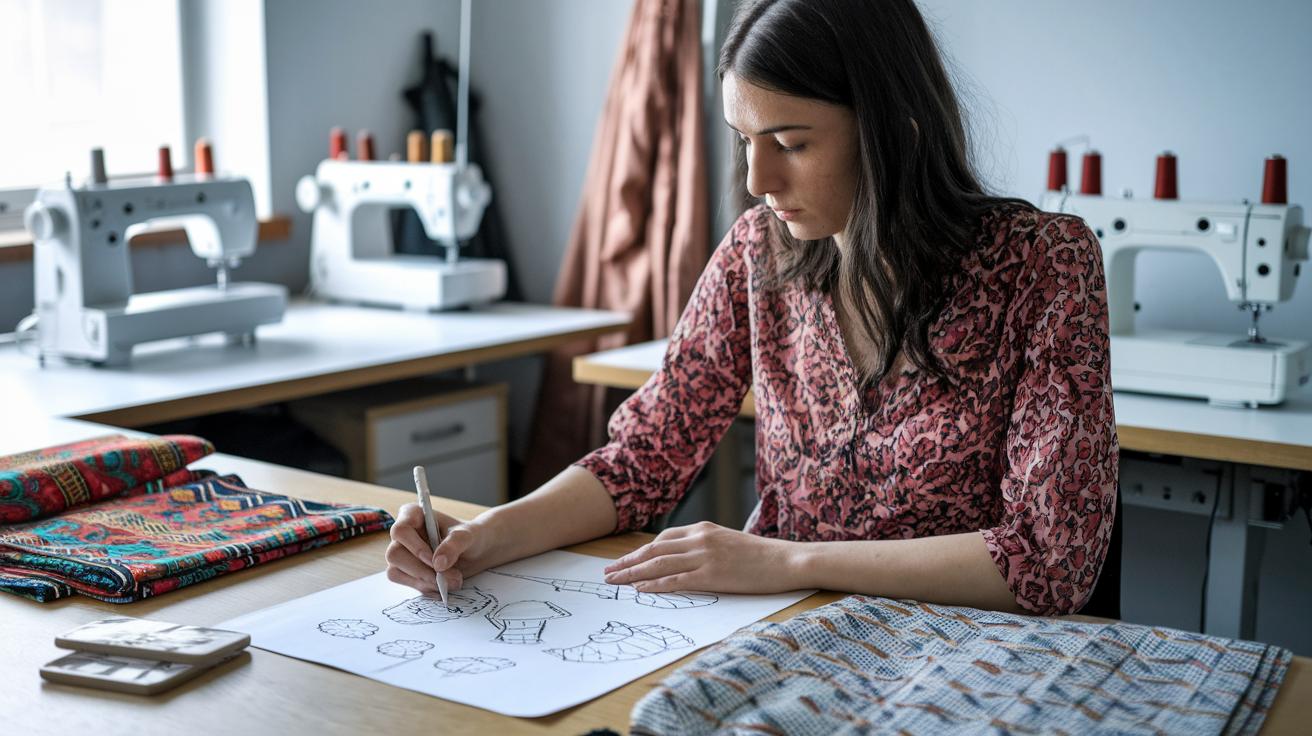
Designers are drawing on old styles even as they create fresh, modern looks. Today, custom clubwear mixes time-honored cultural designs with simple, current shapes. Many designers repurpose classic patterns like Indian block prints and Japanese sashiko (a type of hand stitching) into styles you can wear every day. For example, at a recent show one designer brought back an old print to create bright club outfits that excited the crowd. This change brings a real link to history for anyone wearing these pieces.
UK makers set the pace by using careful, old-school techniques passed down from the early 1900s. They blend age-old craftsmanship with today’s trends so each piece feels both new and steeped in tradition. Designers play with size, texture, and layers to give classic motifs a fresh look. Every garment tells its own story by mixing familiar designs with modern twists. This blend of old and new pays respect to the past while paving the way for a bold future.
Impact of Artistic Design Movements on Cultural Fashion Evolution
Artistic design movements have really changed the way designers create new styles. With more global connections, top fashion brands now borrow ideas from schools like Bauhaus and Surrealism. They mix crisp, modern lines with unexpected twists that spark the imagination. For instance, one designer said they blended the sharp shapes of Bauhaus with the smooth flow of modern fabrics to create a look that's both neat and surprising.
Designers also mix techniques from native textiles with ideas from modern art. You can see this in clothes that pair structured cuts with soft drapes or bold prints that remind you of ancient art. Many new designers add layers of meaning by using symbols and stories, like weaving in African adinkra symbols (simple marks that tell a story) into their pieces.
This blend of old and new pushes fashion into bold new directions. Designers are not tied to one style; they experiment with different textures and bright colors to reimagine traditional materials. Thanks to this mix of art and culture, upcoming trends will continue to surprise and tell a rich, visual story.
Media and Technology Fuelling Cultural Trend Propagation

Social media sites like Instagram, TikTok, and Pinterest are reshaping how fashion trends catch on. They take small, local ideas and turn them into global movements almost overnight. Designers post fresh takes on classic patterns with modern cuts, and a short TikTok clip can bring a little-known ethnic print into the limelight fast.
New digital tools like digital printing and 3D design let designers capture cultural details with great care (3D design means creating computer-made models). These tools let them copy intricate ethnic patterns while keeping the textures and feel of the original designs. With this tech, traditional styles blend easily with modern trends, giving designers more creative freedom.
Online platforms mix today’s trends with time-tested traditions. Designers experiment on the fly, using old techniques alongside new ideas and getting instant feedback from a worldwide audience. This shift not only drives style evolution but also paves the way for more inclusive fashion choices.
Tech advances help designers stay true to cultural roots while pushing the envelope with bold, global-inspired styles that feel genuine and fresh.
Sustainability and Ethical Heritage Integration in Future Fashion
Designers are switching to eco-friendly materials and careful sourcing to honor cultural roots and the skills of experienced artisans. They blend modern methods with traditional techniques to create pieces that respect both heritage and the planet. For example, some use India's hand-loom weaving (a traditional process known for its rich textures) alongside Portugal's cork fabric production, which adds a natural, sustainable twist.
This approach not only cuts down on waste but also keeps old practices alive. Brands now pick ethical fabrics and low-impact techniques that help local communities while staying true to their cultural stories. One designer put it simply: "I love using eco-friendly textiles because they tell a story of heritage and care, mixing old traditions with fresh ideas."
By tying sustainability to heritage, each garment becomes more than just clothing, it turns into a piece of history you can wear. Learn more about sustainable fashion here. This method promises a future where style respects its roots and brings lasting value to both makers and wearers.
Cross-Border Dynamics and Transnational Style Exchange
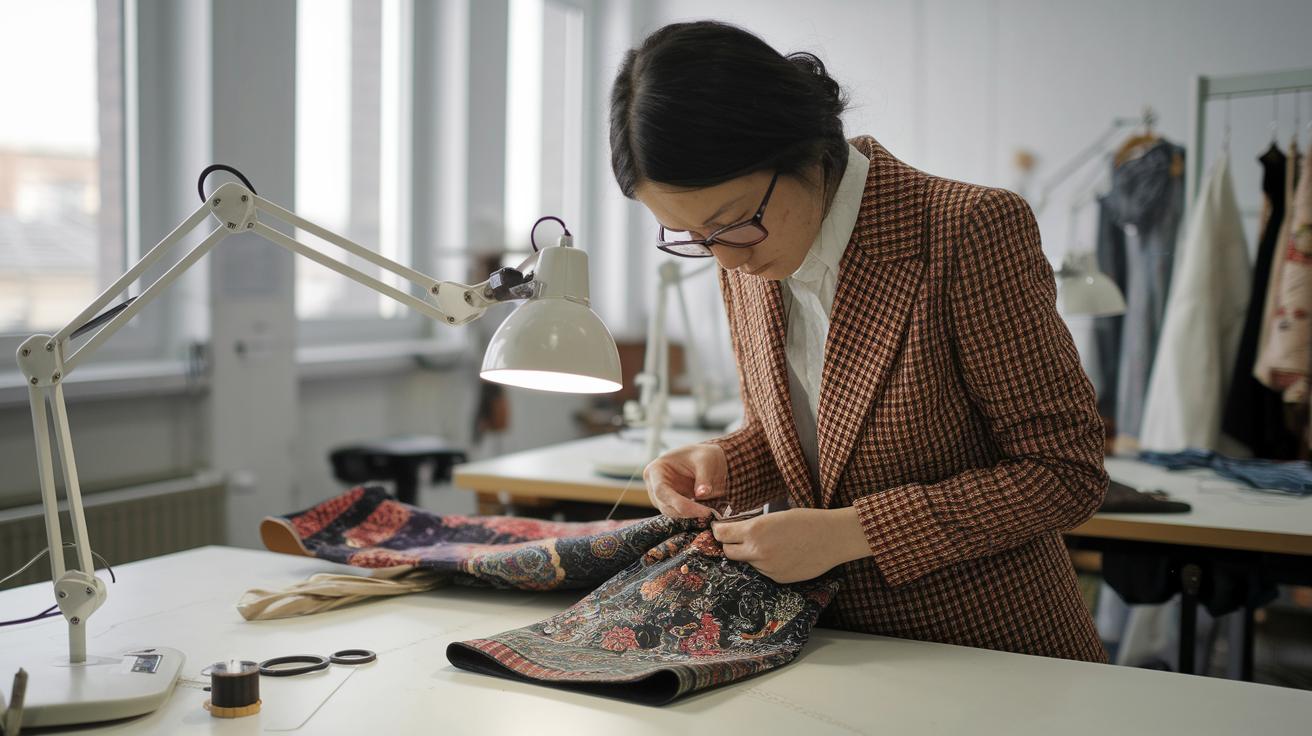
Global trade has opened exciting doors for fashion. Designers now blend styles and fabrics from places like Italy, Vietnam, Portugal, and India. They combine different patterns, cloth, and techniques to make clothes that feel like a blend of two worlds. One designer put it simply: "I mix Italian tailoring with Southeast Asian textiles to create a piece that tells the story of two continents."
London is still a favorite spot for creative, small-batch work where each piece is crafted with care. Meanwhile, in the United States, large factories use efficient methods to meet everyday needs. Both approaches show that fashion can shine in many ways. From handmade artisan pieces to mass-produced collections, designers are finding fresh ways to mix traditions with modern trends.
Case studies show that when you bring the precision of Italian cuts together with the rich textures of Southeast Asian fabrics, you get unique designs that respect old traditions and shout modern style. Each garment becomes a canvas where classic methods meet new ideas. This innovative mix is paving the way for a future where fashion spans busy runways and everyday wear, as seen at events like New York Fashion Week in September.
Subculture, Celebrity Icons, and Ethnic Pattern Innovation
Big names in music and entertainment are changing fashion by wearing clubwear that mixes street style with bold ethnic prints. For example, when a popular musician wore a jacket mixing African kente cloth (a traditional fabric with bright patterns) with sharp, modern cuts, fans took notice and the style grew fast.
Designers are inspired by this energy. They use striking prints from African kente or Latin American embroidery to put together small collections that feel both fresh and connected to tradition.
Skate and rave groups are also key players. They take old patterns and twist them into bold looks that fit today's urban scene. Their work turns classic designs into eye-catching pieces that tell a modern story.
- Mixing streetwear with ethnic prints creates cool clubwear.
- Subcultures give new life to traditional designs.
- Celebrity picks add extra layers to the fashion story.
These trends tell a unique story by combining old traditions with new ideas. Each piece shows off personal style and cultural roots, making the overall look both striking and full of meaning.
Trend Forecasting Methodologies and Futuristic Style Predictions

Forecasters mix online data with on-the-ground research to guess what fashion will do next. They check social media numbers and watch runway shows in cities like New York and Paris. For example, one analyst noted that a jump in colorful streetwear posts on Instagram matched a new twist seen in Paris shows.
Data on what people buy helps clear up which trends are gaining speed. Experts combine these figures with simple research into old techniques and cultural rules. They study how folks respond to both classic and modern designs to spot which themes might return.
Industry experts also compare trends across different countries to see how cultures blend their styles. Their methods include:
- Checking social media for popular posts
- Watching runway collections from key fashion cities
- Looking at sales data to spot buying trends
- Studying traditional craft methods and cultural stories
By using both modern data and a respect for tradition, these approaches give a balanced look at what fusion styles and design shifts we might see next.
Final Words
In the action, we've seen how cultural diversity drives design, heritage, technology, and global exchanges to form today’s innovative fashion. Each section laid out clear evidence of ethnic patterns merging with modern tech, sustainability, and cross-border collaborations. We explored how traditional motifs mix with crisp silhouettes and bold colors. These cultural influences shaping future fashion trends pave the way for a wardrobe that works hard and looks great.
Embrace these trends and step forward with confidence in your style choices.
FAQ
What does a PDF on cultural influences shaping future fashion trends include?
A PDF on this topic outlines how global heritage, traditional techniques, and modern design merge to shape emerging trends. It covers material choices, color palettes, and artisanal methods reflecting diverse cultural traits.
What cultural factors influence fashion?
Cultural factors like traditional attire, regional techniques, and ancestral motifs affect choices in fabrics, prints, and silhouettes. These elements create unique style expressions that evolve with global design exchanges.
How does fashion influence culture according to PDFs?
Fashion influences culture by embedding traditional symbols into modern garments. It drives identity and community expression, merging historical influences with digital trends to create relatable, cross-cultural style stories.
What are some examples of cultural fashion trends and fashion culture?
Examples include heritage-inspired patterns in modern apparel, the reinterpretation of ancestral motifs in custom designs, and blending ethnic prints with tech-driven production—each showcasing diversity in style and cultural storytelling.
Why are fashion culture articles valuable?
Fashion culture articles explain how local traditions and innovative designs interact. They offer insights into the fusion of sustainable practices, digital tools, and global craftsmanship that drive today’s style evolution.
Why is fashion considered an integral part of human existence?
Fashion reflects our identities and cultural roots. It blends history with modern influences, offering a visual narrative that connects personal expression and community traditions in everyday life.