

Ever wonder if a flashy accessory will stand the test of time? It might catch your eye, but hidden details tell if it's really made to last.
Smart Tips:
- Feel the material. It should have a consistent texture that feels genuine.
- Look at the stitching. Neat, even stitches mean careful work.
- Test the hardware (zippers, clasps). They should feel sturdy and smooth.
By paying attention to these small clues, you can avoid spending extra on something that looks good but lacks substance. Use these tips next time you shop to find accessories that really deliver both style and durability.
Key Steps for Accessory Craftsmanship Evaluation
When checking an accessory, we pay close attention to the little things that show its true quality. Look at the materials like real leather, tough canvas, or organic cotton (which feels natural and strong) to make sure they offer a good, lasting feel. A quick look at the surface details will tell you a lot about how well it was made.
- Check the material to make sure it is genuine, like full-grain leather or eco-friendly fabrics.
- Look for even stitching and smooth edges that add a neat finish.
- Make sure seams in high-stress areas have extra stitching, like double or triple rows, for strength.
- Test the hardware to see if zippers, clasps, and buckles work smoothly.
- See that the accessory holds its shape when empty and that the base is firm.
- Review any logos, embossing, or engraved details to confirm they blend well into the design.
- Compare the price with similar items, keeping an eye on discounts and original pricing.
- Check that the overall design feels balanced and the finish is consistent.
Using this checklist helps you see both the clear signs of good craftsmanship, like neat stitching and smooth hardware, and the hidden details like structure support and authentic branding. When a bag holds its shape and shows careful stitching, you can trust that the maker paid close attention to quality. This way, you can pick an accessory built to last and look the part.
Accessory Material Quality and Integrity Analysis
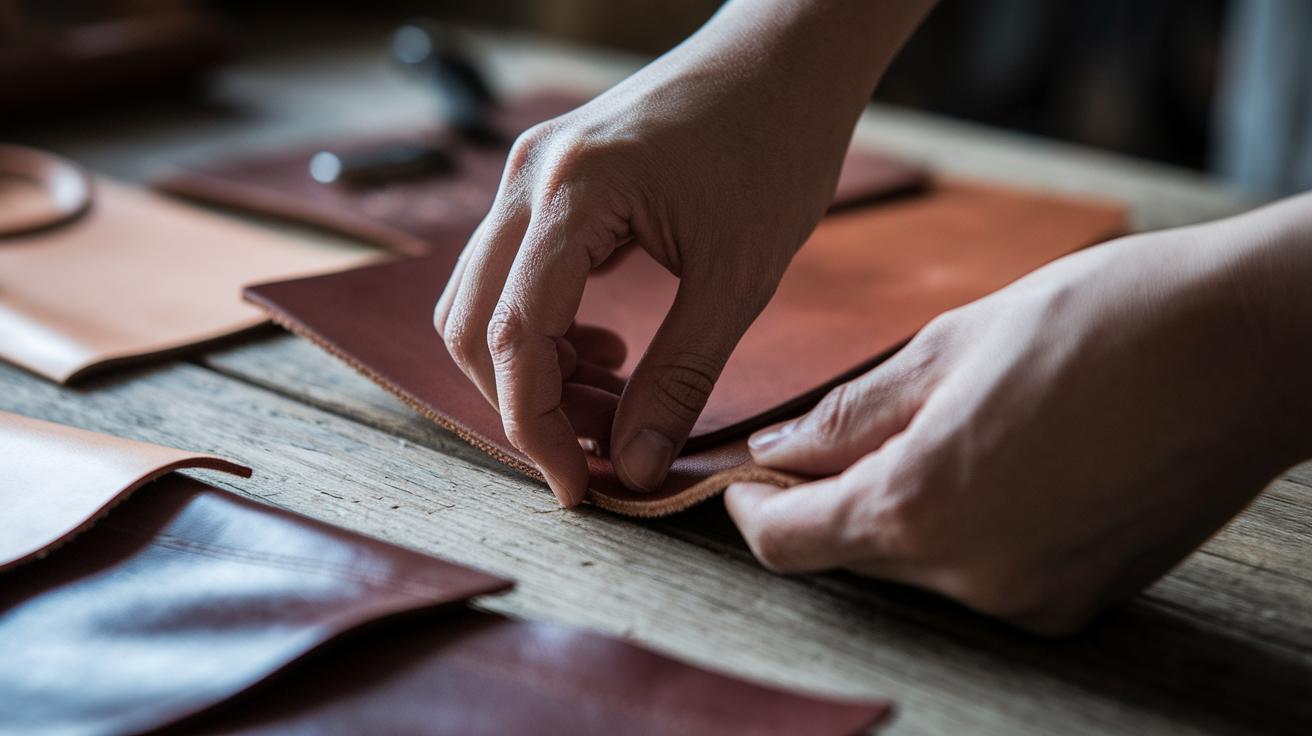
We check accessory materials for strength and ethical production by feeling their textures and confirming how they are made. Materials such as full-grain vegetable-tanned leather (a sturdy leather treated with natural plant extracts), tough canvas, and eco-friendly options like sustainable organic cotton promise long life and a natural look.
Run your fingers along the edges to notice small details. A smooth, even finish shows careful work, while tiny bumps might mean corners were cut. Here are a few tips:
- Verify where and how the material was produced, with an eye for responsible sourcing.
- Run your fingers along the edges, a naturally smooth finish tells you the workmanship is solid.
- Look closely at the grain; an even texture means it was well developed.
- Check fabric finishes; eco-friendly fabrics should feel soft and uniform.
- Notice the conditioning; good care means the material can handle everyday use.
Construction and Structural Feature Assessment in Accessories
Examine every stitch and finish detail closely. Look at the seams around handles and corners to see if they have extra double or triple stitching. Check that the thread feels just right around 0.3 to 0.5 mm thick, which means it is both neat and strong. Also, make sure the edges are smooth and the lining is firmly attached.
Next, feel the accessory's overall shape when it's empty. It should hold a steady form. Run your fingers along the base and sides to check for reinforcements like metal supports or extra layers of leather. Smooth transitions at stress points are a good sign that the design supports everyday use well.
Together, these checks on stitching and structure show if the accessory is built to last without needing to recheck the fabric quality.
Finishing Quality Inspection and Hardware Durability for Accessories

When you check an accessory, look closely at every tiny detail that shows careful work. The zippers, clasps, and buckles should work smoothly and feel strong to the touch. A good accessory has metal parts that are smooth and free of scratches or discoloration. These details help the item last longer and feel great every time you use it.
Test all the moving parts to make sure they work well. A zipper should slide without catching, and clasps and buckles should lock tightly while still opening easily. This is important if you use your accessory often. In handmade items like a fine whiskey or wine case, careful finishing and details like embossing or engraving can turn a simple piece into something collectible.
Look for smooth transitions between metal parts and the rest of the accessory. When everything blends together well, you know the maker paid attention to detail. Seeing these signs gives you more confidence in the quality and long life of your purchase.
Design Detailing Appraisal and Authenticity Verification for Accessories
When you check an accessory, look at how well its parts work together. Notice if the stones are set neatly and if the proportions are balanced to catch the eye. A good design flows smoothly so nothing sticks out or feels awkward. For instance, a ring might have small gems arranged in a neat circle that gives it a natural beat.
When you look at jewelry details, think about what you want more: the pure shine of 24K gold or a mix that lasts longer. Check each gemstone by its cut, clarity, color, and carat (the weight of a gem). A solid design uses these points to boost both its beauty and strength.
To be sure the piece is genuine, inspect the brand marks like embossing or engraving. These details should fit in quietly with the overall design without taking over. Subtle, consistent markings show you have a real accessory that mixes smart design with quality craftsmanship.
Durability Testing Methods to Evaluate Accessory Longevity

Try these simple tests to see if your accessory will hold up day after day. To check the overall build, look at its shape, hardware, seams, and finish.
- Put some weight on the accessory to see if it keeps its shape.
- Bend zippers, clasps, and buckles to make sure they work smoothly.
- Gently tug on the seams to check their strength.
- Dab a bit of moisture on the finish to see if the color holds up.
These hands-on checks help you decide if the accessory is built to last and worth the price.
Craftsmanship Review Guide: Creating Your Accessory Evaluation Checklist
This guide is a handy tool to help you quickly check your accessories. Instead of doing long tests, focus on four key areas: the material, sewing quality, finishing details, and the overall design balance.
Key points to consider:
- Material: Check for real fabrics or genuine leather that feels soft but sturdy and has no flaws.
- Construction: Look at the stitching and seams to see if they are even and reinforced.
- Finishing: Make sure the hardware works smoothly and the edges are clean.
- Design: Decide if the look and function meet your everyday needs.
Feel free to adjust this checklist to match your personal style. For a detailed look at test methods and measurements, refer to the full guide.
Final Words
In the action, we broke down how to check material quality, construction details, finishing touches, design integrity, and durability. We walked you through each stage with real steps that help avoid mistakes and buyer's remorse.
These tips for evaluating accessory craftsmanship give you a clear, step-by-step guide. Use this checklist to spot solid accessories that offer both look and lasting performance. Enjoy building a wardrobe that feels as good as it looks!
FAQ
What are the key steps for accessory craftsmanship evaluation?
Evaluating accessory craftsmanship involves inspecting material quality (like genuine leather or sturdy canvas), checking even stitching and reinforced seams, assessing structural support and hardware function, and comparing the build against the price point.
How do I verify material quality and integrity in accessories?
Verifying material quality means confirming premium options such as full-grain leather, sturdy canvas, or sustainable organic cotton that feel smooth and durable, with well-finished edges and a firm, non-stiff texture.
How can I assess the construction and build quality of an accessory?
Assessing construction means checking for even, reinforced stitching, smooth edge finishing, securely attached linings, and verifying that the accessory holds its shape when empty with proper structural support.
How do I evaluate finishing details and hardware durability in accessories?
Evaluating finishing details means ensuring zippers, clasps, and buckles operate smoothly, feel substantial, and show a finish free from scratches or tarnish, while engraved or embossed markings should appear seamless.
What design details and authenticity markers should be checked in accessories?
Checking design details means ensuring aesthetic balance in stone arrangements or gems, verifying consistent brand marks like engravings, and confirming that elements such as 24K gold purity or artisan touches match genuine quality.
What at-home tests help evaluate accessory durability?
At-home durability tests include applying weight to check shape retention, flexing hardware to test smooth operation, stressing seams for resilience, and checking color fastness under slight moisture conditions.
How can I create my own accessory evaluation checklist?
Creating a checklist involves combining material checks, construction inspection, finishing evaluation, design appraisal, and durability tests to build a framework that fits your priorities and guides future accessory purchases.