

Quick Verdict
Ever get frustrated when your usual size just doesn't work? We know how that feels.
Why We Wrote This
UK sizes can be confusing, but they are the key to finding clothes that really fit you. Our guide uses plain words to explain the differences between UK, US, and EU sizes.
How It Works
Even small changes in measurements can make a big difference in how your clothes look and feel. We break down these differences so you can easily pick the right size every time.
Final Note
Use our simple chart to match your measurements and feel confident in every outfit.
uk sizing chart: Perfect fit for every style

Use our quick guide to compare UK, US, and EU sizes for both shoes and clothes. This handy chart gives you a snapshot of common conversion numbers and a rough idea of how sizes might differ across brands and styles. Remember, these numbers are estimates and can change based on the cut and fit of each item. Always double-check your own measurements before you buy.
| Category | UK Size | US Men’s Size | US Women’s Size | EU Size |
|---|---|---|---|---|
| Men’s Shoe | 6 | 7 | 40 | |
| Women’s Shoe | 7 | 9 | 40 | |
| Women’s Apparel | 10 | 6 | 38 | |
| Men’s Apparel | 40 | 40 | 50 |
For more detailed tips on measurements and product fit, check out the sections below. Because fabrics and designs vary, the way an item fits can change. We suggest measuring yourself with a soft tape measure to get the best fit possible. Use these tips to help you choose a size that works for you and consider trying on a few different sizes to find your perfect match.
UK Sizing Chart: Footwear Conversion & Measurement Standards
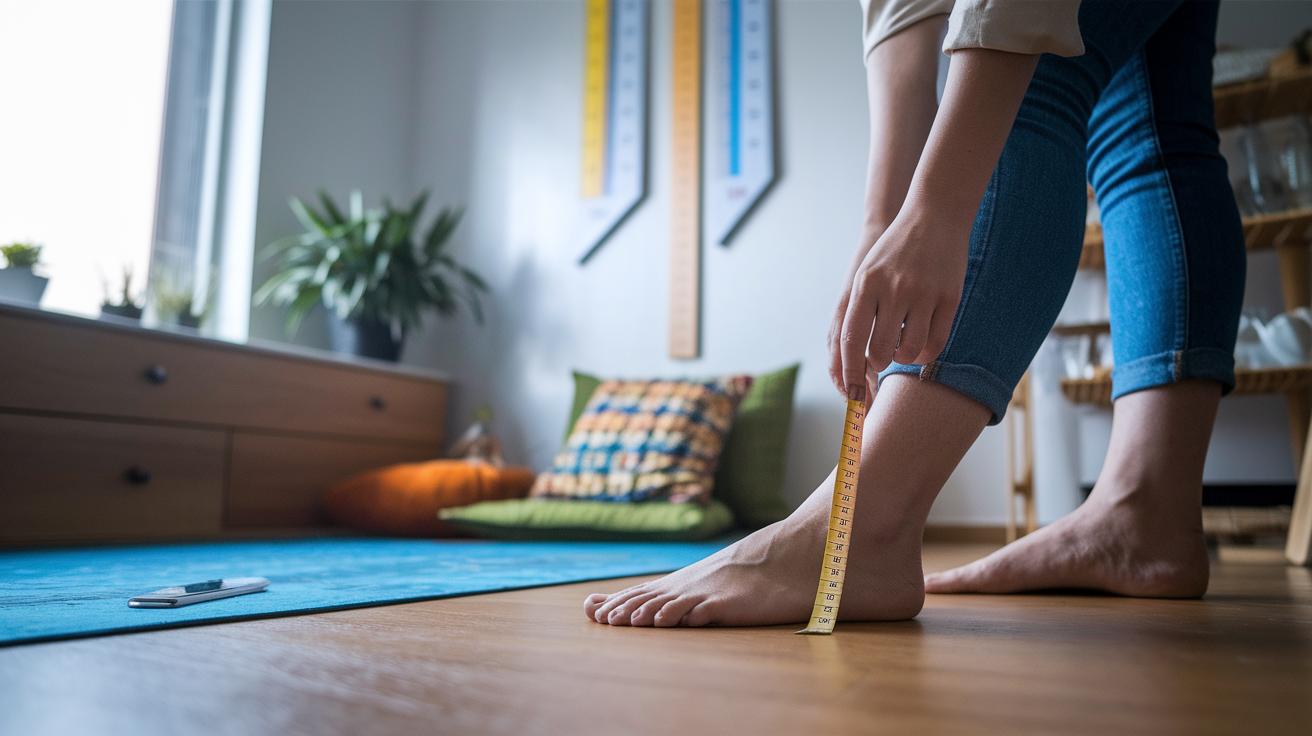
UK shoe sizes use a traditional barleycorn method, where one barleycorn is 1/3 inch. This is different from European sizing, which is based on Paris points (2/3 cm steps). Both systems measure your foot a bit differently and only give a rough guide. Even a small measurement change can lead to nearly a full size difference, so knowing these basics is helpful.
To measure your foot, place it on a hard, flat surface. Use a soft tape measure and start at the back of your heel. Run the tape along the longest part of your foot, usually to the tip of your longest toe. Check any available diagram to make sure the tape is in the right spot. Accurate centimeter readings will help when you convert sizes between UK, US, and EU standards.
Keep in mind that sizes can vary by style, manufacturer, and even seasonal design trends. Some brands stick closely to the barleycorn system while others adjust the sizes a bit for extra comfort or style. Trying on the shoes or checking brand-specific details can make all the difference when you’re looking for the perfect fit.
UK Sizing Chart for Women’s Apparel Conversion

UK women’s sizes use numbers to match dresses, tops, and bottoms with your bust, waist, and hip measurements. The numbers usually go from 6 to 20, so you can quickly get a sense of the fit. Standard sizes work as a handy guide, while plus and petite styles add or subtract 2 to 4 inches for a more personalized look. The chart below shows the key dimensions in both inches and centimeters.
| UK Size | Bust (in/cm) | Waist (in/cm) | Hip (in/cm) |
|---|---|---|---|
| 6/8 | 32-34 / 81-86 | 24-26 / 61-66 | 34-36 / 86-91 |
| 10/12 | 34-36 / 86-91 | 26-28 / 66-71 | 36-38 / 91-97 |
| 14/16 | 36-38 / 91-97 | 28-30 / 71-76 | 38-40 / 97-102 |
| 18/20 (+/Petite) | 38-40 / 97-102 | 30-32 / 76-81 | 40-42 / 102-107 |
When choosing between standard, plus, or petite fits, think about your actual measurements and the look you want. Plus sizes give extra room, and petite cuts are designed for shorter proportions. Use this guide to pick a size that feels both comfy and flattering for your body.
UK Sizing Chart for Men’s Clothing & Measurement Guide
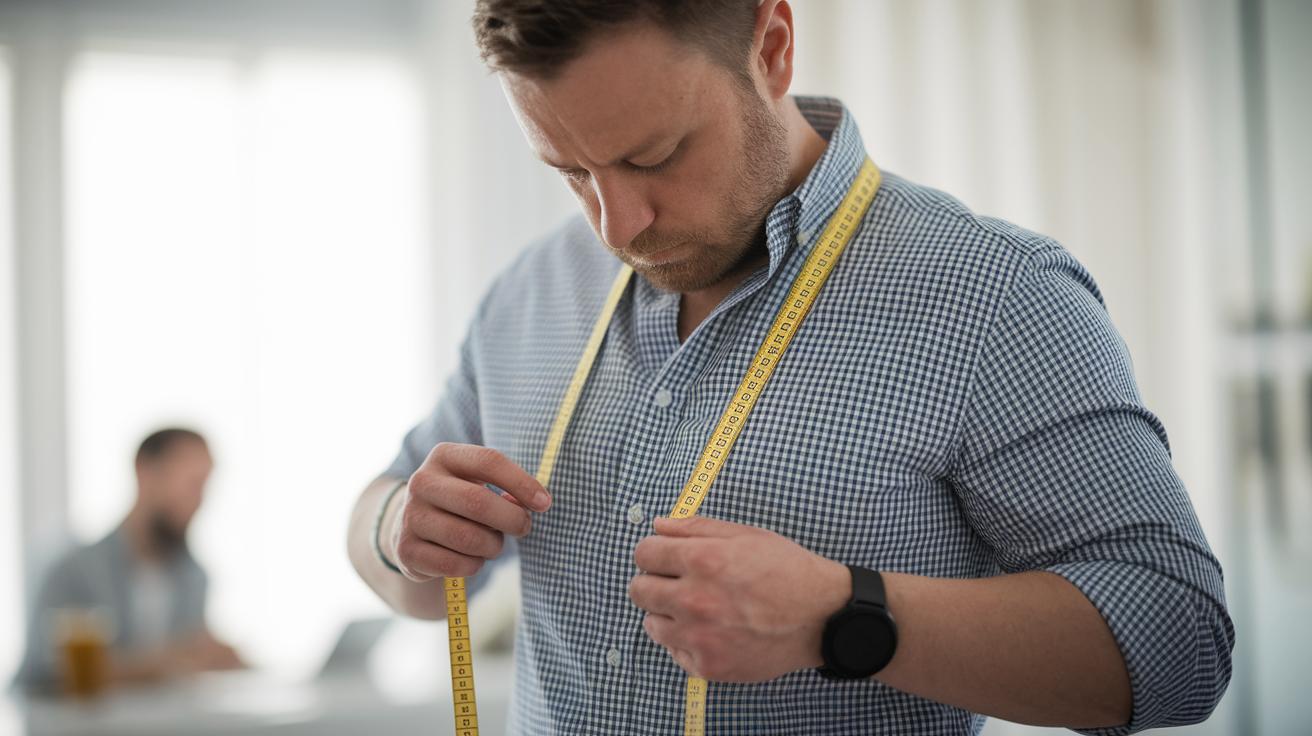
Men in the UK are sized based on your chest, waist, and neck measurements in inches. The usual range goes from XS (around a 34-inch chest) to XXL (about a 46-inch chest). These measurements help you find a fit that feels right.
To measure correctly, start with your chest. Wrap a soft tape measure around the fullest part of your chest, usually just under your armpits. Next, measure your waist by placing the tape around your natural waistline, which is typically above your belly button. Finally, wrap the tape around the base of your neck where it meets your shoulders.
For trousers, your waist measurement is the main guide. Trousers often show the same number as your actual waist in inches. Keep in mind that different brands might add a little extra room, so always double-check their specific guide.
Different fits are available, from classic cuts for a roomy feel to athletic styles for a more trimmed look. Trying on a few styles will help you decide what works best for your body.
UK Sizing Chart: Bras, Rings & Accessories Conversion
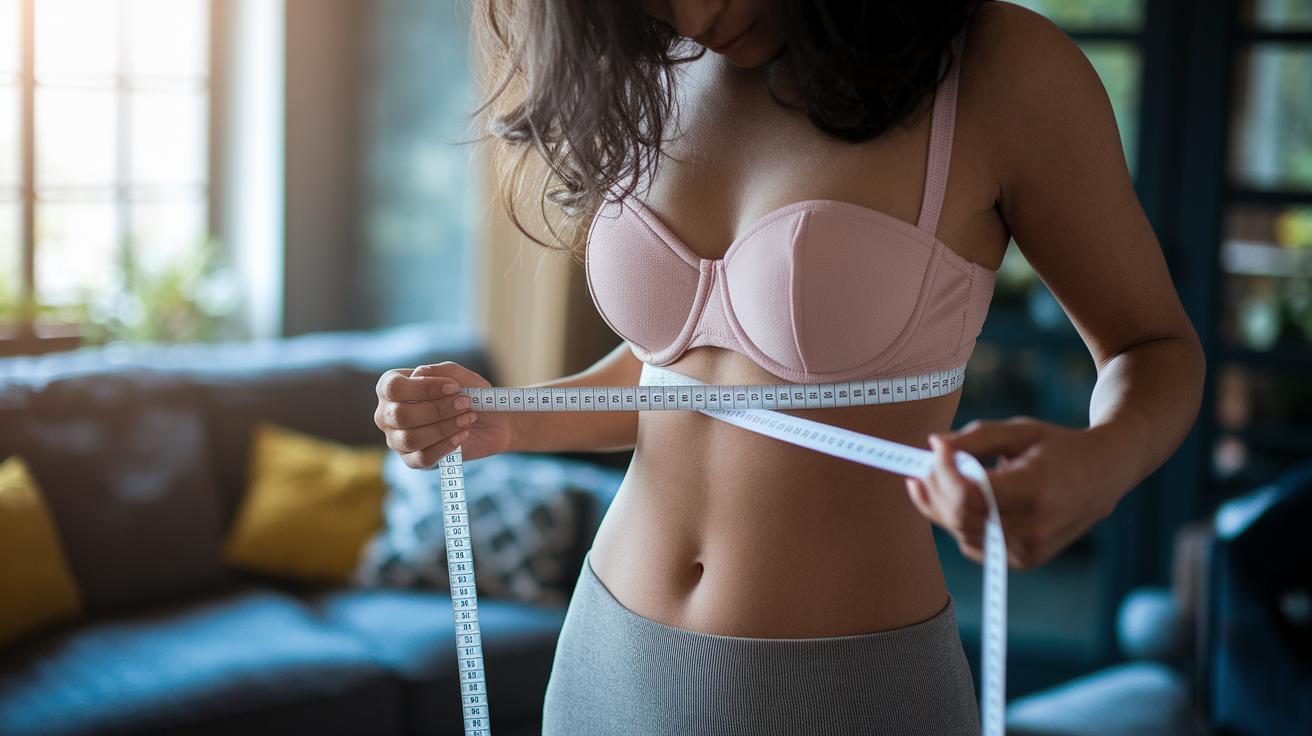
For bras, start by measuring firmly around your chest under your bust for the band size. Then measure around the fullest part of your bust to find the cup. For example, if your underbust measures 34 inches and the bust itself is 36 inches, you might wear a 34B. This method makes it simple to get a supportive fit that feels just right.
UK ring sizes use letters from A to Z, with half sizes available if you need an extra step in precision. Wrap a strip of paper around your finger, mark where it meets, and then measure the length. Compare your measurement to a conversion chart using the UK Letter Standard to pick a ring that fits comfortably without sliding off.
For gloves, measure the circumference of your dominant hand at its fullest point using a soft tape measure. The measurement in inches equals your UK glove size. This easy method helps ensure you have room for movement while keeping your hands snug.
To pick a UK hat size, measure your head in centimeters by wrapping a tape measure around the widest part of your head. Then match your number to a hat size guide. For example, a 56 cm head typically corresponds to a medium size.
Using the UK Sizing Chart: Measurement Tips & Best Practices
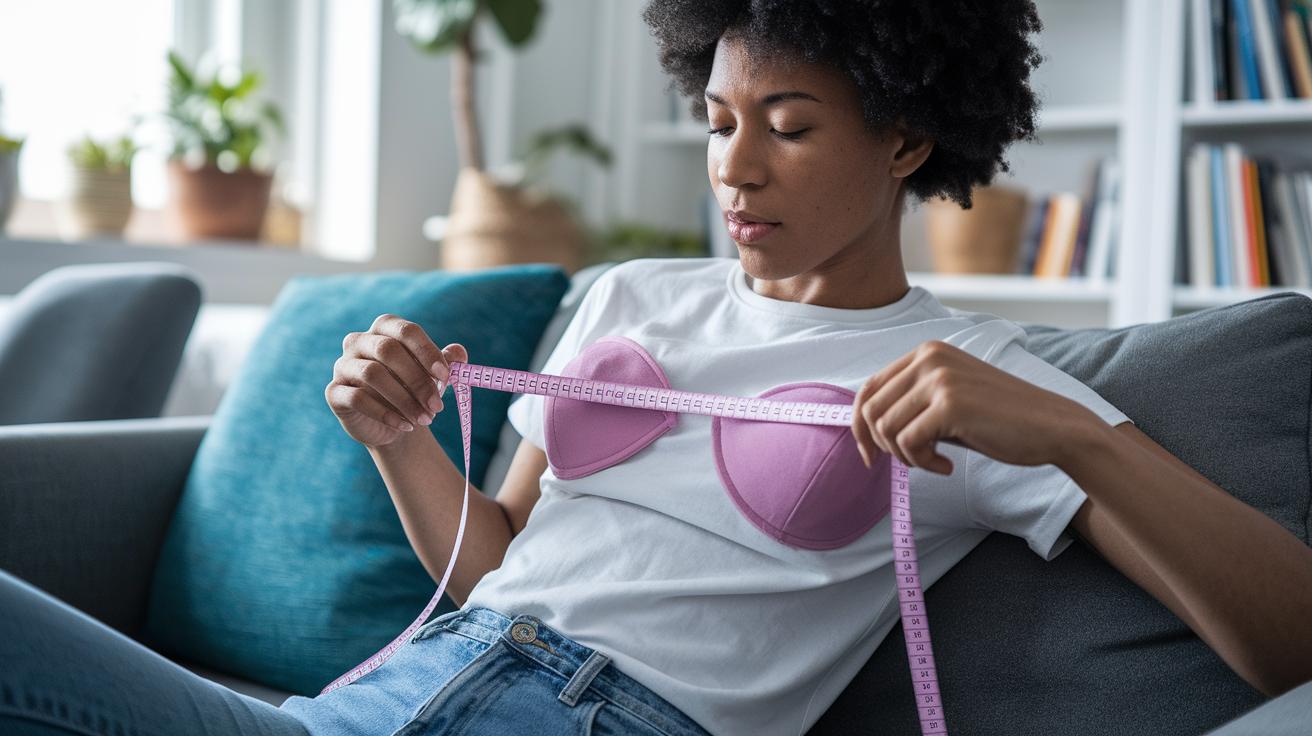
We removed this section to avoid repeating information. Please check the other measurement sections for tips on using a soft tape measure, keeping a good posture, and step-by-step guidance to measure your bust or chest, waist, hips, and foot length.
Final Words
In the action, our guide breaks down UK, US, and EU size conversions for everything from shoes to clothing and accessories. We explained measurement tips and how different systems work so you can compare sizes confidently. Our charts, including the uk sizing chart, help simplify the tricky conversions while keeping brand variations in mind. With clear steps for measuring and converting, you can lower return risks and shop with confidence. Happy finding pieces that truly fit your style and needs.