

Ever wonder if that bag or necklace on your shelf really lasts? Our guide shows you easy steps to check an accessory's strength. We break down how sturdy stitching, quality material, and everyday wear tests can reveal if a piece can handle daily use. Try these simple tests to avoid wasting money on items that wear out too fast. Stick with us to learn how to quickly judge accessory durability and shop smarter.
Essential Steps for Assessing Accessory Durability
To check if an accessory will last, start with clear performance benchmarks. Think about jewelry, scarves, bags, and metal items. Look at the material, how it is put together, and how it stands up to things like weather. These steps help avoid frequent replacements and build trust in the accessory's durability.
Using a planned method is key. It sets a base standard and makes tests repeatable so you can count on the results. Simple tests, whether with basic tools or fancier instruments, mimic everyday wear and tear. This approach follows common industry methods, like pulling on straps or putting stress on decorative features.
- defining criteria
- selecting test setup
- collecting samples
- conducting tests
- recording data
- analyzing outcomes
This simple checklist helps keep quality steady. Think of it as a mini handbook that bridges basic checks with more detailed lab tests. With these guidelines, both buyers and quality teams can be sure that every accessory is built to last, lowering the chance of early problems and keeping customer trust intact.
Evaluating Material Quality for Long-Lasting Accessories
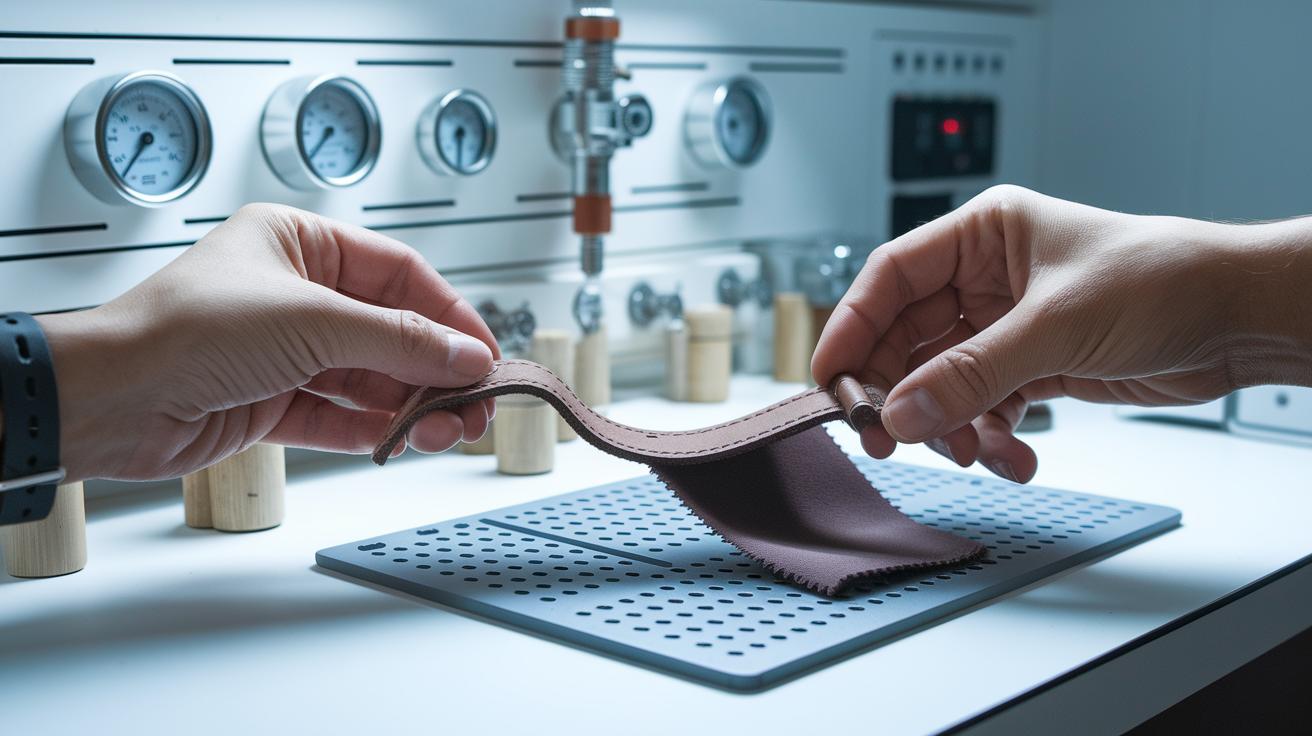
When accessories use poor-quality materials, they can fade, tear, or lose their shape quickly. Low-grade fabrics, metals, or leathers often fall short of durability standards, leading to wear and tear that leaves you disappointed. Testing materials before making products helps spot weak spots early, saving you from problems later.
One way to check a material is by running fatigue tests. These tests mimic everyday handling by repeatedly bending or stretching the item to see how it holds up. For metals, simple oxidation tests, using controlled moisture and light, show if they will rust or if leather will fade. Stress tests using basic tools can reveal how much squeezing or stretching a material can take.
These test results are a clear signal of whether a material is strong enough for long-term use. If a fabric wears out quickly or a metal shows early signs of rust, it’s a sign that the accessory might not last. By comparing these test scores with set benchmarks, you can make a smart choice about the durability of the raw materials for long-lasting accessories.
Testing Mechanical Strength and Wear Resistance in Accessories
We check accessory strength with simple tests that show how materials handle everyday pressure and repeated use. These methods help us know if an accessory will stand up to daily wear.
Martindale Abrasion Test
This test is popular in Europe and Asia. It uses a rubbing motion against a wool surface (wool cycles mean repeated friction) for 12,000 to 100,000 cycles. It mimics how an accessory might be handled and exposed to the elements every day. Testers set up a machine with abrasive wool and carefully position the sample following standard guidelines. This method shows the point at which the material starts to break down.
Wyzenbeek Test
Common in the U.S., this test uses medium-weight cotton duck fabric to rub the sample. It counts how many rubs an accessory can take before it shows wear or cracks. A higher count means the accessory is tougher. This test works for fabrics and even some metal parts or fastenings, making it a handy tool in checking durability.
| Test Name | Method | Standard Cycles | Region |
|---|---|---|---|
| Martindale | Abrasive wool cycles | 12,000–100,000 | Europe/Asia |
| Wyzenbeek | Cotton duck rubs | Threshold-based | U.S. |
Simulating Real-World Usage to Forecast Accessory Service Life
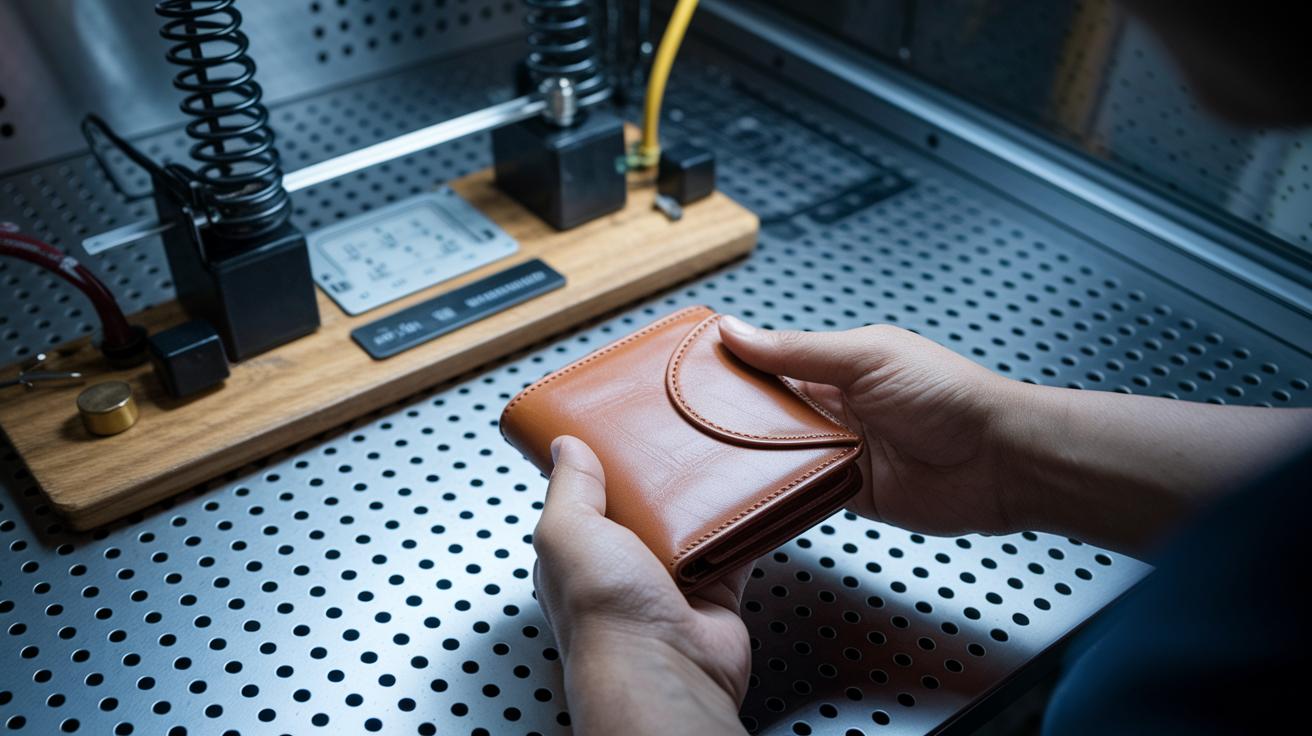
We mimic everyday wear on accessories with timed, repeating tests. By using simple tools like spring scales or kitchen scales, we pull, stretch, and squeeze the item in ways that resemble daily use. For instance, a spring scale can show how a bag strap handles regular stress. Each cycle tells us a bit more about how the material holds up over time.
We also run tests in small weather-controlled chambers. These chambers change conditions to match humid, dry, hot, and cold days. After the item goes through these shifts, we apply manual force to stress weak points. Think of a leather wallet that is first heated, then quickly cooled, and finally given several pulls. This process shows how the accessory might perform under real-world weather changes.
By varying the number of test cycles, we can match our tests to one year or more of normal use. More cycles give a longer view, while fewer cycles simulate a shorter period. We record every cycle and its outcome to better predict how long the accessory will last.
Interpreting Durability Test Results and Benchmarking Standards
Lab tests give you clear numbers like cycle counts, how much stretch (elasticity) is lost, and when cracks first appear. These numbers show when materials start to break down under stress. By checking how many cycles pass before failure and noting the drop in stretch and the start of cracks, quality teams can quickly tell if a product meets the brand's standards. It is important to read these numbers carefully to decide what counts as a pass or fail before mass production.
When you look at test data, try these simple steps:
- Draw graphs from repeated tests to spot early signs of wear.
- Compare your numbers with industry averages to see how things line up.
- Add safety margins to handle unexpected stress.
- Change your limits as you gather more data.
Continual testing is key to getting better. By tweaking your acceptance criteria with new test results, you can be sure your durability standards match real-life use. This regular fine-tuning helps create products that show quality and stand up to daily wear and tear.
Guide to Assessing Accessory Durability: Radiates Quality
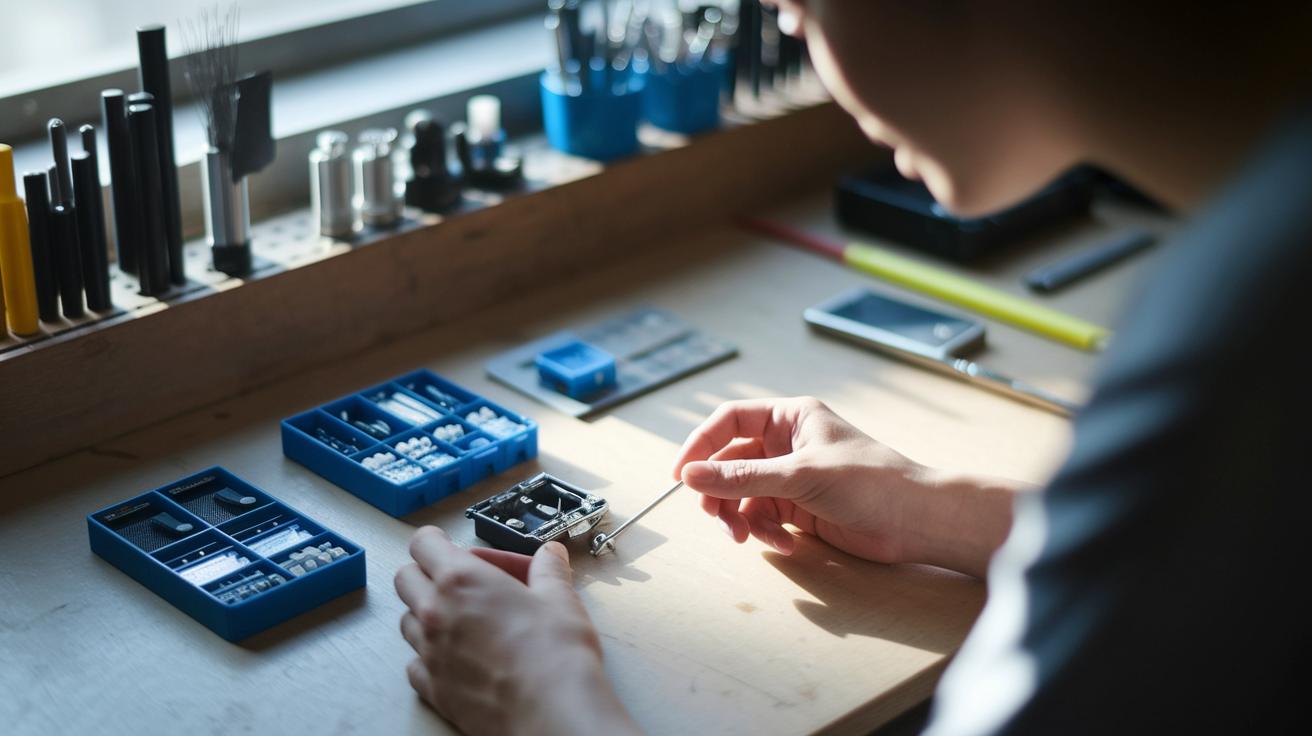
Taking care of your accessories is essential. Regular check-ups and gentle cleaning can help keep them looking good. Using a simple repair kit (a small set of tools to fix issues like loose buttons or small tears) can fix problems before they become big. It helps to set a routine at home or in the workshop to spot issues early.
How you use your accessories is important too. Avoid overfilling your bags and keep metals away from harsh chemicals. Store your items in a cool, dry place and always follow the care instructions. Even small steps can make a big difference over time.
Embracing eco-friendly care methods is a smart choice. Try repair kits and cleaning supplies that are gentle on the environment. For more tips on green practices, check out Sustainable Accessory Ratings Explained. This approach not only keeps your accessories in top shape but also shows the lasting quality of each piece.
Accessory Durability Checklist: Key Criteria to Inspect
This checklist shows five simple tests that help quality teams check how long an accessory will last before shipment. It sets clear steps and goals to make sure products are reliable.
Pull Test
Use a pull gauge (a tool that measures how much force is applied) to test the strength of seams or bonded parts. Slowly pull the accessory until the stitching or glue gives way. This test shows the limit of how strong the join is and if the accessory can handle everyday use.
Fatigue Test
Take two samples from each style and bend, twist, or squeeze them repeatedly. This test checks if parts get weaker over time. If the accessory holds up well, it means the design is strong enough for regular wear.
Stretch Test
Test the elasticity of fabrics or straps following a set guideline from GI to GIII levels. Pull the accessory slowly to see how much it stretches before it loses shape. This confirms that elastic parts will work well over time.
Buttonhole Inspection
Look closely at every buttonhole for secure stitching. Check them visually and by touch. Any mistakes here count as major defects since they can affect how well the accessory works.
Visual Nonconformance Check
Do a final visual check for any signs of poor finishing or assembly problems. Look for missed details that might hurt the accessory's life. This last step makes sure that every piece meets quality standards.
Using this checklist in quality control helps teams find issues quickly, keep standards high, and deliver accessories that work reliably for customers.
Final Words
In the action, you learned to assess accessory durability using clear steps like defining criteria, selecting tests, and simulating real-world use. The post walked you through material checks, mechanical strength tests, and even provided a handy checklist to keep things on track.
Following this framework helps you spot quality issues early. This practical approach to assessing accessory durability boosts confidence in your purchases and keeps your wardrobe reliable over time. Happy shopping!