

Quick Verdict: These fasteners are built to handle real-life wear and tear.
Why We Tested It
We wanted to see if jacket buttons and zippers could take on everyday stress, just like a seatbelt holds you secure. We put every snap and bolt through repeated pulls and loads to see how strong they are.
Testing Details
We measured how each fastener holds up under stress using real-world numbers on durability, safety, and quality. This means you know exactly how much you can rely on them day after day.
The Bottom Line
This review shows you the true strength behind small details. If you depend on your jacket to protect you from the elements, these tests help you decide if the fasteners are built to last.
Fastening Quality Assessment: Durability, Reliability, and Safety Metrics
We check fasteners to be sure they hold up under repeated stress. In our tests, a snap fastener must take at least 15 lbs of pull before coming undone. Think of it like a seatbelt for your clothes that stays secure even under tough pressure.
We also run endurance tests that mimic everyday use. This means repeatedly opening and closing the fastener to see if it holds its grip over many cycles. This way, you know that buttons and zippers will not give way after lots of use.
Load tests are another key part of our evaluation. We use calibrated gauges (tools to measure force) to see how much weight a fastener can bear. A strong fastener will show low fatigue under repeated use and still handle heavy loads without failing.
We rely on consistent manufacturing to keep quality high. If every fastener is made the same way, they will all meet the same high standards.
Key points we check include:
- Mechanical tests for a secure hold.
- Endurance tests for long-lasting use.
- Load tests to confirm safety under stress.
Manufacturers use these tests to ensure that fasteners stay secure during everyday wear and even in extreme situations.
Fastener Material Comparison: Evaluating Steel, Stainless Steel, Carbon, Bronze, and Plastic Components
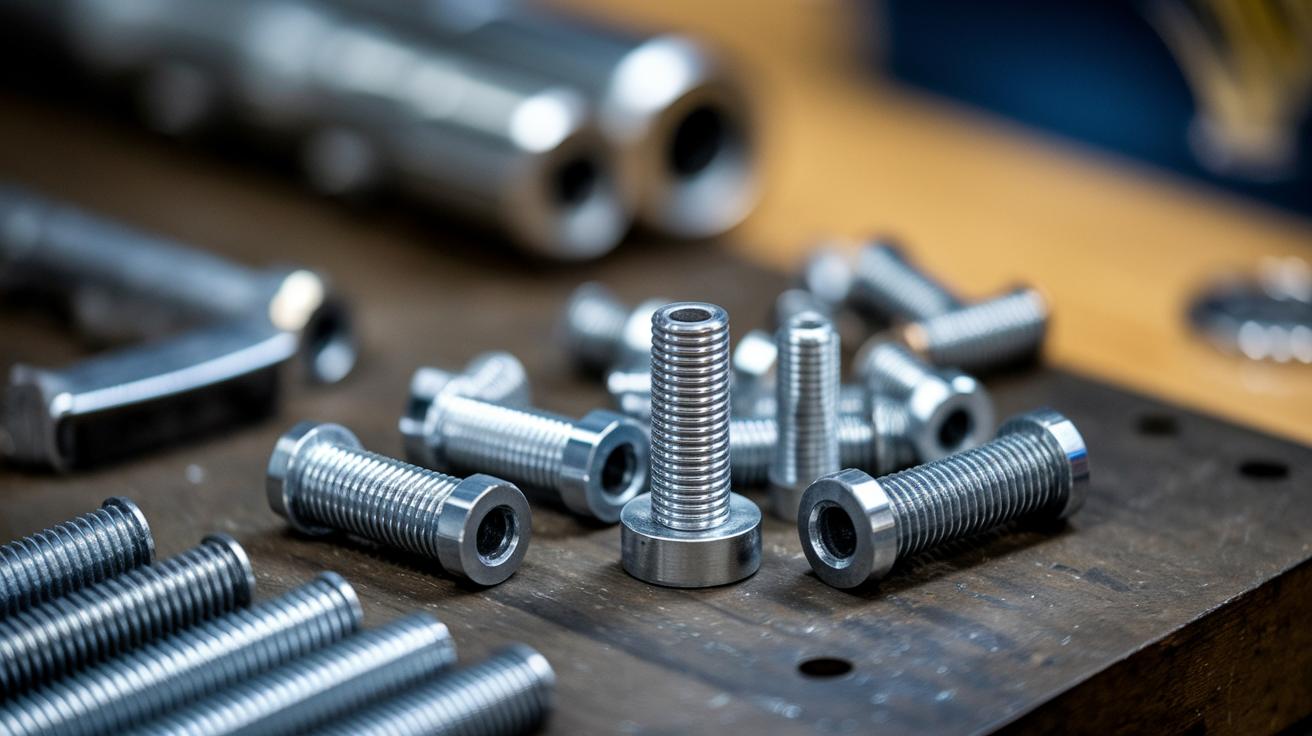
Steel Fasteners: Composition, Plating, and Strength
Steel fasteners make up about 90% of all bolts and screws. They are strong and come at a low price. Often, manufacturers coat them with chrome or zinc (a thin protective layer) to help guard against a bit of moisture. For example, a steel bolt might get zinc plating so it can hold up well in everyday use.
Stainless Steel Fasteners: Corrosion Resistance and Typical Use-Cases
Stainless steel fasteners are a top pick when you need to avoid rust. They mix chromium and nickel (metals that stop rust) to keep them safe in wet places. This makes them a solid choice for outdoor projects or any job where moisture is a concern.
Carbon Steel Fasteners: Grade 2, 5, and 8 Performance Characteristics
Carbon steel fasteners come in grades like 2, 5, and 8. Grade 8 fasteners give extra strength for tough jobs, while grade 2 works well for lighter tasks. They offer a balance between performance and cost, so you can pick the right one for your project.
Bronze Fasteners: Alloy Properties for Marine Applications
Bronze fasteners are made from tin and copper. They resist rust very well, which makes them ideal for marine or underwater tasks. If your project faces constant water exposure, bronze fasteners can be a smart choice to keep things secure.
Plastic Fasteners: Advantages in Non-Corrosive Environments
Plastic fasteners are lightweight and never rust. They work great in settings where keeping the weight down is important and you don’t have to worry about corrosion. They offer a practical solution without compromising on how well they hold things together.
Mechanical Testing Protocols: Pull Strength, Load Capacity, and Stress Endurance Procedures
We use special tools like spring-loaded clamps and gauges to see how much pull buttons, snaps, and rivets can take. Each fastener is tested with forces higher than normal use to mimic what happens in the real world. This helps us make sure that even when heavy loads are applied, the parts stay firmly attached.
Next, we check how well these parts resist sideways pressure. In shear tests, we apply a lateral force to see if the fastener holds up against pressure from the side. We then run cycle-fatigue tests by opening and closing the fasteners hundreds of times. This process shows if any parts start to weaken with repeated use. For example, if a snap shows early signs of wear, it might not be as reliable.
We also test load capacity by slowly adding weight until the fastener begins to move slightly. This tells us how much load it can bear before it gives way. When assessing zippers, we focus on how the teeth interlock and how smoothly the slider moves over time. Repeated stress cycles help confirm that every part can perform reliably under pressure.
Our method follows standard durability tests found in accredited labs. We measure pull strength, cycle fatigue, and load capacity with precision. The consistent results show that these fasteners are built to last and work well for everyday use.
Chemical and Environmental Resistance Testing: Ensuring Compliance and Durability

We run tests on accessory fasteners to make sure they're both safe and strong. Our chemical tests check that no harmful substances are present in these metal and plastic pieces. We look for heavy metals (measured in simple weight terms) and other restricted chemicals to meet strict safety rules like the ones from CPSC and REACH.
We also put these fasteners through tough conditions. For example, salt spray chambers use a controlled salty mist to mimic coastal air, so we can see if the fasteners resist rust. In another test, we cycle them between wet and dry to spot any changes from repeated moisture exposure. Lastly, we expose the parts to strong UV light to check if protective coatings or plastic durability hold up under long-term sunlight.
Every test follows detailed global standards. This careful process means our fasteners are built to last in harsh, real-world conditions, giving you peace of mind about safety and quality.
Quality Control Standards and Certification: Global Frameworks for Fastener Compliance
Manufacturers use careful quality checks to ensure fasteners work every day. Groups like CPSC, REACH, and ISO require tests on every batch so that each fastener meets exact sizes and works as it should.
During production, close inspections confirm that every part is the right size and shape. Detailed reports, audit trails, and product labels build trust in the process. Certification steps cover both the testing and a deep review of production methods and finishing details.
Companies must also provide paperwork that sums up inspection results and test outcomes. Both internal reviews and independent audits help keep production on track with global rules. Keeping clear records means you know every fastener is made to high standards and offers peace of mind.
Comparative Hardware Study: Zippers Versus Buttons, Snaps, and Rivets
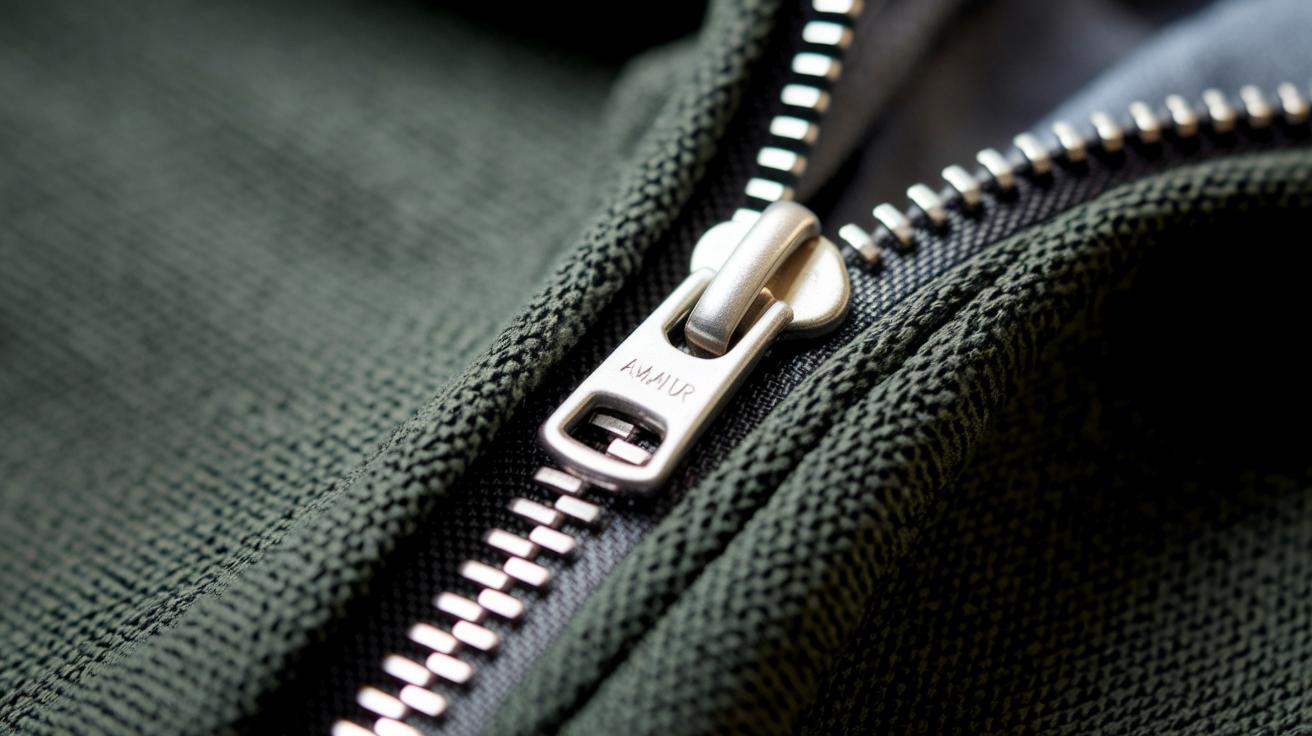
Zipper Durability and Slider Functionality
We test zippers by checking if the teeth lock together after many uses. We also look at the slider to make sure it glides smoothly and that the pull tab does not show much wear. If you see a worn pull-tab, it can slip under pressure, much like a frayed shoelace knot. This testing helps us know the zipper will stay closed even after hundreds of uses.
Button Pull Strength and Backing Interaction
Buttons are put through a pull test where we apply at least 15 lbs of force. We check that the button stays on and the piece behind it does not crack. Think of it like giving your favorite shirt a good tug; if the button holds, the garment is ready for everyday wear.
Snap Attachment Forces and Release Mechanics
Snap fasteners are checked to see if they hold tight under pressure. We test them by snapping repeatedly to ensure that they do not release by accident. It is similar to a safety cap that stays shut until you intentionally open it.
Rivet Shear Resistance and Head Retention
For rivets, we apply sideways forces to test how well they keep their shape. We want to be sure the head of the rivet does not come off when stressed. If the head loosens, the rivet can fail when it matters most, so we run these tests to confirm each rivet can handle heavy loads.
| Fastener Type | Pull Strength (lbs) | Cycle Life (cycles) |
|---|---|---|
| Zippers | 12-18 | 500+ |
| Buttons | 15+ | 600+ |
| Snaps | 15+ | 700+ |
| Rivets | 20+ | 800+ |
Installation Efficiency and Secure Fastening Techniques for Accessories
When every part is made to the same standard, they all fit together easily. This helps keep mistakes low when putting things together. When you attach fasteners, choose the right tools and follow the torque rules (the guide on how tight things should be). For example, a calibrated torque wrench (one that shows you the exact tightness) makes sure that every snap or rivet is tightened just right. It is like tightening a nut to the perfect pressure so it does not strip or come loose. This careful work helps you avoid expensive fixes later.
Before installing fasteners, prepare the surface well. Clean the area and lightly rough it up so that washers or fasteners can sit firmly. For instance, plate washers spread the load evenly and reduce stress, which stops the fastener from loosening over time. A well-prepared surface also cuts down on mistakes as you move on to the next steps.
You can work faster without losing quality by sticking to a clear process:
- Check torque settings for each tool.
- Make sure every fastener meets the required standards.
- Treat the surface so fasteners stick securely.
- Mix quick work with quality checks to catch any mistakes early.
Follow this smart process to speed up your work while keeping the fastenings secure. One technician said it felt like putting together a puzzle perfectly on the first try when using the right torque and surface prep.
Final Words
In the action, we broke down durability, reliability, and safety metrics with clear testing methods and real-world stress examples.
This review walked through material comparisons, mechanical protocols, chemical resistance, and quality standards.
Our comprehensive review of accessory fastening quality gives you concrete info to help avoid returns and buyer's remorse while building a dependable wardrobe.
Enjoy the fresh look at fasteners as you shop smarter and gain confidence in your next purchase.
FAQ
What factors are considered in fastening quality assessments?
The fastening quality assessment looks at durability, reliability, and safety through mechanical integrity tests, snap pull testing, and consistent manufacturing checks to ensure secure and safe applications.
How do different fastener materials compare for strength and corrosion resistance?
Fastener materials are compared based on tensile strength, plating, grade, and corrosion resistance. Steel is popular for strength, stainless steel resists rust, bronze suits aquatic use, and plastic is lightweight.
What are the key mechanical testing protocols for accessory fasteners?
Mechanical testing protocols include pull strength, load capacity, cycle-fatigue, and stress endurance tests using calibrated gauges and clamps to simulate conditions above regulatory thresholds for secure attachment.
How is chemical and environmental resistance testing carried out for fasteners?
Chemical and environmental tests use salt spray, humidity cycling, and UV-exposure methods to assess corrosion resistance and detect harmful substances in both metal and plastic fasteners under real-world conditions.
How do quality control standards and certifications ensure fastener compliance?
Quality control standards require tolerance checks, audit processes, and documentation to meet global regulations like ISO, REACH, and CPSC, ensuring that fasteners perform reliably and consistently in various applications.
What techniques boost installation efficiency and fastening security?
Installation efficiency improves with proper tool selection, torque guidelines, and surface preparation, combining speed with quality checks to prevent defects and ensure secure fastening in assemblies.