

Ever wondered if a high price really means great quality? It takes more than reading the label to tell if a piece of clothing is well made. Good fabric feels soft and smooth, and neat stitching shows the maker cares about the details. When you know what to look for, you save time and money while keeping your look fresh.
In this guide, we share simple tips to help you spot clothes that can handle everyday wear and frequent washes. Get ready to choose smart, lasting pieces for your closet.
Key Indicators of High Quality Clothing
When you spot good quality clothes early, you save money and time while keeping your style sharp. Look for fabrics that feel good and show careful construction. For example, a sweater made from long-staple cotton feels soft and stands up well to everyday wear and washing.
Three main points to check are the fabric, the stitching, and the overall finish. Natural fibers like cotton, silk, linen, wool, and cashmere work great because they drape nicely and hold up over time. Check that the stitching is neat, with about 8-10 stitches per inch, and that seams are twice stitched or neatly finished to prevent fraying. Smooth, wrinkle-free linings add structure, while quality buttons (made from mother-of-pearl or horn) and hand-finished hems show real attention to detail.
Good quality clothes also feel as good as they look. A well-made piece drapes smoothly without any pulling. When you find brands that back their products with warranties, you can trust that the construction is solid. In short, these details make sure your clothes not only look professional but also last through many wears and washes.
Evaluating Fabric Composition for Premium Apparel
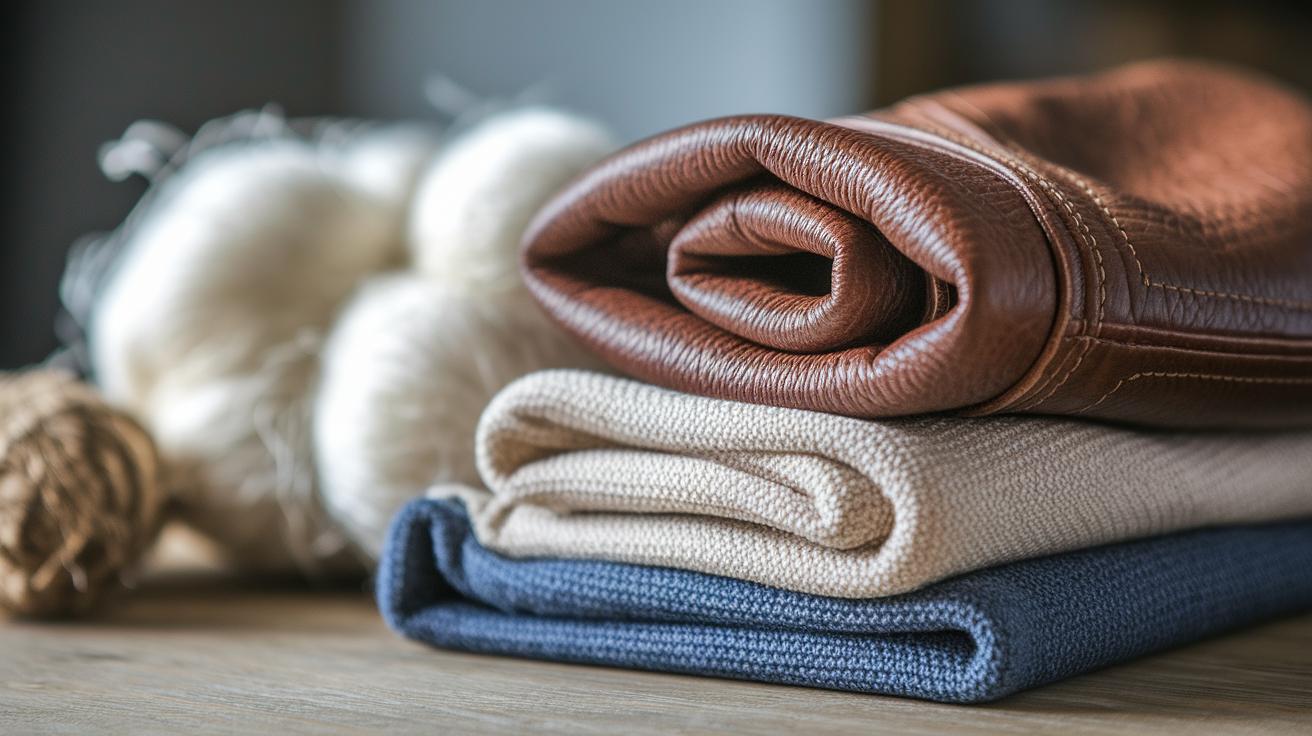
Choosing the right fabric can really change how your clothes feel and last. When a piece is made with quality fibers, it feels soft against your skin, hangs nicely, and can handle everyday wear and washing. For example, cotton made with longer fibers produces a smooth and sturdy cloth, while wool with fibers under 25-30 microns gives a very soft feel that works great for close-to-skin pieces. Even little details like quick-dry linen or full-grain leather that gets better with time add extra comfort. Keeping an eye on these fabric features helps you pick clothes that look and feel premium and stay in good shape for longer.
Natural materials like cotton, linen, wool, and leather tend to offer a richer touch and better drape compared to many blends. At the same time, blends with synthetic fibers can boost durability and add stretch without losing comfort.
| Fabric Type | Quality Indicator | Typical Measurement/Note |
|---|---|---|
| Cotton | Long staple length | Smooth and strong cloth |
| Linen | Consistent quality | Breathable and quick-dry |
| Wool | Fiber diameter below 25-30 microns | Softer feel for garments |
| Denim | Heavier weight | Resists wear, premium selvedge |
| Leather | Full-grain surface | Natural texture, ages well |
| Synthetic Blends | Balanced durability | Enhanced stretch and resilience |
The mix of fibers in a fabric really affects how long a garment lasts and what it feels like to wear. More natural fibers mean it will be more breathable and soft, while adding synthetics can help with stretch and durability. When you shop, take a look at the fiber content labels and compare types. This way, you can choose pieces that feel luxurious and perform well over time.
Inspecting Stitching and Seam Quality in High-End Clothing
The seams hold your clothes together and show the care put into making them. When you check the stitches, you see how much effort went into the design. Look at every seam closely because these details tell you if the garment can handle daily wear and repeated washes.
| Detail | Description |
|---|---|
| Stitch Density | 8 to 10 stitches per inch with neat, even spacing |
| Seam Style | Flat-fell and French seams lay flat and resist catching on things |
| Extra Reinforcement | Double-stitched hems and reinforced seams guard against stress |
| Bartacks | Bartacks at pocket corners, belt loops, and fly ends add extra strength |
| Thread Color | Thread that matches or complements the fabric to keep the look subtle |
| Artisanal Touch | Hand-stitched hems show extra care and skill |
Watch for loose or uneven stitches, as they can lead to seams that split under pressure. Skipped or irregular stitches may unravel over time, lowering the garment's durability. Also, if the thread stands out harshly against the fabric, it signals rushed work that can distract from the overall design. Checking these details helps ensure your clothing keeps its shape and appeal wear after wear.
Assessing Garment Construction and Tailoring Precision
Pattern Matching and Grain Alignment
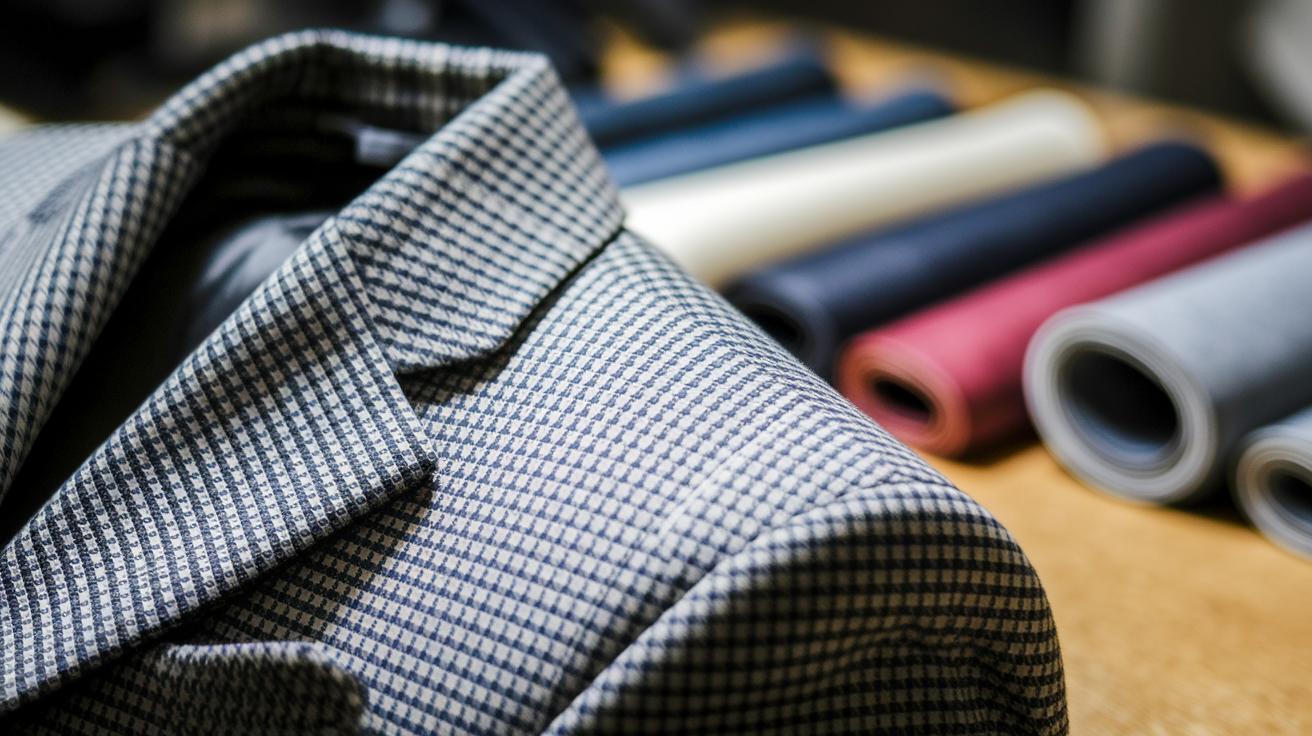
When you see plaids or stripes lining up at the seams and pocket edges, you know the piece was made with care. This kind of match means the cutter used about 10-15% extra fabric to line things up right. The extra fabric helps the cloth hang smoothly on the body and gives the garment a neat look. For example, a jacket with patterns that align at the button placket looks more polished and shows the maker paid attention to every detail.
Self-Facing and Seam Allowances
Look for self-facing details on parts like plackets, collars, and cuffs. Self-facing uses the same fabric as the garment to cover raw edges, which keeps the edge smooth and strong. Good garments also use well-measured seam allowances (the extra fabric inside the seam) to keep their shape. Lighter fabrics often use a seam allowance of about 3/8" to 1/2", while heavier fabrics use around 3/4". When you see a snug, neatly finished self-facing at the waist, you can tell the design was thought through to boost both style and durability.
Reinforcement and Structural Support
Strong garments have added touches like interfacing (a layer that supports the fabric) and shoulder pads. These features help the piece keep its shape, especially for structured items like jackets. Extra details such as bartacks (small reinforced stitches) at pocket corners and belt loops also help the garment hold up over time. A well-placed shoulder pad lets you move naturally without losing the silhouette, proving that the secret to a good fit is in the little things that you might not even notice.
Examining Fine Design Details and Finish Elements
When you hold a well-made garment, its fastenings tell a clear story of quality. Designers often choose natural buttons made from materials like mother-of-pearl or horn that sit flat and don’t break easily. Zippers are hidden neatly under fabric flaps and sometimes come with a backup, like a hook-and-eye or snaps, to add extra security. A smooth, flush button is a small sign that every detail was planned with care.
The pockets and linings also show quality craftsmanship. When pockets are cut from the same tough fabric as the rest of the piece instead of a softer lining, you know they’re built to last. Smooth, wrinkle-free linings made from materials such as cupro or silk add structure and make the garment more comfortable to wear. A quick peek at the lining can reveal if the maker kept quality in mind throughout.
Finally, the trim, embroidery, and other finishing touches complete the look. Extra buttons, sequins, or simple trims meant for easy repair show that thought went into every little detail, without overdoing it. Intricate embroidery confirms that care was taken during production so the piece not only looks good but is ready for everyday wear.
Fit, Brand Reputation, and Price-Quality Trade-Offs
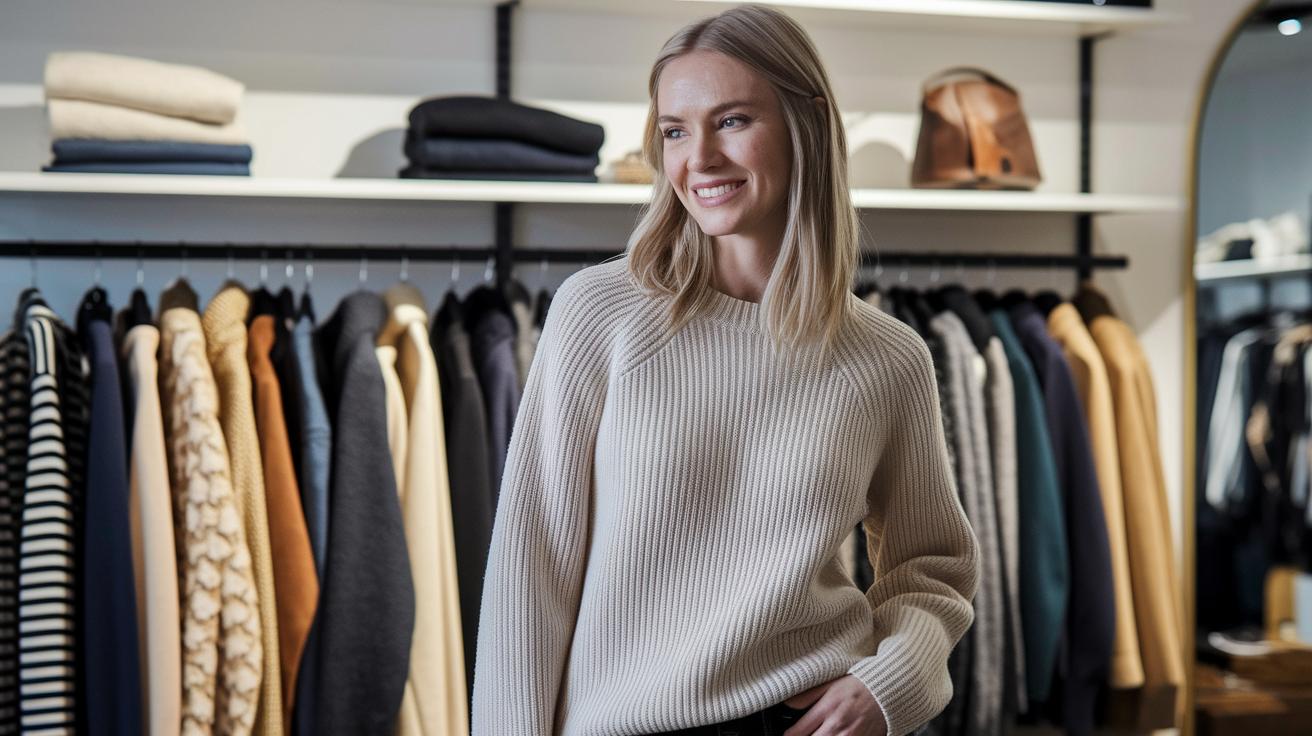
A good fit means the garment sits right on your body, draping smoothly without pulling or gaps. When you try on a quality piece, it moves with you and feels comfortable. For example, a well-fitted sweater sits relaxed on the shoulders and flows easily down the arms.
A trusted brand can also mean good quality. Known names usually back their clothes with warranties and reliable service. They focus on details like strong stitching and durable fabrics, which you might see hinted at with care labels recommending hand-wash or dry-clean.
Price alone doesn’t tell the full story of quality. Often a higher price reflects better materials and skillful construction. But many mid-range labels also offer great fit and finish. Look for pieces that promise long-lasting wear and are easy to care for, and you are likely making a smart buy.
Performing Practical At-Home Tests for Clothing Durability
Try a few simple tests at home to see how tough your clothes really are. First, do the scrunch test. Wrinkle up a piece of fabric and then let it go. If it bounces back quickly, that shows the fabric is strong, wool blends and quality synthetics usually do well.
Next, perform an abrasion test. Rub a small area about 10 times. This will help you tell if the fabric might pill or get fuzzy with wear. Then, try a stretch recovery test by gently pulling on the fabric. A good fabric returns to its original shape without staying stretched out, which means it has strong pull (tensile strength).
Also, take a close look and feel the material. Heavier fabrics often stand up to wear better than lighter ones. Run your fingernail lightly over the surface to check for any snags or loose fibers. Watch for signs of shedding or uneven texture as these might be clues that the fabric isn’t as sturdy as it should be.
These hands-on tests give you a clear idea of the fabric’s weight, resistance to abrasion, and overall durability, so you know if it’s built to last.
Final Words
In the action, we broke down what marks superior garments, from standout fabrics and precise stitching to meticulous tailoring and practical at-home tests.
We explored fabric choice, even testing durability, and showed how fit and brand trust factor into your decisions.
Each tip helps you learn how to spot high quality clothing in real time and avoid buyer's remorse.
Step into your next purchase with solid guidance and renewed confidence in your smart choices.
FAQ
How to spot high quality clothing online, via Reddit, or in women’s fashion?
When spotting high quality clothing online, check fabric type, even stitching, and clean finishes. Reddit advice often highlights trusted brands and careful construction, while women’s styles require proper fit and detailed craftsmanship.
How to describe the quality of clothes and tell if they are high quality?
Describing quality clothes means noting durable, natural fibers, even stitching, and neat finishes. High quality items show reinforced seams, premium buttons, and refined linings that indicate solid construction.
What are high quality materials for clothing and what does a fabric quality chart show?
High quality clothes are made from materials like cotton, silk, wool, and linen. A fabric quality chart outlines key details such as weight, weave, and finish to help assess durability and feel.
What makes high quality fabric clothing brands stand out?
High quality clothing brands stand out with premium fabrics, precise tailoring, and consistent construction. Their pieces feature strong seams, quality fastenings, and well-considered design details that boost longevity.
What is the 3-3-3 rule for outfits?
The 3-3-3 rule for outfits suggests balancing your look by choosing three key pieces from each category for a harmonious, uncomplicated style that feels both casual and put-together.
What is the 5-5-5 rule for clothing?
The 5-5-5 rule for clothing simplifies styling by limiting each outfit to five garment pieces, five accessories, and five colors. This method helps maintain a focused, clean look without overcomplicating the outfit.
Is 90% cotton 10% elastane a good blend?
A blend of 90% cotton and 10% elastane offers softness, breathability, and stretch. This combination provides comfort and a flattering fit, making it a practical choice for everyday wear.