

Ever wondered why some vintage accessories pop compared to modern ones? There's a hidden charm in the little details. We looked at items made from 1925 to 1975 to show you how to spot quality marks, unique fastenings, and the real wear that tells a story. By checking clues like maker marks and special hardware, you can learn what makes a genuine vintage piece special. Let’s explore these quality details so you can shop smarter for that timeless look.
Essential Criteria for Identifying Quality Details in Vintage Accessories
Vintage accessories are items made between 1925 and 1975. These pieces are 50 to 100 years old and have a unique feel compared to today's fast-made items. For example, a jewelry piece from the 1940s might use a fishhook clasp that you can feel, giving a direct touch of the past.
Collectors and fashion fans need to go beyond what meets the eye. It isn’t just about how the accessory looks. You also need to check the materials, look for maker's marks or purity labels, and notice special crafting techniques. This helps you tell a genuine vintage piece apart from something modern.
Key points to check include:
- Materials and hallmarks: Look for purity marks, maker’s marks, or assay stamps that show when it was made.
- Manufacturing techniques: Notice unique fastenings like lobster claws or barrel clasps that were popular in a certain decade.
- Design motifs: See if the details and patterns match trends from the 1920s to the 1970s.
- Wear patterns and patina: Natural scratches, dents, and tarnish can show the true age of the piece.
- Provenance: Check for brand histories and design details that support it being an authentic vintage item.
By combining these clues, you get a clear picture of the accessory's history and quality. The materials, construction, and age signals all work together to prove its vintage value. This thorough approach gives you the confidence to enjoy accessories that carry real historical charm.
Evaluating Materials and Construction in Vintage Accessories
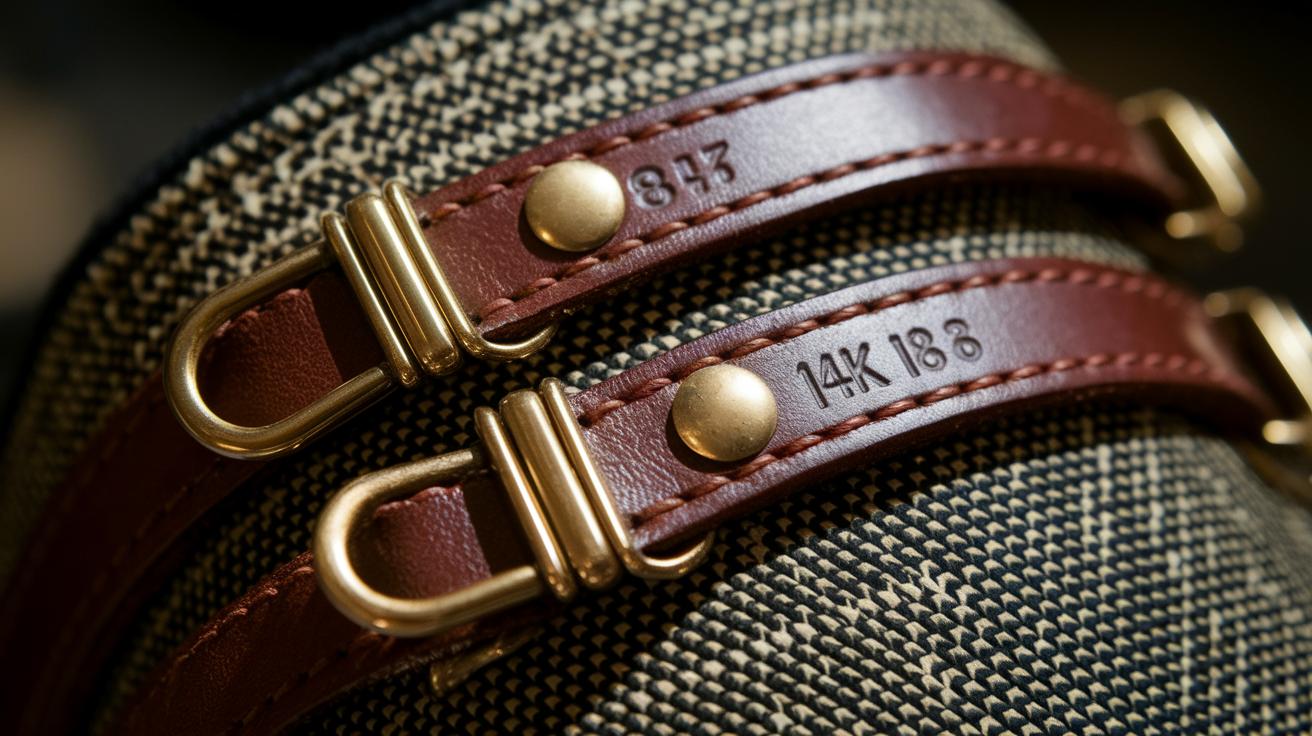
When you check a vintage accessory, look at every detail up close. Real leather has a steady grain and a natural patina that deepens with use. Fabrics show a consistent weave that feels true, without any modern fixes. Metal parts often carry stamps like 14K or 18K along with maker marks that hint at age through subtle wear. Even the hardware tells a story: early pieces might use lobster claw clasps, mid-century items often feature fishhook designs, and later works include barrel or box clasps.
Leather and Fabric Quality Indicators
Feel the leather for a smooth, natural texture with a patina that grows richer over time. Check fabrics to make sure the weave is even and free from signs of repair.
Metal Workmanship and Hallmarks
Look at the metal details for purity stamps and maker marks. Faded or worn markings on plated surfaces can show that the piece was made with traditional methods.
Hardware and Fastening Methods
Notice the type of clasps and hinges used. Lobster claw fastenings point to early styles, while fishhook and barrel clasps suggest a mid-century design.
Stitching, Lining, and Edge Finishes
Good craftsmanship shows in uniform stitching, complete linings, and well-finished edges. These details confirm the care and skill behind a true vintage accessory.
Recognizing Distinctive Design and Style Cues in Vintage Accessories
Vintage accessories show off their history with clear style cues that tell you about a specific time. Many items carry design touches that point to trends and techniques from decades past. Look at the patterns, logos, and mix of materials, they all help place a piece in its own time.
Era-Specific Motifs and Patterns
Accessories from the 1920s often dress up in Art Deco style, using simple geometric shapes and sunburst designs. Pieces from the 1930s and 1940s might be made with materials like Bakelite (a type of old plastic) or tortoise shell. Even earlier items can have Victorian-inspired floral prints and delicate lace details. A charm or brooch can easily reveal the era that inspired its design.
Brand Signature Elements
Big luxury names leave their mark on accessories. For example, Louis Vuitton’s monogram canvas has been iconic since the late 1800s. Similarly, Gucci’s horsebit buckle, first seen in the 1950s, still stands out as a classic design. These unique hints help show that the accessory is not only genuine but also rich in history.
Color and Material Pairings
Vintage pieces often mix colors and materials in smart ways. Enamel paired with gold-tone hardware was a big hit, while mid-century sunglasses sometimes sport bold acetate frames. These thoughtful pairings give the item a look that signals its era and the careful craftsmanship of the time.
Assessing Wear Patterns and Age Markings on Vintage Accessories
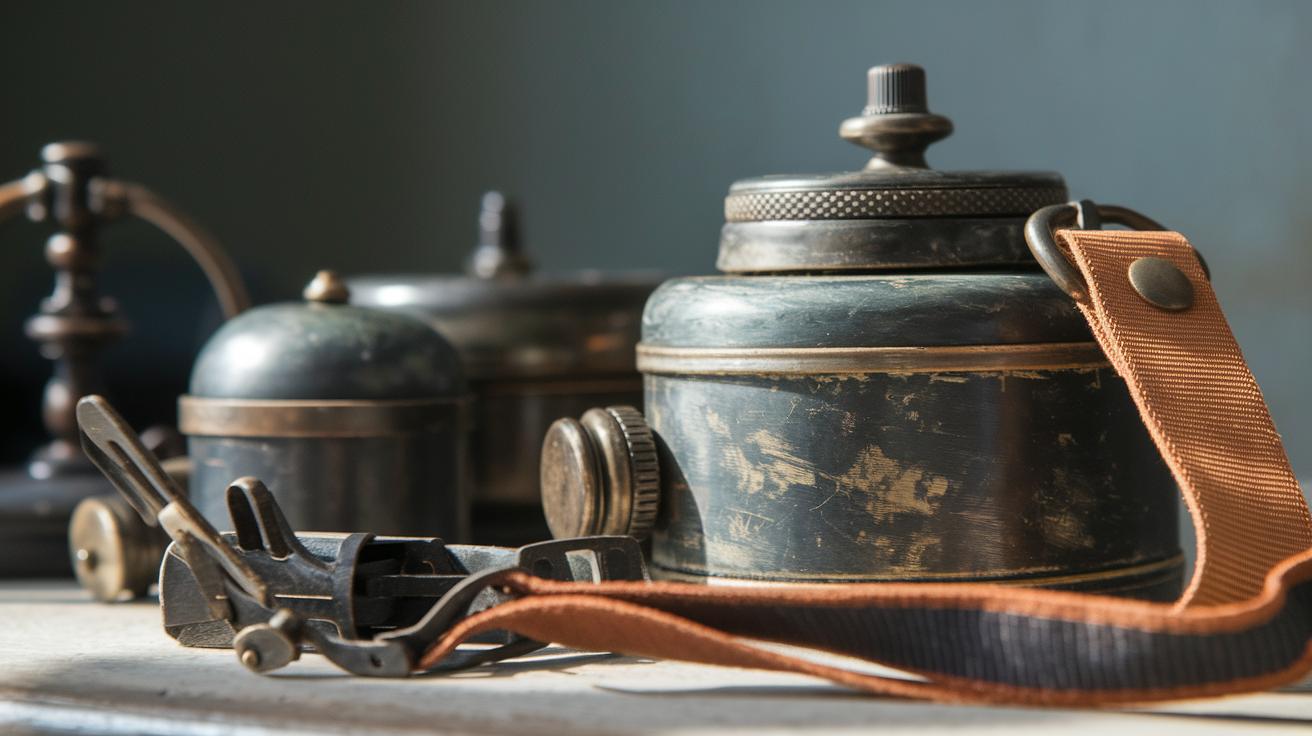
When you check out vintage accessories, metal parts show natural signs of age that come from real use. Genuine wear shows up as a soft patina that develops over time. Look for tiny scratches on gemstones and a slight loss of shine that happens gradually. Real metal pieces wear unevenly and show marks that tell a story. In contrast, fake aging often looks too even and planned.
Leather and fabric also tell their history. Real leather may develop soft, tiny creases and feel more comfortable with wear. Fabric parts, like straps, often fade with sun exposure. These natural changes indicate true age and history that forced aging rarely mimics. If you see brass hinges that feel deliberately loose or scratches that look too regular, it might be a sign of artificial distressing. Look closely for these details to tell genuine vintage charm apart from a superficially aged piece.
Leveraging Historical and Brand Information for Vintage Accessories Authentication
Digging into vintage accessories means checking old documents, catalogs, and hallmark guides to gather clues about a piece's age and origin. When you match known production dates with specific design details, it becomes easier to tell if an item is genuine. For instance, Christian Dior’s New Look hardware was used between 1947 and 1960, and Louis Vuitton’s trunk locks came into play before 1965. Look for Tiffany & Co. silver marks like "925" (a sign of quality silver), or the unique mystery-setting patents from Van Cleef & Arpels found in the 1930s. Even Gucci’s horsebit, which first appeared in 1953, points to a vintage era. These clues help narrow down the age and boost your confidence in the piece's authenticity.
| Brand | Hallmark or Marking | Era Range | Distinct Feature |
|---|---|---|---|
| Christian Dior | New Look hardware | 1947–1960 | Signature modern design |
| Louis Vuitton | Trunk locks | Pre-1965 | Classic travel accessory detail |
| Tiffany & Co. | Sterling silver marks “925” | Various | Reliable purity indicator |
| Van Cleef & Arpels | Mystery-setting patents | 1930s | Innovative setting technique |
| Gucci | Horsebit detail | Introduced in 1953 | Iconic hardware element |
Once you've checked these details against vintage catalogs and hallmark records, it's smart to get a certified appraiser to take a look. An expert can assess the item's condition and confirm its authenticity. Mixing your own research with professional guidance makes sure that every detail, from trademarks to how the piece is built, fits its documented history. This careful approach lets you shop with more confidence and protects your investment in real vintage quality.
Expert Tools and Techniques for Quality Inspection of Vintage Accessories
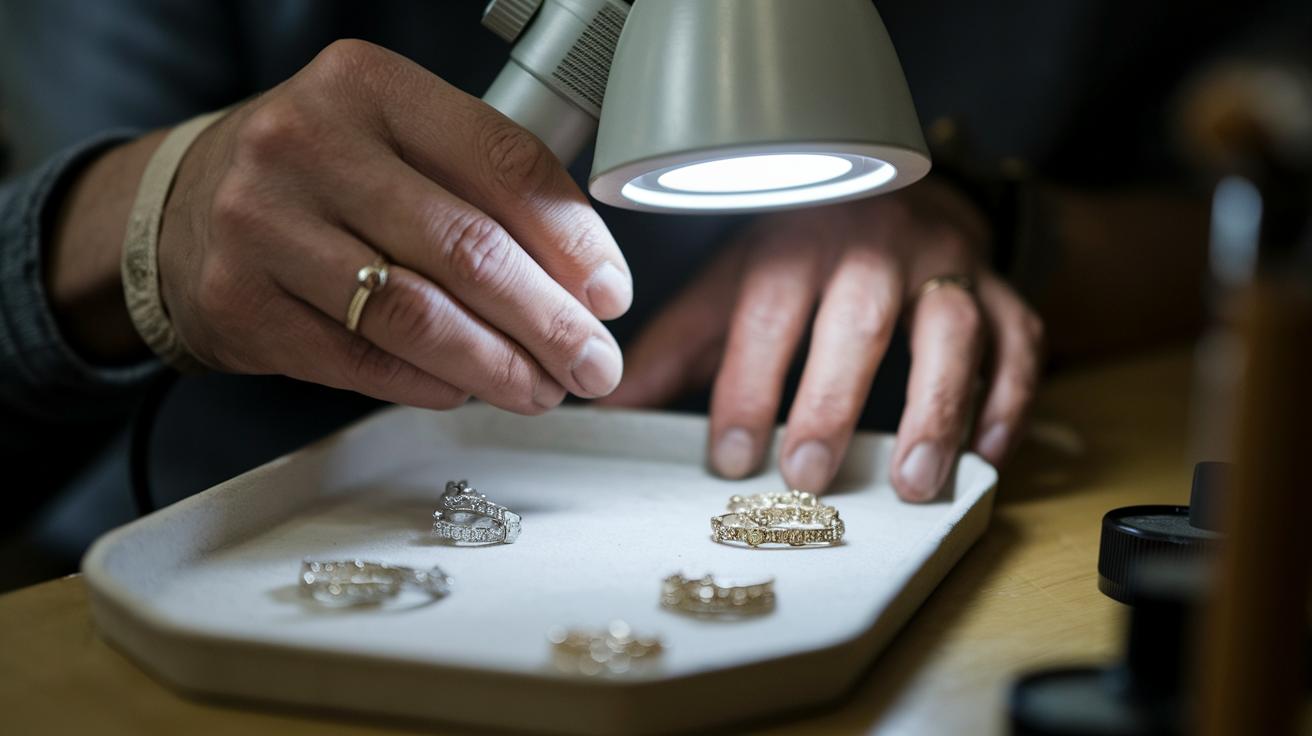
A jeweler's loupe (a small magnifying glass that makes things 10 times bigger) is a key tool to spot tiny wear marks and find real hallmarks. A UV lamp is handy to spot modern glues or repair work that shows the piece has been fixed up. Acid testing kits help check if gold or silver is pure (the acid reacts with the metal), while a magnet test quickly tells you if there are any hidden iron parts. A soft-bristle brush gently sweeps off dust and dirt without scratching the accessory. These simple devices let you see details you might miss with just your eyes.
Start by cleaning the piece with a soft brush to get rid of any dust or dirt that can hide small flaws. Then, use the jeweler's loupe to look closely at important marks and check for any changes in the metal using the UV lamp. If needed, do a quick acid test on a small, hidden area and run a magnet over the metal parts to see if unwanted alloys are used. This step-by-step check makes sure every part is looked at carefully before deciding if the vintage accessory is in good shape.
Final Words
In the action, we broke down essential criteria for identifying quality details in vintage accessories. We reviewed how genuine wear, hallmark marks, and era-specific design cues all play a role in confirming authenticity. We also shared practical tips on examining materials, construction, and historical clues with basic testing tools.
The guide aims to help you choose pieces that hold true to their vintage charm. Enjoy exploring these timeless finds with confidence.
FAQ
How can I identify quality details in vintage accessories online?
Identifying quality details in vintage accessories online means checking hallmarks, authentic materials, natural wear patterns, and documented provenance with dedicated guides and trusted online databases.
Is there an online tool or app to identify vintage jewelry by photo?
Using an online jewelry identifier app or free tool lets you upload a photo of your vintage piece so that the tool can match maker’s marks and design details to help determine authenticity.
Where can I find a free database of jewelry maker’s marks?
A free jewelry makers marks database online provides searchable lists of hallmark details and maker signatures, making it easier to verify and compare details on your vintage jewelry pieces.
What does the 2:1:1 rule for jewelry mean?
The 2:1:1 rule for jewelry means that a balanced piece typically features two parts metal to one part gemstone and one part design detail, creating a proportional and pleasing look.
How can I identify authentic vintage jewelry?
Identifying authentic vintage jewelry involves checking for period-specific hallmarks, natural aging, design cues, and provenance, often using specialized identification guides and reputable online resources.
How can I tell if vintage jewelry is valuable?
Telling if vintage jewelry is valuable means assessing quality of materials, condition, confirmed maker marks, and documented history, which all contribute to a piece’s collectible appeal.
What does “GF” mean on jewelry?
“GF” stands for gold filled, indicating that the jewelry has a thick layer of real gold bonded to a base metal, offering a more durable finish than simple gold plating.