

Do cushioned shoes really change the way you walk, or is comfort just a myth? We looked into designs using old-school foam, modern air cells (small pockets of air that soften your step), and gels that cushion each impact. Designers have spent years testing these layers to help reduce joint stress and add a spring to your step. It turns out that the secret to a smooth and supportive ride might be hiding in the midsole.
Footwear Cushioning Technology: Ultimate Comfort Benefits
At the heart of every comfy shoe is the midsole. This part is designed to soak up impact and give a little bounce back with every step. Back in the 1970s, runners needed better support when jogging on hard surfaces, and that led to the birth of cushioning technology.
Today, midsoles use layers of foam, air cells, gel, and TPU (a tough plastic known for its cushioning properties) to make your walk or run smoother. Each layer works its own way: foam and EVA (a light, bouncy material) help absorb the shock, while TPU pellets and semi-fluid gels target pressure points to soften your step.
This mix of old and new tech not only cushions your landing but also returns energy as you push off. The result is a smooth ride that eases joint stress and keeps you moving comfortably, all without sacrificing style or durability.
Materials Driving Impact Absorption in Footwear Cushioning
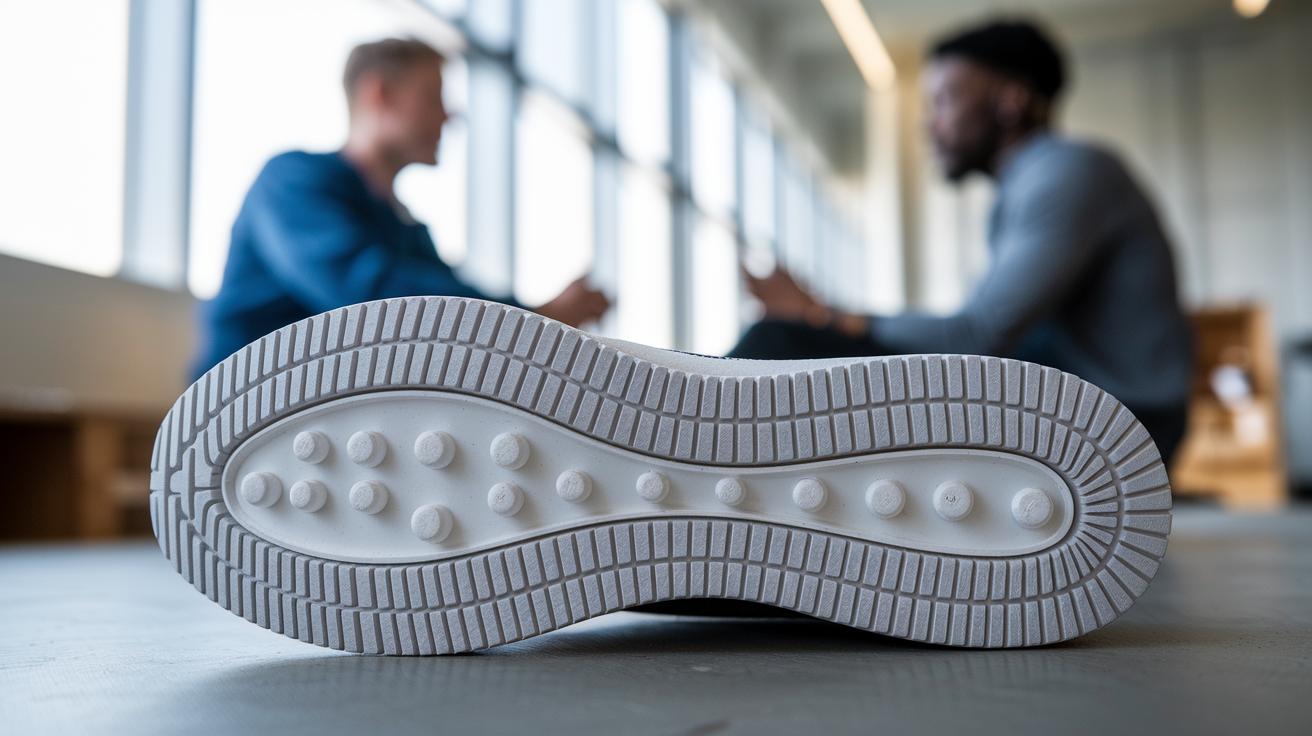
EVA foam was first used in the 1970s because it is light and takes shock well. It works like a cushion under your feet, making each step feel smoother. Think of it as the quiet supporter in your shoes that keeps you moving comfortably all day.
Adidas BOOST, launched in 2013, uses thousands of tiny TPU pellets (TPU is a tough, bouncy plastic) to give a big energy kick with every step. It feels like walking on a bed of little springs that push you back up as you move.
ASICS GEL arrived in 1986 and added a soft silicone gel to EVA foam. This mix cuts down vibrations and lessens impact so that your foot feels safe and steady, much like water gently soaking up a ripple.
In 2017, Nike React and ZoomX came out with new ultra-light foams inspired by airplane materials. They are both strong and featherlight, which means your shoes stay responsive without feeling heavy. New Balance Fresh Foam, which debuted in 2014, and Hoka’s bigger foams focus on keeping the shoe light while still giving plenty of bounce.
Each material is designed to absorb impact and return energy, keeping your stride comfortable and quick through any activity.
Design Strategies in Footwear Cushioning: Stack Height and Heel-to-Toe Drop
When we talk about cushioning in shoes, "stack height" means the thickness of the midsole under the heel. For example, if a shoe has a 32 mm heel and a 6 mm drop, then it gives you 26 mm of cushioning at the front of the foot.
There are three main cushioning styles. Maximum cushion shoes come with a stack height of 35 mm or more and help reduce shock with every step. Over-cushioned models, with a stack height between 25 and 35 mm, offer a mix of softness and ground feel. Traditional cushioned shoes are made with less than 25 mm of cushioning, which keeps your foot closer to the ground for better stability.
Zero-drop shoes have the heel and forefoot at the same level, supporting a natural foot strike. Many everyday trainers have a drop of 4-8 mm. This design gives a bit of energy return (a little spring-like boost) and steady contact with the ground. Lower drops boost stability and help you feel your step, while higher stacks are built to lessen impact forces and protect your joints during high-impact activities.
Think of your midsole as a spring. A well-matched drop not only soaks up shock but also helps push you forward, much like a gentle start off the line. Adjusting the stack height and heel-to-toe drop lets you fine-tune your performance, whether you need extra stability for quick turns or more cushioning for long, cushioned runs.
Brand Innovations in Footwear Cushioning Technology
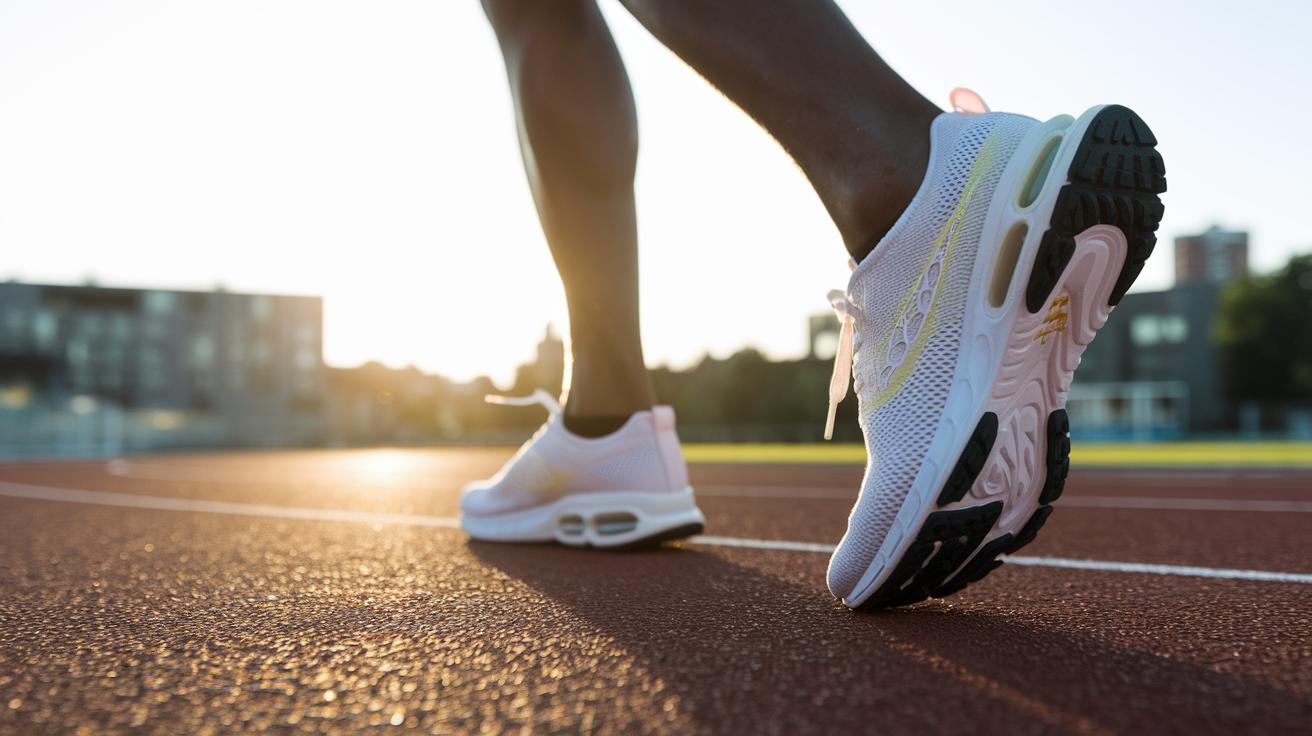
Cushioning in shoes has come a long way. In the beginning, designs used simple air-cell methods. Today, we see soft foam blends, dual-layer designs, and special air cells that soak up shock and bounce energy back with every step.
Over time, brands started to add extra features like adjustable midsoles and unique foams that help lower joint stress. Each new idea built on old ones to make shoes feel more comfortable and supportive for different activities.
| Brand | Year | Technology | Core Benefit |
|---|---|---|---|
| Dr Martens | 1960 | AirWair | Encapsulated air for work-boot comfort |
| Nike | 1972 | Sponge Rubber | Early cushioning for running shoes |
| Nike | 1979 | Nike Air | Pressurized gas units to absorb impact |
| adidas | 1984–86 | Vario Shock and A.P.S. | Customizable midsole support using adjustable parts |
| ASICS | 1986 | GEL | Semi-fluid gel inserts to cut down impact and vibration |
| New Balance | 1985 | ENCAP | EVA foam with a PU rim for extra stability |
| adidas | 2013 | BOOST | TPU pellets deliver high energy return and cushioning |
| Nike | 2017 | React/ZoomX | Ultra-light, durable foams inspired by aerospace materials |
| Hoka | 2017–20 | ProFly/ProFlyX | Oversized foams for strong propulsion and responsive cushioning |
| Saucony | 2020 | PWRRUN | Special PEBA foam made for quick energy return |
This timeline shows how each breakthrough built on earlier ideas to create cushioning systems that both absorb shock and push energy back as you move. Thanks to these improvements, shoes today feel light, responsive, and ready for everything from everyday work to long runs.
Performance Benefits of Footwear Cushioning Technologies
Every step counts. A good cushioning system does more than just soften your step. It helps protect your joints, boosts your stride, and keeps your performance steady, from your morning run to a hard race-day effort. A midsole that absorbs shock can lower joint stress by up to 30%. This means less strain on your knees and hips, whether you run daily or tackle long distances.
High-performance shoes often use special foam that gives each step an extra push. This foam can improve your running efficiency by 2-4%, helping you save energy with every move. Lightweight materials make sure the shoe stays springy even with a thicker midsole. Energy-return midsoles can bounce back 60-70% of the impact, giving you a lively, responsive feel that supports fast bursts.
These durable cushioning systems are designed to perform well over time without weighing you down. They offer a good mix of performance and comfort compared to cheaper options.
Key performance benefits include:
Choosing the Right Footwear Cushioning System for Your Needs
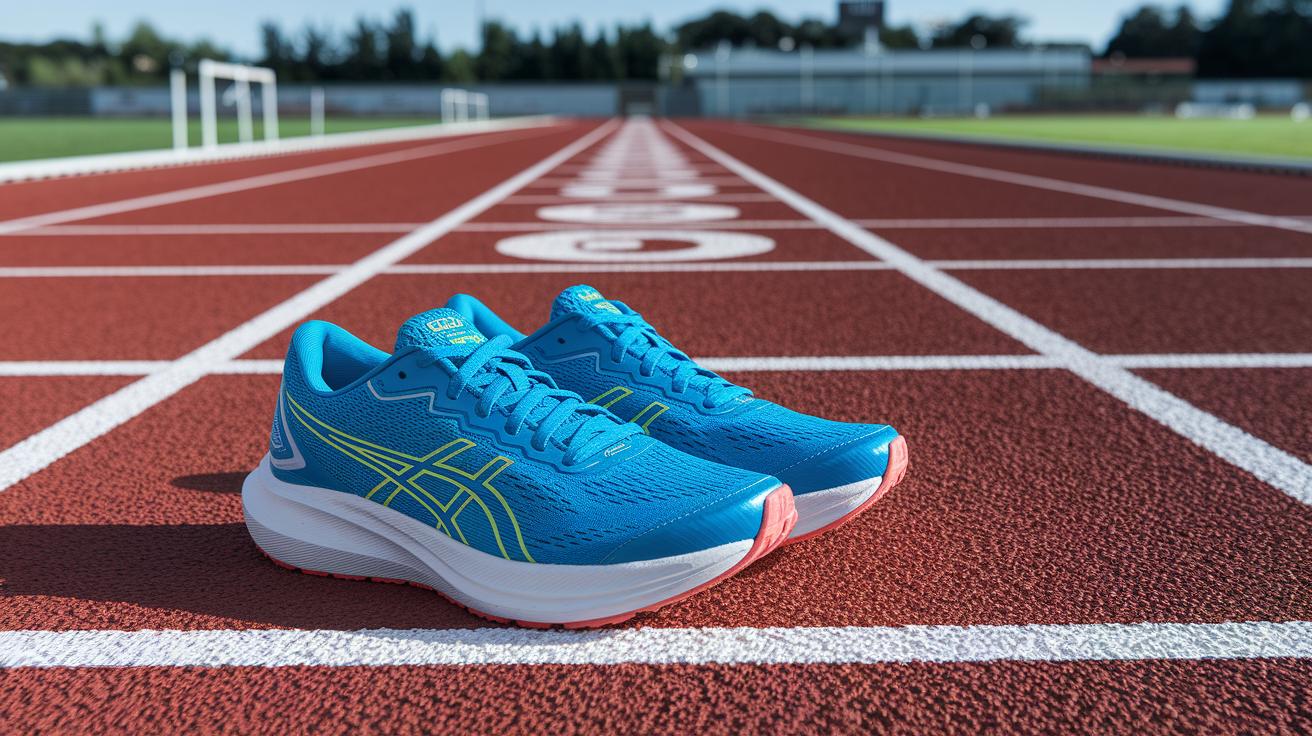
Your perfect shoe cushion depends on how you run, how far you go, and the surface you run on. If you need everyday training shoes, you might want ones that hold up well and have a medium cushion. They feel balanced for long runs and everyday wear. For race day, look for shoes that use advanced foams and even plates to push energy back to you, all while keeping you steady.
How your foot lands matters too. If you land mostly on your heel, a shoe with a higher drop (extra cushioning in the heel) can help protect your calves. But if you’re shifting to a more natural stride, a zero-drop or low-drop shoe (about 4–8 mm) can let your foot land more naturally.
The cushion height, or stack height, tells you more about a shoe’s job. A thicker midsole is great for long runs and recovery, while a thinner one gives you a ground-hugging feel for quick moves. Many shoes are built with extra step stability so you feel secure even during intense workouts.
For more detailed comparisons, check out running shoe reviews.
Final Words
In the action, we unraveled the ins and outs of footwear cushioning technology. We explored how midsoles manage shock absorption through materials like foam, gels, and air cells. The post showed how design details such as stack height and heel-to-toe drop affect comfort and performance. Historic breakthroughs set the stage for today’s advanced systems that reduce joint stress and boost energy return. Smart choices here help tailor your footwear to your stride needs. Keep testing and enjoy the improved comfort with every step.
FAQ
What are the types of shoe cushioning and how does it work?
The shoe cushioning system uses midsole materials like foam, gel, and air cells to absorb shock, reduce joint impact, and offer a bouncy ride for daily movement.
What does Nike footwear cushioning technology offer?
Nike cushioning uses advanced foams such as React and ZoomX. This high-performance design delivers a lightweight, durable, and responsive feel that absorbs impact and aids energy return.
What cushioning technology is used in Air Jordan sneakers?
Air Jordan sneakers combine pressurized air units with foam layers. This system cushions impacts and offers comfort and energy return for both high-intensity play and everyday wear.
What does supportive cushioning mean and is it good for your feet?
Supportive cushioning means a midsole design that balances softness with stability. This design protects your joints and reduces fatigue by absorbing shock during movement.
Why are most shoes made of foam now and how does foam cushioning work?
Foam is now widely used because it is lightweight and effective at absorbing impact. Foam cushioning in the midsole reduces shock while providing comfort and energy return with each step.
What shoes offer ample cushioning for men and which brands excel?
Shoes built for men with ample cushioning feature extra shock absorption. Leading brands like Brooks Sports, New Balance, adidas, On, ASICS, and Hoka One One offer models designed for high performance and daily comfort.
How does shoe cushioning work?
Shoe cushioning operates by layering materials in the midsole that absorb impacts and return energy. This reduces stress on your legs and joints, giving you a smoother, more comfortable ride.