

Ever wonder if your favorite outfit is built to last or just a temporary look? We used to think that great style meant a pretty design, but real quality comes from every fiber and every stitch.
Sturdy fabrics like cotton and silk (which feels soft and light) and careful stitching that keeps seams neat are what really add up. Each detail matters. In this guide, we look at what makes clothes high quality and why every little part is important for lasting style and comfort.
Key Characteristics of High-Quality Clothing
Good clothing starts with a great fabric. Natural fibers like cotton, linen, silk, wool, or cashmere feel nice and work well. You can tell the fabric is top-notch if it has a tight weave and a high thread count. For example, blends with 95-98% cotton and 2-5% elastane stretch just enough while staying strong.
Stitching matters a lot too. Each seam should be neat and even. Double stitching and neat finishes help stop fraying and make the item sturdier. Little details like hidden buttons, hand-stitched hems, and reinforced pockets show that extra care went into making the garment. Smooth, wrinkle-free linings add shape and help the clothing fit you well.
Quality also shows in the finishing touches. Premium buttons made from materials like mother-of-pearl or horn last longer and look better. Clear care labels and warranties prove the brand stands behind what they make. Every part, from the fabric to the stitching and finishing, works together to give you clothing that is stylish, durable, and true to its high-quality promise.
Fabric Composition Criteria for High-Quality Clothing
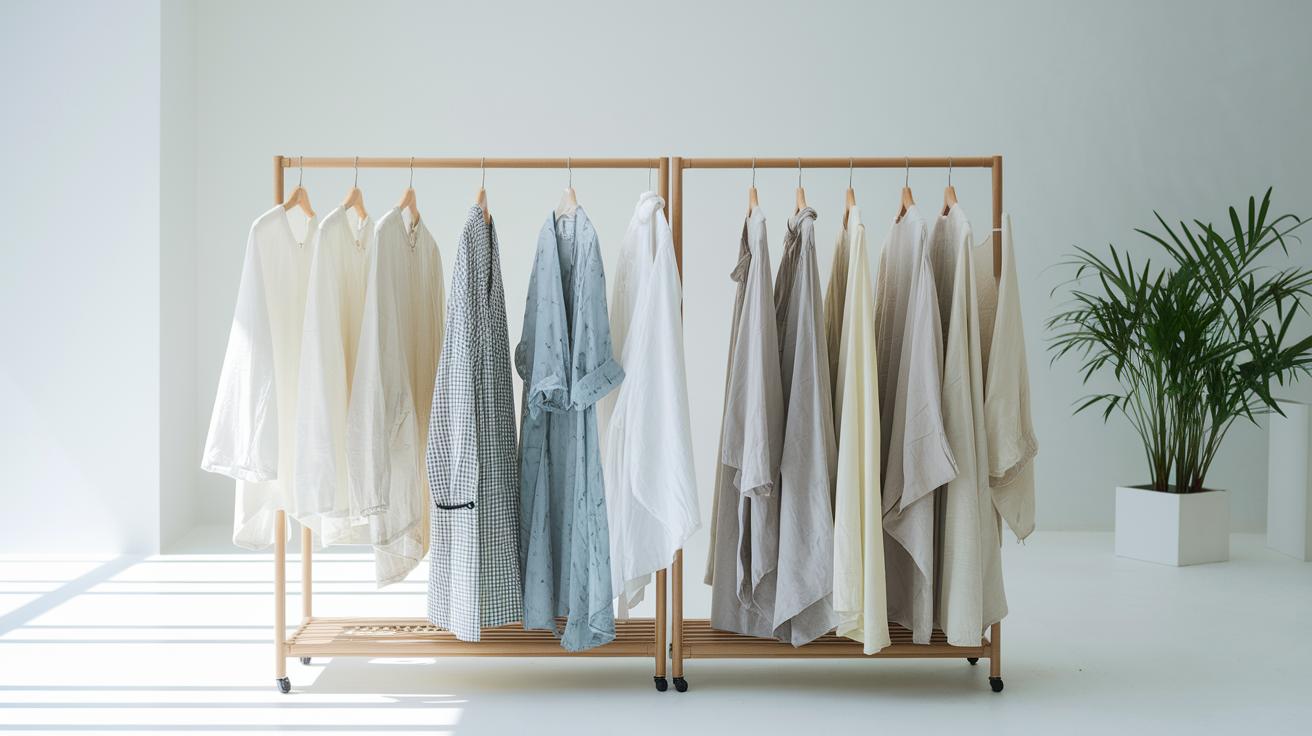
Natural fibers are a big plus in quality clothes. They let your skin breathe, move moisture away, and help keep you at the right temperature. For example, cotton is very versatile. Premium types like Supima and Pima cotton use longer fibers, so the fabric feels strong but soft too. Think of a shirt that holds its shape and stays smooth even after lots of washes.
Linen works great when it's warm outside because it helps air flow and even blocks some UV rays. It does tend to wrinkle, though. Mixing linen with cotton or silk can cut down on creases while keeping that light, fresh feel. And silk, which is the strongest natural fiber, is amazing at balancing body heat and draping gently around you.
Wool also steps in with a lot to offer. Merino wool resists pilling; cashmere is known for its ultra-soft touch; and alpaca wool impresses with eco-friendly production. Each type gives you its own mix of durability and comfort.
Then there are semi-synthetics like lyocell (Tencel). Made with a safe, closed-loop process, lyocell is good for the environment and recyclable. Viscose has a texture that feels a bit like a blend of cotton and silk, though its shorter fibers might not last as long. Modal improves on that by using longer fibers, so it breathes well and resists shrinkage.
Lastly, fabric density matters a lot. This is measured in gsm (grams per square meter, which tells you how heavy the fabric feels). The right gsm can mean a garment feels light and airy or more heavy and insulating. Matching the fabric density to the garment's purpose ensures you get the comfort and performance you need.
what makes clothing high quality: Exceptional Style
High-quality clothes show their care in every stitch. They usually use 8 to 12 stitches per inch, which helps keep tension even and stops loose threads. Double-stitching and top-stitching on key parts add extra strength so the garment can handle everyday movement without losing shape. Extra seam allowance (often over 1 cm) and finished edges help prevent fraying. One tester even said, "It felt like the seams had hidden armor" after putting the piece through a tough wear test.
Every garment checks its pattern alignment carefully. The pieces match up so that prints and lines flow naturally from one part to the next. Cutting is done with computer tools for real accuracy, ensuring that every seam holds a clean and tailored look. This precision makes the clothing feel like it was made just for you.
Strict inspection protocols make sure no detail is overlooked. Random tests on seam strength and close-up visual checks catch even small flaws. Hand-stitched touches and concealed seams show advanced skill in assembly. For example, a hidden stitch along the inner collar not only boosted durability but also added a subtle stylish touch. This careful attention to detail means you get a piece that lasts and helps you feel confident every time you wear it.
Durability Testing Procedures in High-Quality Clothing
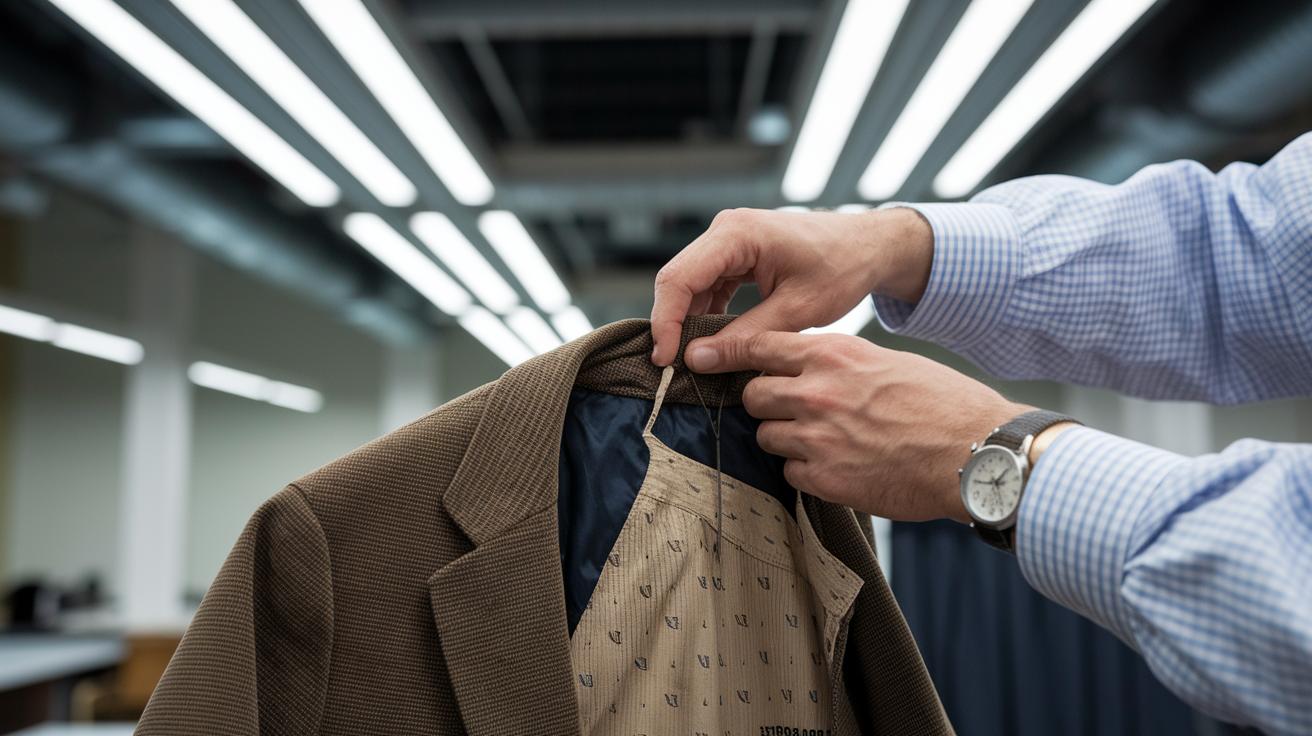
When clothes are put to the test, we learn how well they stand up to everyday wear. One test checks how much pressure the fabric can take before it tears. This tells us if your jacket or pants can handle a bit of rough use.
Another test looks at stretch and recovery. We pull the fabric 50 times to see if it bounces back into shape. This is key for clothes that need to keep their form.
We also check abrasion resistance using the Martindale method. Here, the fabric is rubbed up to 10,000 times to mimic long-term wear. This helps you know if the outerwear will stay tough over time.
Wash tests are important too. The clothes go through 5 to 10 home washes to check for shrinkage and if the color holds. Many high-end items even include treatments like Durable Water Repellent finishes (which help water bead off) or phase-change materials (which help with keeping a steady temperature).
These tests are our way of setting quality benchmarks. They show us if every seam and fabric meets high expectations for long-lasting wear. For more details, you can refer to the clothing quality testing checklist.
Ethical Production and Sustainability in High-Quality Clothing
High-quality clothing comes from ethical production and sustainable practices. Many brands choose organic cotton and responsibly sourced wool to cut down on pesticides and water use. They turn to natural fabrics grown without harmful chemicals so that the environment, along with the consumer, benefits. For example, hemp and linen need very little water and no pesticides, making them great for eco-friendly methods.
Lyocell (also called Tencel) is a standout because it uses a closed-loop system with non-toxic solvents (liquids that help dissolve materials). This method reuses almost all the chemicals, which cuts down on waste and the overall environmental impact. Ethical factories also ensure fair wages, set work hours, and perform regular traceability checks. Certificates like GOTS and OEKO-TEX prove that these strict ethical rules have been met.
Transparent supply chains and clear sustainability reports show that a brand is serious about doing things the right way. When you pick clothing that follows these guidelines, you invest in items that are durable, stylish, and made with care for both people and the planet.
Design Precision and Tailoring Excellence in High-Quality Clothing
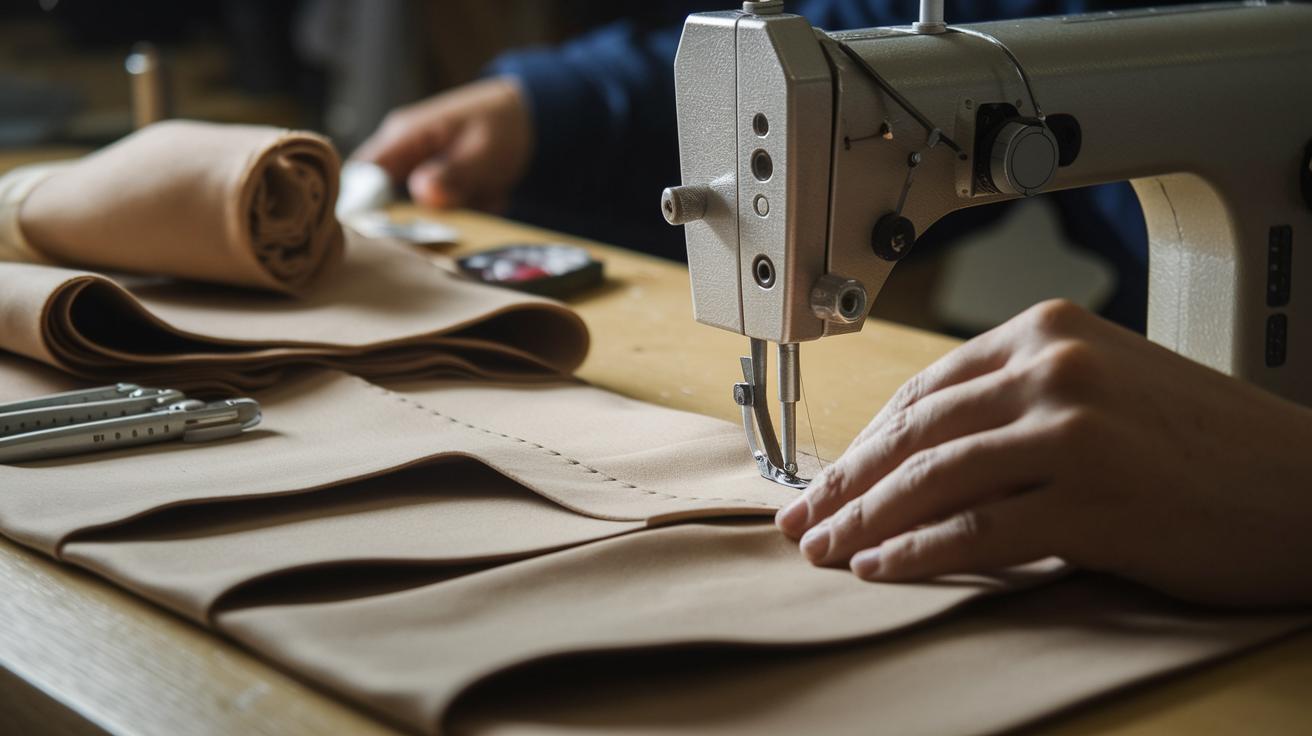
High-quality clothes stand out because of their careful cutting and smart tailoring that gives attention to every detail. Custom-made pieces use simple methods to line up patterns perfectly so you never see an off stripe or clashing print. Tailoring starts with hand stitching (basting) to hold the shape before the final sew, making sure the fit feels made just for you.
Even undercollars and inside linings are cut to within 1 mm and pressed carefully so the fabric drapes naturally. This close attention to detail creates a smooth silhouette and lets the garment move with you. When every cut is exact, the overall look feels intentional and well-crafted.
Hand-finished details show the maker's skill. Notice the small, precise stitches along the collar edges and the hand-set buttons that blend into the design. Extra stitching in busy parts like pocket bags and hems reinforces the fabric, adding strength without losing style.
Final touches boost the appeal even more. Leather trims with painted edges add a subtle pop of detail, while lapels finished by hand give a soft and shaped look. Hidden seams keep the design smooth and uninterrupted. With perfectly matched patterns and these thoughtful details, the piece not only fits well but also feels as if it were custom-made.
Investment Value and Brand Reputation in High-Quality Clothing
High-quality clothing is built to last and pays off over time. Even if the price tag seems high at first, you end up spending less because the fabric stays durable and the design never goes out of style. For example, a jacket that includes a repair service can save you money in the long run compared to replacing cheaper items all the time.
Designer brands earn their reputation from years of careful craftsmanship. Many pieces meet strict rules like ASTM (a set of standards that show the item has good quality), which makes it clear what you’re getting. Even vintage items can hold their style and sometimes even increase in value as time goes on.
When a brand offers warranties and repair services, it shows that they really believe in the quality of what they make. Every dollar you spend goes toward solid construction and reliable materials. You know the clothing is meant to last when the maker stands behind it.
In short, buying high-quality clothing isn’t just about style, it’s an investment in pieces that will keep you looking good for years to come.
Final Words
In the action, high-quality clothing blends durable materials, tight construction, and ethical production. The article breaks down fabric composition, smart stitching, and durability testing while showing how precise tailoring and sustainable practices add lasting value. It explains what makes clothing high quality through natural fibers, reinforced seams, and calculated design details. Each section builds a clear picture to help you choose smart pieces that fit well and stand the test of time. Enjoy building a wardrobe that feels as good as it looks.
FAQ
What defines high quality clothing?
High quality clothing means using natural fibers like cotton, linen, or wool with tight weaves, even stitching, and solid construction details that show careful tailoring and added durability.
How can you tell if clothing is good quality online?
Checking online, you look for detailed fabric compositions, close-up photos of stitching and seams, care labels, and reviews that highlight the garment’s feel and longevity.
What information does a fabric quality chart provide?
A fabric quality chart explains fabric types, fiber content, thread count, and GSM (how heavy the fabric feels) to help you compare durability and overall fabric performance.
Which brands are known for high quality fabric clothing?
High quality fabric clothing brands focus on natural fibers, precise construction, and ethical production. Reviews on trusted sites reveal those that pass durability tests and offer detailed craftsmanship.
Is a garment with 60% cotton and 40% polyester acceptable?
A 60% cotton and 40% polyester blend offers a balance of softness and durability, making it a practical choice for everyday wear even if it isn’t made solely of natural fibers.
What is the 3-3-3 rule for clothing?
The 3-3-3 rule outlines checking for at least 3 stitches per inch, confirming 3 durability tests, and ensuring 3 design details that indicate solid construction and careful tailoring.