

Ever wonder if your favorite shirt can keep up with your busy day? Sometimes a shirt may look good at first, but it might not last when you really put it to the test.
This guide explains how cloth holds up over time and what to look for in quality gear. We talk about natural fibers like cotton, linen, and wool. These feel soft on your skin and can stand up to wear.
We also show you easy ways to spot quality details, like neat twists in the yarn and a thick, even fabric feel. Get ready to learn simple tips for picking clothes that last.
Key Principles of Clothing Durability and Quality Assessment
High-quality clothes start with great materials and precise manufacturing. Natural fibers like cotton, linen, silk, and wool help your outfit breathe and wick away moisture. They also do a good job of keeping you warm or cool as needed. Natural cotton feels soft yet tough, which is something many synthetic materials like polyester or nylon just don't offer.
Long-staple cotton, such as Egyptian or Supima, can reach strengths from 400 to 600 MPa (a measure of how much stress the fabric can take) while still feeling very soft. For instance, Egyptian cotton can hit 600 MPa, proving it mixes comfort with serious durability.
Other materials like top-grain leather and merino wool stand up well to wear and resist issues like pilling. Fabrics made from modal and lyocell not only come from eco-friendly processes but also shrink very little. They are chosen because they work well day to day and keep their shape and color wash after wash.
Quality checks focus on details like even yarn twist and fabric density (measured in GSM, which tells you how heavy the fabric is). When a maker meets standards like Oeko-Tex, you can trust the material to be both safe and long-lasting. This careful approach lays the groundwork for clothes that boost your style and stand the test of time.
Fabric Strength Evaluation for Long-Lasting Apparel
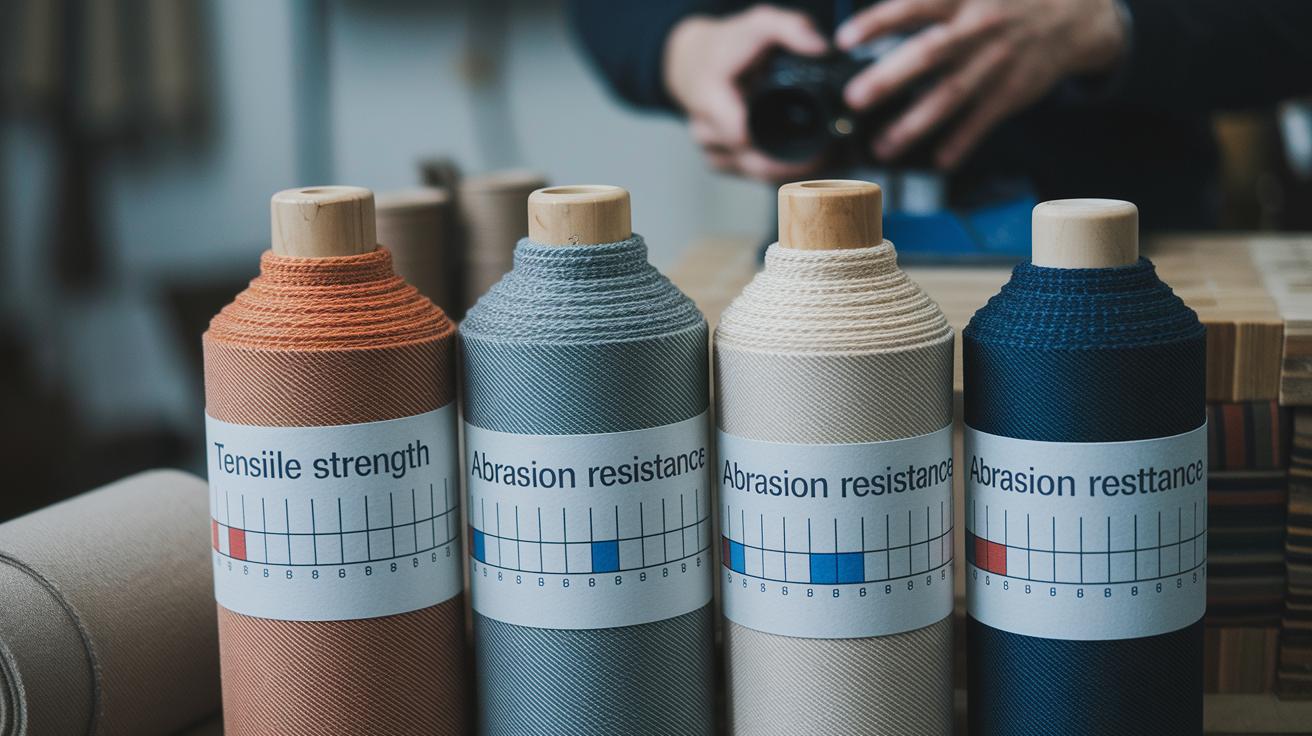
When picking fabrics that will last, it's important to check their strength. We look at how much force the material can handle (tensile strength), how well it resists rubbing (abrasion resistance), and its weight in grams per square meter (GSM, which shows how heavy the fabric feels). For example, cotton stands at about 400 MPa, polyester at roughly 650 MPa, nylon can go up to 800 MPa, and wool is usually around 300 MPa.
Abrasion resistance gives another real-world check. In simple tests using Martindale cycles (a method that rubs the fabric repeatedly), cotton lasts around 30,000 cycles, polyester holds up for about 40,000, nylon can take up to 50,000 cycles, while wool usually lasts around 25,000. These numbers help you see which fabric can handle everyday wear and tear.
Fabric weight matters too. Lighter fabrics, like those used for shirts, generally fall between 100 and 200 GSM. Meanwhile, heavy fabrics like knits or denim are usually over 300 GSM to add extra durability. By checking these figures together with tensile strength, you can get a clear picture of a fabric's overall toughness.
When you compare woven and knit fabrics, woven options (like denim and twill) tend to resist stretching better than knits (like jersey or interlock). Using these simple checks in your clothing quality testing list makes it easier to balance cost and performance, ensuring you choose materials that will keep up with your everyday needs.
Construction Quality Standards and Stitching Integrity
Quality starts right at the seams. Look for tight, even, straight stitching with 10 to 14 stitches per inch. For example, a garment with 12 stitches per inch along the hem not only looks neat but also stays strong.
Double stitching or French seams help keep the edges from fraying. Hidden reinforcements like extra bartack stitches at busy spots, such as near pockets or belt loops, add extra durability. Imagine trousers with reinforced pocket corners; these details help the garment hold up, much like a well-tied knot that stays secure.
Good quality clothes often use bound seams on knits and locked backstitching at thread ends, both of which keep the seams intact. A seam allowance of about 1/2 inch to 3/4 inch also adds support and prevents wear. If you see a clean hem with a hand-stitched finish or hidden flap closures, you can be sure that the maker didn’t cut any corners.
Buttons made from natural materials, like mother-of-pearl or horn instead of plastic, add a refined touch and extra strength. These detailed techniques keep your clothes in shape, looking sharp and lasting through regular wear, proving that careful sewing really makes a difference.
Performance Fabric Review: Abrasion, Fade, and Pilling Resistance
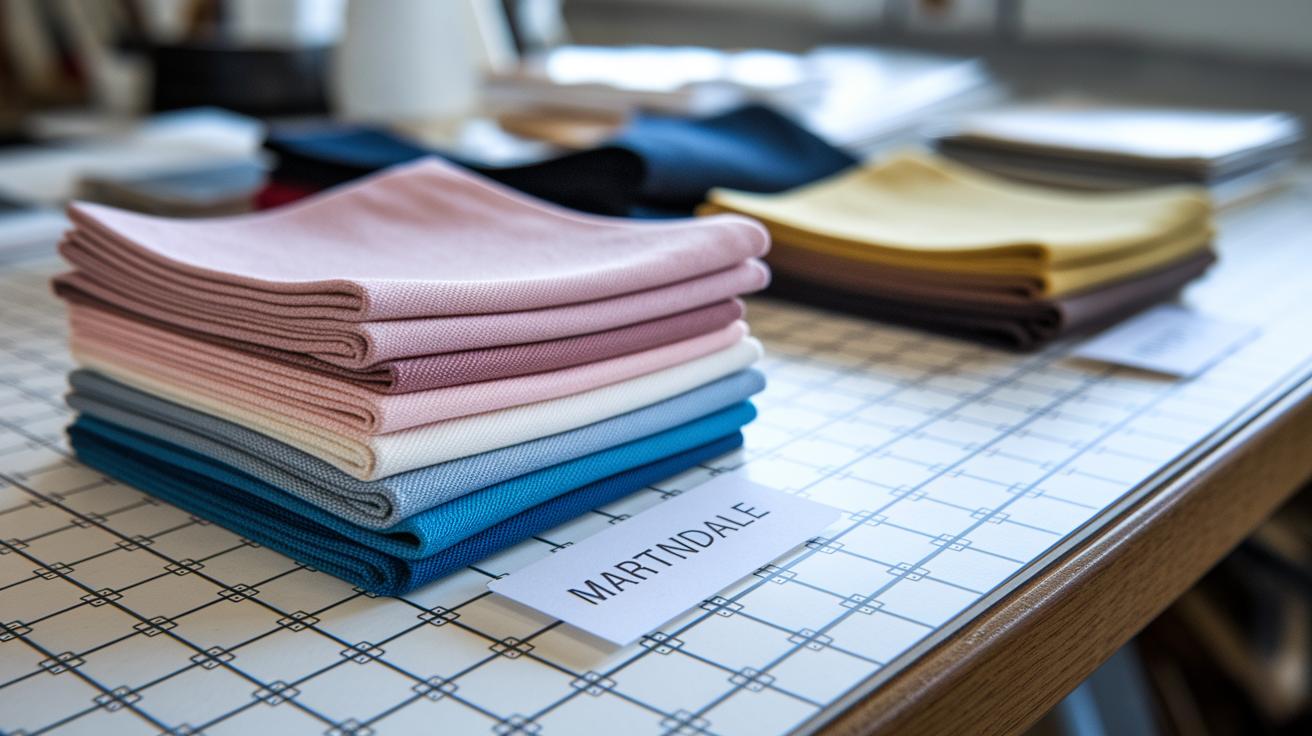
Quick Verdict: This fabric shows it can handle everyday wear if you care for it right. It stands up well to rubbing, washing, and even resists those annoying pills.
Why We Tested It: We wanted to see if fabrics could keep their looks when used day in and day out. Testing for abrasion, fade, and pilling gives you a clear picture of long-term wear.
Tester Details: Tests include the Martindale method (a way to measure how much rubbing a fabric can handle), along with Wyzenbeek and Taber tests for both abrasion and pilling. These simulate everyday actions like rubbing on a bag or a rough surface.
Scorecard:
| Test | Cycles/Rating | Takeaway |
|---|---|---|
| Abrasion | 2,000 for cotton; 5,000 for polyester; 8,000 for nylon | More cycles mean more durability in wear |
| Fade | ΔE below 3 after 10 wash cycles | Color stays almost as bright as new |
| Pilling | Depends on the fiber type | Natural fibers resist pills better than some synthetics |
Abrasion Test Details: The Martindale test repeatedly rubs the fabric to see when it starts to wear down. Cotton holds up at about 2,000 cycles, while polyester and nylon last longer. This is a simple way to check if your fabric can deal with daily wear and tear.
Fade Resistance: This test measures how well a fabric keeps its color. A low ΔE value (under 3) after washes means the color change is barely noticeable. Imagine a bright blue top that stays just as vibrant wash after wash.
Pilling Resistance: Pilling happens when small balls of fiber form on the fabric surface. Natural fibers like merino wool often fight off pills better. Some synthetic mixes need an extra treatment (using silicone-based finishes) to stop fuzz balls from forming. Tests like Wyzenbeek and Taber mimic real-life rubbing to check this.
Key Takeaways: When reading lab reports, look for higher cycle counts for abrasion and low ΔE numbers for fade. Both tell you that the fabric is built to last and keep its look longer.
Material Resilience Techniques and Fabric Treatment Methods
Advanced fabric treatments help clothes stand up to everyday use. Durable water-repellent (DWR) finishes use PFAS-free formulas (safe water-beading treatments) that make water roll off without stiffening the fabric. For example, a raincoat with this finish lets water slide off while staying soft to the touch.
Manufacturers also add anti-pilling enzymes and silicone treatments to keep knits looking fresh. These treatments protect the fabric surface so that pieces like knitted sweaters remain smooth wash after wash.
Some brands bond a breathable membrane (a thin layer that keeps wind and rain out) to the face fabric. This means your jacket can block wind and rain while staying flexible and comfortable. Low-impact dyeing techniques and reactive dyes help colors stick better and last longer, so prints and shades stay true over time.
Look for garments that have these special coatings and treatments to enjoy style that lasts even during everyday wear and outdoor adventures.
Practical Garment Longevity Inspection: At-Home Tests
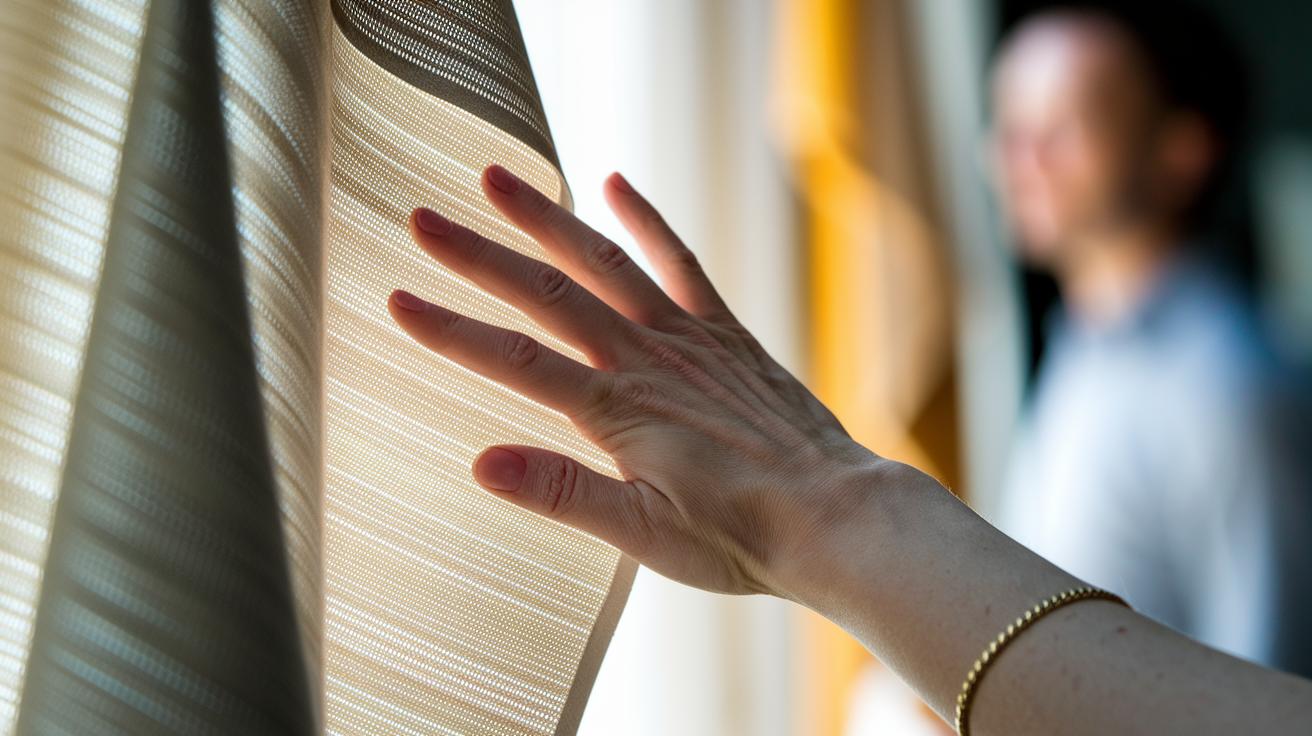
Try these quick tests to see if your clothes hold up with regular wear. Start with a simple feel check. Rub the fabric against your palm. Natural fibers usually feel soft without bunching up over time, which is a sign they can last. For more clues, hold the fabric up to a light. Fabrics woven tightly (with a higher GSM, or weight, which tells you how heavy the material feels) let very little light through, meaning the weave is firmer and more durable.
Fabric Feel and Light Tests
Run your hand over the fabric and note how it feels. Is it smooth and even, or does it get thin in some spots? Next, check it in bright light, either natural or from a lamp. If you see very little light passing through, the fabric likely has a high thread count and is made well. Think of a tightly woven cotton shirt that blocks the light compared to a loosely knit one.
Stretch and Recovery Tests
Give a section of the fabric a stretch of about 15 to 20 percent. Then, let it go and watch how quickly it goes back to its original shape. If it nearly bounces back to its starting point, around 90 percent or more, then the fabric has good stretch and can keep its shape over time. If it stays stretched, the garment might sag or lose its form after many wears.
Simple Home Abrasion Simulations
Pick out the parts of the garment that get the most wear, like elbows, seams, or pocket areas. Rub these sections about 20 times against a rough surface or sandpaper. Look for early signs of wear like fuzziness, loose threads, or any breakdown in the fabric. This test helps give you a real feel for how your clothes will hold up day after day.
Care Tips for Enhanced Clothing Durability and Quality
When looking after your clothes, the care label is your best friend. For wool and cotton blends, wash them at 30 °C on a gentle cycle to keep them soft and their colors bright. Delicate knits need extra care, so stick to a gentle wash and skip the bleach to protect the dyes. Always check what the label says because that 30 °C wash really helps keep the texture and color intact.
Air drying is the way to go. Hanging your clothes out to dry can save them from the wear and tear of a dryer. If you must use a dryer, especially for tougher synthetics, choose a low-heat setting and take out your clothes right away to avoid extra creases.
Here are some extra tips to keep your wardrobe in top shape:
- Use a fabric shaver on any fuzz or pilling to keep fabrics looking smooth.
- Fix small holes early to stop tears from getting bigger.
- Rotate your garments and store them in a cool, dry spot to prevent uneven wear.
- For special items like structured coats or pieces with unique finishes, consider cutting back on dry-cleaning to maintain their look.
These simple care tips help keep your favorite pieces fitting well, looking nice, and lasting longer.
Selecting High-Quality, Durable Apparel: Buyer’s Guide
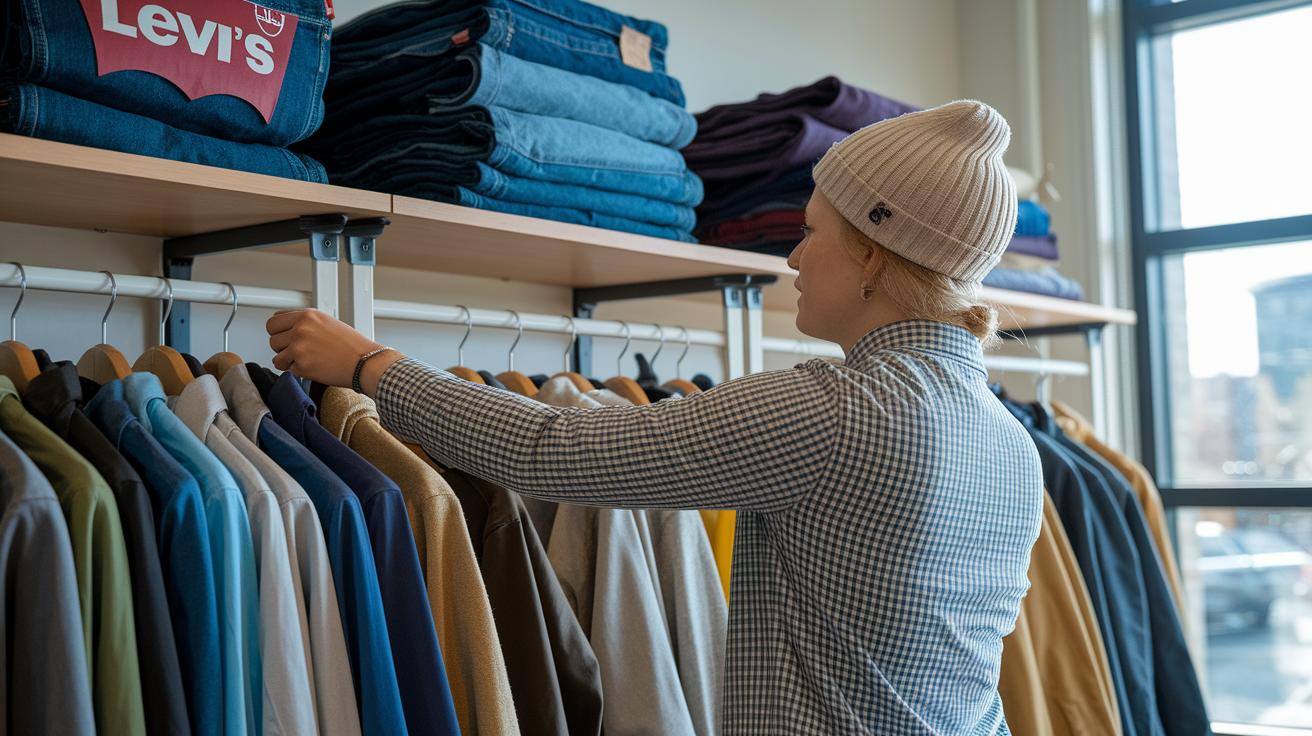
Choosing clothes that last means picking well-known brands and solid materials. Look for certifications like Oeko-Tex and Bluesign (these show the fabric is low impact and performs well). For example, Brooks Brothers uses long-staple cotton that feels refined and stays strong over time. Tencel blends from Lenzing work wash after wash, keeping their shape and look.
Durable clothing comes in all price ranges and styles. You might try a classic pair of Levi’s 501 selvedge denim at 14 oz for everyday wear. If you need gear that holds up against the weather, Patagonia’s recycled-polyester outerwear is a strong contender. Filson Rugged Twill gives you a tough, timeless style for work or outdoor adventures, and Darn Tough socks even have a lifetime warranty for added peace of mind.
Technical gear is also a smart buy. Arc’teryx makes waterproof and breathable items that work well in real life, and Carhartt duck canvas offers rugged workwear protection. These brands combine everyday style with the durability you need to handle daily challenges.
Here are some quick tips when you shop for lasting pieces:
- Choose items with durability certifications (Oeko-Tex, Bluesign)
- Pick natural fibers like long-staple cotton or eco-friendly options like Tencel blends
- Check for strong construction details that stand up to long-term use
Imagine trying on a pair of Carhartt duck canvas pants. They feel sturdy from the moment you wear them, much like a strong handshake that tells you the quality will last.
Final Words
In the action, we broke down the essentials of clothing durability and quality assessment. We stressed how material choices, fabric strength tests, and precise stitching details impact a garment's performance. Quick at-home checks and care tips round out the guide. We aimed to give you clear insights for selecting items built to last. This clothing durability and quality guide offers practical tips so you can shop smart and enjoy pieces that stand the test of time. Happy shopping and enjoy building your reliable wardrobe!
FAQ
What is the clothing durability and quality guide pdf?
The clothing durability and quality guide pdf explains how garments are tested for strength, material quality, and construction techniques using clear benchmarks and simple criteria to help you make smarter buying choices.
What does a women’s clothing durability and quality guide cover?
The guide for women’s clothing details fabric strength, stitching methods, abrasion resistance, and care tips, offering practical advice on picking outfits that last and maintain their look over time.
What are high quality materials for clothing?
High quality materials include long-staple cotton, top-grain leather, and merino wool, which deliver durability, breathability, and comfort, ensuring garments hold up well through repeated wear and washing.
How do you describe the quality of clothes?
Describing clothes quality involves noting details like fabric weight (GSM), stitch consistency, seam reinforcement, and finish work, all of which show the garment’s ability to withstand daily use.
What are the best clothing materials for the environment?
The best eco-friendly materials come from natural fibers like cotton, linen, and wool, or treated with low-impact dyeing methods, which lower environmental impact while still offering durability and performance.
What are the best fabrics to wear for health?
The best fabrics for health are those that allow your skin to breathe, such as natural fibers like cotton and linen, which help manage moisture and temperature while being gentle on sensitive skin.
Which brands offer high quality fabric clothing?
Brands like Levi’s, Patagonia, and Filson are known for high quality fabric clothing, using durable textiles and strict quality checks to lend performance and longevity to each piece.
What is the best clothing material for summer?
The best summer materials are lightweight, breathable fabrics such as cotton and linen that wick moisture away, keep you cool, and offer comfortable wear during warm conditions.