

Eco-Friendly Accessories: Style with a Conscience
Ever wonder if your favorite accessory could do more than just complete your outfit? Today, many brands use eco-friendly practices and smart materials to make a real difference. They use organic cotton (grown without harmful chemicals) and recycled polyester (made from repurposed plastic) to create accessories that work hard and last long.
Brands now balance style and ethics, so you no longer have to choose between looking good and caring for the planet. With fair production and sustainable materials, these accessories are built for durability and a kinder impact on our world.
In this post, we take a closer look at how ethical practices and innovative materials come together to offer you accessories that support the environment while keeping quality at the forefront.
Achieving Sustainable Accessory Quality with Eco-Friendly Materials and Practices
When it comes to quality accessories, it all starts with using eco-friendly materials and ethical production. Today, many brands ensure that workers receive fair pay and work in safe conditions. This honest approach builds trust by sharing where and how every item is made.
Materials like organic cotton, recycled polyester (fabric made from repurposed plastic), and upcycled fabrics help accessories last longer and produce less waste. Designers focus on creating items that look good and stand up to daily wear. For example, a vegetable-tanned leather Zip Wallet and a 100% organic cotton Canvas Market Tote show that careful design beats disposable fast fashion.
Using well-chosen materials along with ethical sourcing standards leads to accessories that meet strict quality marks. Organic cotton and recycled polyester not only support the environment but also cut down on waste. Brands that openly reveal their production and labor practices let you shop with confidence. Stories like Sayna prove that when artisans work in better conditions, every accessory gets a quality boost. This mix of durability and style shows that ethical production and innovative design can go hand in hand.
Exploring Materials for Quality Sustainable Accessories
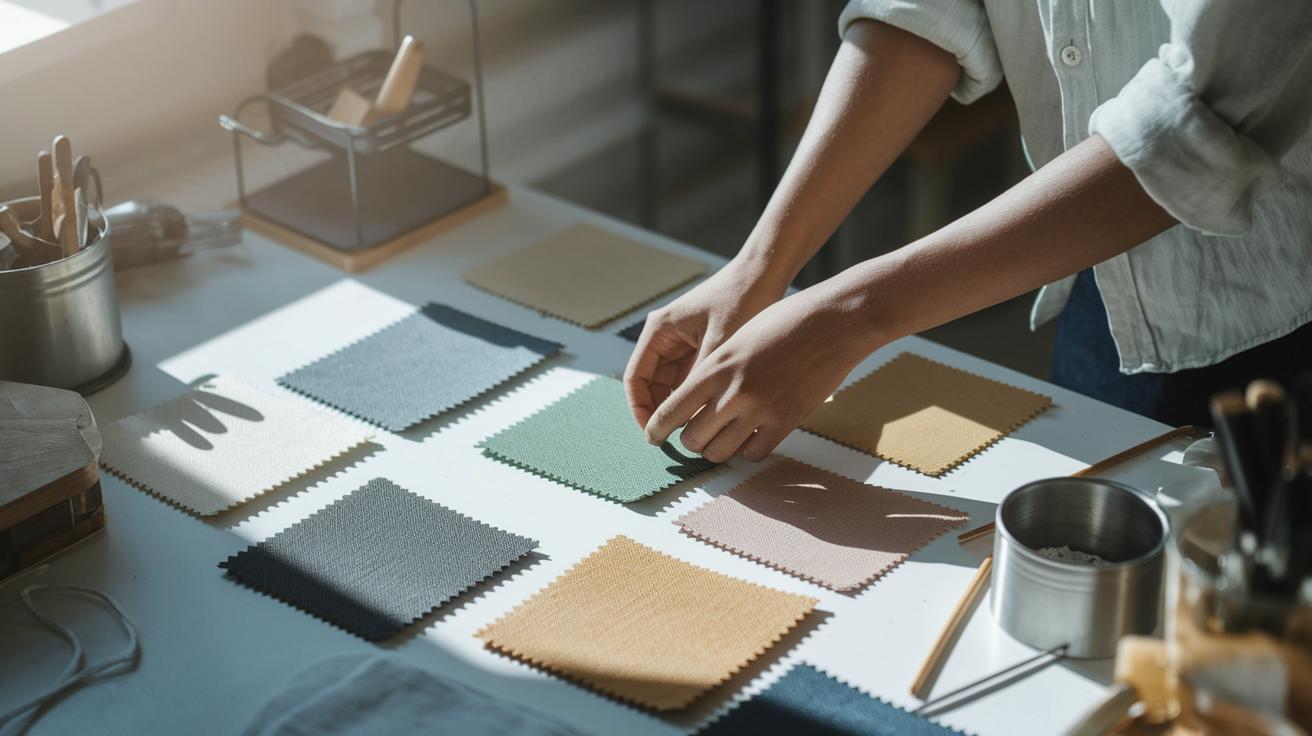
Picking the right materials is key to making accessories that last and help the planet. Designers work with smart, eco-friendly fabrics like organic cotton, hemp, and bamboo. These natural fibers (grown without harsh chemicals) can mix with recycled metals and biodegradable plastics. The result is a stylish yet tough accessory that takes a lighter toll on our environment. A plant-based leather alternative made from mushroom or pineapple fibers gives you a leather-like look with less harm to animals.
| Material Type | Source | Sustainability Benefit | Typical Application |
|---|---|---|---|
| Certified Organic Cotton | Organic farms | Natural fiber with low chemical use | Canvas totes, casual bags |
| Hemp Fabric | Hemp fields | Grows fast and needs fewer resources | Bags, belts, hats |
| Bamboo Fiber | Bamboo plantations | Fast renewing and breaks down naturally | Summer accessories, scarves |
| Recycled Polyester | Used plastic waste | Cuts down landfill waste | Linings, straps, casual wear |
| Plant-Based Leather Alternatives | Mushroom and pineapple sources | Cruelty-free with low impact | Wallets, belts, small bags |
| Recycled Metal Components | Reclaimed metals like aluminum or brass | Reduces new mining needs | Buckles, hardware, closures |
Good material choices boost the life of your accessory and lower its impact on the earth. By blending organic fabrics with recycled metals and biodegradable plastics, designers craft pieces that take daily wear without letting you down. These items often have extra reinforced parts and eco-friendly details, making them treasures you can use every day. In short, careful material selection connects beauty with lasting use and pushes the industry toward a greener path.
Implementing Ethical Manufacturing Practices in Sustainable Accessories
Fair trade and safe work environments are at the heart of ethical accessory making. Many brands now go beyond just style. They ensure each worker gets a fair wage and works in a safe place. For example, the MADE FREE model connects every purchase to a day of freedom for an artisan. This helps local communities and builds trust by showing that every accessory comes from a source that cares about its people.
Saving water and using energy wisely are also key. Companies are using systems that recycle water and relying on renewable energy to cut their carbon footprints. These methods lower harmful emissions and make production more efficient. By adding these resource-saving steps, factories reduce their environmental impact while setting high standards for ethical production.
Skilled artisan work plays a big role in keeping quality and honesty in the supply chain. Traditional methods mix with sustainable sourcing to create accessories that last. Brands like Rimore highlight the art of creative craftsmanship. Skilled workers use time-tested techniques in modern, eco-friendly settings. Each step, from choosing raw materials to the final handmade stitch, is clearly tracked. This careful process not only honors the artisans, but also invites buyers to support a system where style, ethics, and care for the planet come together.
Certifications and Standards Ensuring Sustainable Accessory Quality
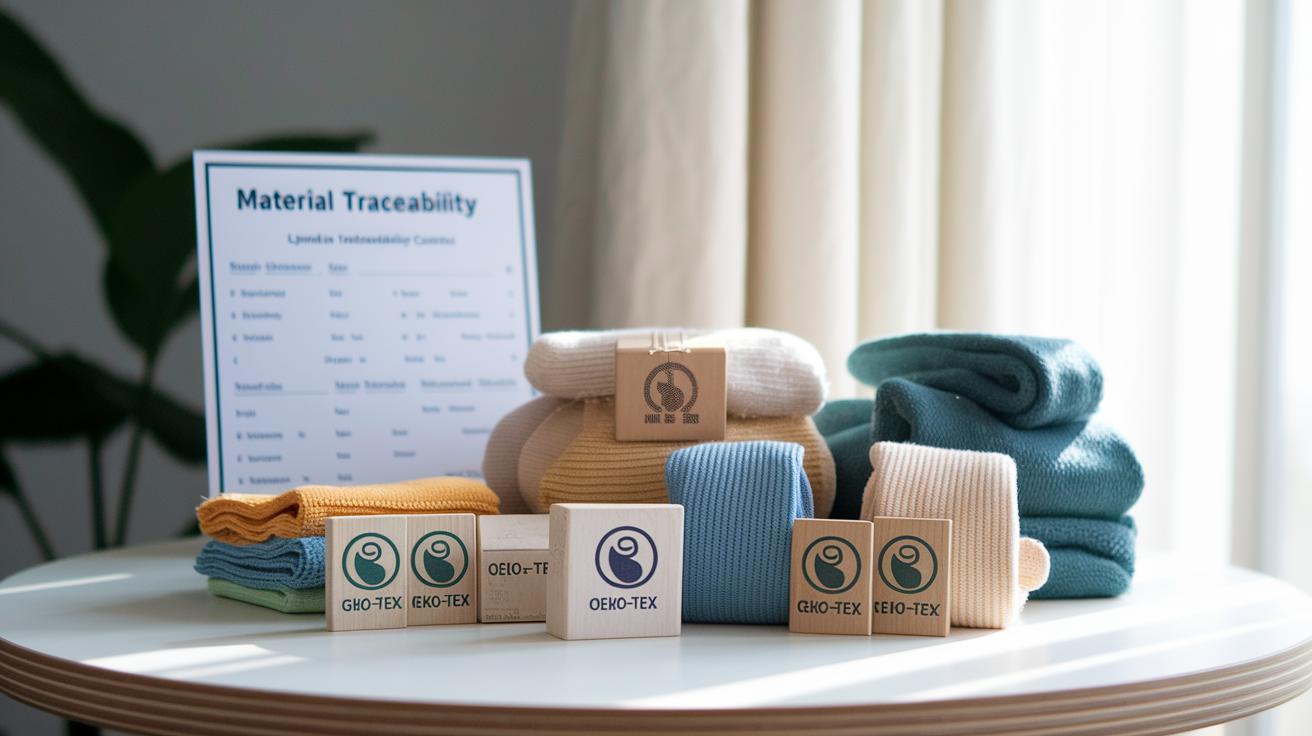
Certifications such as GOTS, OEKO-TEX, and Fair Trade prove that accessories are made with organic materials and fair labor practices. They give you an easy way to feel confident that the products respect both people and our planet. These seals of approval connect clear eco-label guidelines with green production standards.
Manufacturers also track every step of production using material traceability systems (which follow the product from raw material to finish) and lifecycle assessments (which check the environmental impact at each stage). This thorough approach covers accessory sustainability metrics, product lifecycle management, and sustainable supply chain analysis to keep quality high. Key programs include:
- GOTS (Global Organic Textile Standard): Checks organic fiber content and eco-friendly processing.
- OEKO-TEX: Tests to ensure no harmful substances are used.
- Fair Trade: Confirms fair wages and good working conditions.
- Cradle to Cradle Certified: Reviews the full lifecycle for better circular economy practices.
- Blue Sign: Stresses efficient resource use and waste reduction.
Material traceability systems record every stage from raw resource to finished accessory, while lifecycle assessments track how each phase affects the environment. For more on checking material quality, see How to Determine Accessory Quality.
Case Studies of Brands Demonstrating Sustainable Accessory Quality
Real-life examples show how brands blend style with care for the planet. These stories highlight how open production, eco-friendly materials, and honest practices form the base of ethical luxury accessories.
MADE FREE
MADE FREE lays out its process clearly. Every purchase supports one day of freedom for an artisan, ensuring fair wages and safe work environments. They share every detail, from the vegetable-tanned leather (leather treated with natural plant extracts) used in the minimalist Zip Wallet to the overall design. This honest approach not only delivers a well-made accessory but also boosts artisan welfare and fair labor practices.
Rimore
Rimore mixes traditional craftsmanship with eco-friendly methods. They use vegetable-tanned leather (leather processed with natural dyes) to create accessories that are both stylish and durable. By honoring age-old techniques while using sustainable practices, the brand makes products that stand up to time and show a clear commitment to ethical sourcing. It proves that modern style can be kind to our planet.
Sayna
Sayna puts a spotlight on the social benefits of ethical accessory making. They empower artisans and create better working conditions. For example, the 100% organic cotton Canvas Market Tote is designed to cut down on waste while supporting local craft. With open production practices, Sayna invites customers to join a movement that values environmental care and fair trade, making every purchase a step toward a brighter future for workers.
Each brand uses its own path to transparency and ethical making. MADE FREE focuses on direct artisan support, Rimore blends tradition with modern eco materials, and Sayna lifts up communities. Together, they show that true sustainable accessory quality comes from careful material choices paired with a commitment to social and environmental care.
Best Practices for Quality Control in Sustainable Accessories

Quality testing helps make sure eco-friendly accessories not only look good but also handle everyday wear. We run simple tests that mimic daily use to catch any faults early. This hands-on approach keeps each item strong and long-lasting.
- Stress testing: We simulate normal wear to see if the accessory holds up under pressure.
- Abrasion tests: We check how well the item resists rubbing and friction.
- Colorfastness checks: We confirm that colors stay bright even after many washes.
- Hardware corrosion tests: We test metal parts to ensure they don’t rust.
- Seam strength checks: We check that all stitches and seams stay secure.
- Sample audits: We review the production process regularly. For more details, see Tips for Evaluating Accessory Craftsmanship.
- Waste capture and documentation: We use design methods that reduce offcuts while recording each quality step.
We keep improving our testing methods and production practices to meet new challenges. This steady review process leads to accessories that last longer, cut waste, and support responsible production.
Future Trends Shaping Sustainable Accessory Materials and Practices
New trends are changing how we make accessories. Companies are now using circular economy models and closed-loop recycling to turn waste into new materials. Innovations like mushroom-based leather, pineapple fiber, and lab-grown leather are sparking interest. These new materials promise to be eco-friendly and durable, showing that style can also be kind to the planet.
Digital tools like blockchain (a digital ledger that tracks information securely) are making it easier for shoppers to see where their accessories come from. Designers, material experts, and artisans are working together on low-impact methods. Techniques such as waterless dyeing and zero-waste design help use fewer resources and cut down on waste. Overall, these trends are paving the way for accessories that are both green and built to last.
Final Words
In the action, the article shows how eco-friendly design and fair practices come together to build sustainable accessory quality: materials and practices. We addressed using organic cotton, recycled polyester, and plant-based alternatives, along with transparent production methods and ethical labor standards.
The post dives into key material choices, certification standards, and real-world examples. It leaves you with clear tips for reducing return risk and embracing long-lasting, responsible accessories. Enjoy making smarter, more confident purchases!
FAQ
What sustainable accessory quality materials and practices are used in production?
The sustainable accessory quality materials and practices include organic cotton, recycled polyester, vegetable-tanned leather, and upcycled fabrics, paired with fair labor standards and transparent supply chains to support ethical manufacturing.
What sustainable fabrics are used for clothing?
The sustainable fabrics for clothing include organic cotton, hemp, bamboo, and recycled polyester, which offer durability with a soft feel and help reduce environmental impact throughout their production.
What sustainable fabric suppliers and synthetic fabric options are available?
Sustainable fabric suppliers provide eco-certified sources that offer plant-based synthetic options alongside recycled materials, ensuring responsible production methods while meeting performance needs.
What fabrics are known for top quality in clothing?
The best quality fabrics feature a blend of durability and sustainability, often using organic cotton, linen, or recycled polyester to deliver long-lasting wear with a naturally refined texture.
Who are considered the most sustainable brands for accessories?
The most sustainable brands prioritize ethical sourcing and quality materials, with examples like MADE FREE, Rimore, and Sayna, which emphasize fair wages, transparent production, and robust craftsmanship.