

Quick Verdict: Look for quality fabric, neat stitching, and solid hardware when choosing clothes. These details help your favorites last longer.
Ever notice your favorite shirt wears out too fast? The guide explains how sturdy fabric, careful stitching, and reliable buttons or zippers work together to create a piece that stands up to everyday wear. Instead of wasting money on items that lose their shape quickly, use these simple tips to spot durable clothes.
When fabric feels strong and the stitching is clear and even, you know the item is built to last. And don't forget the hardware, good buttons and zippers are small details that make a big difference in how long your clothes stay in top shape.
By keeping these points in mind, you'll shop smarter and build a wardrobe that really works for you.
Key Determinants of Clothing Durability and Quality
Durability means a piece of clothing can handle everyday use and still keep its shape and function. Quality covers both the materials used and the way the garment is put together. Checking these details before you buy is smart because a well-made item not only stays looking good but also saves you money by lasting longer. For example, feeling the firmness of the fabric and looking closely at the stitching can tell you how long a piece might last.
When you think about what makes clothing last, remember three key points. First is the fabric. Good items often use natural fibers like cotton, silk, linen, wool, or cashmere. These materials feel comfortable and are strong. Second is the construction. Even, tight stitching and double-stitched seams help avoid problems like seams coming apart. Look for smooth, regular thread lines and matching seam widths. Third is the hardware. Zippers that work smoothly and buttons made from materials like mother-of-pearl or horn show extra care. Higher-end clothing might have reinforced hems or hand-finished edges, though regular pieces can also benefit from these solid details.
Together, checking the fabric, how it's sewn, and the hardware gives you a clear idea of a garment's durability and if it fits your long-term needs.
Fabric Durability: Natural Fibers Versus Synthetics
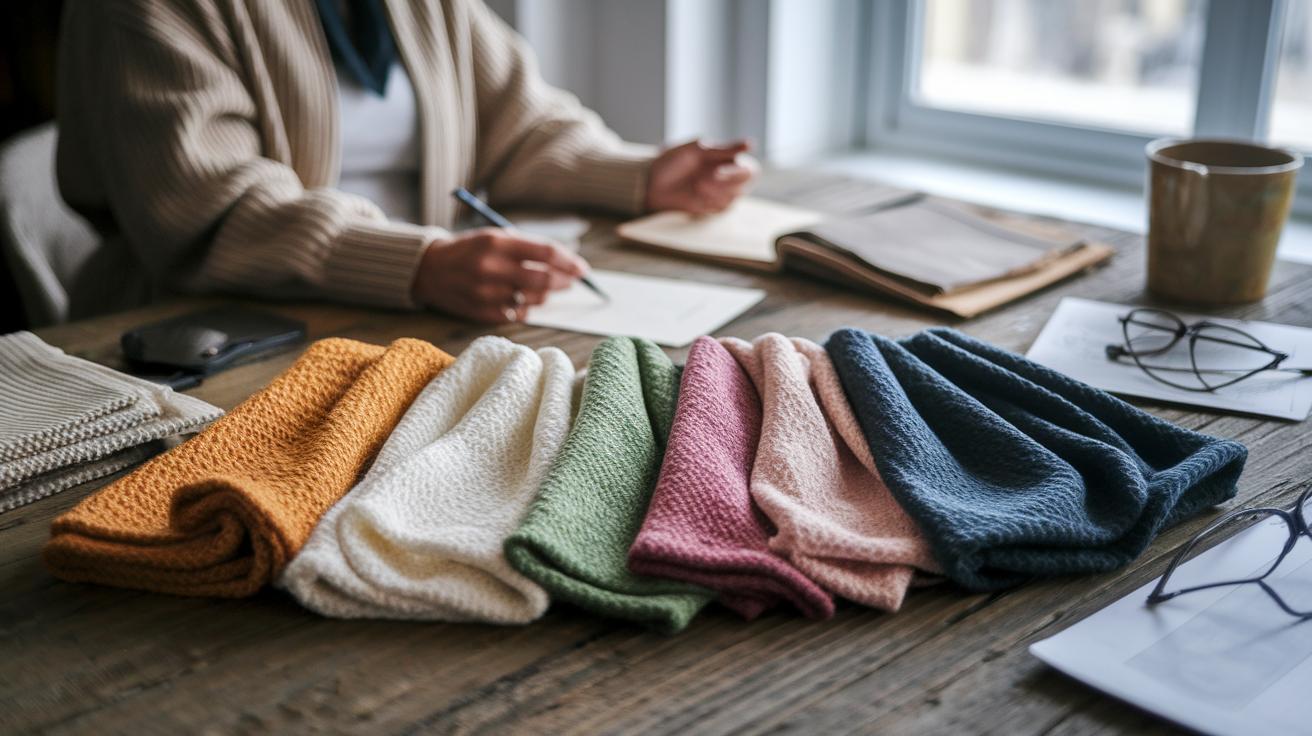
Natural fibers like cotton, linen, silk, wool, and hemp let air flow, help wick away moisture, and block UV rays. They feel comfy and hold up well with everyday wear, even though linen can wrinkle despite its strong feel. On the flip side, synthetic fabrics such as polyester, acrylic, and nylon are made through chemical processes. This can make them less effective at moving moisture and fighting friction, so they may wear out faster in tough uses. Silk is great at keeping you cool or warm when needed and is naturally strong. Plus, merino wool resists pilling better than most fabrics.
| Fabric Type | Durability Rating (1-10) | Key Care Note |
|---|---|---|
| Cotton (long-staple) | 7 | Wash cold, avoid bleach |
| Linen | 8 | Hand-wash or gentle cycle |
| Silk | 6 | Dry-clean recommended |
| Wool (merino) | 8 | Lay flat to dry |
| Polyester | 5 | Low-heat tumble dry |
Picking the right fabric is about balancing lasting strength with a good feel and look. It should hold up every day, feel right on your skin, and match your cleaning habits. Think about your lifestyle and care needs to choose a fabric that lasts and feels great.
Stitching and Seam Construction for Long-Lasting Apparel
Good stitching can make a big difference in how long your clothes last. How a garment is sewn can be more important than the fabric itself because even a strong fabric won't last if the seams come apart. Checking the stitching gives you a clue about the item's durability. Neat, even stitches keep the look clean and help the piece stand up to everyday use.
- Even stitch length (10-12 stitches per inch)
- Double-stitched seams in areas that see a lot of wear
- Overlock or French seams on raw edges
- Reinforced bartacks where stress is high
- Consistent seam allowance with no gathering
- Secure, well-made buttonholes
- Smooth attachment of the inner lining
Before you buy, give the garment's details a quick test. Pull the zipper a few times to check that it glides without catching. Press the buttons to see that they lay flat and hold well when gently tugged. Look at the hem, if it has a neat, pressed edge with solid reinforcement, it’s a sign the piece was made with care. These checks can help you avoid clothes that may wear out too soon.
At-Home Tests to Verify Outfit Resilience
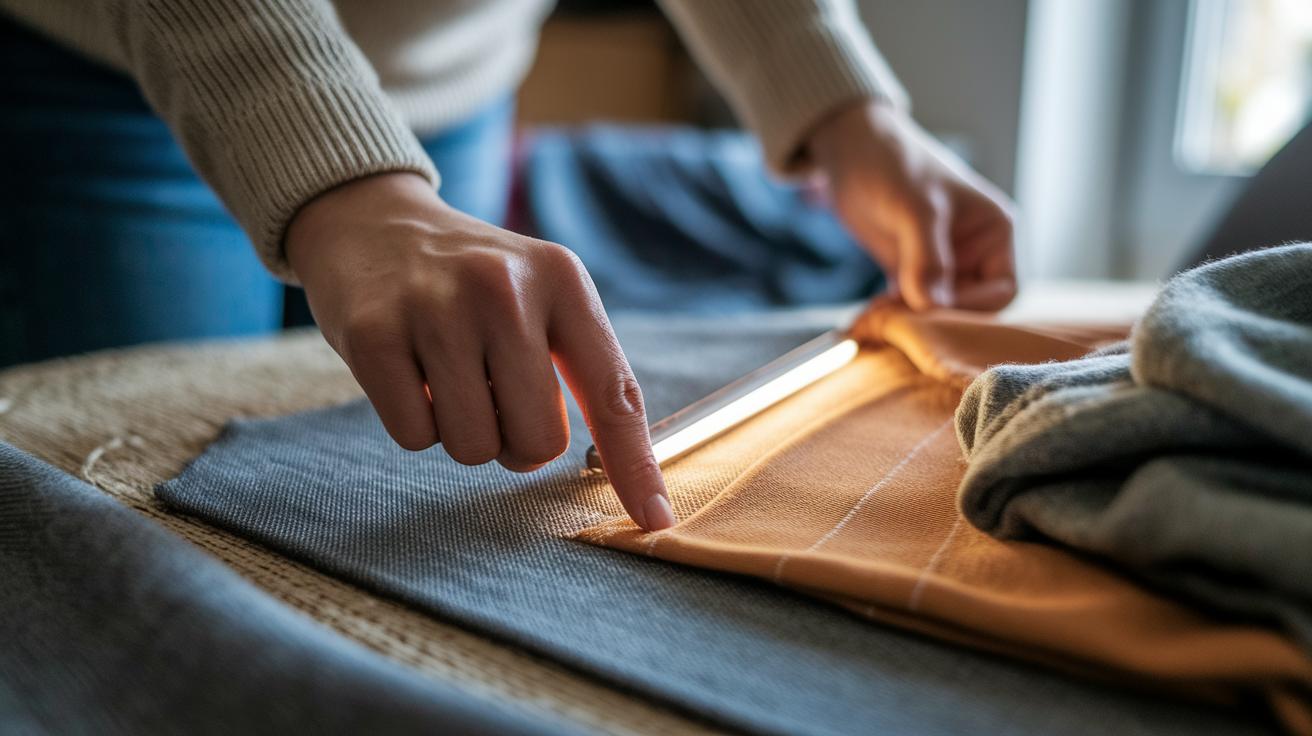
Try a few simple tests at home before you buy a garment. They help you see if the fabric is strong enough for everyday use.
Start with a feel test. Pinch the fabric to check its texture and weight. If it tears easily or feels too stiff, it might not last long.
Next, hold the item up against a light. This light test helps you spot thin or uneven areas in the weave.
Then, do a stretch test. Gently pull the fabric to see if it bounces back without sagging. Good fabric should recover quickly.
For colorfastness, take a damp white cotton cloth and rub it on a printed or dyed part. Look for any color that transfers.
Finally, try a wash test on a hidden spot like a seam. Wash it following the care instructions and see if the fabric shrinks (aim for less than 3% change) or forms pills.
Jot down your observations or snap a few photos. Comparing these notes on different garments will help you decide which pieces are made to last.
Maintenance Practices to Enhance Apparel Longevity
Taking good care of your clothes helps them look new for longer. Follow the care label on each item for the best results. This usually means a gentle cold wash or dry cleaning when needed. Avoid using high heat when drying. Instead, let your clothes air-dry or use a low-heat setting to keep the fibers safe. For any stains, spot-clean quickly using a pH-neutral detergent and steer clear of chlorine bleach.
Set up a simple routine for your wardrobe:
• Weekly: Give your clothes a quick check for stains and clean them right away.
• Monthly: Do a deeper clean to refresh the fabric and clear away any buildup.
• Seasonally: Inspect items for wear, checking seams, buttons, and linings to catch any signs of fraying.
This steady upkeep not only keeps your wardrobe looking sharp but also extends the life of your favorite pieces.
Brand and Material Comparisons in Apparel Longevity
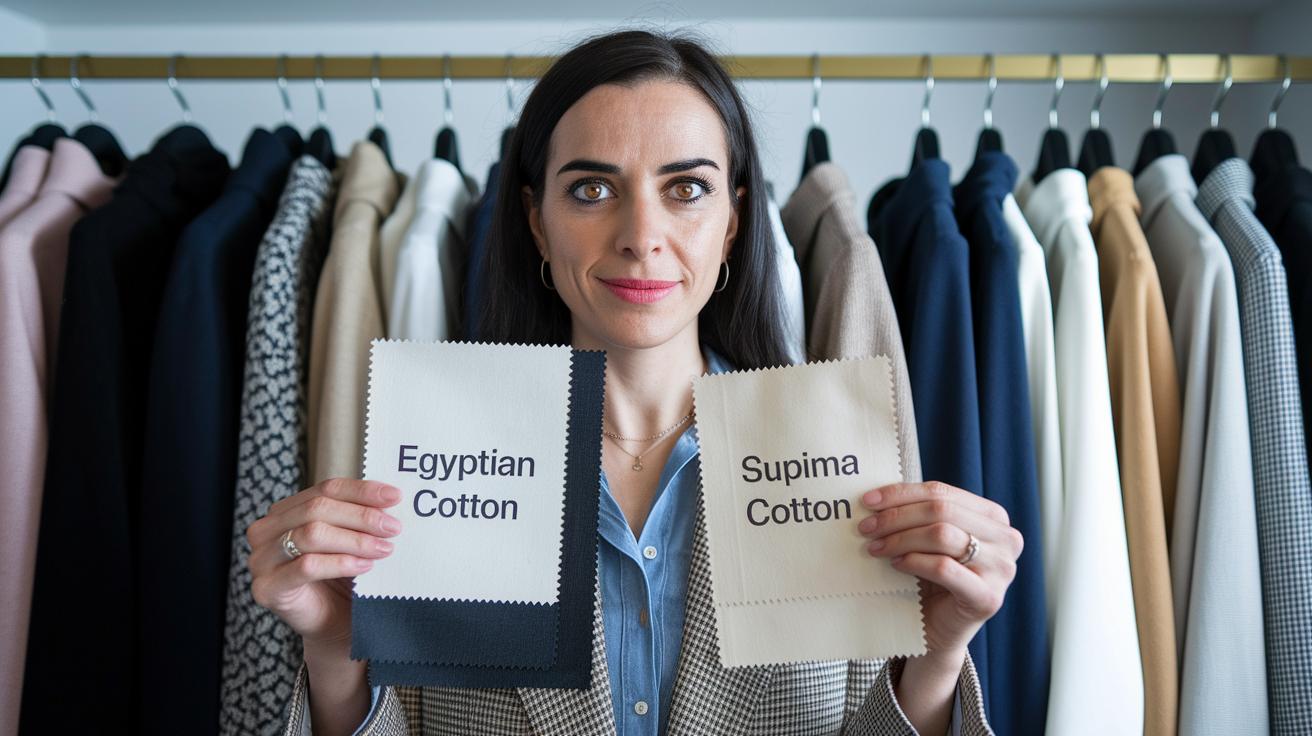
When it comes to picking clothes that stick around, it's important to look at both the brand and the fabric. Well-known brands often have a history of reliability, based on what customers say and how the clothes hold up over time. For instance, garments made from Egyptian or Supima cotton often keep their shape and stay soft even after 50 washes. Merino wool stands up well against pilling, while cashmere gives you extra warmth if you care for it properly. Fabrics like lyocell and modal mix durability with eco-friendly production, but standard viscose usually doesn't last as long.
Premium Natural Fiber Labels
Brands that focus on natural fibers work hard with long-staple cotton and merino wool to create garments built to last. One brand makes Egyptian cotton shirts that stay smooth and maintain a comfy feel even after many washes. Customers report less shrinkage and a consistently pleasant touch. Another label offers merino wool sweaters that resist pilling, a fact backed by glowing feedback. These brands earn high marks for durability, making them a smart pick if you value both long-term performance and timeless quality.
Synthetic and Semi-Synthetic Performance Brands
Other brands choose blends like polyester-lyocell or nylon-modal to boost abrasion resistance and cut down on shrinkage. These items are designed for everyday wear and active use, giving you both toughness and a polished look. Reviews show that these fabrics stand up to regular washing while keeping their color and proper fit. By comparing natural and blended options, you can find items that match your lifestyle while still offering lasting quality and style.
Final Words
In the action, we broke down what keeps clothes strong and lasting. We reviewed fabric types, stitch work, testing routines, and care habits that add years to your wardrobe. The tips covered everything from natural fiber benefits to careful brand comparisons. This clothing durability and quality guide offers simple checks and clear advice for every shopper. By keeping an eye on fabric, construction, and maintenance, you can confidently choose pieces that stand up to everyday wear and care. Enjoy putting your best outfit together every day!
FAQ
Clothing durability and quality guide pdf
The clothing durability and quality guide PDF explains how to measure garment lifespan. It covers fabric types, stitching, and hardware to help you choose well-made pieces that stand up to wear.
Women’s clothing durability and quality guide
The women’s clothing durability and quality guide outlines key points like fabric strength, seam work, and proper care. It helps you spot pieces built to last and offers practical tips for smart buying.
High quality materials for clothing
High quality materials for clothing feature natural fibers like cotton, wool, and silk. They combine strength with comfort and usually include even stitching and sturdy hardware for a longer lifespan.
Best clothing materials for the environment
The best clothing materials for the environment include sustainable options such as organic cotton, linen, and recycled fabrics. They offer durability along with a lower impact on nature during production.
Best fabrics to wear for health
The best fabrics to wear for health are those that breathe well and manage moisture, like cotton, silk, and linen. They are gentle on the skin and help maintain a comfortable temperature throughout the day.
High quality fabric clothing brands
High quality fabric clothing brands prioritize durable natural and blended fibers along with strong construction methods. These brands test their items for longevity to ensure garments keep their shape and feel over time.
Best clothing material for summer
The best clothing material for summer is lightweight and breathable. Fabrics such as cotton and linen offer moisture control and cooling comfort, making them ideal choices for warm weather days.
Least toxic clothing material
The least toxic clothing material involves fabrics made with eco-friendly processes and minimal chemicals. Organic cotton and natural fibers are top choices as they reduce chemical exposure and support healthier skin contact.