

Ever notice how one accessory can instantly upgrade your outfit while another just feels wrong? In this guide, we break down what makes a high-quality piece. We explain how neat curves, even shapes, and the right proportions work with your natural look. Look closely at details like soft, buttery leather and shiny metal. These small touches can change the whole vibe. Read on for simple tips to spot stylish picks and boost your everyday style.
Key Criteria for Evaluating Accessory Quality
Start by looking at the shape. The accessory should follow the lines of your body. Does it have clean, simple curves that add balance, or does it force its way into your outfit? Think of it as a partner to your natural shape.
Next, check how horizontal and vertical lines work with you. A scarf that falls nicely between your chin and bust can soften your look. Meanwhile, a long pendant should help stretch your silhouette instead of overwhelming your frame. If a piece feels off, note that it might not be the right match for your proportions.
Consider the color next. Bright colors can either pop or clash, so see how they look next to neutral tones. For example, a bold red accessory can add energy when it is balanced well with your outfit. Also, look at how different colors work together. A mix of three colors might either create a harmonious look or seem too busy.
Finally, think about the scale. Big accessories might be too strong for a petite frame, while smaller details can add a subtle touch of style. A pair of tiny earrings may enhance your features, whereas a chunky necklace could distract from your overall look.
By keeping an eye on shape, the placement of lines, colors, and scale, you can quickly tell if an accessory will boost your style or take away from it.
Assessing Material Quality in Fashion Accessories
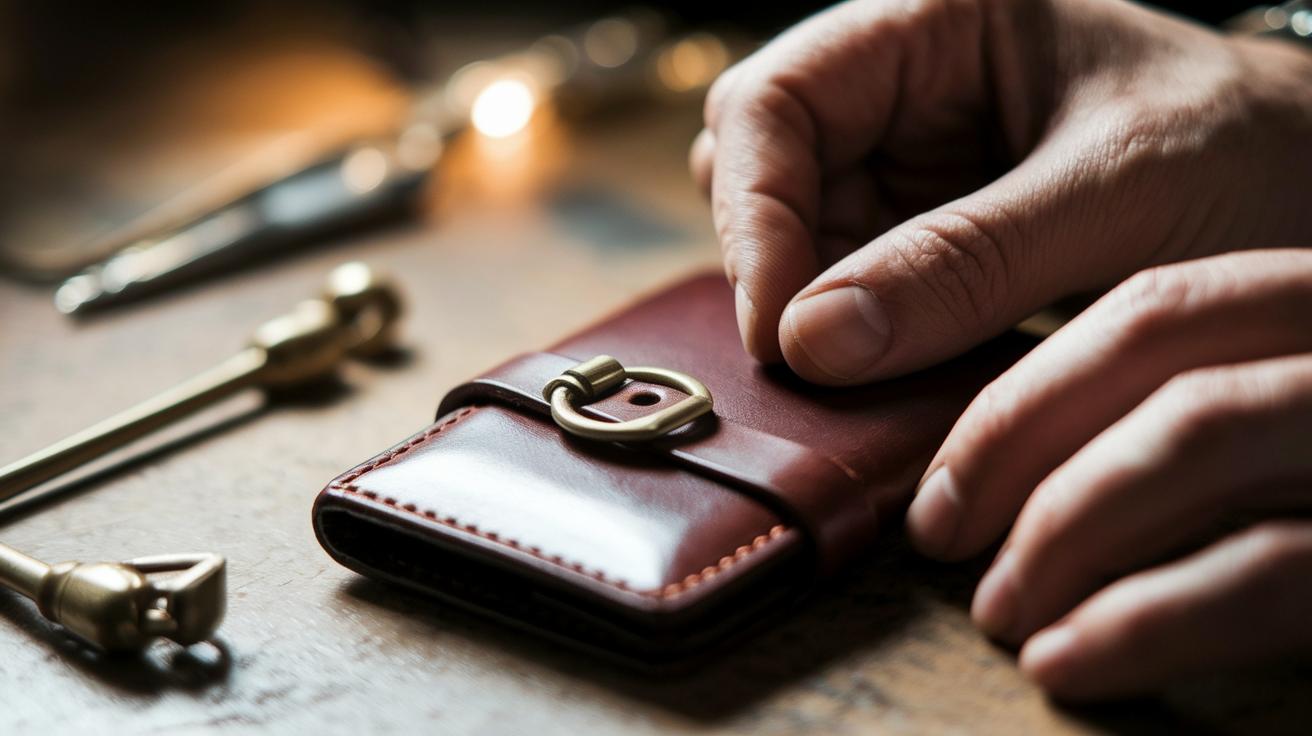
Start by feeling the raw materials. Run your finger over the leather to see if the grain is even and smooth. High-quality leather should feel buttery and rich and will soften nicely with wear. This tactile check works well with both men's and women's leather wallets.
Next, inspect the metal parts like buckles and snaps. Look closely at the edges and surfaces. If the metal has a clean, polished finish with no rough spots, it usually means quality alloys were used. For example, an office bag priced at Rs.3599 might feature subtly shiny, well-finished metal. But if the metal feels light or cheap, it could indicate the use of lower-cost materials, common in bags priced under Rs.799.
Also, check the textile details on straps or bag panels. A tight weave and smooth finish point to careful construction. Give the fabric a gentle tug to test its strength and examine the stitching. Neat edges and secure seams show that the designer paid attention to details.
Understanding how different materials are sourced and finished helps you see what makes an accessory durable and worthwhile.
Evaluating Craftsmanship and Build Integrity in Accessories
Start by getting up close and feeling every detail. Run your fingers along seams and edges. Check that the stitching is neat and even with no stray threads. For example, a leather wallet with tight, consistent stitching shows it was crafted with care. You can find more tips on accessory craftsmanship at our guide.
Then, take a close look at the hardware. Buckles, zippers, and metal accents should line up well and feel smooth to use. A zipper that glides easily and a buckle that snaps just right tell you the design was well thought out.
Next, examine the overall assembly. A balanced, symmetric accessory usually means careful design. Flip the item over to see if both sides match in detail. If the reverse looks off, it might be a sign of assembly issues.
Key things to check:
- Even, tight stitching with no loose threads.
- Hardware that lines up and works smoothly.
- A balanced design with matching sides.
- Well-finished edges on all parts.
By using these simple checks, you can pick out accessories that look great and stand up to daily use.
Testing Durability and Longevity in Accessory Quality

Hold the accessory in one hand and give it a gentle fold. This simple fold test checks if the seams or corners show any signs of strain. For example, even a wallet from a buy-2-get-1-free deal should not crack or bend sharply after a few folds.
Next, lightly run your fingernail or a small tool over its surface. This scratch test helps you see if the finish scratches too easily. Good quality materials like well-finished leather or metal should fight off minor scrapes and still keep their shine.
After that, pull on the buckles, zippers, and snaps with steady force. This hardware pull test makes sure everything stays firmly in place. If any part feels loose or slips, it might lead to problems over time, even if the price is a bargain.
Finally, test its water resistance by sprinkling a little water on the surface. Notice if the water beads up or soaks into the material. A water-repelling finish that keeps the accessory dry is a good sign of reliable treatment.
Key durability checks:
- Fold tests to check seam strength.
- Scratch tests to gauge surface toughness.
- Hardware pull tests to ensure secure parts.
- Water resistance tests to confirm treatment quality.
These hands-on tests reveal if the accessory is built to stand up to everyday use.
Authenticating Premium Accessories for Quality Assurance
Start by checking for any stamps or small marks on your accessory. Look on a piece of jewelry or inside a wallet for a tiny mark that shows where it came from. This mark tells you that the item was made with real, quality materials.
Next, take a close look at the serial numbers and the packaging. An authentic accessory usually comes with its original box or pouch that has clear labels and a serial code. Make sure this code matches what the brand lists in their records. For example, if you're holding a designer bag, the stamp and code should agree with trusted sources.
Also, pay attention to the construction details. Even if a fake item looks close, it might miss small things like neat stitching or tidy finishing touches. An accessory that shows even hardware and careful details usually comes from genuine craftsmanship.
Key points to check:
- Hallmarks or stamps that show the material source.
- Clear serial numbers and original, sturdy packaging.
- Neat assembly and consistent details that reflect true premium design.
Following these steps helps you confirm that an accessory is authentic and protects you from buying a counterfeit. Each check acts like a safety net so you can shop with confidence, knowing your accessory meets high standards in both style and quality.
Insider Tips for Completing Your Accessory Quality Appraisal
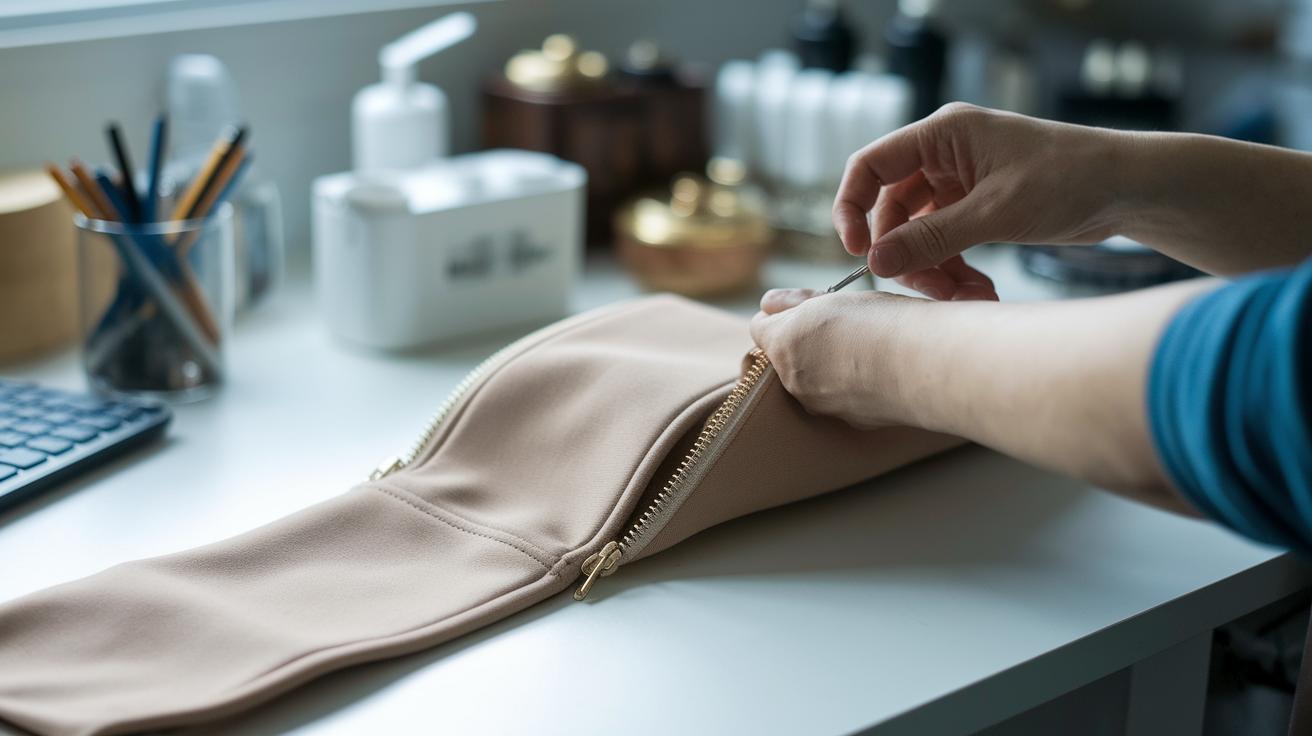
Before you finish your accessory check, run through these simple points:
- Look at the fabric to make sure it feels smooth and even.
- Check seams and edges to verify every stitch is neat and secure.
- Try out zippers and buckles to ensure they move easily and close properly.
- Give it a quick durability test to see if it holds up against folds and scratches.
- Double-check for stamps or serial codes on the packaging to confirm authenticity.
- Keep in mind that shapes with angles can balance a rectangular face – trust your own style judgment.
Final Words
In the action, this post breaks down key steps to assess accessory quality. It walks you through evaluating shape, material finish, and build integrity while highlighting stress tests for durability. It also explains how to verify authenticity and wraps up with actionable tips for styling confidence.
This insider’s guide to evaluating accessory quality helps you avoid surprises and make smart choices. Enjoy building a wardrobe that feels just right and stands up over time.
FAQ
What are the factors to be considered while selecting accessories?
The factors to consider when selecting accessories include design elements like shape, color, and scale, along with material quality and craftsmanship that influence durability and style.
What defines something as an accessory?
An accessory is defined as an item that adds a finishing touch and functionality to an outfit. Examples include jewelry, handbags, and belts that enhance your overall look.
What do accessories symbolize?
Accessories symbolize personal style and attention to detail. They serve as a visual statement of individuality and help complete and elevate your outfit.
What is the description of fashion accessories?
Fashion accessories are items crafted to complement and enhance an outfit. They typically include items such as bags, jewelry, and scarves, focusing on design quality and overall style.