

Quick verdict: New shoes don't have to be a pain at first.
Why we say this: When shoes are brand new, they can feel a bit stiff and challenging. But you can make them cozy without a long, hard break-in.
Tester tips:
- Try them on indoors for short periods.
- Wear snug socks to help stretch the material.
- Gently bend any tight parts to ease the stiffness.
These simple steps help the shoes slowly adapt to the shape of your feet. Enjoy a smoother fit and say goodbye to early discomfort.
Softening New Shoes for Instant Comfort
Start by trying your new shoes inside for 30- to 60-minute sessions. This helps the upper material gently shape itself to your feet without any pain. For instance, take a short walk around your living room before heading out for longer wear.
Wear a pair of thick socks during these sessions. They act like extra padding and help stretch the fabric slowly, cutting down on friction and reducing the chance of blisters.
Before each wear, manually bend the stiff parts like the toe box and heel collar. A little flex here and there loosens up the tight fibers, much like warming up before a workout.
For leather and synthetic shoes, you can use a hairdryer on a low setting for 5 to 10 seconds while wearing socks. Keep the heat low to avoid damaging the material. This low-heat approach further softens hard spots for a more comfortable fit.
By following these steps, your shoes will gradually adjust to your feet, building comfort with every indoor session and helping you avoid new-shoe pain.
Preparing New Shoes for Effective Break-In
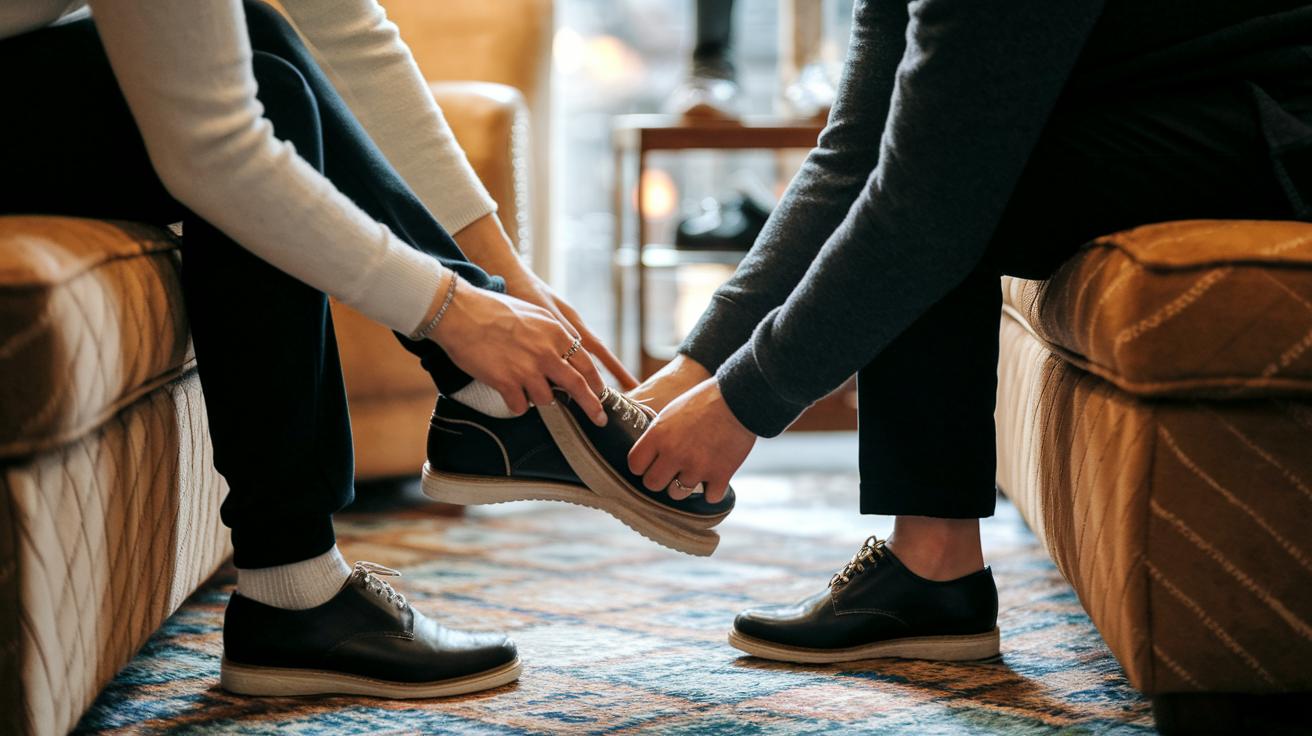
Start by making sure your new shoes fit just right. Shoes that are too tight or too loose won't soften well no matter what you try. Check that the toe area has enough space and the heel stays snug. If your toes feel cramped after a short walk, the fit isn't right.
Keep your shoes at room temperature during the break-in period. Cold spots can make the material stiff and slow down the softening process. If they end up in a chilly car overnight, let them warm up before you wear them.
Pay close attention to pressure spots like the toe box, instep, and heel. It helps to remember or jot down these areas so you can give them extra conditioning later.
Different materials need different amounts of time to break in. Lighter fabrics like mesh or canvas might feel good after one or two days of wear, while leather or stiffer synthetics can take a week or longer.
By checking the fit and keeping your shoes at the right temperature, you set the stage for a break-in that makes them comfortable without causing any pain later.
Material-Specific Conditioning for Comfortable Shoe Break-In
For leather shoes, start by applying a thin coat of leather conditioner or a spray stretch solution to any hard spots. Gently massage the product into the area, try using the toe box as an example, and work it in for about one minute. Then, let it sit for 10 to 15 minutes. This helps the leather fibers flex gradually without overwhelming them.
For suede and nubuck, keep things gentle. Use a dry suede brush to lift and refresh the fibers. Lightly brush over the surface without using water-based products, as these can change the color or texture. This method keeps the material soft and maintains its natural look.
Canvas and synthetic shoes need a different approach. Place them in a spot with soft, indirect sunlight for about 10 to 15 minutes, and be careful not to leave them out for more than 20 minutes. This brief, gentle warming helps loosen up the fibers without causing any warping.
Always check the care labels before you start, to make sure you don’t accidentally damage the shoe or change its color. These tips make it easier to break in your shoes while keeping them comfortable and true to their natural feel.
Accessories and Tools to Speed Up Comfortable Shoe Acclimation
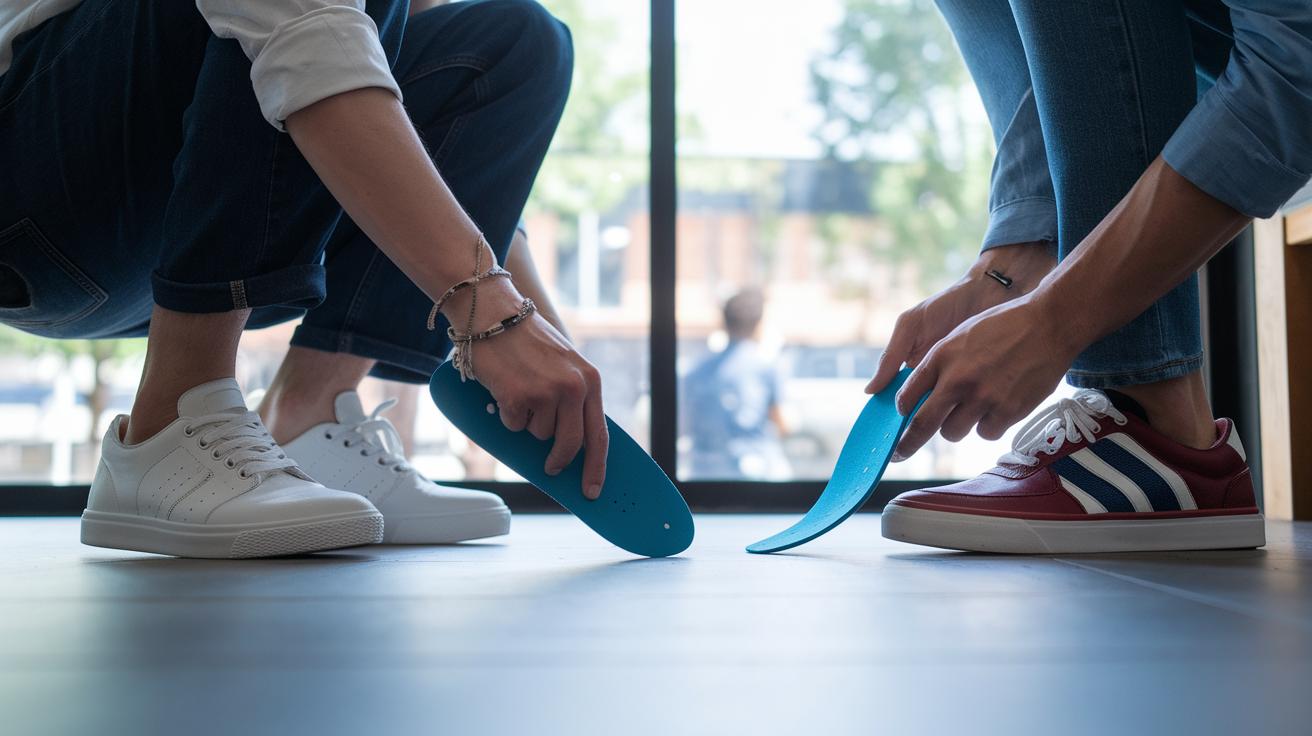
Using the right add-ons can make breaking in your new shoes a lot easier. Gel pads, cushioned insoles, and moleskin (a soft fabric used to protect skin) help reduce friction and protect spots that might rub too much. These simple tools let your shoes adjust to your feet over time.
Shoe stretchers and molds work by gently widening the shoe. Try wearing them for about two hours, checking every 30 minutes to make sure you aren’t over-stretching. This trick is ideal for dress shoes or boots that need more room at the toe or in the arch area.
Orthotic insoles provide extra arch support and help keep your heel stable. They spread out pressure evenly, reducing the chance of hot spots and making every step feel more secure.
If you prefer a professional touch, a visit to a cobbler can help. A skilled cobbler can stretch out stiff spots safely, giving you more confidence as you break in your shoes.
- Gel pads, cushioned insoles, and moleskin protect areas prone to rubbing.
- Shoe stretchers and molds gently increase the shoe’s width and length.
- Orthotic insoles offer custom arch support and stabilize your heel.
For more details on how to improve internal cushioning, see sneaker care instructions.
At-Home Routines for Gradual Comfortable Shoe Softening
Rotate your new shoes with a worn, trusted pair so your feet can relax. This helps the fresh shoes adjust slowly and avoids extra stress on the new material. Start with short indoor sessions of 30 minutes, and gradually work up to two hours as the shoes become more comfortable.
Before each session, take a few minutes to gently flex and massage the upper part of your shoes. Doing this keeps the material soft and helps relieve any tight spots. For example, softly bending the toe area over time helps the leather loosen up.
Wear thick socks during your indoor walks. They protect your feet and add a bit of extra pressure, which can help stretch out stubborn areas. One tester mentioned that thick socks felt like a mini warm-up for the shoes, giving them a slight stretch and extra cushion.
For a focused method, try the water-freezing trick. Fill a small bag with water, seal it, and tuck it into the tight parts of your shoes. Freeze the shoes overnight. As the water turns to ice, it slowly pushes the shoe material outward to create more room.
When the weather allows, leave your shoes in a spot with shaded sunlight for 15-20 minutes. The gentle warmth relaxes the fibers without overheating them.
- Rotate with a worn pair
- Gently flex and massage the uppers
- Wear thick socks for extra pressure
- Use the water-freezing method
- Let them sit in shaded sunlight briefly
Maintaining Comfortable Shoes Post Break-In to Prevent Stiffness
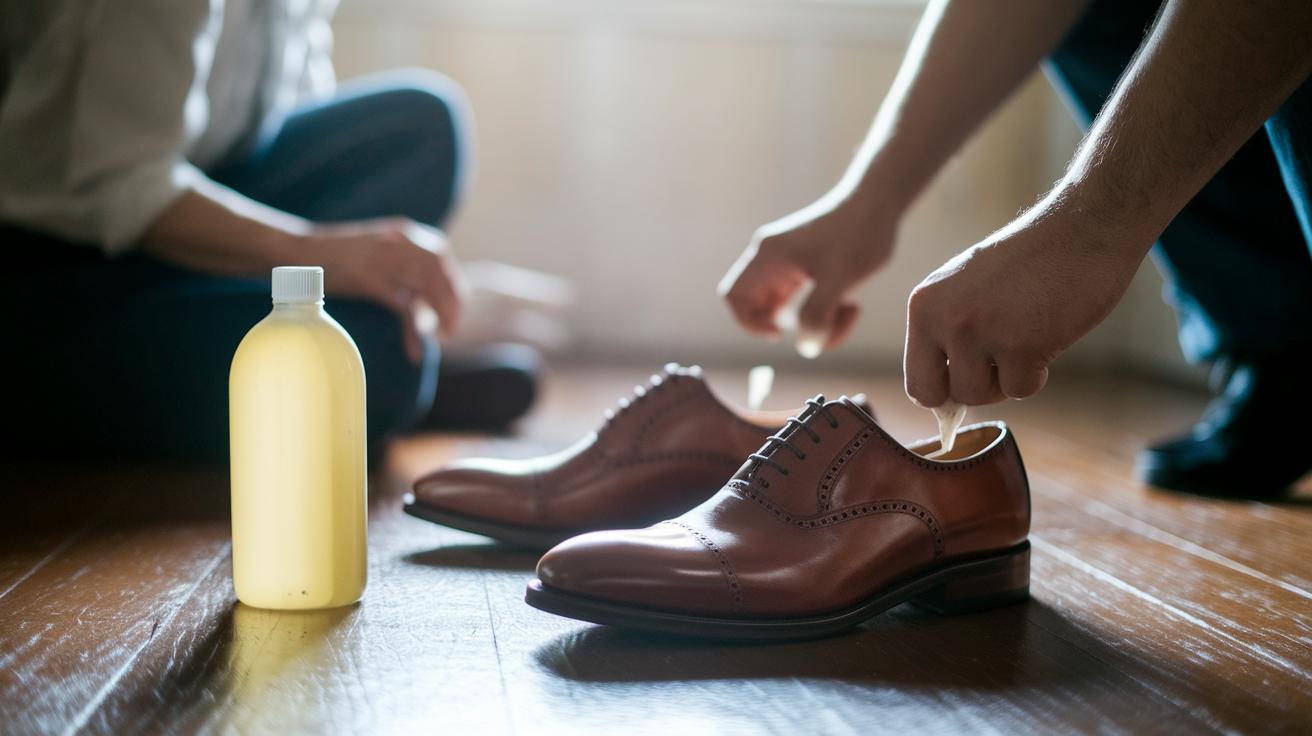
Once your shoes are broken in, keeping them soft is key. Every 3 to 4 weeks, give your leather shoes a light coat of leather conditioner or stretch spray. This helps the leather stay flexible and comfy.
Store your shoes in a dry room at a normal temperature. Avoid places like attics or garages where cold and dampness can make them stiff.
On busy days, try adding gel pads or insoles. They add extra cushion and protect pressure points, helping your shoes hold their shape. If you feel your shoes stiffening, spend a few minutes gently flexing them by hand or use a shoe stretcher for a quick fix.
If some spots stay tight even after these steps, it might be time to visit a cobbler. A pro can smooth out the problem areas while keeping your shoes comfortable for longer.
- Reapply conditioner every 3-4 weeks
- Store at room temperature in a dry spot
- Use gel pads or insoles on active days
- Flex by hand or use a stretcher if stiffness returns
Final Words
In the action, you've seen easy, practical steps to soften new shoes. Small indoor sessions, hand-flexing, and using tools like gel pads can quickly lead to smoother, more molded footwear. The post broke down methods for leather, canvas, and synthetic materials, even sharing tips on keeping shoes comfortable long-term. These methods show how to break in comfortable shoes without a hassle. Keep testing and adapting techniques that work for you, and enjoy wear that feels custom-made for your feet.
FAQ
How do I break in comfortable shoes as discussed on Reddit and for men’s styles?
Breaking in new shoes means gradually wearing them indoors for 30–60 minutes, using thick socks to reduce friction, and gently flexing stiff spots, making the shoe adapt comfortably to your foot.
How do I break in shoes that rub my heel?
To stop shoes from rubbing your heel, use thick socks and apply gentle pressure on the tight area. Flex the heel collar and, if needed, use a bit of heat with a hair dryer to ease the tightness.
How can I break in shoes without actually wearing them?
You can break in shoes without constant wear by manually bending stiff spots, using a shoe stretcher for gradual material stretching, and applying mild heat to relax fibers for a more comfortable fit.
How do I break in new and leather shoes quickly?
For a quick break-in, wear thick socks for short indoor walks and flex tight areas by hand. For leather, massage a conditioner or spray a stretch solution to soften the material and speed up acclimation.
What is the best way to break in shoes and what is the 3 shoe rule?
The best method involves short, gradual wear sessions paired with gentle stretching. The 3 shoe rule advises rotating three pairs so new ones aren’t overworked, helping them break in more evenly.
How long should it take to break in new shoes?
Break-in time depends on material: lighter fabrics may soften within one or two days, while leather or stiff synthetics can take a week or longer with regular, gradual wear sessions.
How do I soften new shoes overnight?
Soften shoes overnight by using methods like the water-freezing technique—insert sealed water bags to stretch tight areas—or by wearing warm socks with mild heat application, easing stiffness by morning.