

Ever notice how some outfits look like art you can wear? They have bold shapes and fun textures that change the way you think of style. Today, we talk about a look that takes regular clothes and turns them into a cool statement. We explain how clever cuts and unexpected fabrics mix together to give everyday wear a fresh twist. Keep reading to find out how daring designs and new shapes invite you to leave the usual behind and try something bold.
define avant garde fashion: Bold, Inspiring Style
Avant garde fashion is all about fresh ideas and daring designs. This style mixes art with clothing by using sharp shapes and unexpected fabrics. Imagine a jacket with clear angles and unique textures that make you question what a jacket should look like. It offers more than everyday wear, it feels like a mini art show you can use.
The term comes from French, meaning "advance guard." It nods to designers who lead the way in new ideas. They twist shapes, use surprising materials, and play with texture to create looks that catch your eye. In short, avant garde fashion invites you to try something new and feel inspired every time you dress.
Historical Origins of Avant Garde Fashion
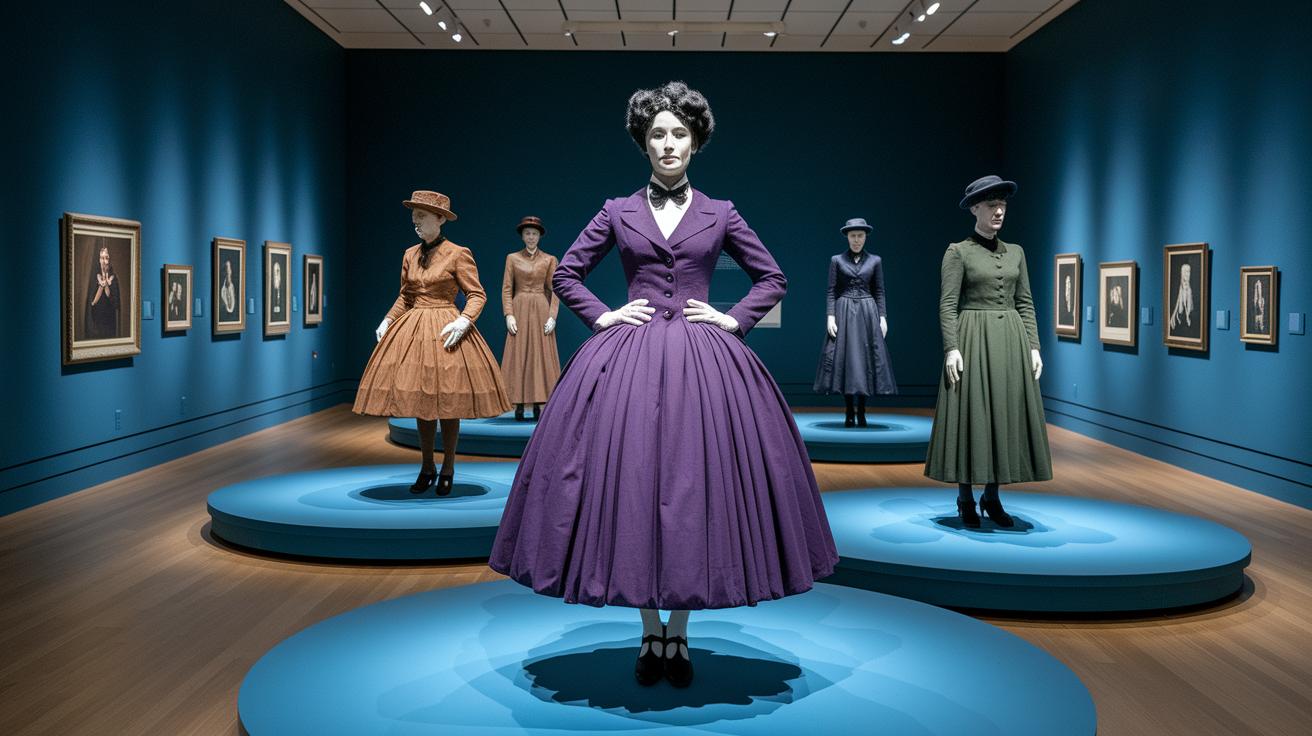
Avant-garde fashion began in the early 1900s as part of a wider art movement. Artists in film, music, painting, and writing started breaking away from old rules. At first, the term was for creative minds who did things differently in any art form. When their ideas reached clothing, designers focused on styles that defied expectations with extreme contrasts, odd shapes, and striking silhouettes.
In the 1920s, Japanese designers blended European dress with straight, clean cuts and loose, flowing forms. The result was a bold, fresh look that opened the door for modern design. Over time, this fearless and hands-on approach evolved into a well-known movement that still fuels creative self-expression today.
Key Characteristics of Avant Garde Fashion
Avant garde fashion dares to change the rules. Designers create shapes that stray from what we usually expect. They often play with form and surface to make pieces that look different and bold.
Imagine a jacket that looks like it was carved from stone. It has sharp angles and uneven lines instead of smooth curves. Some pieces even seem more like art than clothing, with striking shapes that make you take a second look.
Designers also mix in new materials to give a futuristic feel. They combine high-tech fabrics like 3D-printed material (plastic made by a printer) with natural fibers. Picture a dress where one part feels like smooth molded plastic and another feels soft like nature. Wearing it feels like wearing artwork, with each section sharing its own story.
They use unique construction methods to keep the art front and center, even if it means everyday comfort takes a back seat. Techniques like mismatched seams, deconstructed layers, and surprising fabric combinations make each item a statement piece. Think of trousers with a rough, unfinished look and sculpted shapes that change the way you move. Each piece sets its own rules and sparks creative conversation.
Avant Garde Fashion Compared to Couture and Mainstream
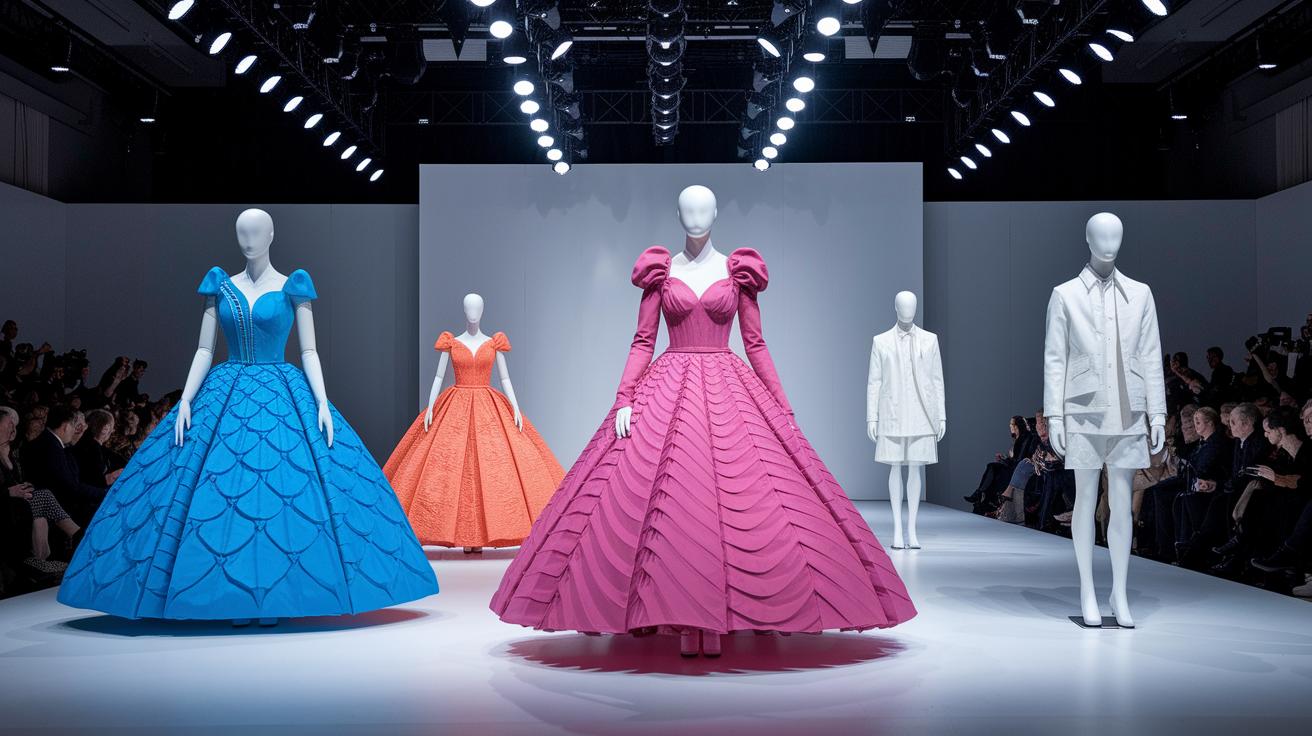
Avant garde fashion is all about taking creative risks. It experiments with new ideas and shapes that feel more like art than everyday clothes. Think of a piece with bold curves and surprising details that make you look twice. In contrast, haute couture is about handcrafted luxury. It focuses on detailed tailoring meant for a very exclusive crowd. And then there is mainstream fashion, which relies on following trends, making clothes in large numbers, and offering fits that most people find comfortable.
A quick look at their differences can clear things up. The table below shows how each style handles design, materials, and overall purpose.
| Aspect | Avant Garde Fashion | Haute Couture | Mainstream Fashion |
|---|---|---|---|
| Design Focus | Experiments with art and culture | Handcrafted luxury with careful details | Follows trends for mass appeal |
| Silhouette & Fit | Unique shapes that break traditional molds | Tailored cuts aimed at a perfect fit | Standard designs made for everyday wear |
| Materials & Techniques | Innovative fabrics and creative construction methods | Rich fabrics paired with hand-finished details | Durable materials optimized for production |
| Purpose | Challenges norms and sparks new ideas | Emphasizes exclusivity and luxury | Offers practicality and current trend appeal |
This comparison shows that each approach serves different needs: avant garde makes a bold artistic statement, haute couture offers refined luxury, and mainstream fashion gives everyday accessibility.
Influential Avant Garde Fashion Designers
Innovators like Iris van Herpen and Anouk Wipprecht mix tech with art to shape the future of fashion. They use tools like 3D printing and robotics (machines that build designs layer by layer) to create futuristic shapes that break the usual rules. Their work feels as much like art as it does like clothing, showing us that style can be bold and different.
Big fashion houses are also jumping on this creative trend. Gucci's latest collection at gucci runway features gender-neutral cuts and layered looks that put a fresh spin on classic styles. Meanwhile, Balenciaga's shows at balenciaga fashion show mix unexpected fabrics in a way that blurs the line between art and what we wear. These creative moves invite everyone to rethink what fashion can be.
Cultural Impact and Contemporary Relevance of Avant Garde Fashion
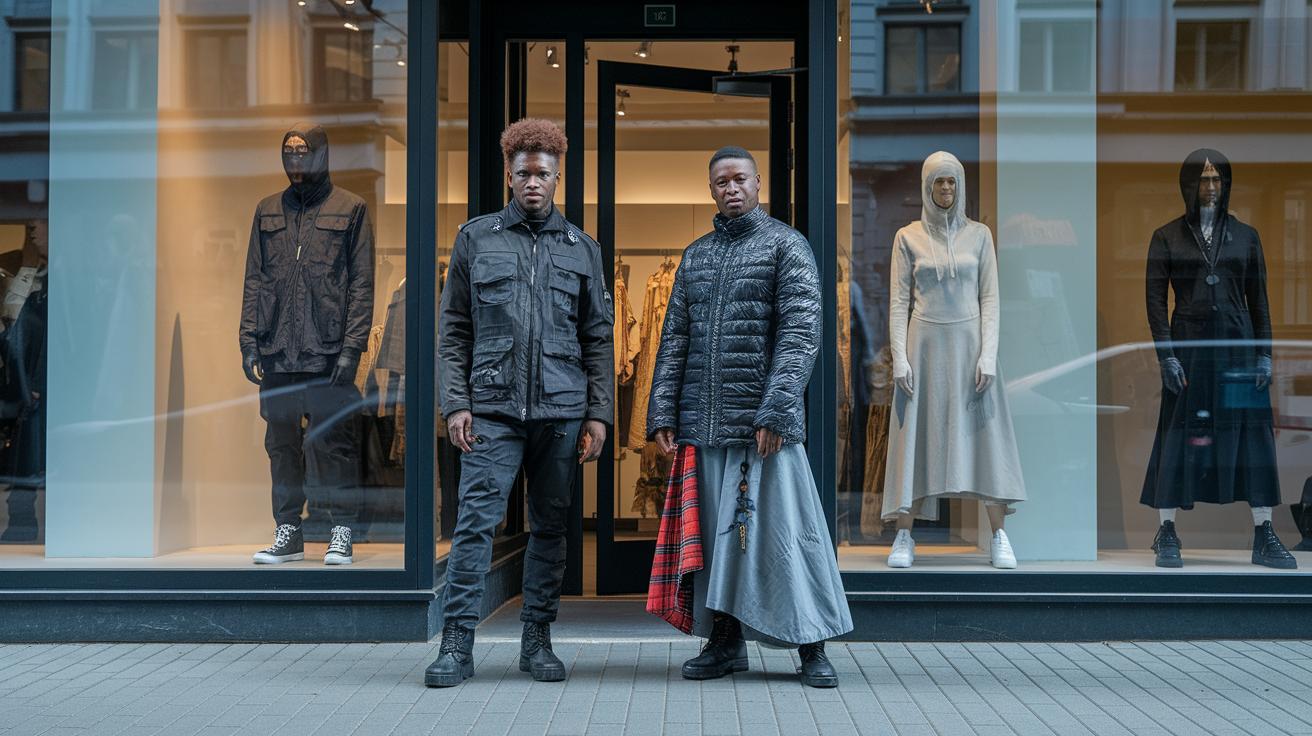
Avant-garde fashion has moved from exclusive runways into everyday style. It offers eye-catching pieces that work great with simple basics. By mixing art with daily wear, it shakes up old ideas and invites you to try bold, new looks. This change makes creative outfits easier to create, letting more people add unique shapes and unexpected textures to their wardrobe. Some folks love its playful side, while others wonder if it strays too far from classic styles.
At the same time, this style connects with social and political trends. Designers mix fresh techniques and new technology (tools that make creative designs possible) to craft pieces with personal and political meaning. Imagine a standout, sculpted blazer teamed with classic jeans to express your view on today's issues. This blend of art, tech, and activism shapes our cultural conversations and points the way for future trends. Avant-garde fashion remains a strong, evolving force that shows just how powerful clothing can be in speaking to our modern world.
Final Words
In the action, we explored the core points of avant-garde fashion. We defined its radical design ethos, traced its historical roots, and broke down its signature unconventional silhouettes and materials.
This review shows how to define avant garde fashion while comparing it to couture and mainstream trends. It also highlights key designers and the cultural impact that keeps this style fresh and relevant. The discussion leaves us with a positive note on innovation and creative expression in fashion.
FAQ
What does avant-garde fashion mean?
Avant-garde fashion means using creative and experimental ideas in clothing. It breaks rules with unusual silhouettes, unexpected materials, and inventive designs that set it apart from traditional styles.
How can I recognize avant-garde style or design, and what does it look like?
Avant-garde style is identifiable by sculptural shapes, unconventional fabrics, and bold, artistic details. It often features asymmetric lines and dramatic constructions that challenge standard fashion aesthetics.
What are some avant-garde fashion examples?
Avant-garde fashion examples include garments with exaggerated shapes, innovative materials like 3D-printed fabrics, and layered designs. These pieces often appear in collections that break traditional silhouettes and embrace creative experimentation.
Who are notable avant-garde fashion designers?
Notable avant-garde designers include innovators like Iris van Herpen, along with brands that push creative boundaries using advanced technology and artistic concepts to redefine conventional design.
What is the history of avant-garde fashion?
The history of avant-garde fashion begins with early 20th-century art movements and 1920s Japanese reinterpretations of European dress. It evolved as designers challenged norms with radical forms and innovative ideas over time.
Which brands are known for avant-garde fashion?
Brands known for avant-garde fashion are those that embrace creative risk, using unusual shapes and innovative materials. They include both luxury houses and emerging labels that redefine style through experimental designs.
What about Avant Garde Fashion earbuds?
Avant Garde Fashion earbuds combine modern tech with unique design, featuring futuristic lines and distinct aesthetics. They cater to consumers seeking accessories that offer both standout style and practical functionality.
Is there an avant-garde fashion city?
An avant-garde fashion city refers to urban centers like New York or Tokyo known for fostering innovative design and creative experimentation. These cities often lead trends through a supportive art and fashion community.