

Quick Tip: Get Your Belt to Fit Right
Ever notice how your belt never seems to sit right? It could be that you’re simply using the wrong size. A quick rule to remember is to add two inches to your pant size. This little trick gives you extra room and a comfortable fit.
Why the Middle Hole Matters
Buckle your belt at the center hole. Doing so creates a balanced look around your waist and ensures the belt feels natural. A few extra inches can make all the difference, turning your belt into a trusty part of your outfit.
Decoding the Belt Size Chart for the Perfect Fit
Most belts come with five holes spaced about 1 inch apart. We usually buckle the belt at the middle hole because it gives a balanced feel. For example, if you have a 34-inch belt, buckling it in the center leaves equal room on both sides of your waist. This design makes the belt comfy while letting you move easily at work or during a casual day out.
A simple rule for finding your belt size is to add two inches to your pant size. So if your waist measures 32 inches, a 34-inch belt should work well. That extra length accounts for where the buckle sits and covers slight changes in your body measurements. Using this rule helps you avoid belts that are too short or too long, and it keeps the middle hole aligned with your natural waistline, even if you wear low-rise styles sometimes.
| Pant Size (inches) | Belt Size (inches) |
|---|---|
| 32 | 34 |
| 34 | 36 |
| 36 | 38 |
| 38 | 40 |
When picking your belt, try to use the middle hole for the best fit. If your waist measurements fall in between sizes, choosing the next larger belt can help keep the fit relaxed and comfortable while still looking good.
Belt Size Chart: Your Perfect Waist Match

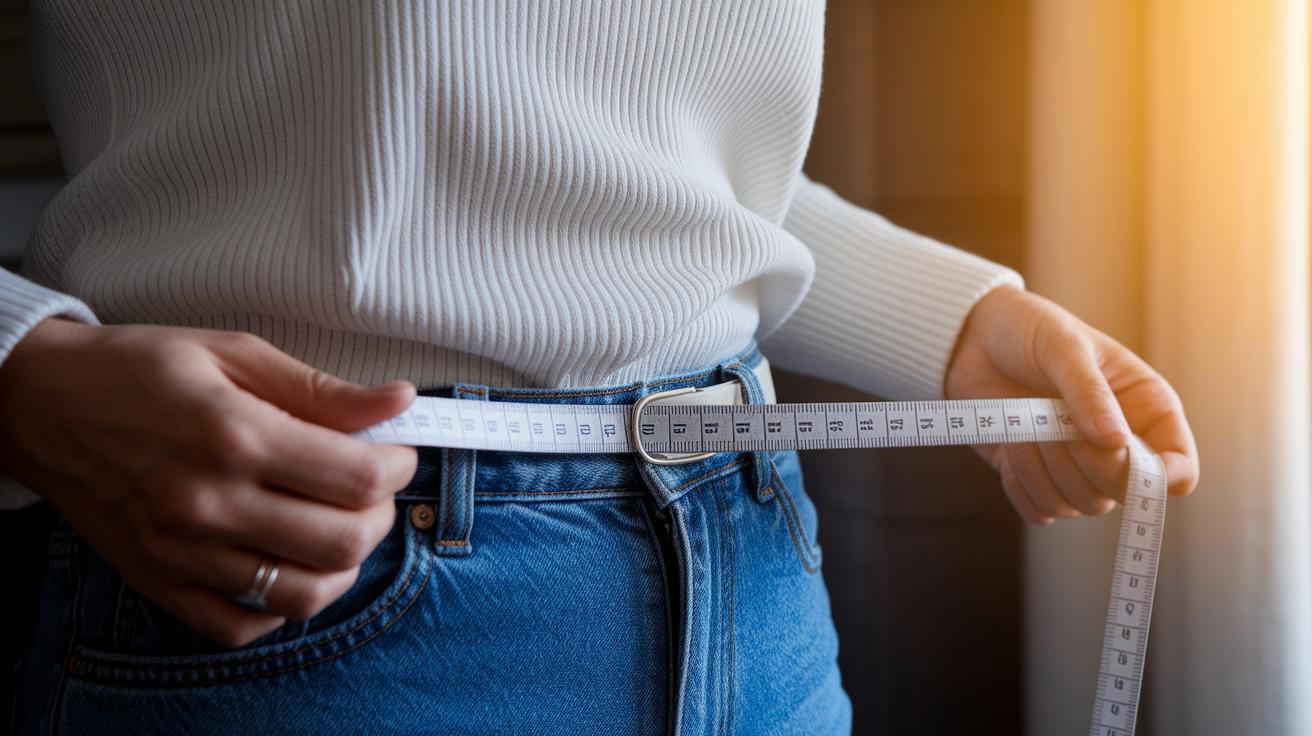
Grab a soft, flexible measuring tape that moves with you. It works best when checking the size of your waist or hip. Make sure your tape is accurate to the nearest quarter inch so you know your true measurement.
- Start by placing the tape at the spot you usually wear your belt.
- Read the number on the tape where it meets, and write it down.
- Skip the buckle by starting at the very beginning of the leather and measuring to the middle hole. (See our comprehensive review of accessory fastening quality for more details.)
- Check that the measurement fits with the center hole for even spacing on both ends.
Measuring carefully is key. Hitting the middle hole means both ends are even, which keeps the belt comfortable and lets it hang right while you move. Follow these simple steps and your belt will fit perfectly, keeping you secure and stylish all day.
Waist-to-Belt Conversion with the Belt Size Chart
For a regular belt fit, add 2 inches to your waist or pant measurement. So if your waist is 36 inches, you should try a 38-inch belt. That extra length lets the belt sit comfortably and makes sure the middle hole lines up nicely on your body.
| Waist/Pant Size (inches) | Belt Size (inches) |
|---|---|
| 32 | 34 |
| 34 | 36 |
| 36 | 38 |
| 38 | 40 |
When it comes to low-rise jeans, measure where the belt actually sits on your hips because you might need to add 3 or 4 inches instead. If your measurement falls between two sizes, go with the larger belt for a better and more comfortable fit. Custom sizing options are also available, with adjustments made in quarter-inch increments for a more tailored feel.
International Belt Size Chart: Inches, Centimeters, and Global Standards

When choosing a belt, keep in mind that different regions use different measurement systems. In the United States, belts are sized in inches with holes spaced about 1 inch apart. In many European countries, belts use centimeters, which tend to match your waist size closely. If your waist measurement falls between two sizes, it’s usually best to pick the larger belt for a snug yet comfortable fit.
US Belt Sizing Standards
US belts are measured in inches and are made with five evenly spaced holes. The design is set up so that the middle hole hits your waist just right. For example, if your waist measures about 38 inches, the belt size allows room for small adjustments, ensuring a balanced fit and extra comfort on either side.
European Conversion Chart
European belts are marked in centimeters, and the math is simple since 1 cm equals about 0.39 inches. This makes it easy to convert your inch-based size to the European version. The consistent hole spacing means you'll enjoy a uniform fit, no matter which measurement system you use. If you’re ever caught between US and EU sizes, always choose the larger measurement to help the middle hole line up perfectly for a secure, comfortable wear.
Belt Size Chart Variations: Materials, Styles, and Brands
Different belt materials can change how a belt fits, even if you use the usual sizing rules. Stretch leather and woven fabric feel soft and flexible, but the holes may shift as the material wears. The method of adding inches to your pant size still works, even when the fabric softens. Taking care of your belt, like following tips on how to maintain the quality of your fashion accessories, helps keep the holes aligned and the leather firm.
Style and Material Impact on Belt Fit
Leather belts made from stiffer hides keep their holes in place well. Belts from fabric or stretch leather feel more forgiving but might change shape over time. Casual belts may not have perfect precision, while designer belts tend to fit more exactly. The fabric you choose matters for both durability and how the belt hugs your waist.
Custom and Made-to-Measure Belt Options
If standard sizes never seem right, custom belts could be the answer. Getting measured to the nearest quarter inch gives you a belt that fits perfectly. Custom options work well for thicker materials and unique design needs. By balancing your style and precise measurements, you can choose a belt that looks great and stays comfortable over time.
Troubleshooting Belt Size Chart Issues
One common slip-up is using an old, worn-out belt that has stretched over time. When you do that, it can trick you into picking a wrong size since the belt no longer keeps its true shape. Another mistake is measuring at the wrong spot on your body, especially when your waist might be a bit larger at certain times of the day. Missing the middle hole as your target can also throw off the fit, making the belt feel too tight or too loose.
For a steady and reliable fit, check your measurements again if you notice any big changes in your body or if you measure at different times. If the belt doesn’t feel right, try shifting it by one hole until the middle hole sits comfortably on your waist. Using a fresh, flexible tape every time helps cut out the guesswork and ensures you always get the proper fit.
Final Words
In the action, we tackled belt measurement basics, from precise sizing tips and step-by-step fitting to converting waist measurements and handling international standards. We broke down how to use a belt size chart and addressed material and troubleshooting issues so you can pick the right belt every time.
These easy-to-follow tips help reduce buyer's remorse and ensure your belt fits comfortably. Enjoy the confidence of a well-fitted look and a wardrobe that really works for you.
FAQ
Q: What does a belt size chart for women and men show?
A: The belt size chart for women and men shows belt lengths based on waist measurements. It usually follows the rule of adding two inches to your pant size for the perfect belt fit.
Q: What do belt size charts labeled 80 and 90 mean?
A: The belt size charts labeled 80 and 90 indicate belt lengths in centimeters. A belt marked 90 cm is longer than one labeled 80 cm, so pick according to your waist size and preferred fit.
Q: How do I read a belt size chart in centimeters?
A: A belt size chart in cm lists measurements that match your waist size directly. This system helps you compare sizes, especially when converting between international measurements.
Q: What belt size should I buy for a 32-inch waist?
A: For a 32-inch waist, add two inches to get a 34-inch belt size. In centimeters, that’s roughly 86 cm, ensuring the belt fits comfortably when fastened at the middle hole.
Q: What belt size should I choose for a 34-inch waist?
A: A 34-inch waist typically calls for a 36-inch belt. This extra length allows for proper adjustment and easy fastening at the middle hole for a secure, comfortable fit.
Q: How do I calculate my belt size?
A: Calculating your belt size is simple; add two inches to your pant or waist measurement. This extra allowance lets you fasten comfortably at the middle hole for a proper, relaxed fit.
Q: How big is a 36-inch belt?
A: A 36-inch belt measures 36 inches from the start of the leather to the middle hole. This length is ideal for those with a 34-inch waist, following the standard add-two rule.
Q: Is there a belt size chart for kids?
A: Yes, belt size charts for kids are available. They provide smaller measurements based on waist circumference and age, ensuring that kids’ belts are sized for comfort and secure wear.