

Ever held a shiny piece of jewelry and wondered if it is really good quality? A quality piece often feels a bit heavier and carries clear marks like 925 or 18K. These marks tell you that the piece is made from fine metals.
In this guide, we explain the simple clues that show a piece is built to last. Look for smooth finishes and secure gemstone settings. These small details reveal real value and can help you avoid a bad buy.
Essential Jewelry Quality Markers: How to Tell If Jewelry Is Quality at a Glance
- A quality piece feels heavier because it uses fine metals like gold, platinum, or sterling silver. A solid gold bracelet, for example, has a weight that makes it clear it is not just plated.
- Look for clear marks like "925," "14K," "18K," or "PT." These numbers show that the metal is real and meets quality standards. Missing marks can be a warning sign.
- The finish should be smooth all over. A good piece has an even surface without bumps, much like a polished stone that feels soft and refined in your hand.
- Check the plating thickness. A thick, even layer will resist tarnishing and hold its look longer. Thin or uneven plating can wear off quickly.
- Look at how the gemstones are set. Secure prongs and steady spacing show that the stones are firmly held. A loose or wobbly stone may signal a problem with the craftsmanship.
- Notice how the gemstones sparkle. High-quality stones reflect light with bright, rainbow-like flashes, whereas a dull shine might mean the stone is low grade or synthetic.
- Compare the price to the quality you expect. Fine metals and well-set stones usually come with a higher cost, so a very cheap piece might be a red flag.
- Consider skin comfort. Quality metals rarely cause irritation or discoloration, which is a good sign of both purity and care in making the jewelry.
Precious Metal Analysis: Verifying Jewelry Metal Purity
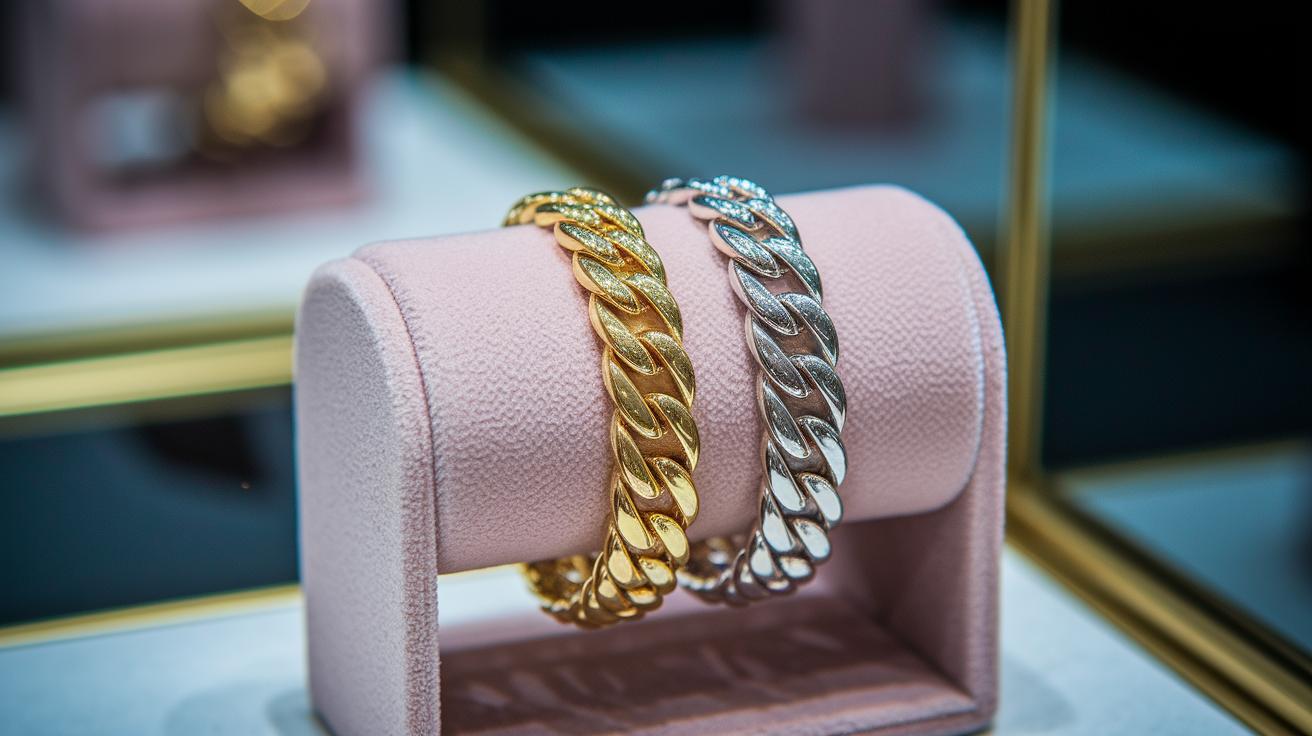
When you hold jewelry made from fine metals like gold, platinum, or sterling silver, it feels noticeably heavier. That extra weight usually shows the piece is of higher quality. For example, a solid gold tennis bracelet will feel weightier than a piece that's just plated.
You can check a piece quickly by looking at three simple areas:
-
Weight and Comparison
- Quality pieces feel solid and heavy.
- When you compare two items side by side, the heavier one is usually made of solid metal rather than just a thin coating.
-
Finish Quality and Plating Consistency
- Look for a smooth, even finish over the whole piece.
- Check the edges carefully; if they are even without any rough spots or peeling, it means the metal is more genuine.
-
Hallmark Markings for Metal Authenticity
- Clear stamps like 14K, 18K, or 925 show that the metal meets industry standards.
- A bracelet marked "18K" is much more likely to be made from real gold than one without any marks.
A simple tip: always compare pieces side by side. If one feels noticeably heavier and has a smooth, consistent finish, it’s probably the real deal. For more details, check out “understanding accessory manufacturing standards” (https://jankreviews.com?p=1484).
Hallmark Verification Guide: Reading Jewelry Stamps and Maker’s Marks
Take a close look at every part of the jewelry. Real pieces show clear marks like 925 for sterling silver, 14K or 18K for gold, and PT or Plat for platinum. For instance, if you see an indented "18 Kt" on a gold ring, it tells you the metal is pure.
Check for evenly spaced markings that include:
- Maker's marks, often found on the back or in hidden spots
- Country codes or designer symbols hinting at a trusted origin
If marks are missing, look uneven, or the numbers and letters seem off, consider this a warning sign. When the details are tiny or hard to see, grab a magnifying glass and inspect closely, just like you would when checking the fine print on a rare watch.
Gemstone Authenticity Examination: Spotting Genuine Jewelry Stones
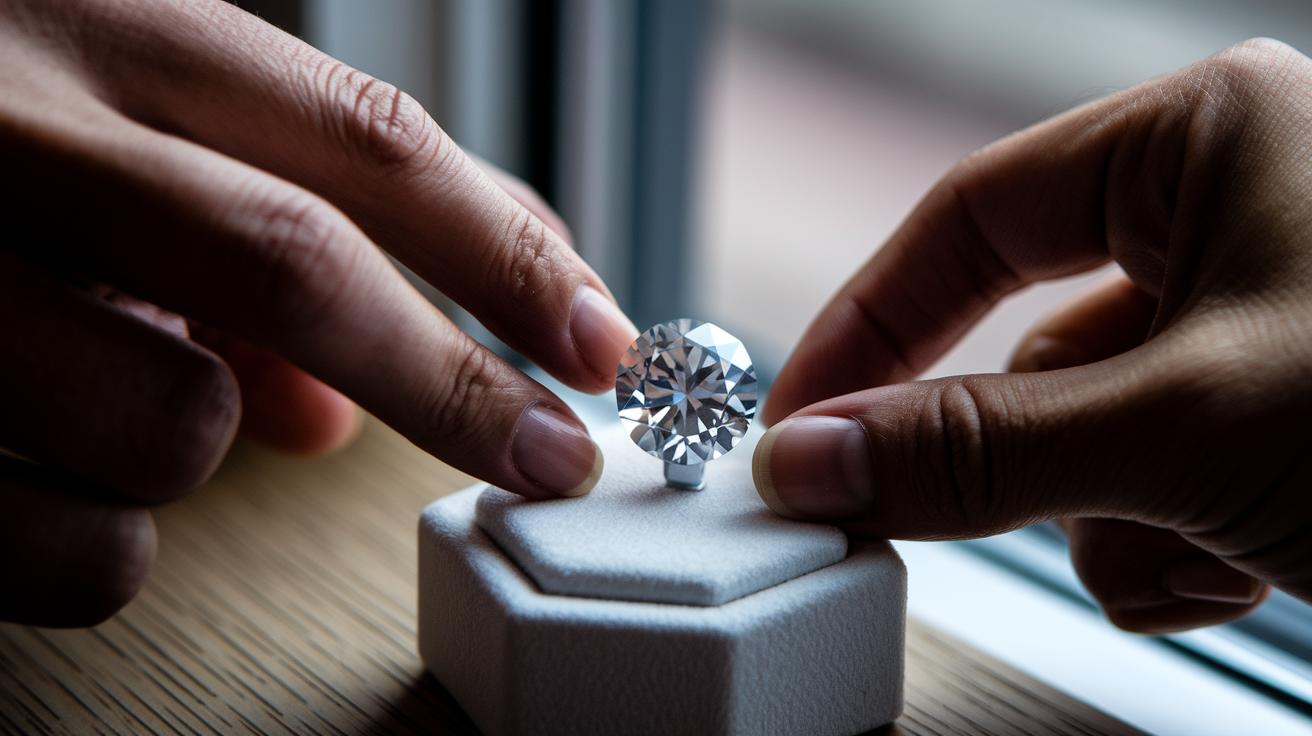
Test your gemstones in different lights. In bright daylight, a real gem shows off its vibrant sparkle and deep color. Indoors, you might see small shifts in color or hints of cloudiness. Try holding a diamond by a window and notice how its little flashes of color change with the light.
Look for natural color and texture. Real stones like diamonds, sapphires, or emeralds won't look overly even or flat. They feel cool and solid in your hand and shine with a natural glimmer that fakes just can't match.
Take a close look at the stone's setting. The metal prongs should hold the gem securely with no wiggle. Loose or uneven prongs can be a sign of lower quality work.
Always check for a lab certificate. Reputable labs like GIA or AGS provide documents that explain the stone's cut, clarity, and origin. This paper trail confirms that what you see is truly natural.
Craftsmanship Appraisal Methods: Evaluating Jewelry Build Quality
Check every part of your jewelry. Top pieces have a smooth metal finish on all surfaces, even those easy-to-miss backs. Run your finger over the metal. If it feels even and bump-free, you know the work is good.
First, give it a visual look. Here are the things to watch for:
- Even, polished surfaces with no rough spots.
- Smooth edges and corners.
- Plating that looks even and stays in place, without any peeling or flaking.
Next, look at the small details. For example, the tiny prongs that hold the stones need to be lined up and set tightly. Gently move the stone with your fingertip. If it wobbles or seems off, it suggests the piece wasn’t made correctly.
Now, check the chain and clasps. Real jewelry has links that are all the same size and move with a steady flow. Clasps, whether they are lobster claws or spring rings, should close firmly and work without extra effort. A quick tug on the chain can help you spot any weak links.
Finally, study the stone settings closely. Look for evenly spaced, polished prongs that keep the stone secure. If you see any bending, uneven spots, or rough areas, it points to lower quality work. Trust your eyes and touch when making your choice.
Counterfeit Detection Strategies: Red Flags in Jewelry Quality
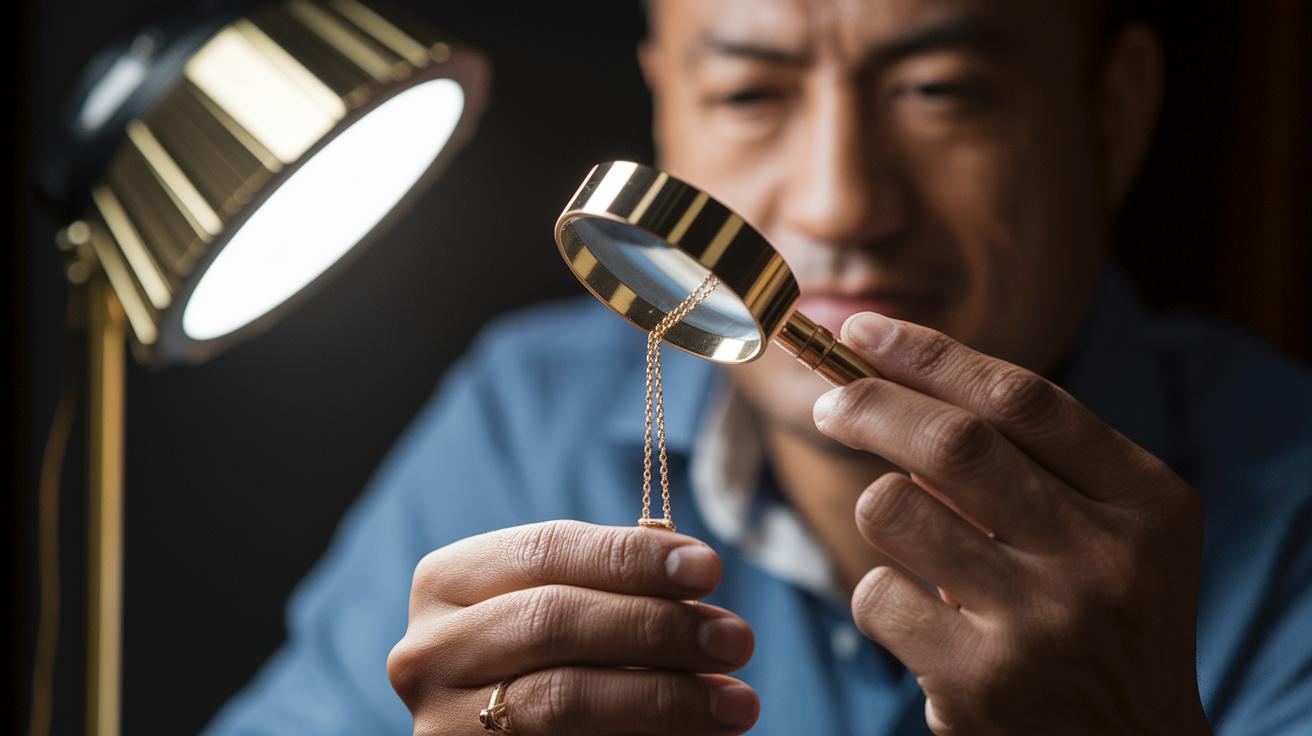
While checking hallmarks and gemstone authenticity is important, some price and finish details can also point to a fake. Here are a few clear signs to watch for:
-
If the price is much lower than expected. For example, a designer piece sold at a bargain price might use poor materials. It is like finding a luxury necklace that costs so little, you wonder if it might be a knock-off.
-
If the finish looks overly shiny or resin-like. Sometimes a perfect shine is used to cover up rough edges or gaps. This can mean the piece might not hold up well over time or be worth as much later.
These tips go along with looking at hallmarks, loose prongs, or uneven plating. Keep an eye out for these details to help you make a smarter choice when buying jewelry.
Reputable Vendor Signals: Choosing Reliable Jewelry Sellers
Trustworthy jewelry sellers show clear return policies and simple language, so you know what you're getting into before you buy. When a seller offers warranties and clear refund rules, it means they stand behind what they sell. Customer reviews and third-party certificates, like assay reports (lab tests that check metal quality), also help you trust that the jewelry is real.
A good product page is packed with details. Look for information about where the metal comes from, how the piece is made, and any marks that confirm its authenticity. When a retailer provides these details, it shows they care about offering genuine, high-quality jewelry. Expert recommendations and available lab reports are extra signals that the seller is reliable.
Be cautious when you see very low prices on high-end items. Deep discounts might hint at lower quality or clearance of older stock. If the price feels too good to be true, ask about the item’s history. Reliable sellers welcome your questions and offer clear, documented answers.
- Clear return and warranty policies
- Detailed product information and third-party certifications
- Expert recommendations and available assay reports
A seller who meets these marks is more likely to deliver a piece of jewelry that you can trust and enjoy.
Final Words
In the action, we covered top quality markers, from heft and hallmark checks to gemstone sparkle and secure crafting. We explained visual cues and detailed testing steps to spot red flags and verify authenticity. The guide helps you cut through noise when choosing a reputable seller, making evaluation simple and practical. This approach is key when learning how to tell if jewelry is quality. Enjoy confident shopping knowing you have the tools to pick pieces that truly meet your standards.