

Ever wonder why some costume jewelry stays shiny while others fade fast? It is not just about looks. The secret lies in how well the piece is built. Look for solid construction, real metal parts, and finishes that can handle everyday wear. In this guide, we share easy clues to help you find costume jewelry that remains stunning time and again.
Essential Quality Indicators for Costume Jewelry
Costume jewelry that holds its quality uses strong materials that don’t fade or tarnish easily. A good piece keeps its shine after lots of wears and has a finish that stands up to everyday use. Product tags that mention what metal is used and the type of plating (for example, stainless steel with thick rhodium plating) can be a good hint that the jewelry will last.
It also helps to see clear photos from many angles and read reviews from other buyers to check the craftsmanship. High-resolution images let you look closely at details like solder joints and even plating, and they show that decoration pieces are securely set. Customer reviews often share real-life wear details, which can point out any weak spots.
Finally, a solid warranty and easy return policy are good signs. When a brand stands by its product with these options, it usually means the jewelry has been carefully tested for durability.
Understanding Materials and Metal Alloys in Costume Jewelry
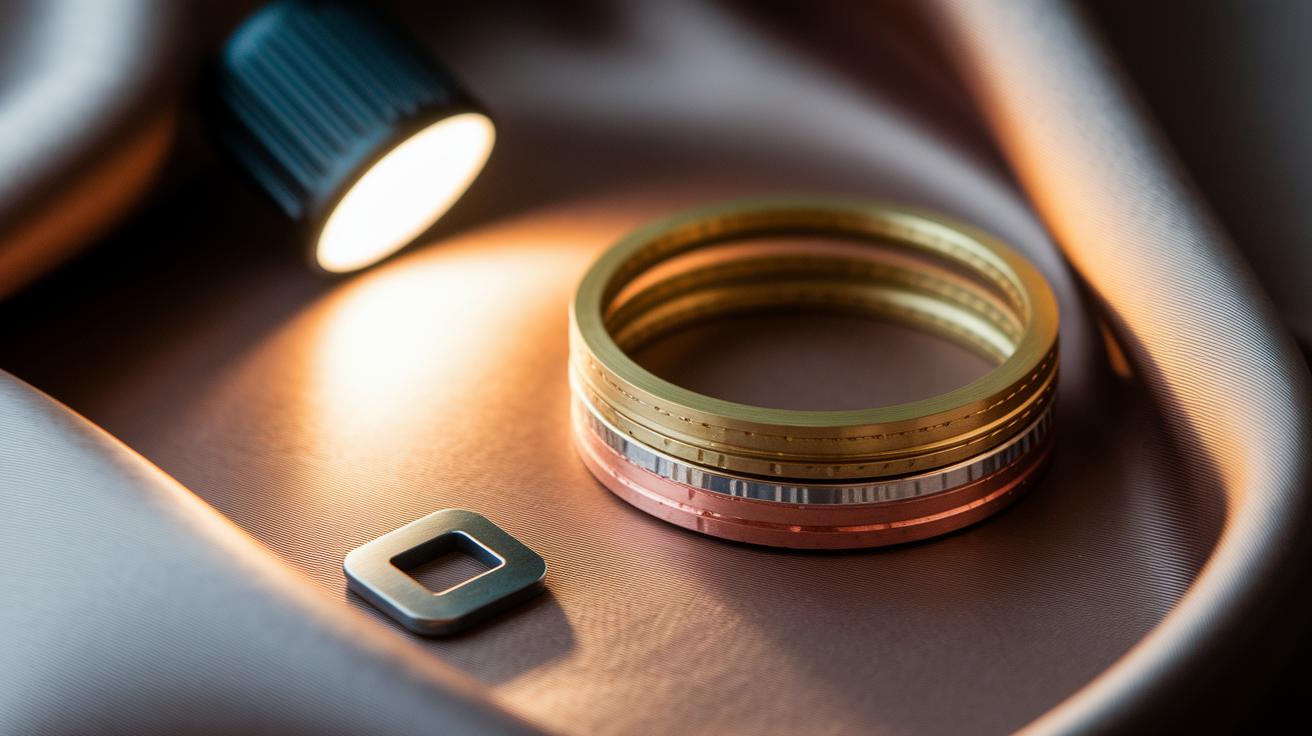
Costume jewelry often uses base metals like brass, copper, and other alloys to keep costs low while still looking stylish. Designers pick these metals because they let them craft eye-catching pieces without the high price of precious metals. Some better pieces use tougher, skin-friendly options like stainless steel or nickel-free alloys. These choices make the jewelry last longer and reduce the chance of skin irritation over long wear. For instance, a piece marked as stainless steel may hold up better than one made from lower-grade alloys.
It is easy to check the quality of an alloy. A quick magnet test can show if a piece includes heavy base metals. If the jewelry barely sticks to the magnet, it might have been made with a higher quality alloy. Look in the product description or on the tag for details about the metal used. Clear information about the alloy often points to better construction.
Real pieces usually carry small stamps or hallmarks from the maker. These marks indicate the quality of the material and help you tell genuine alloys apart from cheap blends that might rust or irritate your skin. A quick glance at the stamp can give you confidence that you are getting a well-crafted piece.
Plating, Coating, and Finish Durability in Costume Jewelry
When you check costume jewelry, look for plating in shades like gold, rose gold, or rhodium. These coatings add a bright shine and help stop the jewelry from flaking or fading. The plating process starts with a deep clean of the metal and then goes through several coating cycles. If a piece stays glossy even with frequent handling, it means the plating is thick and sticks well, making it ready for daily wear.
Next, take a close look at the finish. A high-quality piece will show a uniform shine with no odd patches or discoloration. Product details often mention the number of plating cycles, which is a good sign of durability. If the finish looks steady under natural light, you can trust that the coating will protect the piece over time.
Finally, check for an anti-tarnish layer. This clear sealant protects the jewelry from moisture and small scratches. A reliable finish will keep its luster without chipping or dulling, ensuring your jewelry stays impressive wear after wear.
Evaluating Stone Settings & Decorative Elements in Costume Jewelry
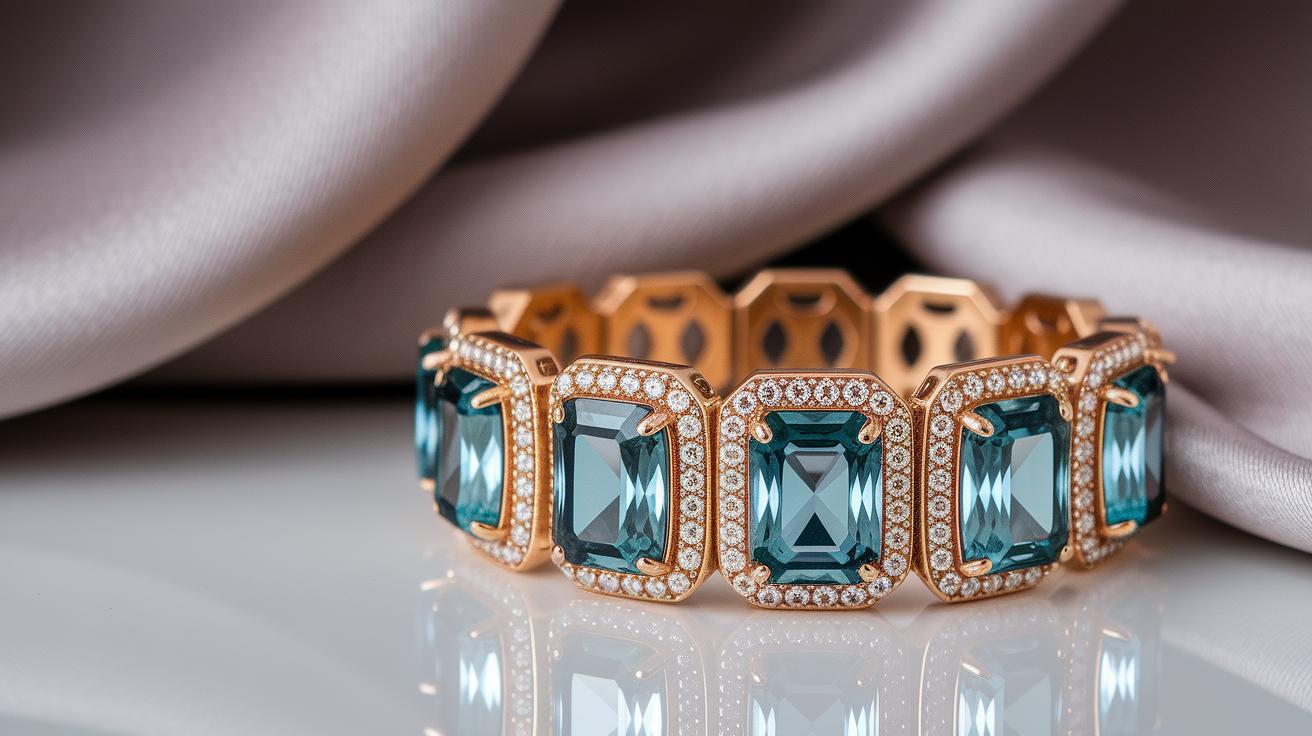
Costume jewelry often uses glass, plastic, or synthetic stones set with glue, prongs (small metal holders), or resin (a sticky substance). In a well-made piece, the prongs are even and hold the stone firmly without too much extra adhesive. When beads are used, they should sit flush with the setting, with no gaps between them, much like bricks in a solid wall.
Watch for warning signs when you inspect the piece. Uneven prong heights or glue that overflows can indicate rushed workmanship. Bubbles in resin or a cabochon (a polished, rounded gemstone) that sits off-center are clear red flags. A useful tip: gently tap the stone setting. If the stone moves, it isn’t securely fastened.
Take a close look at any decorative details too. Filigree (intricate metalwork) and inlay designs should be crisp and symmetrical, with smooth, clean edges and no bubbles. When every detail lines up perfectly, you know the design was crafted with care and built to last.
Construction & Craftsmanship in Quality Costume Jewelry
When you first pick up a piece, take a close look at the joints. The solder should be smooth and even, with no blobs or rough spots. Earrings need secure posts and backs, and rings should have clean, even edges. These little details show that the item is built with care.
Next, check all the fasteners. Test the clasps on necklaces and bracelets to be sure they snap shut tightly. Make sure jump rings line up well and that rivets are secure. Even a bit of looseness might mean trouble later on.
Finally, feel the balance of the piece. Hold the jewelry and notice how its weight is spread out. A well-balanced item should not twist or pull to one side, which helps it stand up to everyday wear. A gentle flex can sometimes reveal hidden metal fatigue or weak points. This simple test confirms that the design is not only attractive but built to last.
Inspection & Testing Techniques for Costume Jewelry Durability
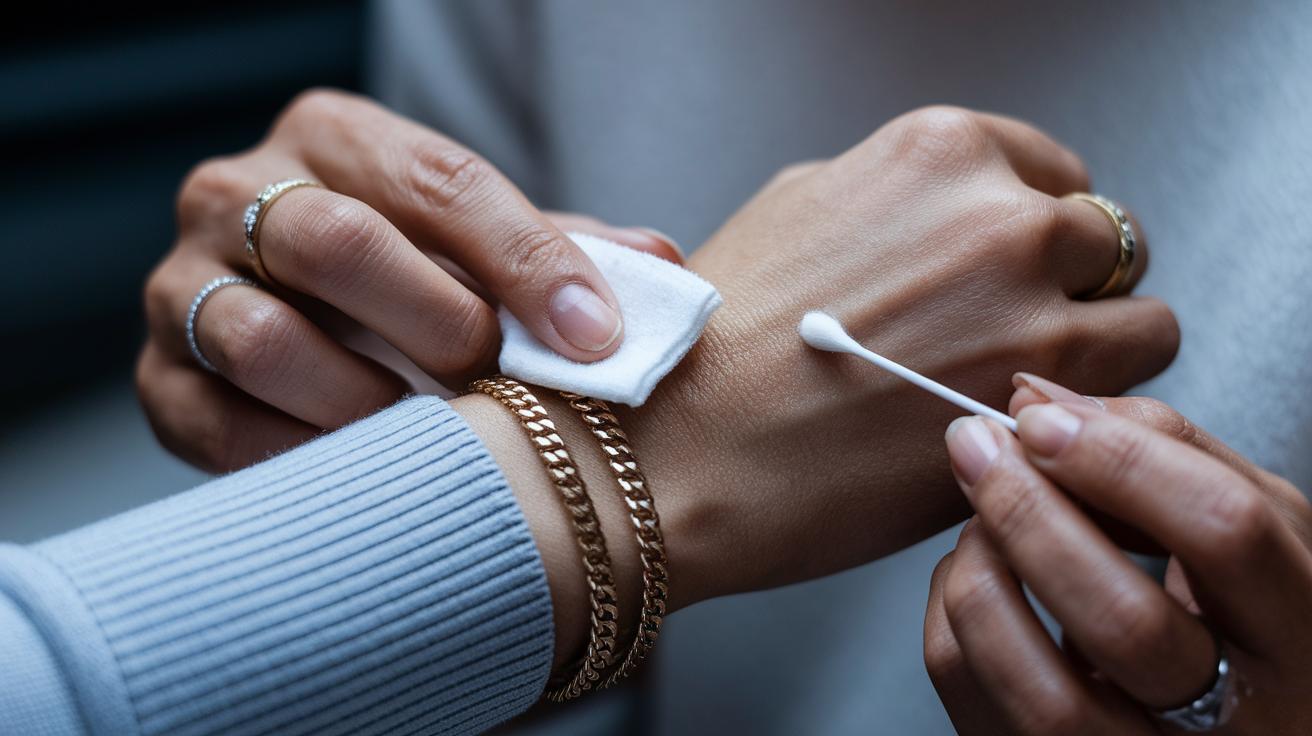
To see if your costume jewelry is built to last, try a few simple tests at home. Start by gently rubbing the piece to check for scratches. This light abrasion test shows whether the plating holds up or if it starts to wear off. Run your fingers along the surface and note any bumps, uneven spots, or changes in color. For example, a bracelet that bends too easily might reveal weak spots where chips could form later.
You can also mimic everyday wear by using common household items. A damp cotton swab moved lightly over the jewelry helps test if the color stays vibrant. Likewise, a small magnet can reveal if the piece contains base metals (which may rust more easily). With these tests, you can spot potential issues early on. A solid piece should resist small scratches, keep its finish when it meets a bit of moisture, and show a steady color that does not fade quickly.
- Abrasion scratch test
- Magnet base-metal detection
- Humidity tarnish simulation
- Flex and bend fatigue check
- Damp cotton swab colorfastness test
Expert Tips and Checklists for Buying Quality Costume Jewelry
This handy guide is a quick, print-friendly tool to help you check key quality points before you buy. Test your jewelry in natural light and gently move the pieces to spot any hidden issues.
| Checklist Item | Recommended Action |
|---|---|
| Alloy authenticity | Look for hallmarks or try a magnet test (a simple way to see if the metal is true) |
| Plating inspection | Check the thickness and watch for any flaking |
| Prong/bead security | Make sure the beads or prongs are even and hold tight |
| Finish consistency | Look over the piece for discoloration or peeling |
| Solder joint review | Inspect the joints to see if they are clean and even |
| Base-metal detection | Use a magnet or simple chemical test if needed |
- For further reading, check out the Insider’s Guide to Evaluating Accessory Quality.
- You can also refer to the Beginner’s Guide to Assessing Accessory Quality.
Printable version: Save or print this guide for fast offline reference.
Final Words
In the action, we unraveled core quality markers, from material integrity to secure stone settings and steadfast construction. We broke down key features like plating consistency, finish resilience, and essential testing techniques for everyday wear. Practical tips and checklists make it easier to assess durability and spot manufacturing flaws. These insights help you decide confidently on pieces that stand up to daily use and style demands. Keep these points in mind to master how to spot quality in costume jewelry and enjoy a stylish, reliable accessory wardrobe.
FAQ
How to spot quality in costume jewelry online?
Spotting quality costume jewelry online involves checking detailed descriptions for material and finish, reviewing clear multi-angle images, and reading customer feedback to confirm durability and craftsmanship.
How can pictures of costume jewelry reflect its value?
Pictures that show close-ups and multiple angles help reveal details like plating, stone settings, and finish quality, which are key factors in determining the piece’s overall worth.
What is costume jewelry worth and how can you tell if it’s valuable?
The value of costume jewelry depends on quality materials, craftsmanship, and design. Pieces with durable plating, secure settings, and positive reviews are more likely to be worth more.
How does costume jewelry compare to fine jewelry?
Costume jewelry is crafted for style and affordability using non-precious materials, while fine jewelry is made with precious metals and gemstones, often resulting in higher durability and intrinsic value.
How do you identify and appraise vintage costume jewelry?
Identifying vintage costume jewelry involves looking for manufacturer stamps, hallmarks, and consistent craftsmanship details. An appraiser will consider material quality and design history when determining its value.
What is the 2:1:1 rule for jewelry?
The 2:1:1 rule in jewelry suggests that the size or prominence of the main piece should be double that of accent elements, creating a balanced and appealing design.
What should you look for when buying costume jewelry or checking imitation pieces?
When buying costume or imitation jewelry, inspect the material integrity, plating thickness, secure settings, and overall construction. Look for clear details on product pages and customer ratings as quality indicators.