

Quick Verdict: A well-fitted outfit can lift your whole day. When clothes feel right, you move easily and feel confident all day long.
Why We Tried These Picks: We believe that comfort and style go hand in hand. Clothes that fit properly let you move without restrictions and boost your confidence from morning to night.
What You'll Learn: In this post, we share five top picks that blend great style with the freedom to move. By choosing the right measurements and smart designs, you can say goodbye to awkward fits and hello to feeling great every day.
Key Steps to Ensure a Precise Garment Fit
Getting clothes that fit well is important for comfort, style, and feeling good all day. When your clothes match your body, they move with you, making everything easier. Plus, a good fit can help you sit up straight and avoid awkward stretches.
Wearing the wrong size can make your clothes bunch up or restrict your movement, especially around the shoulders and waist. This might lead to returns or costly alterations. Taking a little extra time to measure and try on different sizes can help you dodge these issues.
- Measure five key areas: chest/bust, waist, hips, shoulder width, and inseam (the length from your crotch to your ankle).
- Compare your numbers to the retailer's size chart.
- Try on a few different sizes to check how they feel in the shoulders, waist, and hips.
- Move around, sit, stand, and reach, to make sure the fit is comfortable.
- Look for any areas that might need a small adjustment, like the hem length or side seams.
Following these steps not only gives you a fit that feels right from the start but also saves you from the hassle of returns and extra alterations. By taking clear, careful measurements, you can find the perfect balance between a great fit and smart value in your wardrobe.
Mastering Measurement: Tailored Techniques for Accurate Garment Sizing
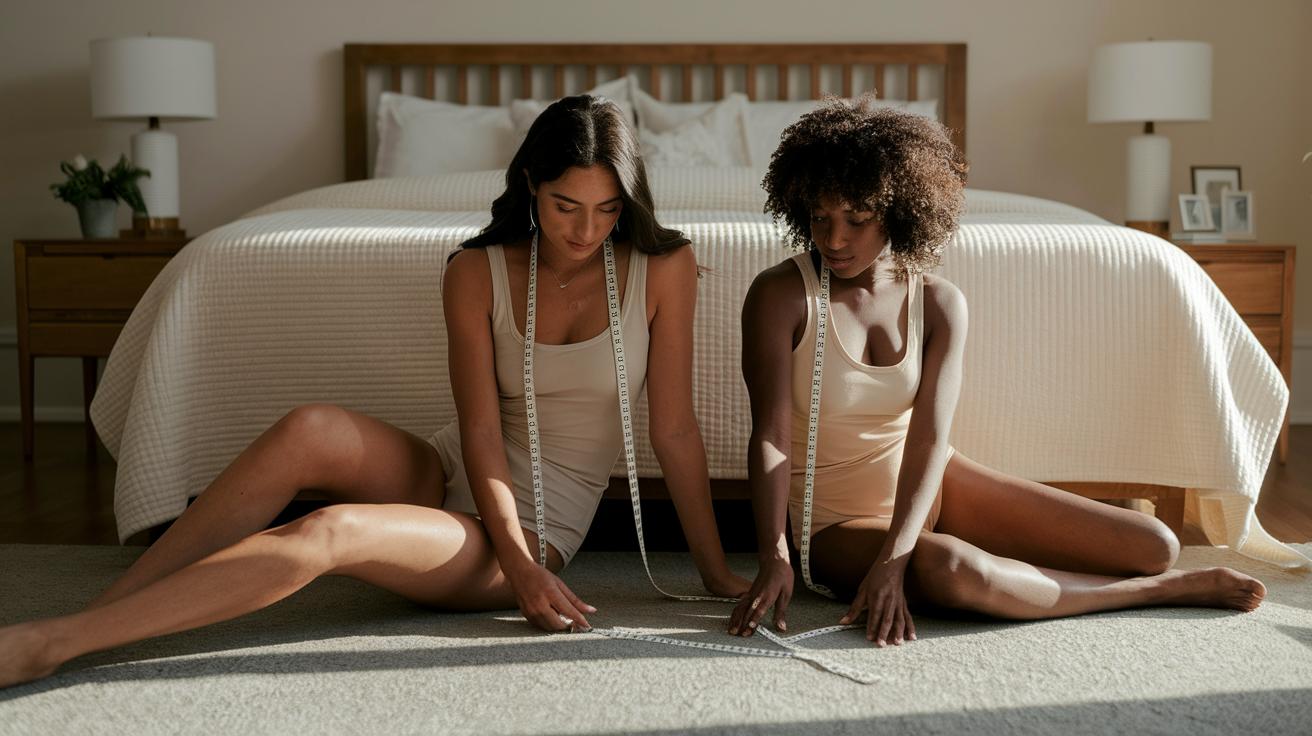
To get the right measurements, stand straight, relax your shoulders, and wear simple, snug undergarments (like a basic camisole) so your true shape shows. Take a few deep breaths to relax your muscles and then follow your natural curves. This basic setup helps ensure that every measurement truly reflects your body.
Next, grab a flexible tape measure. Wrap it around the fullest part of your chest or bust, keeping it level. Then, measure your waist at its narrowest point and your hips at the widest. Also, check your shoulder width by measuring from one edge to the other, and record your inseam from the crotch to your ankle. These DIY steps give you reliable data.
Digital tools can also help. Laser devices or smartphone apps offer clear visual cues that make the process faster and reduce mistakes. They combine modern tech with traditional measuring methods so your clothes really fit as they should.
Using Size Charts and Body Proportions to Guide Proper Clothing Fit
Size charts can be confusing because every brand has its own measurements. There is no universal standard, so always check the retailer's chart before you buy. Taking your own measurements and comparing them to the chart helps you decide if you should choose a size up or down.
| Size | Bust/Chest (in) | Waist (in) | Hip (in) |
|---|---|---|---|
| S | 34–36 | 26–28 | 36–38 |
| M | 38–40 | 30–32 | 40–42 |
| L | 42–44 | 34–36 | 44–46 |
| XL | 46–48 | 38–40 | 48–50 |
If you come across a size chart that uses centimeters, remember that one centimeter is about 0.39 inches. This little tip makes it easier to compare and convert numbers. Matching your real-life measurements with the chart helps you pick cuts and styles that fit your body better. With this straightforward approach, you can avoid fitting mistakes and build a wardrobe that feels comfortable and looks great. Shop smart and enjoy the perfect fit!
Precision Fit Adjustments: Garment Alteration Tips and DIY Techniques

Off-the-rack clothes can sometimes miss the mark on fit and comfort. You might see gaps around the bust, pinched shoulder seams, or a loose fit at the waist. When your clothes bunch or pinch, they not only look off but can also limit how you move.
Start by marking where your garment needs changes. Use pins and fabric chalk (a tool for marking fabric) or safety pins to highlight spots that stretch too much or feel too loose. This simple step turns guesswork into a clear plan to adjust your clothes so they sit right on your body.
Next, work on hems, sleeve openings, and necklines with a sharp pair of fabric scissors and some extra pins. Trim away any extra fabric or shift seams to create a cleaner, more balanced look that lets you move freely. Even a small tweak can make a big difference in how a garment drapes and feels.
If the fixes seem too tricky or if the fabric is delicate, a professional tailor might be the best choice. While many adjustments work well on your own, expert help can ensure a perfect fit when your measurements are a little different.
Choosing Brands and Ready-to-Wear Lines That Prioritize Fit
Modern labels offer different fit options like slim, athletic, and standard so you can choose what fits your body best. They focus on careful tailoring so each piece not only looks sharp but also lets you move easily.
Many stores now provide in-person or virtual measuring options. For example, some brands, like Bonobos, use smart techniques that let you try on various cuts either digitally or in-store. This way, you can spot small changes that boost both style and comfort.
Before making a purchase, check return policies and any alteration credits. Doing this gives you the chance to tweak the fit if needed, leaving you with more confidence in your choice.
Advanced Methods: Bespoke Design, Pattern Drafting, and Virtual Fittings

Bespoke tailoring blends traditional craft with modern precision. Creating a custom sloper (a basic, personal pattern) sets the foundation for clothes that truly fit. By using careful measurements, this method builds a steady template that cuts down on errors and boosts comfort. Each garment feels made just for you. This approach delivers lasting style and everyday ease.
Tweaks in pattern drafting are key to getting the perfect fit. Designers use grading (adjusting pattern sizes) to scale patterns up or down while keeping the right shape. They make small changes to details like sleeve length and waist width so the clothes flatter your body. Fine-tuning these patterns results in balanced silhouettes that move with you and meet both style and comfort needs.
Virtual fitting platforms add digital accuracy to tailoring. Using 3D body scans and digital avatars, these systems let you try on clothes in a virtual way. You can see how a garment drapes, fits, and moves on your personalized model. This means adjustments can be made before production, reducing the risk of a poor fit. The tech builds confidence and bridges the gap between in-person and online fittings, so you get great style every time.
Smart measuring devices boost precision in making clothes. Modern body scanners and measurement apps capture your exact dimensions and feed them directly into pattern files. This digital approach cuts down on human error while offering suggestions for small tweaks. By blending these smart tools with traditional pattern drafting, designers and home sewists alike can create clothing that fits perfectly and feels just right.
Final Words
In the action, this guide showed you how to nail every detail from measuring key points to reading size charts and making smart adjustments. These steps help manage common size issues and ensure your selections feel comfortable right away.
By following this plan, you can score proper fit clothing that cuts return risk while building a wardrobe that fits both your body and lifestyle. Next time you shop, use these tips to feel confident, comfortable, and ready for anything.
FAQ
What do proper fit clothing reviews show?
The proper fit clothing reviews reveal how well garments conform to real body shapes, highlighting comfort levels, durability, and any adjustments that might be needed so you can shop confidently.
How do proper fit clothing patterns affect garment construction?
The proper fit clothing patterns clearly affect how fabrics drape and move on the body, ensuring a shape that works with your measurements and reducing the likelihood of constant alterations.
What can I expect during a proper fit clothing sale?
The proper fit clothing sale offers items noted for their consistent measurements and quality cuts at reduced prices, letting you invest in pieces that deliver both style and comfort on a budget.
What defines a proper fit clothing Backpack?
The proper fit clothing Backpack is designed to match your body contours with adjustable straps and balanced weight distribution for a secure, comfortable feel during daily use.
What benefits come from a proper fit clothing bucket hat?
The proper fit clothing bucket hat offers a secure and adjustable fit, ensuring it stays pleasantly in place while providing a stylish and practical way to shield you from the sun.
How does a proper fit clothing balaclava work for snug wear?
The proper fit clothing balaclava is crafted to wrap securely around the face and head, providing a snug, comfortable feel that supports active outdoor use without compromising on movement.
What makes a proper fit clothing 5 panel hat appealing?
The proper fit clothing 5 panel hat delivers a versatile, adjustable design that conforms to varying head shapes, maintaining a comfortable and contemporary look suitable for everyday wear.
What is Proper Cloth known for in accurate garment sizing?
The Proper Cloth brand is recognized for its custom-fit approach, providing personalized measurements for shirts that ensure a comfortable, tailored fit that meets individual body specifications.