

Quick Verdict
Tokyo’s bold street style meets Kyoto’s calm simplicity to create an outfit that feels both daring and easy to wear.
Style Inspiration
Tokyo’s edgy streetwear shines with off-center, bold shapes while Kyoto’s influence adds relaxed, soft cuts. The mix creates a look that is playful yet practical.
What We Noticed
We saw that this style fuses aggressive modern trends with gentle, timeless touches. It feels as if comfort and creativity are sharing the same runway. The shapes are a bit unexpected, but they work well with easy, breezy silhouettes.
Why It Works
This blend shows that you can mix tradition with urban edge. The striking, unbalanced lines add a creative spark, and the relaxed cuts keep it down-to-earth for everyday life. It turns any busy street into a fun stage.
Overall Vibe
The style is fresh and full of life. It reminds us that fashion can be both exciting and wearable without following old, strict rules.
If you like bold trends mixed with simple ease, this Japanese street style is one to try.
Navigating Contemporary Japanese Style Trends
Japanese style trends mix bold streetwear with simple elegance. They feel unique and practical, blending standout shapes with relaxed, everyday comfort.
Cities like Tokyo, Osaka, and Kyoto turn the streets into lively runways. On August 19, 2023, photos showed big, off-balance shapes that break traditional rules. In Tokyo, edgy cuts and playful layering add a fun twist to each look. Osaka and Kyoto add a rich cultural touch that inspires creative designs. Trendsetters here mix classic pieces with streetwear to create outfits that are both daring and comfortable.
Local designers say the next wave of Tokyo style will keep testing new ideas. They expect to see more versatile pieces that work during the day and at night. The future of fashion here looks fluid, always balancing modern cuts with a nod to Japan’s traditional style, making each look both fresh and timeless.
Minimalist Japanese Design in Style Trends

Minimalism in Japanese design started in the 1990s as a move away from too much decoration. Designers chose clean lines, simple shapes, and calm colors to let each piece stand on its own. Today, this plain style is making a strong comeback in urban fashion, with brands like MUJI and UNIQLO leading the way. Tokyo streetwear now mixes these simple forms with modern twists for a look that works anywhere.
The style focuses on neutral colors like beige, gray, and white to keep things uncluttered. This simple approach lets each garment show off its details without any distractions.
Everyday wardrobes love minimalist pieces for their mix-and-match power. Soft tees in light tones pair perfectly with well-cut jackets made from quality fabrics. Even when combined with louder pieces, these clean silhouettes balance any outfit. Modern Tokyo streetwear blends classic simplicity with fresh, innovative fabrics and subtle logo details. Each design is all about quality and function, making the style timeless for both casual and formal settings.
Avant-Garde Silhouettes and Cutting-Edge Japanese Style Trends
On Harajuku's streets, designers try bold new cuts that break away from the usual style. They mix uneven shapes and open-up classic forms, giving clothes a fresh twist.
Icons like Rei Kawakubo and Yohji Yamamoto have paved the way with off-balance designs. They add large details such as extra-large hoodies and very wide pants that defy normal proportions. These pieces use fabric in playful, unexpected ways, making them look like they’re floating around you. The loose, flowing cuts feel comfy and catch the eye with sharp seams meeting soft, billowy curves.
These daring shapes go beyond simple style. They challenge the rules of Western tailoring and bring a unique cultural edge. By rethinking how clothes are made, Japanese designers craft unisex pieces that let anyone show off their personality. Blending unusual cuts with smart, practical design creates a look that is both functional and artful, softening the traditional divide between masculine and feminine styles.
Subculture Style Influences: From Kawaii to Techwear

Japanese subculture style covers a range of looks that mix fun, playful details with smart design. Kawaii is full of soft pastel colors and cute prints that many teens love. Harajuku streetwear takes a more daring approach with bright graphics, unisex cuts, and layered outfits paired with sneakers and baseball caps. Techwear is all about ready-for-anything urban wear, using water-resistant fabrics and handy pockets for a busy lifestyle. This range of styles creates fresh looks that stand out in the city while staying practical for everyday wear.
| Subculture | Key Features | Notable Brands |
|---|---|---|
| Kawaii | Soft pastels, cute prints | Liz Lisa, Ank Rouge |
| Harajuku Streetwear | Layered outfits, bold graphics, unisex cuts | 6%DOKIDOKI, A Bathing Ape |
| Techwear | Water-resistant fabrics, useful pockets | Acronym, Nikelab |
These styles often mix into everyday Japanese fashion. Designers take Kawaii’s playful touches, add the bold feel of Harajuku, and use techwear’s smart features to build looks that are both striking and easy to wear. This blend gives us clothes that tell a story by combining fun with function in a way that works for daily life.
Fusion of Tradition and Modernity in Japanese Style Trends
Traditional pieces like kimono jackets and obi belts carry a rich cultural history that still influences what we wear today. These items show off careful handiwork and a style that has lasted through the ages, drawn from deep Japanese traditions.
Modern designers are rethinking these classics for today’s street style. For example, kimono sleeve jackets keep the graceful flow of the original design but fit closer to the body. Obi-inspired belts turn simple outfits into something bold, using a twist on time-honored wrapping methods. Some designers even update hakama-style trousers by blending the wide, comfortable shape with a modern, slimmer fit. This mix creates a bridge between the old and the new.
This style blend works for those who love history and for trend lovers who want something fresh. Fans of tradition get to wear a piece with a story, and modern shoppers enjoy the unexpected contrasts that revitalize classic designs.
Practical Style Tips for Mastering Japanese Style Trends
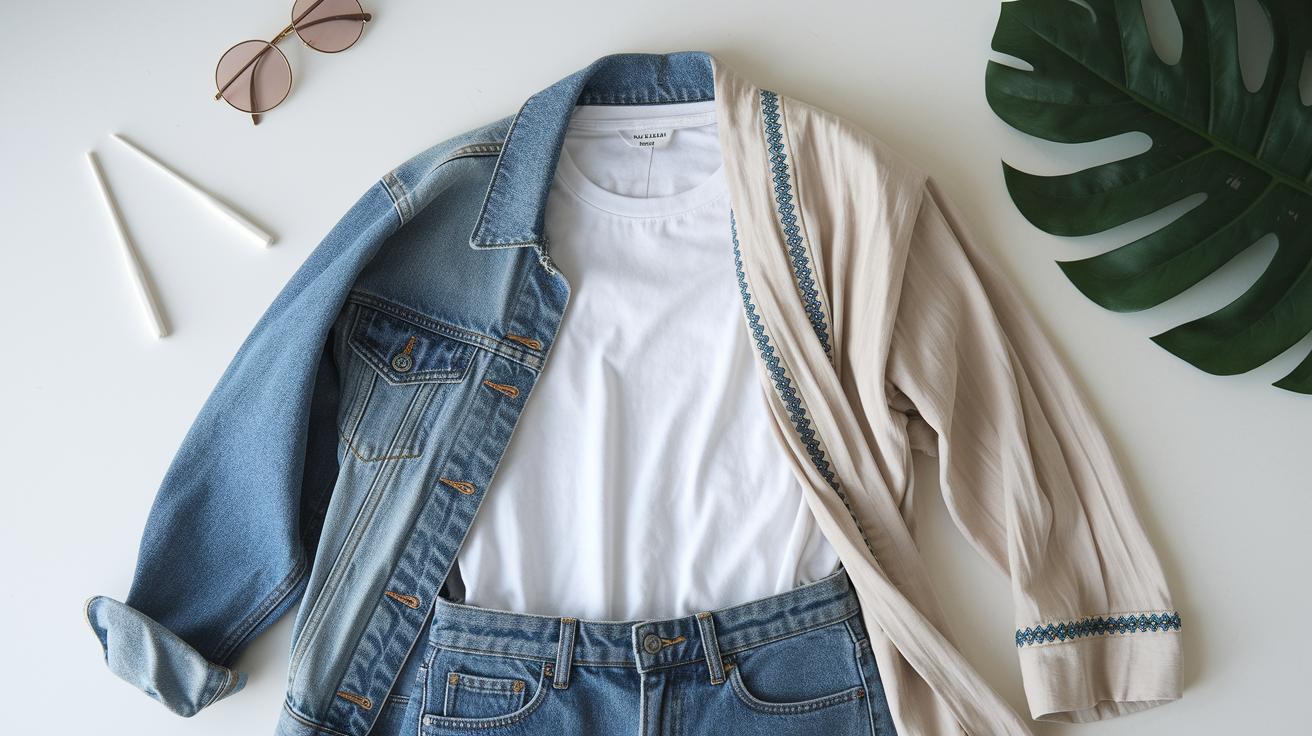
Begin with simple basics and add a creative twist. Stick with classic items like plain tees and clean button-down shirts for a solid start. Then mix in subtle details or vintage embroidery, much like your favorite influencers do. A plain white tee paired with an updated vintage denim jacket blends old and new in a smart way.
Layering is more than just putting a loose piece over a tight one now. Try pairing traditional styles with modern cuts. For instance, wear a lightweight cotton kimono (a classic fabric garment) over a slim-fit top. This mix creates interesting textures and adds depth to your overall look.
Introducing subculture elements can give your outfit a fresh, urban edge. Look for techwear accents that stand out against heritage shapes. One idea is to match a gadget-inspired windbreaker with heritage trousers that have unexpected cuts or details. This blend is both practical and uniquely stylish, just as seen on rising trendsetters.
To find these pieces, check out Uniqlo for dependable basics, search local vintage shops for special kimono finds, and explore independent labels for modern twists on tradition.
Final Words
In the action, this article dove into the world of japanese style trends by exploring modern Tokyo chic, minimalist designs, avant-garde silhouettes, and subculture influences. We broke down key elements from Tokyo, Osaka, and Kyoto street styles, noted how traditional elements blend with modern shapes, and offered practical tips for mixing casual and innovative pieces.
This review is meant to help you see how diverse layers come together in effortless style. Embrace these trends to build a wardrobe that's both reliable and fresh. Enjoy incorporating these looks into your everyday style.
FAQ
What are Japanese style trends for men and Japanese fashion styles male?
Japanese style trends for men frequently mix smart tailoring with urban streetwear. They feature clean fabrics, bold layers, and unique, unexpected cuts that balance traditional influences with modern design for a versatile, everyday look.
What are Japanese style trends for women, including casual looks and fashion styles female?
Japanese style trends for women blend minimalist basics with playful details. They incorporate soft silhouettes, layered looks, and relaxed yet refined pieces that make everyday wear comfortable and stylish.
What do Japanese street fashion styles look like?
Japanese street fashion styles break conventional rules by mixing vibrant subculture elements with experimental silhouettes. They often feature layered garments, bold prints, and avant-garde details that create a dynamic, expressive look.
What is meant by a Japan style brand?
A Japan style brand typically embraces a mix of clean minimalism and edgy streetwear. These brands combine traditional motifs with contemporary design, offering pieces that are both practical and fashion-forward.
What is the current fashion trend in Japan?
The current fashion trend in Japan blends minimalist pieces with daring, unconventional silhouettes. This trend, seen across Tokyo, Osaka, and Kyoto, merges traditional elements with urban innovation for a balanced, evolving style.
What does the 3-3-3 rule for clothes mean?
The 3-3-3 rule for clothes indicates a method of grouping three complementary pieces to create a balanced outfit. It helps in mixing colors, textures, and proportions for a cohesive and modern appearance.
What are some emerging Japanese styles?
Emerging Japanese styles include experimental silhouettes, a fusion of traditional garments with streetwear, and techwear-inspired designs. These new looks mix crisp lines with unexpected details to generate fresh, expressive trends.
What popular Japan style aesthetics are influencing today’s looks?
Popular Japan style aesthetics combine minimalist design with avant-garde cuts and heritage-inspired accents. This balance of simplicity and creative flair results in fashion that is both distinctive and adaptable for everyday wear.