

Ever wonder if your shoes are quietly making your feet hurt? A few simple tests can help you know if your shoes give you enough cushion and support.
Start by wiggling your toes inside your shoes. This shows you if they fit snugly but still allow movement. Next, try a pinch test to check for any spots that might pinch or cause discomfort later.
Another tip is the heel slip test. Wear your shoes and take a few steps. Notice if your heel stays in place or if it slips out. A short walk can tell you if the shoes truly hold your foot comfortably.
Follow these easy checks to pick shoes that keep your feet happy with every step.
Step-by-Step Process for Testing Shoe Comfort Features: Feel Great
Start with the Toe Wiggle Test. Make sure there is about half an inch of space between your longest toe and the front of the shoe. It helps to check at the end of the day when your feet are a bit puffy. A quick tip: press your finger on the insole near the toe area to feel for extra cushioning.
Next, do the Pinch Test. Run your fingers along the inside seams to spot any rough spots that might put pressure on your foot. Focus only on the inside seams to avoid unnecessary discomfort.
Then, try the Heel Slip Test. Walk around and notice if your heel slides up more than half an inch. This helps you confirm that the heel area offers enough support and reduces the chance of blisters.
After that, check the shoe's width. The sides should feel neither too tight nor too baggy. Slide your fingers along the sides to ensure a snug, comfortable fit that keeps your foot secure as you move.
Now, assess the arch support by standing on a flat surface. Look to see if your weight is spread evenly across your foot. Press firmly into the midsole to test the insole cushioning; this quick check shows how well the shoe absorbs shock and handles impact.
Finally, put the shoes through a Walk Around Test. Walk on different surfaces like carpet, hardwood, and concrete for about 10 to 15 minutes. Use a comfort journal to note any pressure points or signs of fatigue and see how the shoe performs during everyday activities such as climbing stairs.
These simple tests, from toe wiggle to a full walk around, give you a reliable picture of the shoe's fit, cushioning, arch support, and overall comfort.
Inspecting Materials & Construction for Shoe Comfort Features
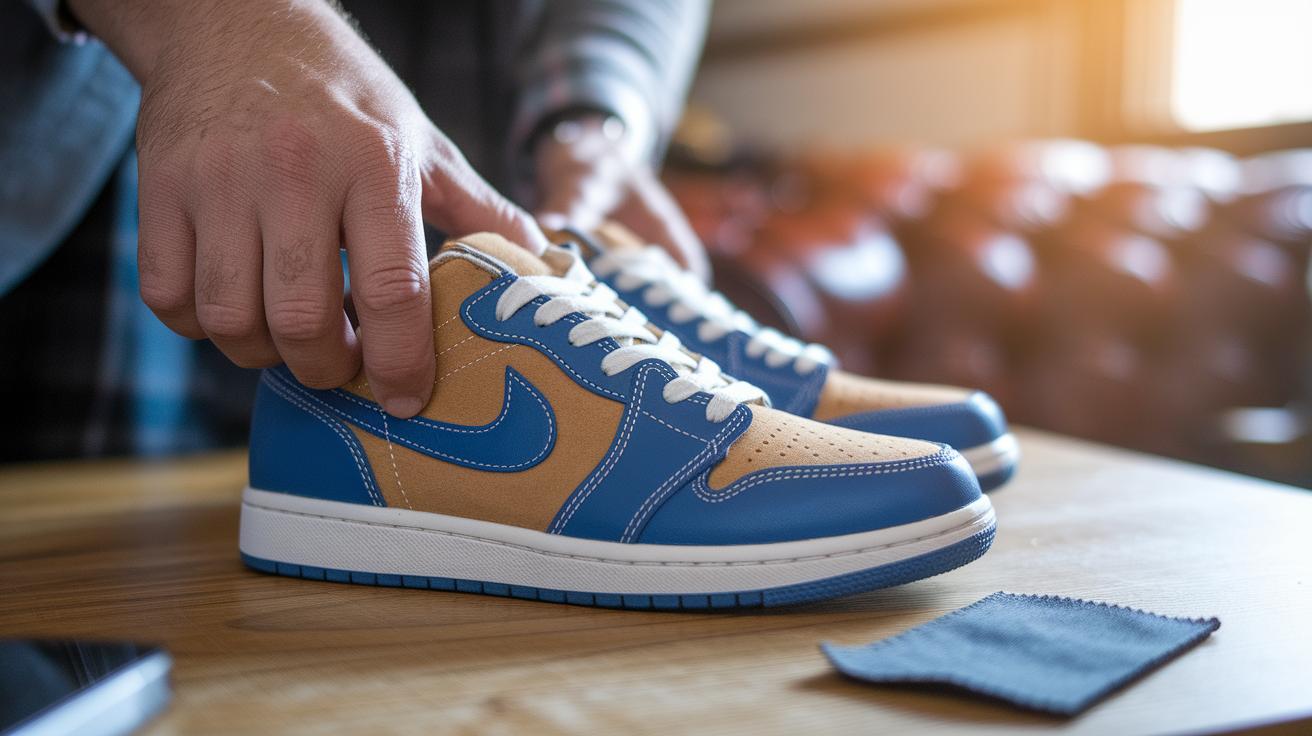
Start by feeling the upper of the shoe. Gently press the material to see if it feels soft and flexible. Look for options like supple leather, soft suede, stretch fabrics, or knits. Avoid stiff materials like patent leather, vinyl, or PVC. This simple touch test shows if the fabric can move with you.
Next, bend the shoe in key spots. A good shoe should flex easily with your foot to allow natural movement. Then, check the insole to see if it's well-shaped and padded. This helps make sure your foot gets the support and cushioning needed with every step.
Now, try a quick moisture test. Dampen a small fabric swatch and press it against the inside of the shoe. Follow that by placing the shoe in a warm spot to see if the material stays comfortable. Look for ventilation features like tiny holes or mesh panels to help with airflow.
Finally, gently twist the sole to test its strength and resilience. This hands-on review shows if the shoe will deliver the comfort, cushioning, and lasting support you need.
Assessing Initial Fit & Support to Gauge Shoe Comfort Features
Start by testing your shoes with a few simple checks. First, try the Toe Wiggle Test. Slide your toes into the shoe and make sure there is about half an inch of space between your longest toe and the front. This keeps your toes from feeling cramped. Then, run your fingers along the seams (the Pinch Test) to feel for any tight spots.
Next, take a short walk and notice if your heel slips upward by more than half an inch. At the same time, press the back of the shoe (the heel counter) to check that it holds your heel firmly without pinching.
For the best fit, measure both feet using a Brannock device at the end of the day when your feet are a little swollen. Stand on flat ground to see if your weight is evenly distributed. This will help you know if the arch support makes the shoes feel good and secure.
Finally, write down what you find. This will make it easier to pick the perfect pair of shoes later on.
Conducting Walking Trials to Verify Shoe Comfort Features
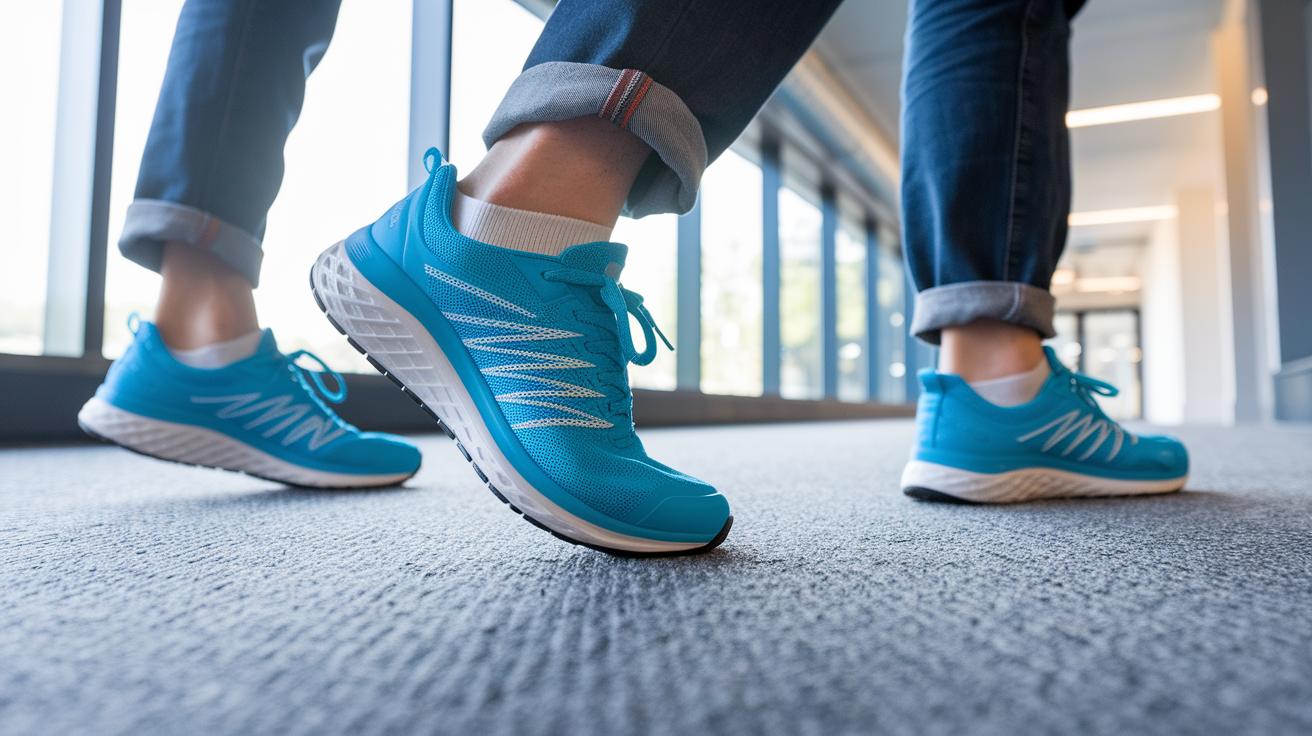
Step outside and walk for 10 to 15 minutes on different surfaces like carpet, hardwood, and concrete. This helps you check how the shoes support your movement while you're on the go.
Keep an eye on the outsole. Look for materials like rubber or EVA (a soft, lightweight foam) that cushion and absorb impact. Try stepping on a lightly damp spot to test the grip. For example, you might feel it grip like a rubber mat on a wet floor.
Next, find where the midsole compresses the most and mark that spot. Walk over it a few times to see how quickly and evenly it bounces back, similar to a ball that returns right after a small drop.
Also, notice the overall weight of the shoe and any discomfort in the heel or changes in balance as you walk.
Simulating Extended Wear & Durability to Confirm Shoe Comfort Features
Start by testing the shoes on a full day of wear. Walk, stand, and climb stairs while wearing them. Over seven days, keep a comfort journal where you note how the cushioning feels. For example, after a long day, you might record that the insole feels like a soft sponge that bounces back quickly. This is a good sign for the shoe's recovery from compression.
Next, check the wear and tear on the midsoles. Push on the insole several times to see if the cushioning returns evenly without feeling tired or worn out. Also examine the stitching along the seams, the condition of the sole, and any wear on the upper. If after several wearings you notice tight spots or more foot fatigue later in the day, the shoes might be wearing out too soon.
Keep an eye on any areas that start to harden, much like a cushion that loses its softness over time. If you want more tips on breaking in shoes, check out "how to break in comfortable shoes" at https://jankreviews.com?p=1625. Write down your observations to see if the shoes can maintain their support during extended wear.
Integrating Orthotics & Custom Adjustments to Enhance Shoe Comfort Features
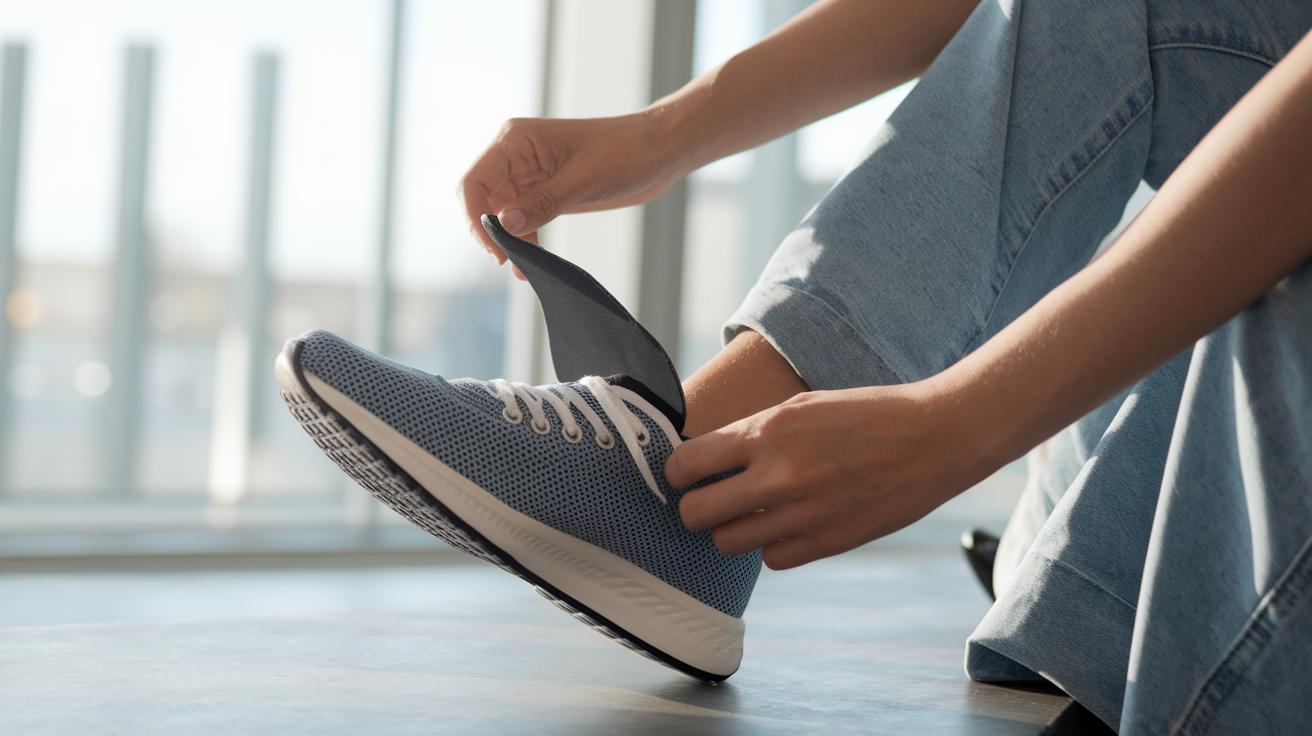
Try swapping your regular insoles with a custom insole or orthotic to boost your arch support during everyday walking. Replace the old insole with one that fits your foot shape, then take a short walk to feel the difference. For example, after I added a custom insole, my step felt lighter and bouncy, which cut down on tiredness during long walks.
Stand on one leg and then walk heel-to-toe in a straight line. Watch how your balance changes with the orthotic compared to your regular shoes. This simple test shows if your foot feels more stable and if your joints line up better.
Tweak the laces and adjust the insole until your shoe fits just right. Small changes can make a big difference. These adjustments also help you check if your shoe keeps your feet comfortable and supports a better posture throughout the day.
Comparative Design Inspection of Shoe Comfort Features
When checking a shoe's design, start with the midsole. Press on the EVA foam (a soft, bouncy material) to see if it feels lighter and springs back fast, like a fresh sponge. A quick bounce back shows it has a good mix of softness and support.
Next, give the sidewall a gentle bend. A flexible sidewall will easily move without feeling stiff, and the upper fabric should stretch without feeling too loose or tight. This helps the shoe move naturally with your foot.
Then, look at the heel cup and the shape of the sole. A snug heel cup should hold your foot firmly, while a curved sole spreads out impact when you walk.
- The heel cup should fit your foot securely.
- The sole should be shaped to manage shocks smoothly.
Comparing these details side-by-side can help you decide which shoe design offers the best mix of comfort and support for everyday wear.
Final Words
In the action, the guide walked through testing methods, from toe wiggles to week-long journals, that show how to test shoe comfort features in real life. It breaks down quick fit checks, material inspections, walking trials, and even custom adjustments clearly and practically.
You gain solid tips in every section that help reduce return risk and build a strong, comfortable wardrobe. Keep these steps in mind to shop smartly and enjoy every step.
FAQ
How do I know if shoes will be comfortable and how can I check their comfort?
Determining shoe comfort means trying simple tests like the toe wiggle, heel slip, and walking on different surfaces. These methods help you gauge cushioning, support, and overall fit for long-lasting comfort.
When are shoes too big?
Shoes are too big when you notice excessive heel slip, more than half-inch of extra toe space, or a loose fit causing unstable walking. An improper fit can lead to discomfort and foot strain.
How does one test shoe cushioning?
Testing shoe cushioning involves pressing on the insole or taking a short walk to feel the shock absorption and rebound. This helps assess how soft and supportive the cushioning feels under pressure.
How can I tell if shoes have good support?
Good support is indicated by a stable heel counter, firm arch support, and balanced weight distribution. When the shoe holds your foot securely without slipping, it is providing proper structural support.
How do you tell if someone is wearing shoe lifts?
Noticing shoe lifts usually involves spotting an abnormal sole thickness or altered gait. Look for extra height in the shoe’s construction compared to a typical design that may suggest lifts are in use.