

Quick verdict: Fix your favorite shirts to save money and keep your wardrobe fresh.
Have you ever looked at an old shirt and wondered if fixing it is worth the time? Instead of letting your go-to clothes end up in a landfill, a simple repair can extend their life. Even a small fix adds extra value to your outfit and helps you feel smart about your spending.
This guide offers easy mending tips that can keep your clothes lasting longer while easing your budget. Get ready to learn simple repairs that can add a bit of joy to your everyday style.
Essential Repair Techniques for Extended Clothing Durability
Fixing your clothes not only saves you money but also cuts down on waste. Every year, households toss out tons of clothing. Learning a few simple repair methods can help your favorite pieces last longer and keep more fabric from piling up in landfills.
Mending your garments is a smart way to protect your wallet. Instead of buying new items when something gets worn or torn, you can fix seams, patch holes, and strengthen fragile areas. This simple effort means you spend less and help the planet by reducing demand for new clothing.
Here are some techniques to try:
- Elastic stitch for stretch fabrics
- Hand-sewn patching for small rips
- Knit darning to repair holes in knitwear
- Interfacing reinforcement for extra support
- Decorative visible mending that adds style
When you repair instead of replacing, you lower your environmental impact. Fewer new items mean less resource use and waste. A little effort in mending goes a long way toward a more sustainable wardrobe.
Selecting Tools and Materials for Durable Garment Repairs

Using the right tools can turn a basic fix into a repair that looks professional. Even if you're new to mending, having good needles, threads, scissors, pins, and interfacing can make all the difference. Quality supplies help your repairs look neat and last longer, saving you time and hassle.
| Tool | Recommended Use |
|---|---|
| Standard Needles | For precise stitching on many fabric types |
| Matching Polyester or Cotton Thread | For strong mends that keep color consistency |
| Sharp Fabric Scissors | For clean cuts that help avoid fraying |
| Straight Pins | To hold fabric pieces in place before sewing |
| Fusible Interfacing | To reinforce seams and areas that get a lot of wear |
Look for sustainable options too. Many craft stores and online vendors now offer recycled threads and ethical fabrics that work well while reducing waste. Choosing these eco-friendly supplies means every repair helps you take care of your clothes and the planet.
Mending Techniques: From Patching to Darning to Reinforcing
Mending your clothes saves money and gives them a personal feel that lasts longer. Knowing a few simple repair methods means you can fix holes and rips fast while cutting down on waste. Here are four key techniques you can try.
Patch Sewing for Quick Fixes
First, pick a patch that matches your fabric as closely as possible. Cut it to size and pin it on a freshly washed and ironed area. Sew around the edges with a whip or blanket stitch (a stitch that creates a durable seam). This quick fix works great on tiny rips and worn spots, especially on stretchy materials that need a firm, but gentle, repair.
Darning Knits to Close Holes
For holes in knit items, grab some yarn that matches and a darning needle (a special needle for repairing knits). Sew around the hole in a small circle, working in a tight pattern. Start and finish your stitches on the inside so the knot remains hidden. This method fills the gap and strengthens the fabric so it moves naturally with you.
Reinforcing High-Stress Areas
For worn spots like elbows and knees, use fusible webbing or interfacing (a stiff backing material). Place the reinforcement on the inner side of the garment and press it with an iron to activate the adhesive. This extra layer helps the fabric stay strong and stops it from tearing or fraying, perfect for active wear.
Sashiko and Boro Techniques for Denim
These traditional Japanese repair methods use neat, running stitches that form a grid pattern on denim. Try spacing your stitches 5 to 10 per inch, and add a fabric patch if the damage is heavy. This style not only makes the repair durable but also gives your denim an artistic look.
By mixing these techniques, you can tackle big tears by patching some areas while darning or reinforcing others. This blend of methods brings your clothes back to life and gives them a unique, joyful look.
Fabric-Specific Repair Strategies to Boost Longevity

For stretchy synthetic fabrics, an elastic stitch works best. It creates seams that move with the material, making the repair flexible. Use a ballpoint or stretch needle (designed to glide through fabric smoothly) to avoid snags. Matching polyester thread adds strength without making the fabric stiff. This method is ideal for leggings and athletic wear, where comfort and durability are a must.
For knits and wools, a darning technique fixes holes while keeping the fabric's stretch. Use a hoop or mushroom to hold the fabric tight, then weave in matching yarn across the gap. This approach not only closes holes in sweaters and scarves but also reinforces the fabric for longer wear.
When fixing delicate silks and fine cottons, precision is key. Use small, sharp needles (size 70/10) to lessen distortion and add lightweight fusible interfacing for extra support. Fine polyester thread helps avoid puckers and maintains a smooth finish. With these careful steps, even your most delicate items can be mended and made to last.
Preventative Repair and Maintenance for Strengthening Garments
We suggest checking your clothes often to catch early wear before a small problem turns into a big repair. Look closely at seams and underarm areas once a month to spot any small tears or frayed threads. When you wash your garments, choose a gentle cycle or even hand wash to keep the fabric strong. Air drying works best, and if you must use a dryer, stick to low heat to protect the threads and fabric quality. These simple steps help your clothes look their best for longer.
Taking care of how you store your clothes is just as important. Rotate your outfits so that you do not wear out a few favorites too quickly. Hanging clothes with enough space prevents stretching and distortion, while folding delicate items keeps unwanted creases at bay. Keep your garments in a cool, dry spot to avoid moisture damage. This careful routine not only saves on repair costs but also helps your wardrobe stay in top shape for years to come.
repairing clothes for extended durability sparks joy
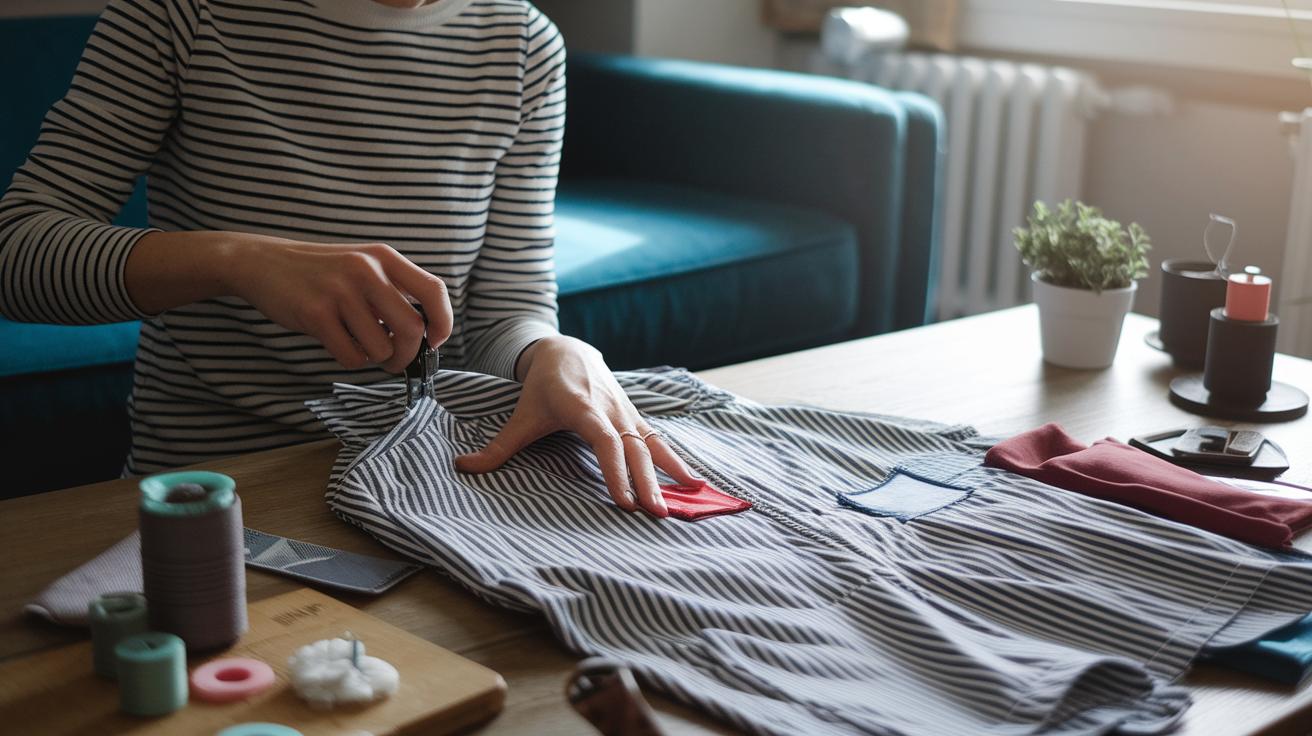
Upcycling is a smart way to give old clothes a fresh look while keeping waste down and saving money. When you mend a tear or fix worn seams instead of tossing the piece, you stop textiles from piling up in landfills and make your favorite items last longer. It also turns small repairs into a chance to add your personal touch and style.
Try a few simple projects at home. For example, cut an old, worn shirt into squares, hem the edges, and use them as reusable dishcloths. This hack not only fixes the item but gives it a new use around the house. If you want something bolder, add visible patches using a bright fabric or a chain stitch with contrasting embroidery floss. Mixing patches in a Boro-style pattern can create a textured design that shows off both creativity and sustainability. Every repair is an opportunity to make your wardrobe uniquely yours.
Final Words
In the action, we explored practical repair methods that save money and cut down on waste while extending the life of your wardrobe. We broke down simple techniques, tool choices, and fabric-specific tips to make mending easy and even stylish. We also covered how easy habits and creative upcycling can turn tired garments into personalized pieces.
Keep these insights handy when fixing your favorite items. Happy mending and here’s to repairing clothes for extended durability.
FAQ
FAQ
Q: What are effective methods for repairing clothes for extended durability, including for men?
A: Effective repair methods include elastic stitching, patching, and darning. These techniques work well for all styles, allowing both men and women to save money while cutting down on waste.
Q: What is visible mending and what resources support it?
A: Visible mending means fixing clothes with decorative stitches and patches that add style. Books, kits, patterns, and embroidery resources guide you through brightening up repairs and making repairs a design feature.
Q: What is the 3-3-3 rule for clothing?
A: The 3-3-3 rule for clothing suggests checking your garments every three months, addressing minor damages quickly, and aiming to extend their lifespan by roughly three times with regular upkeep and repairs.
Q: How can I extend the lifespan of clothing?
A: Extending a garment’s life involves repairing small tears, using gentle washing routines, and rotating wear. Routine mending techniques preserve favorite pieces while boosting their durability.
Q: What clothing is worth repairing and what is the term for repairing clothes?
A: Clothing worth repairing is quality or sentimental items that can be revived. The term for this practice is mending, covering methods like patching, darning, and reinforcing seams for long-lasting wear.