

Ever wonder why your favorite shirt loses its color or gets fuzzy after just a few wears? Everyday actions like washing, moving, and even tossing your clothes in the closet can slowly wear them down. Strong detergents, too much sun, and constant stretching might seem harmless, but they can add up quickly and make your fabric look tired sooner than you expect. In this guide, we break down the top reasons for wear and tear on your clothes. Stick with us, and you'll learn a few easy tips to keep your wardrobe looking fresh for longer.
Primary Factors Driving Clothing Wear and Tear
Wear and tear means clothes slowly break down from everyday use and the world around them. Daily actions and small accidents add up, causing your favorite items to fade, pill, and thin out over time.
Here are the main reasons your clothes might show signs of damage:
- Frequent washing: Hot cycles and lots of laundry rub the fibers, leaving behind fuzz and faded spots.
- Daily friction: Regular movements like sitting, walking, or carrying bags cause rubbing, which leads to pilling and thinner fabrics.
- Harsh chemicals: Strong detergents or bleach can break down the threads, making fabrics less sturdy.
- Sun exposure: Ultraviolet rays fade colors and weaken both natural and synthetic fibers.
- Over-stretching: Pulling or stretching your clothes too much can change their shape and thin out the fabric.
- Low-quality materials or construction: Cheaper fabrics and poor stitching wear out much faster.
- Improper storage: Keeping clothes in damp or cramped spots can lead to mildew and weak fibers.
Knowing these factors can help you take better care of your wardrobe. With simple adjustments to how you wash, wear, and store your clothes, you can keep them looking better for longer.
Friction-Induced Damage That Accelerates Clothing Wear and Tear
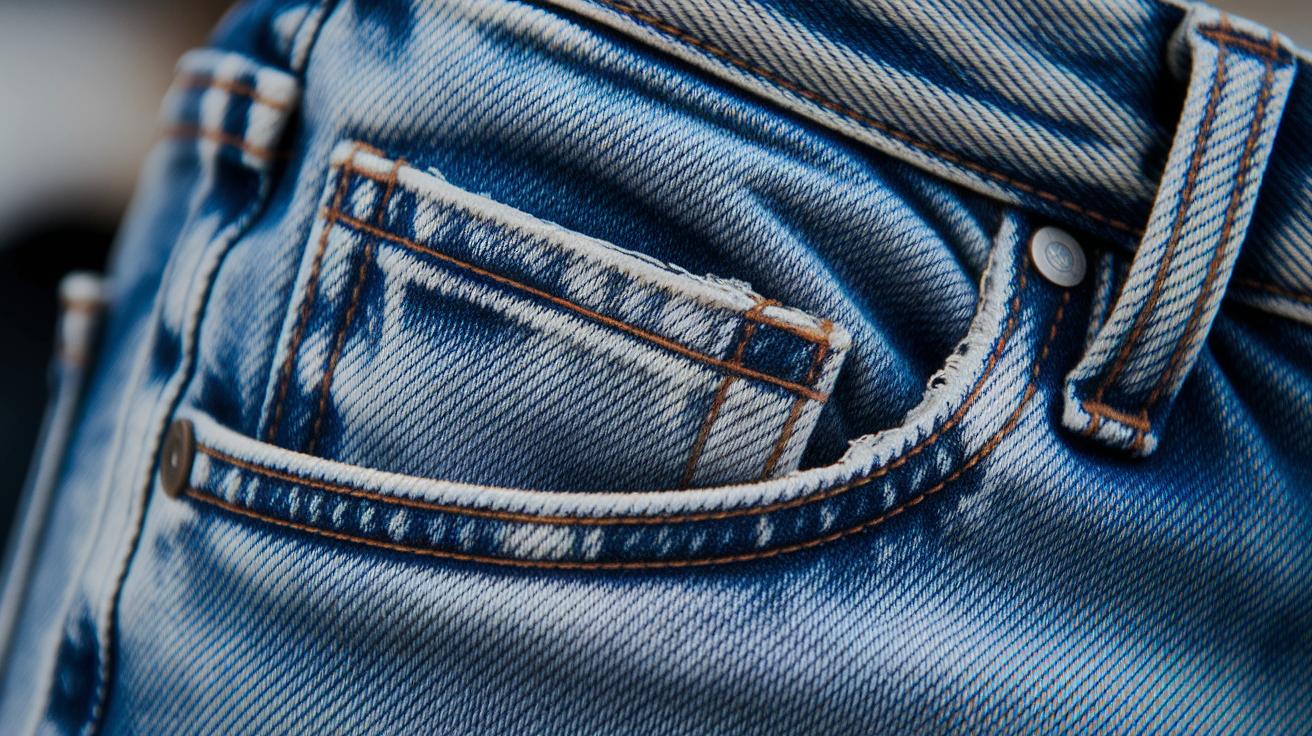
Everyday movements like sitting, walking, or carrying bags cause constant rubbing that wears down fabric at a tiny level. This friction creates little cracks in the fibers, which over time make the fabric thinner.
When fibers break, they sometimes tangle into tiny balls called pills. For example, the rubbing from a bag strap or the inner thighs of your jeans can cause fuzz and even remove the smooth finish of the fabric.
Stretching your clothes too much adds even more stress. Pulling on a garment can distort its shape and thin out areas like seams, pocket edges, or cuffs. These stressed spots might even start to fray as the fabric loses its original structure.
Even small amounts of daily movement make a difference. A bag strap against your shoulder speeds up fiber breakdown, leading to pills, while jeans may lose their shape from repeated stretching. Even slight daily stretching can signal the start of fabric wear, showing that your clothes are working hard every day.
Machine Laundering and Drying Effects on Clothing Wear and Tear
Washing clothes in hot water wears them out faster. High temperatures stress the fabric fibers, causing them to break down quickly. Every wash rubs the material and creates tiny cracks that make the fabric more likely to pill and fade. Think of your favorite t-shirt slowly losing its smooth feel after many hot washes.
The spin cycle adds more strain. Fast spins force water out with a lot of force, which can twist seams and small details. This extra stress may even lead to small tears. Warm water compounds the damage by adding chemical stress that speeds up fiber breakdown. Picture your favorite pair of pants slowly losing shape each time they go through a rough spin cycle.
Drying on high heat also takes a toll. Hot tumble drying can shrink the fabric and weaken its fibers, leaving them more brittle. A better option is to use a short, gentle drying cycle or let your clothes partially air dry with a damp towel.
Other factors, like hard water and detergent buildup, can lower fabric strength over time. Overloading your washer puts extra pressure on seams and buttons. Switching to a calmer laundering routine helps keep your clothes looking new for longer.
Chemical and Environmental Triggers of Clothing Wear and Tear
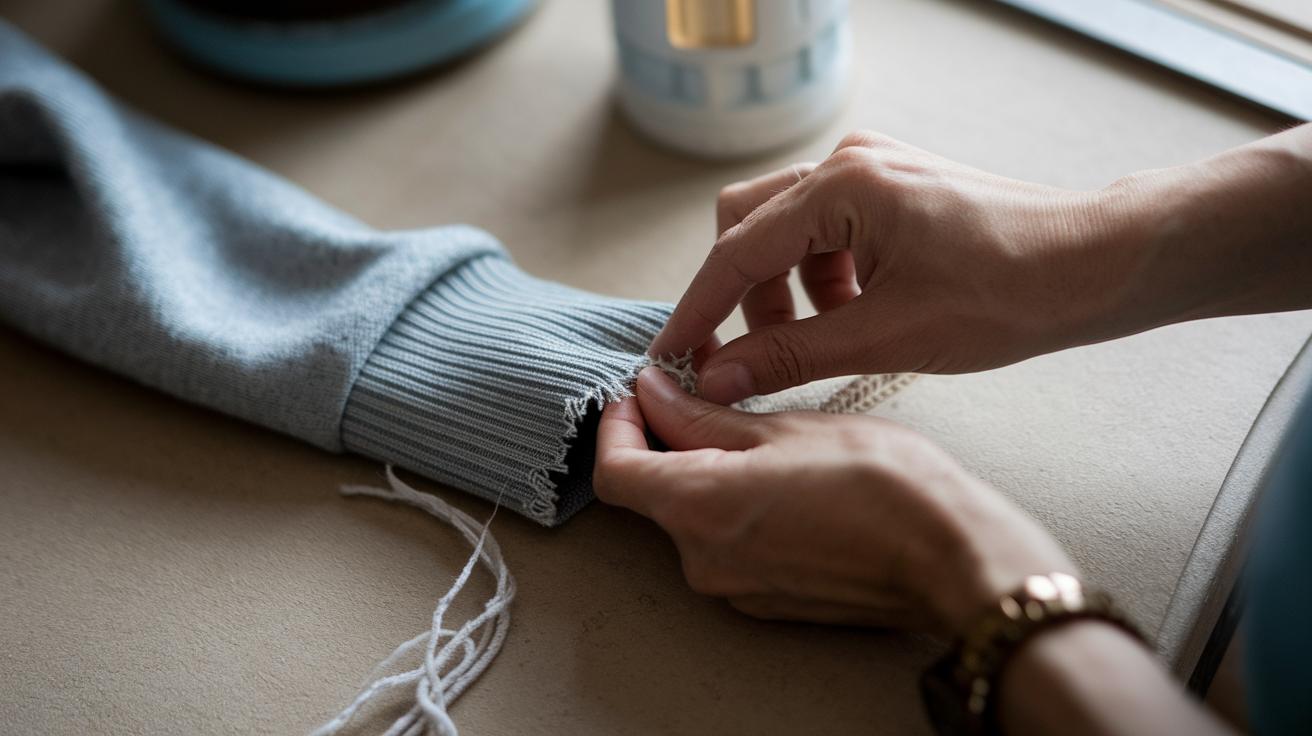
Chemical damage happens when cleaning products harm fabric fibers. Harsh agents like strong detergents and fabric softeners break down threads, making your clothes more prone to everyday wear. Try a spot test on a hidden area before washing the whole piece to catch any issues early and keep your garments in better shape.
Bleach can strip both color and strength from fabrics. While it may lift stubborn stains, bleach oxidizes the fibers, leaving the fabric weak and fragile over time. Strong detergents might leave behind residues that speed up damage. A simple patch test can show if your fabric can handle these chemicals without suffering harm.
Sunlight is another enemy. Extended exposure to ultraviolet light fades colors and weakens fabrics like cotton, linen, and even some synthetics. Too much direct sun can make them brittle, much like paper left in the sun. Drying your clothes in the shade or indoors helps maintain their color and strength.
Moisture and environmental pollutants also play a big role. Storing clothes in damp or poorly ventilated areas can lead to mildew and unwanted odors. Plus, airborne pollutants can oxidize and dull the fibers over time. Keeping your wardrobe in a dry, well-ventilated space can help your clothes last longer.
Structural Faults and Care Tips to Mitigate Clothing Wear and Tear
Fasteners and pockets are two common trouble spots in your clothes. Cheap zippers often get stuck or break when they face too much pressure. Keeping heavy or hard items like keys, coins, or flash drives in your pockets can rub the fabric and wear it out faster. Overstuffing pockets forces the fasteners to work too hard, which can lead to early failure.
Seams can split from repeated strain during everyday wear. Areas such as your inner thighs, underarms, and the edges around pockets take extra stress and may develop small tears over time. Fixing small issues like these early by re-stitching a seam or replacing a missing button can help your garment last longer.
Taking care of your clothes means more than just repairing them. Rotating your outfits can reduce strain on any one piece, and proper storage – like folding or hanging in a dry, well-ventilated space – can help keep fabrics in good shape. For delicate items, professional dry cleaning is a great option to maintain quality. For more tips on choosing long-lasting pieces, check out the clothing quality vs price guide: https://jankreviews.com?p=1611.
Final Words
In the action, we broke down how everyday activities, laundering habits, and environmental factors lead to common causes of clothing wear and tear. We looked at seven core issues, from friction and over-stretching to chemical and environmental triggers, along with practical tips to extend garment life.
Our review shows that with simple care and mindful washing, you can greatly reduce return risk and buyer's remorse. Keep these practical insights in mind to enjoy a more durable, stylish wardrobe.
FAQ
What causes wear and tear on clothes?
What causes wear on clothes includes frequent washing at high temperatures, friction from daily movement, harsh chemicals, UV exposure, over-stretching, low-quality construction, and improper storage. These factors weaken fibers over time.
What is the 3-3-3 rule for outfits?
What the 3-3-3 rule for outfits means is a practical guideline to rotate three key pieces every three days to reduce stress on any single garment and help maintain their look longer.
What are common causes of wear and tear?
What common causes of wear involve repeated laundering, continuous friction from movement, exposure to chemicals and sunlight, along with over-stretching and poor construction, all of which contribute to fabric deterioration.
What is the 5 5 5 rule for clothing?
What the 5-5-5 rule for clothing implies is a care approach where each garment is worn for five cycles, rested for five days, and washed every five wears to help preserve fiber strength and extend its lifespan.