

Ever wonder if your leather belt will hold up over time? It can be hard to tell which ones will last and which might fall apart too soon. We break down how to check for good materials, strong stitching, and sturdy hardware. These simple tips cut through the marketing speak and help you pick a belt that looks good and stays strong. Keep reading to see what makes a leather belt a smart buy.
Key Quality Indicators for Evaluating Leather Belt Quality
A careful check helps you find a belt that not only looks good but also lasts. By following a clear process, you ignore the marketing fluff and focus on what matters. This approach helps you spot belts that keep their shape and style as you wear them. It also shows if the belt uses solid materials and good craftsmanship that can justify a higher price.
- Material grade
- Construction integrity
- Stitching quality
- Hardware robustness
- Price-to-quality correlation
Start by examining the material. A good belt blends durability with style. Full-grain leather, known for its natural strength and unique aging process, is a top choice. Top-grain leather gives a neat look but may not be as tough as full-grain. Belts marked as genuine or bonded often fall short on lasting performance.
Next, look at how the belt is put together. A belt made from one piece of leather works better than one pieced together with glue, which can split under stress. The stitching should be tight and even, typically around 8 to 12 stitches per inch, to keep the belt secure. The buckle and other hardware should feel solid, usually made of brass or stainless steel, with no signs of weak assembly.
Finally, the price usually reflects the quality of these details. A higher price can often mean better materials and work, making it a smart choice if the belt checks all the boxes.
Leather Material Assessment: Grain Structure and Tanning Processes

When you want a belt that lasts, the type of leather matters a lot. Full-grain leather keeps all the natural layers and builds a unique look over time. It feels sturdy and develops a one-of-a-kind patina as you wear it. Top-grain leather, however, is usually smoothed out for a neat look, which can cut its strength by about 10 to 15%. So, if you see a belt simply labeled "genuine leather," be careful. That term might cover up lower-quality materials like split leather (a thinner cut) or bonded leather, which is made from scraps held together with polyurethane or latex and usually only lasts 6 to 12 months.
The tanning process makes a big difference too. Vegetable tanning, which uses natural materials like oak bark, gives the leather a distinct aroma and improves its look with age. Chrome tanning, on the other hand, is all about keeping a consistent color. Knowing these differences helps you make a smarter choice when checking out a belt. You can also do simple tests by looking at the grain and texture to be sure you have natural leather.
| Leather Type | Durability Rating | Key Characteristics |
|---|---|---|
| Full-grain | High | Complete natural grain, develops patina |
| Top-grain | High (slightly reduced) | Sanded for uniform look, slight strength loss |
| Genuine | Moderate to low | May cover split or bonded materials |
| Bonded | Low | Mixed fibers with binders, short lifespan |
Construction Analysis and Craftsmanship Appraisal for Leather Belts
High-end belts are made from a single piece of hide. This means there are no glued layers that can split at weak spots. When you check a belt, see if it is built in one piece. That tells you it is made well and will last longer.
Stitching is very important too. Look for tight, even stitches, about 8 to 12 per inch. This helps stop the belt from coming apart. In areas that face more stress, rivets (small metal pieces that hold fabric together) work better than just thread. If you spot loose or uneven stitches, the belt might not hold up over time.
Take a close look at the edges. Smooth, polished edges show that the maker paid attention to detail. Rough or unfinished edges can wear unevenly. Good edge work not only makes the belt look nicer, but it also boosts its durability.
Hardware Durability Test and Buckle Strength Check
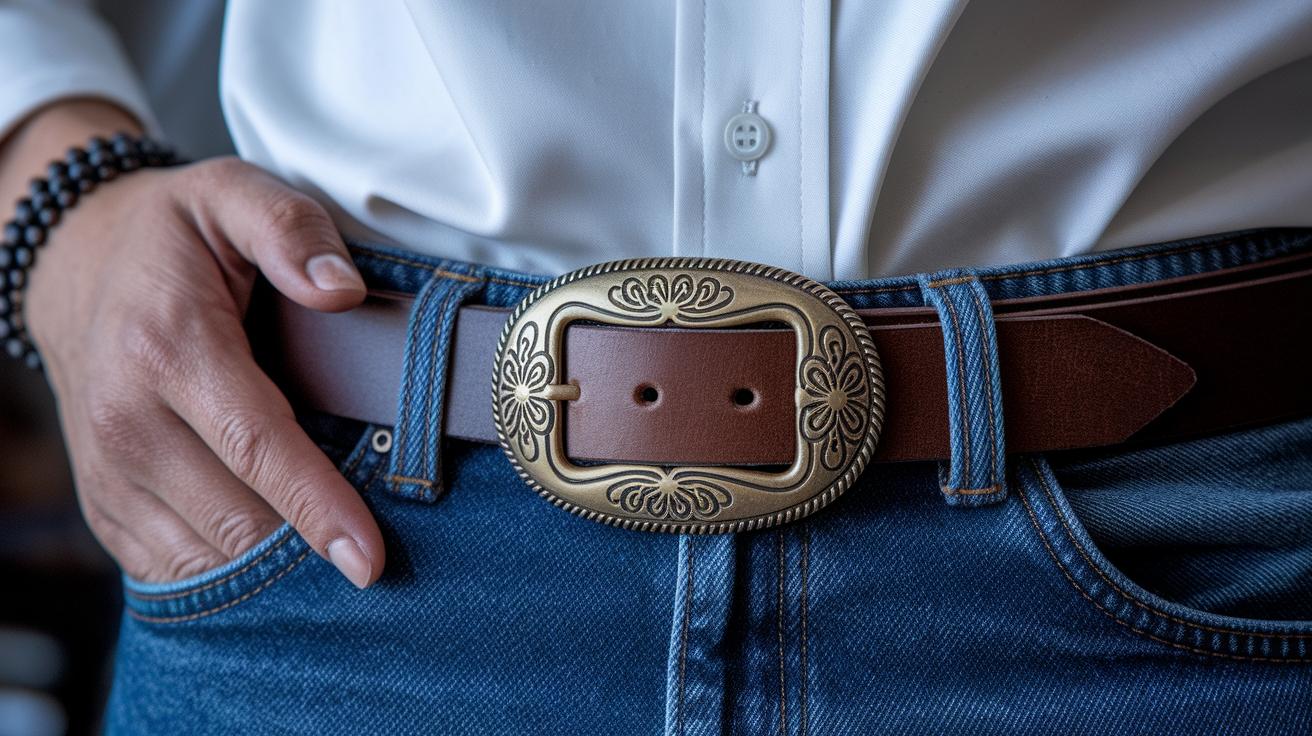
Start by checking the buckle material. Look for buckles made from solid brass or stainless steel. These metals are tough and built for daily wear. Avoid bucks made with a thin metal coating because they can wear off or flake under stress. Also, note if the buckle has a nickel coating or a sealed finish, which helps it stay rust-free over time.
Next, run a simple test. Thread the belt through the buckle and gently flex it at the holes. You should see the prongs line up correctly and work smoothly. This quick test shows if the buckle will keep the belt secure when you move around. If the prongs are misaligned, the belt might wear unevenly.
Finally, take a close look at the rivets and fasteners. They should sit tight and evenly. If any seem loose or out of place, they might have been glued or spot-welded instead of being properly fixed. This check is important to make sure the belt can handle everyday wear without falling apart.
Durability Testing Methods and Flex & Strength Evaluation
Start by checking how thick and flexible the belt is. For full-grain leather, you want it to be between 3.5 and 4.5 mm thick. Use a simple gauge or caliper you might have at home. A good thickness means the belt is strong yet flexible enough for everyday wear.
Next, bend the belt back and forth about 50 times. Watch for any cracking or layers coming apart. If the belt holds up without damage, it shows that the leather is good quality and can handle daily use.
After that, rub a small part of the belt with denim for about 30 seconds. Look closely for any marks or a change in color. This test helps you see if the finish can stand up to rough contact without wearing off.
Finally, pull the belt at the buckle using a force of about 10-15 lbs. This helps check if it stretches too much or if the seams might give out. Together, these tests offer a clear idea of how well the belt will perform day to day.
Authenticity Verification and Natural vs Synthetic Comparison
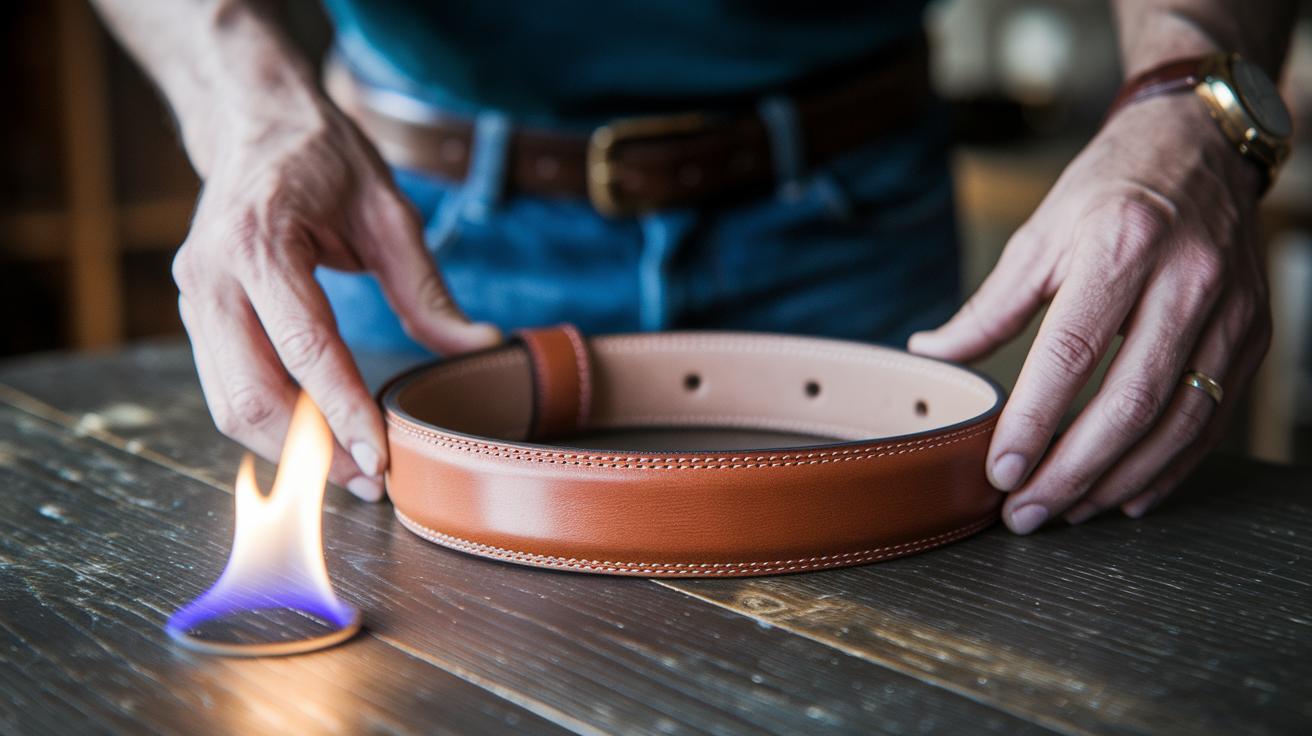
Try a simple fire test first. Light a small, hidden spot on the belt and watch closely. Real leather will char, curl, and give off a warm, natural smell. Fake materials like PU or PVC will melt and smell like plastic. This test helps you tell if the belt is made from natural hide or an imitation.
Next, give it a smell and water drop test. Genuine leather has an earthy, warm scent that feels natural. If you drop a bit of water on it and the liquid soaks in, you likely have real leather. But if the water beads up on the surface, it is probably synthetic.
Finally, check the label for clues. Look for words like "full-grain" or "top-grain" and see if the brand mentions where the leather came from. Clear, detailed labels show that the belt is made from high-quality hide and is a true, natural product.
Preservation Technique Overview: Maintaining Leather Belt Quality
Your leather belt can last a long time if you give it a little care. After each wear, grab a soft cloth and gently wipe off any dust or dirt. Every three to four months, treat your belt with a natural leather conditioner to keep it soft and flexible.
Avoid soaking your belt in water or tossing it in the washing machine since that can harm the leather. Instead, store it flat or hang it on a belt rack so it keeps its shape. If you want extra protection, try a light chemical treatment like beeswax or mink oil to boost water resistance. Just make sure to test it on a small, hidden spot first.
Simple fixes at home can also help your belt stick around longer. If you notice some loose stitching or rough edges, consider a quick DIY repair. You might lightly singe the edges or stitch any loose threads. With the right tools and a little patience, these small repairs can keep your belt looking great without needing professional help.
Premium Belt Appraisal and Style vs Price Quality Comparison
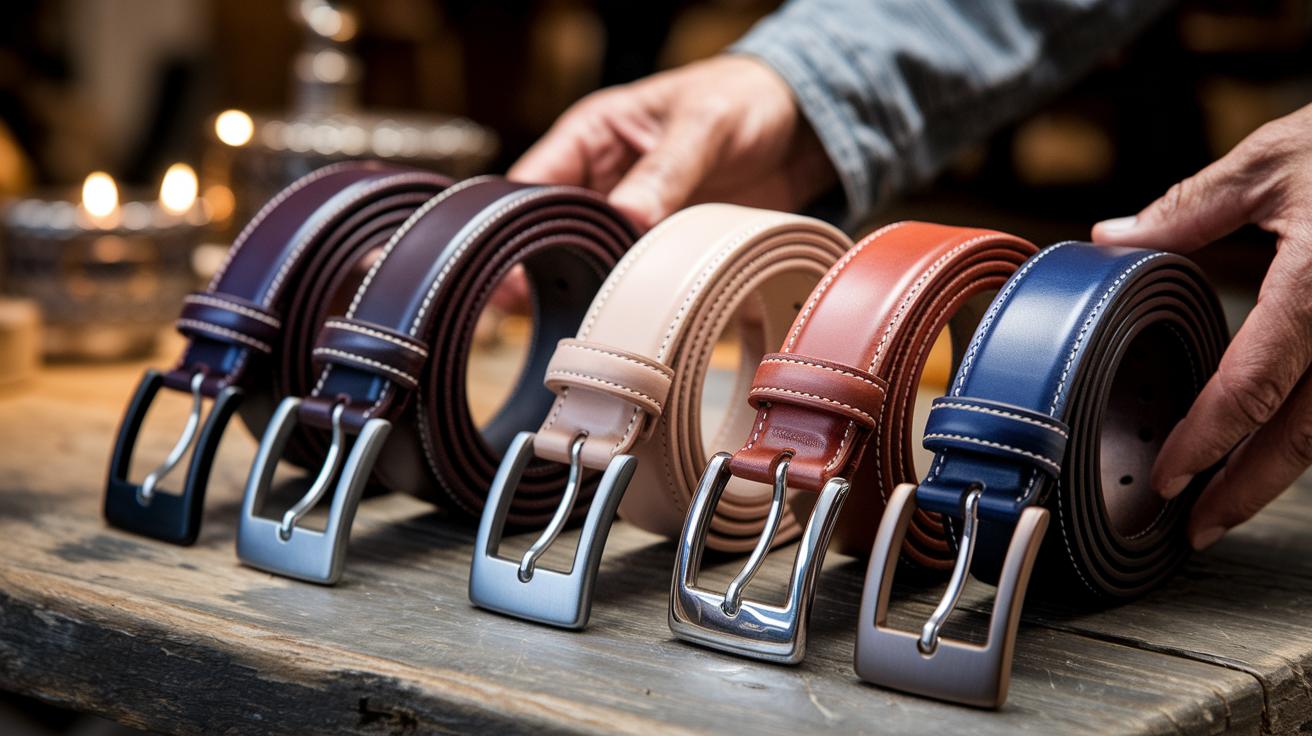
A good belt is a smart investment. Premium belts made of full-grain leather usually cost between $75 and $200, while genuine leather belts on a budget run from $20 to $50. The price shows you the difference in fabric quality and how well it's made.
When you check out handmade belts, you can see little signs of quality that mass-produced belts often miss. For example, look for neat edge burnishing (smoothing and polishing the leather edge), leather from one hide (using one piece instead of layers), and custom hardware that adds both style and strength. Smooth seams and evenly riveted joints are clear signs that the belt was made with care. Over time, the natural grain deepens and tells its own story.
Style also plays a big role. Dress belts are usually 1.25 inches wide, come in darker shades, and have a finer grain. These are best for formal settings. Casual belts, around 1.5 inches wide, offer more texture and color options for everyday wear. Premium belts often use single-hide leather, which is tougher and less likely to show weak spots compared to multi-hide laminates found in cheaper belts.
For more information on how price reflects material and craftsmanship differences, check out the Clothing quality vs price guide.
Final Words
In the action, we broke down each step to help you assess every part of a leather belt, from material and stitching to hardware, durability tests and authenticity checks. We walked through the indicators that matter in how to evaluate leather belt quality, offering simple tests and comparisons to guide your decision-making.
Our review aimed to clear up any uncertainty. With this hands-on approach, you can shop smarter, confident that your next purchase will be both stylish and sturdy.
FAQ
How do I evaluate leather belt quality on Reddit, and for women’s and men’s belts?
Evaluating leather belt quality involves checking the material type, even stitching, secure hardware, and fair pricing. Look for cues like natural grain in full-grain or uniform finish in top-grain belts.
What does a full grain leather belt mean?
A full-grain leather belt is made from the top layer of the hide, retaining natural imperfections and texture. It offers the best durability and develops a unique patina over time.
How can I identify a real leather belt?
Identifying a real leather belt means checking for natural markings, an earthy scent, and a label indicating full or top grain. Genuine leather usually feels soft yet sturdy and isn’t overly smooth like synthetic alternatives.
What distinguishes a top-grain leather belt from others?
A top-grain leather belt is produced by sanding the surface for uniformity, resulting in a smoother look. This method sacrifices a bit of durability compared to full-grain but still provides a well-finished belt.
How does one tell if a leather belt is high quality?
Telling high quality involves inspecting the belt’s even stitching, one-piece construction, solid hardware, and overall robustness. High quality belts exhibit careful craftsmanship with balanced durability.
What are the different grades of belt leather, and what are the four primary grades?
Belt leather grades include full-grain, top-grain, genuine, and bonded. Full-grain is the most durable, followed by top-grain, while genuine and bonded leathers use lower-quality materials and do not last as long.
How much should a good quality leather belt cost?
A good quality leather belt can cost between $75 and $200 for premium full-grain options, while budget styles made from genuine leather may range from $20 to $50. The pricing reflects material quality and craftsmanship.