

Quick Verdict
The key to clothes that last lies in how the fabric is built.
Why It Matters
Ever wonder why some pieces seem to stand the test of time while others wear out quickly? The secret is in the fibers and the way they are finished. The weave and treatment help the fabric resist pulls, tears, and little fuzz called pilling.
The Fabric Science
In simple terms, fabric durability comes down to tensile strength (how much stretch a fabric can handle without breaking) and its material makeup. Well-made fabrics offer lasting comfort and help you save money in the long run.
The Long-Term Payoff
By choosing fabrics that are built to last, you get more reliable wear day after day. A little knowledge about how fabrics work can really pay off for your wardrobe.
Scientific Foundations of Fabric Durability
Durability means a fabric can handle friction, pulling, and tearing over time. Everyday use, like rubbing, pilling, snagging, or tearing, is a constant test of a garment's strength. Good fabrics keep their feel and look even after many wears. This means you won't have to replace them as often, saving you money in the long run.
When it comes to everyday clothes, durability is key to staying comfortable and looking fresh. If a fabric holds up well against stress, it stays both good-looking and comfy. Imagine a sturdy shirt that stands up to daily wear and tear, you won't need to buy a new one all the time. That's a smart way to invest in your wardrobe.
At the core of fabric durability are tensile strength and the way a fiber is finished. Fabrics with high tensile strength resist tearing because their building blocks (polymer chains, or the long bonds in fibers) stay strong under pressure. When a fiber bonds well with its finish, it is less likely to pill or snag. For example, think of a work jacket that feels tough but still lets you move easily. This shows how strong bonding keeps a garment resilient. Durable fabrics not only take on physical demands but also keep a steady look and feel, proving that spending a little more at first can lead to savings later.
Fiber Structure and Material Composition in Durability
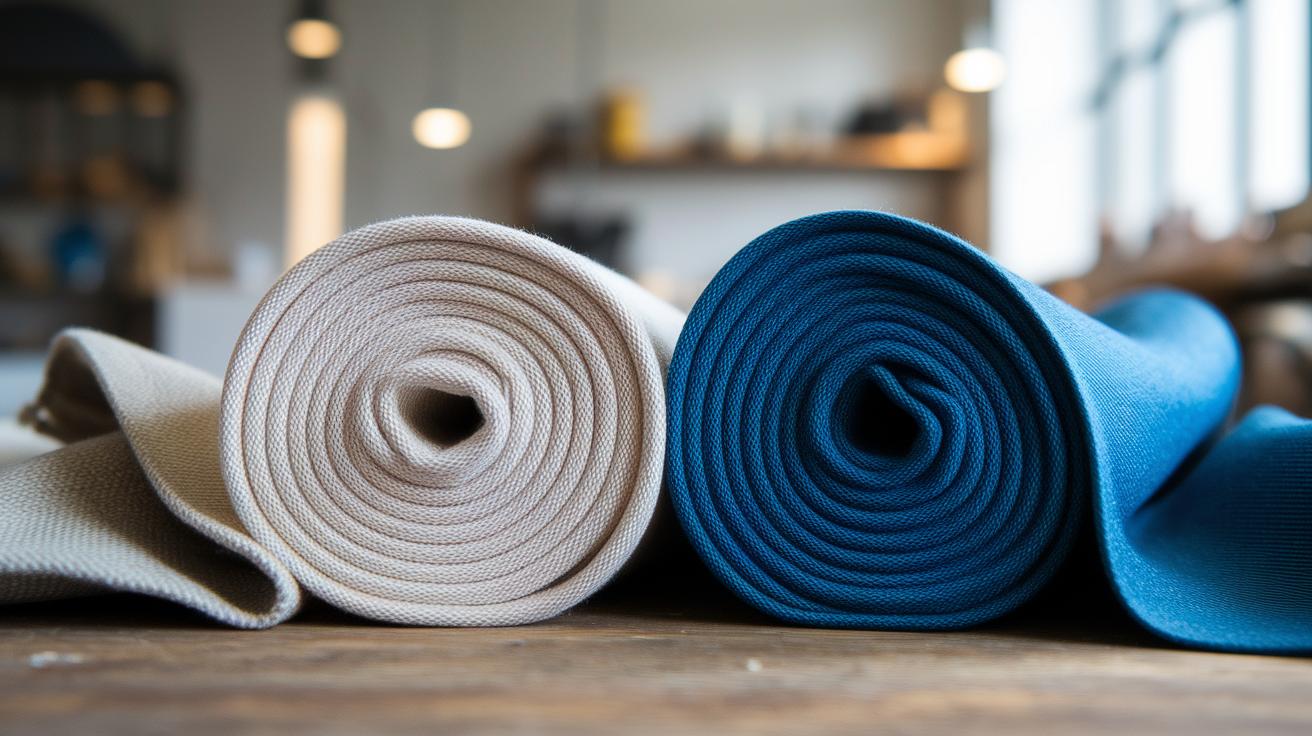
Natural fibers like cotton, hemp, and linen have uneven cell walls. The little gaps let air flow through while still keeping a good level of strength. On the other hand, synthetic fibers such as polyester and nylon have a very uniform structure, which makes them more tear-resistant but also causes them to trap more heat. Natural fibers help your fabric breathe and feel light, while synthetic ones are built to last in tough conditions. This basic difference is key to understanding how mixed fibers perform over time.
A fabric's long-lasting strength comes from the stability of its polymer chains. These long molecular bonds act like links in a chain, holding the fabric together when it's stressed. Whether a fiber comes from nature with its uneven bonds or from a synthetic process with neat layers, the key to its strength is how well these chains stand up to friction, pull, and rubbing. Fibers like Cordura, ballistic nylon, and Kevlar depend on long, strong chains that resist breaking, which means your garment stays intact even after a lot of use. Plus, when fibers grip each other well, they reduce pilling and slow down wear, helping your clothes keep going longer.
Blended fabrics bring together the strengths of both natural and synthetic fibers. They mix the light, breathable quality of natural fibers with the durability you get from synthetics. This combination not only boosts overall performance but can also make your garment a better bang for your buck. In simple terms, blended textiles give you the best of both worlds for everyday comfort and for heavy-duty wear.
Testing Protocols and Performance Profiling for Fabric Durability
Standard tests help us see how fabrics handle everyday wear. These methods copy the rubbing, friction, and pressure a fabric feels in daily life. One common test is called the Martindale method. It runs hundreds of cycles to show how a textile wears out over time. This kind of testing tells both makers and shoppers what to expect and helps find areas that need fixing.
| Test Method | Purpose | Measurement Unit | Standard Code |
|---|---|---|---|
| Martindale | Abrasion resistance | Cycles | ISO 12947 |
| Wyzenbeek | Double-rub wear simulation | Cycles | ASTM D4157 |
| Elmendorf | Tearing strength | Newtons (N) | ISO 1974 |
Test results guide how fabrics are chosen. The Martindale and Wyzenbeek tests count how many cycles a fabric can take before showing wear. The Elmendorf test tells you how much force is needed to tear it (measured in newtons, or N). Designers use this info to pick the right fibers and finishes, whether they tighten a weave or add a protective coating. This careful testing makes sure fabrics are strong and comfortable while meeting everyday needs. In short, these trials turn raw fabric qualities into clear benchmarks for making tough, long-lasting clothes.
Environmental and Usage Factors Affecting Fabric Longevity

Every day, our clothes face weather elements that slowly take a toll on them. Sunlight makes the fabric fade and weak by breaking down its fibers. Rain and sweat add moisture that can lead to mold and other decay. Constant wind and changing temperatures can tire out the material, causing tiny cracks over time.
- Sunlight (UV rays) which fades and weakens the fabric
- Moisture that can encourage mold growth
- Temperature changes that lead to fiber fatigue
- Wear from constant movement and abrasion
- Chemical exposure from cleaning products
- Poor storage conditions with light and pests
To keep your clothes lasting longer, wash them in cold water with a gentle detergent. This helps protect the finish on the fibers. Avoid leaving them in direct sunlight for long periods, and store them in a cool, controlled space. With a bit of extra care, you can slow down wear and keep your clothes looking good for more time.
Innovations and Advanced Techniques to Enhance Fabric Durability
Advanced textile methods are now needed for everyday wear. Manufacturers use smart strategies to make clothes stay fresh and handle tough use. Nano-coatings act like a tiny shield. They help keep water, stains, and UV rays away from the fabric right at the molecular level. Special finishes with silicone, fluoropolymer (a chemical that repels water and dirt), and graphene add a tough layer that protects against rubbing and scuffs. Think of it as having a built-in barrier that helps keep the color bright and the feel soft even after heavy wear.
Modern designs also make fabrics tougher by using smart stitching techniques. For example, flat-fell seams and bartacks (small, extra stitches at stress points) spread the strain out and help avoid tears when the fabric is pulled or stretched. New blends like core-sheath yarns (yarns with a strong core and a softer outer layer) and hybrid reinforcements mix natural and synthetic fibers. This mix makes the fabric strong enough to resist impacts while still feeling gentle on the skin, just like the gear you need for sports or active days.
Eco-friendly coatings are another big step forward. These coatings not only protect the fabric from chemicals and wear but also help reduce harm to our environment. This means you get long-lasting clothes that work well for active lifestyles and support sustainable choices at the same time.
Final Words
In the action, we broke down the science of fabric durability from molecular bonding and fiber structure to rigorous tests and real-world wear factors. We explored chemical finishes, blending techniques, and new ideas that boost long-term fabric performance.
This review offers a practical look at how testing protocols and environmental factors shape apparel longevity. It all aids in understanding the science behind fabric durability while helping you pick items built to last.
FAQ
Understanding the science behind fabric durability essay?
The science behind fabric durability essay explains how fabrics resist friction, tension, and tearing by linking physical stresses to chemical factors that maintain performance over time.
What is a fabric durability test?
A fabric durability test measures how materials perform under wear conditions such as abrasion, tear stress, and pilling by using standardized methods like the Martindale and Wyzenbeek tests.
How is fabric durability rated?
Fabric durability is rated by comparing test outcomes on abrasion, tearing, and colorfastness, often summarized with numerical scores from standardized methods to indicate long-term reliability.
How do you measure the durability of a material?
Measuring material durability involves tests that evaluate resistance to abrasion, tear, and other stresses, using units like cycles and newtons along with standard codes for consistency.
What units are used to measure fabric durability?
Fabric durability is measured in units such as cycles for abrasion resistance and newtons for tear strength, with standardized codes like ISO and ASTM providing clear benchmarks.