

Quick Verdict
Digital fashion is changing the way we shop and design clothes by mixing smart technology with creative style.
Why It Matters
Technology like virtual try-ons and 3D garment simulation is making online visits up by 30%. This means you can see how a piece looks on you before you buy it, making shopping more interactive and clear.
Tech Meets Style
This shift is part of a $50 billion change in the fashion world. Digital methods are making style more efficient and practical. They let you explore unique outfits and try on looks virtually, so you know exactly what to expect.
What It Means for You
Digital fashion is not just a trend. It helps you make better choices by giving you a real feel for how clothes drape and move. It brings modern technology and everyday style together to create a simpler, smarter shopping experience.
Digital Fashion Trend Outlook: Inspiring Style Futures
Digital fashion is leading a huge change in the clothing world. It is now part of a $50 billion shift that transforms how clothes are designed and made. Brands and shoppers are moving from simple websites to smart, interactive Web 3.0 experiences that feel personal. For example, some top brands increased their online visits by 30% just by offering digital fitting sessions.
Recent market trends show that since November 2022, NFTs (non-fungible tokens, which prove digital ownership) have unlocked new ways for brands to earn money. Simple AI (artificial intelligence) models are now used to spot trends and manage stock. This helps ensure that inventory matches actual demand, cuts down on waste, and avoids last-minute production rushes.
New digital methods are also changing production. Techniques like 3D garment simulation (a digital way to design clothes), virtual try-ons, and digital sampling all work together to reduce the need for making many physical prototypes. This approach not only supports more sustainable practices but also speeds up fashion shows, offering real-time style feedback that builds confidence and lowers return rates.
Looking ahead, these smart technologies will continue to grow. Experts believe that new design, manufacturing, and selling methods will make the industry even more efficient and creative. Metaverse style predictions suggest that blending our online and offline fashion experiences will create fun, immersive, and eco-friendly shopping experiences.
| Key Innovation | Impact |
|---|---|
| AI in Logistics | Smooth inventory and supply management |
| 3D Simulation | Reduced sampling and smarter design |
Digital Fashion Trend Outlook: Virtual Style Forecasting & Augmented Reality Wardrobes
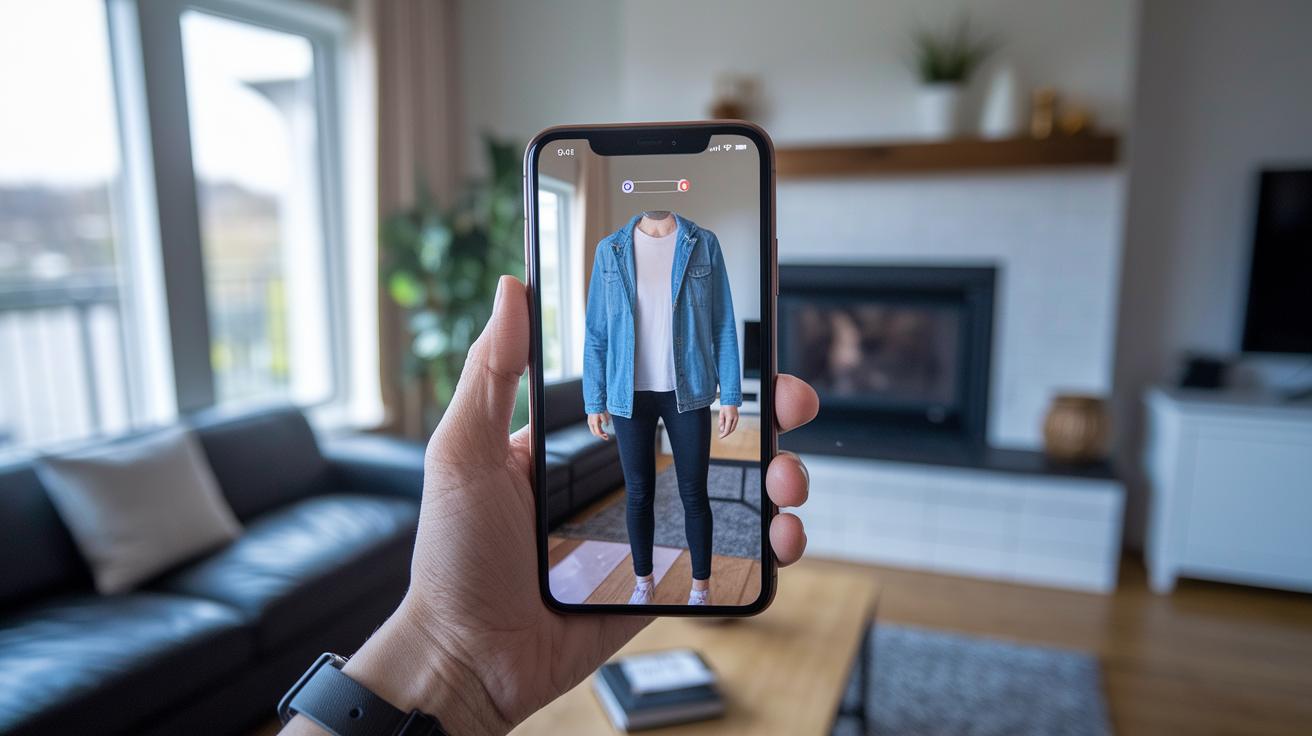
Virtual style forecasting is changing the way we shop by letting you try outfits live. With augmented reality apps, you can mix and match clothes on a live video of yourself, making the shopping feel both real and digital. Picture this: you check your phone and see a digital jacket draped perfectly on you, giving you a boost of confidence before you buy.
3D clothing simulation has become a normal part of how designers work. It cuts the need for many physical samples by about half, which makes the process faster and creates less waste. Virtual try-ons give you a real-time look at how clothes will appear, which helps you decide and reduces the number of returns. Extended reality fitting even lets brands set up digital dressing rooms where you can style your digital avatar for a look that's ready for social media.
- Virtual try-ons build your confidence and help you shop smarter.
- Augmented reality apps let you easily mix and match outfits.
- 3D garment simulation means fewer physical samples and quicker design approvals.
- Immersive outfit views make shopping interactive and fun to share.
- Extended reality fittings bring high-tech help to every shopping moment.
These new technologies are changing how we buy clothes both online and in stores. They make finding your style more fun and easy, and they boost online shopping sales.
Digital Fashion Trend Outlook: NFTs, Blockchain Supply Chains & Cyber Couture Innovations
NFTs moved from being a niche idea to a mainstream trend since late 2022. They let you own digital clothing and accessories in a secure way. One designer even launched a limited-edition digital jacket that exists only online and is verified as unique. This change brings new business ideas where digital items can mean as much as real ones.
Blockchain now helps verify both digital and physical fashion pieces. It shows you exactly where an item comes from and confirms its authenticity, which is key for buyers who care about originality. This system builds trust and makes it easier for brands to work across both digital and real worlds.
Holographic displays and virtual avatar dress-up events are boosting cyber couture. In metaverse platforms, digital fashion shows and interactive displays are quickly becoming popular.
- NFTs fuel digital ownership trends.
- Blockchain verifies authenticity seamlessly.
- Cyber couture connects virtual displays with real-world value.
Digital Fashion Trend Outlook: AI-Driven Style Shifts & Tech-Forward Clothing Insights

Artificial intelligence is changing how fashion brands plan, design, and make clothes. AI (computer programs that learn from data) now helps brands set the right inventory by checking sales numbers and customer behavior. These programs even spot rising trends so brands avoid making too many items. Imagine a system that detects a streetwear trend days before it takes off. This smart method speeds up production and makes garments faster and more accurate.
Data tools also make a big difference. They gather design ideas from teams around the world into one digital hub. This means everyone sees the latest updates and turns ideas into samples quickly without the usual delays.
Sizing tools that use machine learning (a way for computers to learn from data) improve how well clothes fit. They use customer measurements and past orders to suggest the right size. This leads to fewer returns. Plus, digital sampling powered by AI picks the best colors and patterns before any physical samples are made. That cuts down on fabric waste and lowers shipping emissions.
- AI helps keep stock levels right and spots style trends early.
- Data tools bring all design work together for faster reviews.
- Machine learning gives better sizing recommendations.
- Digital sampling reduces waste and emissions.
These smart, data-driven methods are paving the way for faster and more efficient fashion production around the world.
Digital Fashion Trend Outlook: Sustainable Virtual Movements & Future Apparel Perspectives
Digital collections and online-first design methods are changing fashion. Brands now use digital samples instead of making physical prototypes. This helps reduce fabric waste and cuts down on transport emissions. In fact, some brands have reduced their carbon footprints by as much as 60% by going digital. This change reduces waste and pushes brands to use greener methods that shoppers expect today.
Designers are also exploring smart textiles. They add tiny sensors (small devices that track data) into clothes that work both online and in real life. These fabrics check how the clothes perform in different settings and meet strict eco standards. Plus, with online shops comparing brands, companies now show clear, sustainable steps throughout design and production.
- Using digital samples cuts the need for physical ones and reduces waste.
- Online workflows lower the amount of carbon emissions.
- Digital sampling cuts back on transport emissions.
- Smart textiles track how well eco-friendly garments work.
- Clear sustainable practices raise brand trust with modern buyers.
Looking ahead, new digital trends focused on the environment will shape the future of fashion. Innovation labs are testing augmented reality (tools that mix digital images with real life) with sustainable materials and smart textiles. As brands balance style with responsibility, these digital moves will pave the way for a greener and smarter clothing industry for everyone who cares about design and the planet.
Final Words
In the action, the blog broke down how market forces, AI, and blockchain are redefining how we shop and wear fashion. The post mapped out virtual try-ons, metaverse style predictions, and sustainable moves that trim waste and boost style trust.
Key points include:
- Shifts to Web 3.0 experiences
- Digital sampling and 3D simulations
- Blockchain and NFT impacts
These insights paint a clear digital fashion trend outlook that leaves us feeling optimistic and ready for what's next.
FAQ
What is the Digital Fashion Trend Outlook PDF about?
The Digital Fashion Trend Outlook PDF outlines market dynamics, key innovations, and future growth in digital and physical apparel, offering insights into technology shifts and sustainability efforts in fashion.
What does the Digital Fashion Trend Outlook 2022 report include?
The Digital Fashion Trend Outlook 2022 report covers virtual styling innovations, NFT adoption, and AI-driven insights, showcasing how the digital revolution is reshaping the fashion industry.
What are the key fashion industry trends for 2026?
The fashion industry trends for 2026 focus on digital-first production, blockchain traceability, immersive virtual styling, and sustainability practices, highlighting how technological advancements drive market shifts.
What information does The State of Fashion 2026 PDF and McKinsey report provide?
The State of Fashion 2026 PDF and McKinsey report deliver detailed market statistics, analysis on technology adoption, and sustainability benchmarks set to influence future fashion industry standards.
What do global fashion industry statistics and Business of Fashion 2026 data reveal?
Global fashion industry statistics and Business of Fashion 2026 data reveal market size, revenue trends, and key tech innovations, providing a snapshot of ongoing digital transformations and eco-friendly shifts in fashion.
When are major changes predicted in The State of Fashion 2026 reports?
The State of Fashion 2026 reports predict major changes as brands adapt to new sustainability mandates and digital innovations, indicating a shift in market rules and consumer expectations within the industry.