

Ever notice how some wallets last for years while others seem to fall apart in just a few months? The secret is all in the way they are made. Instead of following trends, a wallet that endures uses genuine leather, tight stitching, and cleanly painted edges. These details let the wallet build character over time and handle everyday use. This guide breaks down the basics so you can choose a wallet that works as hard as you do.
Choosing a Wallet That Lasts: Core Durability Factors
Durable leather wallets last strong because they have three key parts: top-quality leather, careful stitching, and proper edge finishing. Look for genuine full-grain leather that can handle everyday wear. Over time, it gains a rich look that shows its history.
Stitching matters too. Check for tight, even stitches, whether hand-sewn or done with strong machine techniques. Some wallets, like Texas leather styles, use reinforced edges to stop seams from coming undone after repeated bending. Give the seams a light tug, if loose threads appear, it might not hold up well over time.
Edge finishing also plays an important role. Good edge treatment, like quality edge paint or a carefully polished border, locks in moisture and keeps fibers from fraying. This helps the wallet keep its shape and look smart even with daily use.
Lastly, a smart layout is a bonus. A well-designed wallet offers snug card slots, dedicated cash compartments, and a slim profile to avoid overstuffing. This mix of style and practical design helps the wallet stay durable. For more details, refer to the "Essential Indicators of Durable Accessory Design" page.
Selecting the Right Leather: Full-Grain and Beyond
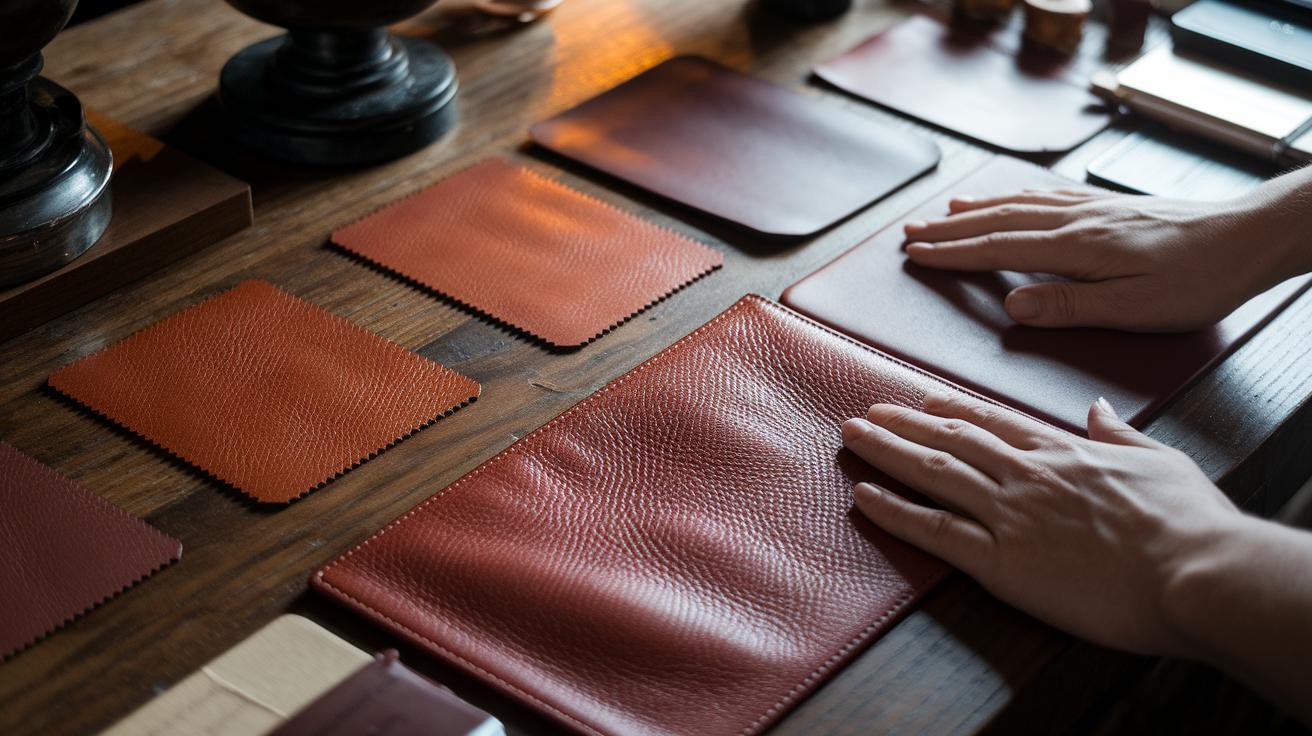
Full-grain leather is the best if you need something that lasts. It shows natural variations in texture and gets a richer look over time. Run your fingers along it and you'll feel a firm yet flexible surface, and sometimes even notice a light, earthy scent. This leather is left unaltered so it keeps its natural strength and ages gracefully.
Top-grain leather strikes a balance between strength and a smooth, even look. It is sanded and refinished to hide flaws yet still holds much of the leather's original feel.
On the other hand, corrected-grain leather is heavily processed to create a uniform finish, which can take away some of its durability. Bonded leather is made from pressed leather scraps, so it is not as tough as higher-grade options.
The tanning process matters too. Vegetable-tanned leather (tanned using natural materials) stands up well to cracking and environmental damage, while chrome-tanned leather has a softer, almost silky feel.
- Full-Grain Leather: Natural texture, develops a rich patina, and offers top durability.
- Top-Grain Leather: Smooth and even look with a good dose of strength.
- Corrected-Grain Leather: Heavily processed for a neat finish but with less durability.
- Bonded Leather: Made from scraps and not as resilient as other types.
Each type comes with its own benefits. Look for real signs like a natural scent and texture to be sure you are choosing a wallet that will last.
Stitching Quality: Ensuring Structural Integrity in Wallets
Strong and even stitching keeps a wallet together through everyday wear. Tightly woven threads help prevent fraying and keep the wallet’s shape, even after many bends. Different stitch types matter here. For instance, a hand-sewn saddle stitch uses two needles working together to hold the fabric securely. A machine-made lockstitch gives a neat, even look but depends on strong thread so it can break if one fails. You can do a simple seam check by gently tugging along the line to spot any loose spots. For more details, see the Insider’s Guide to Evaluating Accessory Quality.
When checking a wallet, look closely at areas that usually face stress, like corners and card slots. Often, extra bar-tack reinforcements are added in these spots to boost durability. Jagged or loose threads are clear signs of low quality and may mean the wallet won’t hold up over time.
- Saddle Stitching: A hand-sewn method using two needles that holds up well with daily use.
- Lockstitch: Made by machine for a smooth look but can fail if a thread weakens.
- Bar-Tack Reinforcement: Extra stitching at corners and stress points that adds strength.
- Overlock Stitch: Tightly binds raw edges to prevent loose or uneven threads.
Edge Paint and Finishing: Sealing Wallet Edges for Longevity
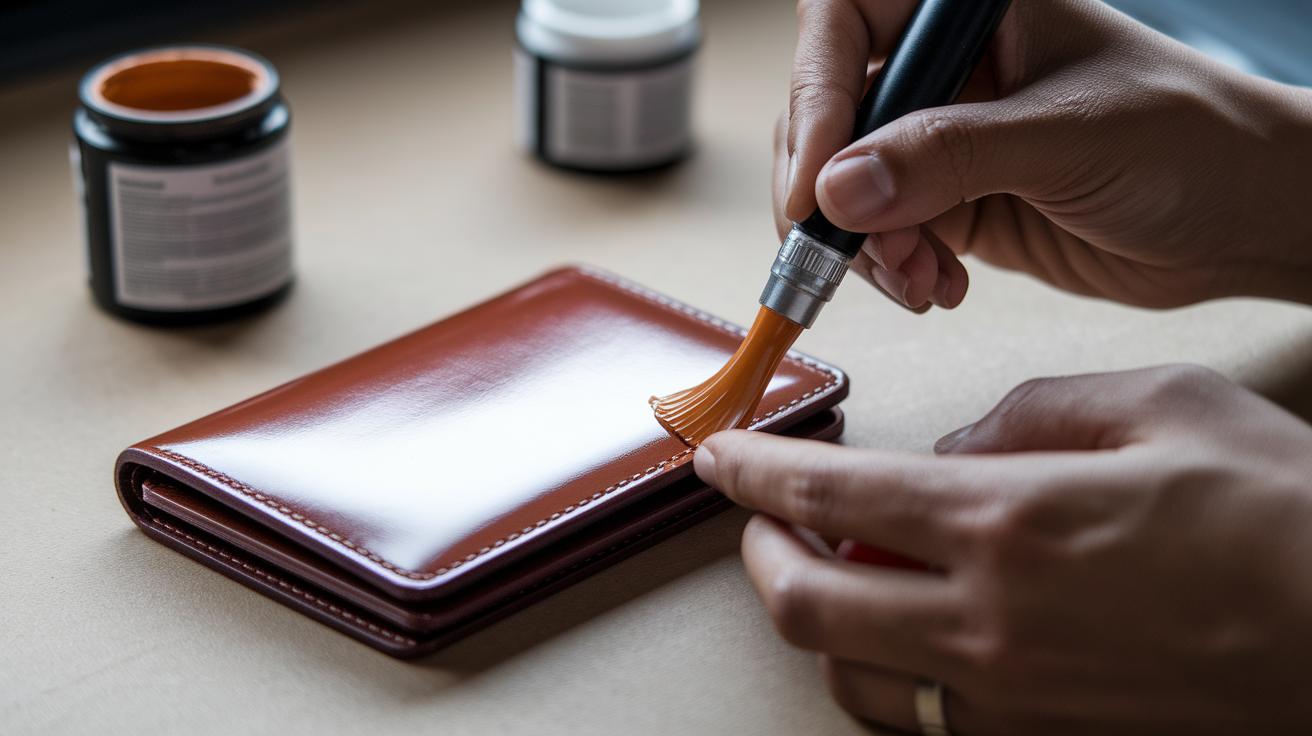
Edge paint is key for keeping your wallet in shape. It covers the cut leather fibers, keeping moisture out and preventing the fraying that happens when you bend your wallet every day. The best wallets get an even, multiple-coat finish that is often machine buffed for a smooth feel. Some even use hand buffing to give their edges extra care. These details not only make your wallet look better but also help it last longer.
A thin or poorly applied coat can crack when flexed repeatedly, exposing raw edges that show damage quickly. Check the finish closely to make sure the paint is applied evenly, with no drips or spots, and that the color matches the rest of the leather. Using several coats and careful buffing makes for a tougher, longer-lasting edge finish. It pays to inspect these details to know your wallet is built to last.
- Even paint application that stays the same thickness
- No drips or uneven spots
- Color that blends seamlessly with the rest of the leather
- A finish done with multiple coats or careful hand buffing
Assessing Wallet Construction and Durability: Testing Methods
Testing your wallet at home is fun and useful. We suggest a few simple tests to see how well your wallet handles daily use.
First, load your wallet with cash and cards and do a Fold Test. Open and close it 50 times. Watch for any edge paint cracking or seams that shift. If you see peeling or stretched stitches, the wallet might not be ready for everyday use.
Next, give it a Tension Test. Gently pull on the card slots. The seams should stay firm and the wallet should not start to give way. If the leather or fabric stretches or tears, it points to weak construction.
Then, try a Water Check. Lightly spray a mist on the wallet. Good quality leather will repel water, causing droplets to bead up. If the water soaks in, that is a sign of lower quality.
Finally, test the hardware. Work all snaps, zippers, and rivets through several cycles. They should click, zip, or fasten smoothly every time.
Here are the key tests:
- Fold Test: Open and close a loaded wallet 50 times.
- Tension Test: Gently pull on card slots to check seam strength.
- Water Check: Lightly mist the wallet to see if it repels water.
- Hardware Test: Repeatedly check snaps, zippers, or rivets for smooth action.
These tests help you see if a wallet is built strong enough for everyday demands while keeping its look and function.
Wallet Maintenance and Care: Extending Lifespan
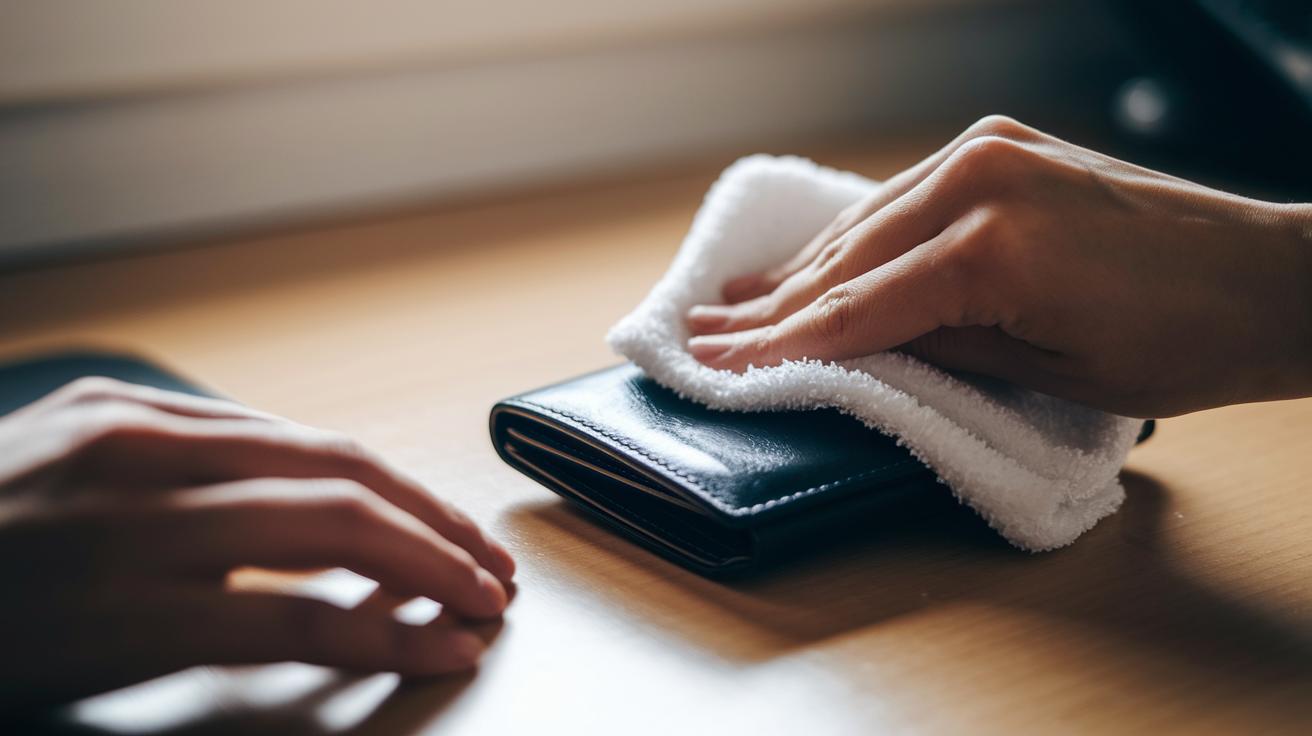
Taking care of your wallet keeps it looking neat and working well for years. A simple routine helps you spot early signs of wear and protects both the leather and the stitching.
Wipe your wallet gently with a soft, damp cloth to clear away daily dirt. This easy step not only keeps your wallet neat but also prevents dirt from breaking down the leather. After a long day, a quick wipe can show if any part is starting to wear out, letting you act before any real damage happens.
A regular cleaning schedule makes your wallet last longer. Here are a few tips:
- Monthly: Wipe it with a soft, damp cloth to remove surface dirt.
- Every six months: Apply a thin layer of leather conditioner or natural oil. Let the product sit for about 10 minutes so the leather stays soft.
- Storage: Keep your wallet flat in a cool, dry spot away from direct sunlight and high humidity.
- Usage: Use two wallets in rotation to reduce stress on seams and folds.
Also, check for loose stitching or chipped edge paint from time to time. A quick look every few months can catch small issues before they grow, keeping your wallet both practical and stylish.
Balancing Cost and Quality: Wallet Brands and Value Investment
When you pick a wallet, think about both the price and how long it will last. Cheaper wallets, usually priced between $30 and $50, often use lower-grade leather and simple machine stitching. These wallets usually last only 1 to 2 years with everyday use. For example, a low-cost wallet might start to show wear after just a few months, much like that cheap phone case you bought that barely survived daily knocks.
Mid-range wallets, costing between $75 and $150, generally use top-grain leather and sturdier finishes. These materials and extra care in assembly can make the wallet last about 3 to 5 years. They offer a good mix of style and durability, giving you a practical choice without emptying your wallet.
High-end wallets, often priced at $200 or more, use full-grain leather and detailed workmanship like saddle stitching and hand-burnished edges. These details help the wallet last 10 years or more, while also developing a unique look as it ages. Premium wallets usually come with a warranty or satisfaction guarantee, so you know the maker stands behind their work.
Key points to consider:
- Budget: Uses lower-grade leather and machine stitching, lasting around 1 to 2 years.
- Mid-Tier: Made with top-grain leather and reinforced finishes that last 3 to 5 years.
- Premium: Crafted with full-grain leather, refined stitching, and hand-finished details, often warrantied for 10+ years.
Think about the cost per year of use to choose a wallet that meets your everyday needs.
Final Words
In the action, we covered key factors from leather quality to seam strength and protective edge paint. We detailed testing methods and maintenance tips that help preserve a wallet’s shape and longevity.
Our guide brings you clear steps on how to choose a wallet that lasts (leather, stitching, edge paint) by comparing material, build, and upkeep practices. This practical approach helps you invest in a wallet that stands up to everyday use. Happy shopping and enjoy a wallet that truly works for you.
FAQ
What is the most durable type of wallet?
The most durable wallet is made with full-grain leather, sturdy stitching, and sealed edges. This combination ensures a long-lasting build and dependable everyday performance.
What do Gen Z use instead of wallets?
Gen Z often uses digital payment apps and minimalist cardholders instead of traditional wallets. This approach offers a sleek, practical way to carry essentials.
How to tell if a wallet is good quality?
A good quality wallet shows high-grade leather, even stitching, and well-finished edges. These features indicate a solid construction designed for long-term use.
How long should a good leather wallet last?
A well-made leather wallet, maintained with proper care, should last between 5 to 10 years, offering both durability and enduring style.