

Quick Verdict
Smart clothing blends style with health tracking. It not only looks good but also works to keep you fit.
Why We Covered This
Imagine opening your closet to clothes that help track your health. New technology is making fashion more useful every day. Designers use simple tools like AI (artificial intelligence, a computer program that mimics human decisions) to mix smart features with cool styles.
The Future of Smart Clothing
Trends point to a big growth in smart wear. Global tech and creative designs are driving record sales. In time, your outfit might let you know how active you are, so you can feel your best every day.
Forecasting wearable tech fashion trends: Market overview and growth
The wearable tech fashion market is growing fast. Experts expect strong growth through 2028. Recent studies show that smart fabrics are moving past simple connectable devices. Now, clothes are designed to look good and work in real time. For example, EssilorLuxottica and Meta sold over 7 million smart glasses in 2025, proving that people are ready for tech in everyday wear.
Deepwear works in 17 countries with local teams and trusted manufacturers. This network helps bring wearable projects to a global market. Big retailers and small startups are now focusing on high-tech designs. They are adding features like health, fitness, and safety sensors that are built right into the clothes.
AI-powered design methods are changing how gadgets and garments are made. By 2025, these tools might cut waste by up to 40% and speed up production. This means that materials are used more efficiently, lowering costs. Smart clothing now often comes with heart-rate monitors and activity sensors, making fitness tracking simpler and everyday tasks more convenient.
Key market drivers include:
- Record-breaking smart glasses sales showing strong consumer interest
- Deepwear's global network that keeps the market moving forward
- AI tools that boost production speed and reduce waste
- Increasing health and safety features in smart clothing
All the data point to a future where wearable tech fashion continues to grow, combining smart functions with style to meet the needs of a wide range of consumers.
Evolution of smart clothing projections in fashion

Smart clothing has come a long way since the late 1990s. Back then, wearables were mainly simple devices like pedometers and heart-rate monitors. In the early 2000s, sportswear started using Bluetooth (a wireless connection) to link up devices and gear. This change set the stage for clothing with built-in sensors.
By the 2010s, everyday clothes began to include sensors that could give real-time health feedback. Designers worked hard to hide wires and sensors inside seams and linings so that the clothes stayed light, breathable, and comfortable. Today, smart clothing even uses AI (artificial intelligence, or smart computer programming) to learn from data like heart-rate changes and stress levels, making the clothes adapt to your needs.
Here are the five key steps in smart clothing's journey:
- Late 1990s: Simple devices such as pedometers and early heart-rate monitors opened the door to tech you could wear.
- Early 2000s: Sportswear added Bluetooth to its lineup, making the first connected apparel.
- 2010s: Garments began to include real-time health sensors, turning everyday clothes into smart gear.
- Mid to late 2010s: Innovations allowed wires and sensors to be hidden in seams, creating a sleek and breathable finish.
- Today: AI-powered designs help clothes adjust on the fly by learning from your body’s signals.
Cutting-edge gadget-enabled design trends shaping wearable tech fashion
Wearable Robotics in Fashion
Wearable robotics are quickly shifting from science fiction to everyday style. New exoskeleton designs from China help boost your everyday mobility while keeping you on trend. These devices aren’t just for factories or hospitals anymore. They are built to ease long days on your feet and help smooth your movements during busy events. Designers are even stitching these elements into clothes. For instance, some jackets now hide smart supports that help keep your posture in check and reduce back strain. It’s a smart mix of real help and futuristic style.
Generative AI-Driven Design
Generative AI is changing the way we think about clothes. Simple computer algorithms now help designers create custom patterns and adjust fits on the fly. This smart approach cuts waste by up to 60% while letting clothes react to your body and activity. Imagine a dress that changes its pattern or color when you move or when your body temperature changes. Designers even use these tools to predict trends and make fabric use smarter. One cool example is a smart shirt that opens tiny vents during workouts but still looks sharp for a night out. It’s a new era where tech and creativity join forces, making everyday wear both practical and fun.
Sustainability and digital textile revolution outlook in wearable tech fashion

Design, tech, and eco-friendly ideas now mix to create customized clothes that waste less. Smart fabrics can check your heart rate, hydration, and sugar levels in real time while using recycled or plant-based fibers. This combo of green materials and smart sensors improves performance wear and links the digital world with your everyday look. AI (computer intelligence) helps cut fabric more accurately, and experts say this could lower scraps by 30% by 2026. One cool feature is that smart fabrics adjust to your body’s moisture and temperature, so you stay comfortable whether you’re jogging or in a meeting.
High-performance e-textiles manage moisture, control heat, and are very strong, making them ideal for active and outdoor wear. Picture this: on a hot day, your shirt cools you down because its sensors react instantly. This fast-changing tech brings sustainable practices together with modern performance in a smart, practical way.
| Material | Sustainability Benefit | Application |
|---|---|---|
| Recycled Polyester | Cuts waste and lowers carbon emissions | Everyday and sportswear |
| Bio-derived Nylon | Uses less energy and is eco-friendly | Activewear and performance gear |
| Conductive E-Textiles | Monitors body signals with green fibers | Health monitoring clothes |
| Moisture-wicking Fabric | Keeps you cool and lasts longer | Outdoor and sport apparel |
These new innovations are driving a digital textile shift that changes how fashion works, combining function with sustainability.
Next-generation style predictions: Interactive and data-driven wearable experiences
Imagine clothing that responds right alongside you. New tech now lets clothes change based on your health stats, local weather, and even your mood. Some pieces cool you down when you're overheated, while others warm you up when it's chilly. They even switch their colors when your mood shifts, giving you a truly personal style.
This smart approach mixes tiny sensors with a smartphone control system. It means your outfit can update itself in little ways depending on what you and others are feeling and doing.
Here are six cool features shaping this future:
- Self-tightening fits that adjust as you move naturally.
- Built-in support to help correct your posture.
- Automatic control to manage your body temperature.
- Color shifts that respond to your mood.
- AR overlays that add digital design elements on the fabric.
- Smart data updates that guide style changes based on user trends.
This blend of sensor tech and real-time insights makes each piece not just comfortable and practical, but also uniquely yours every day.
Forecasting sensor-driven apparel aesthetic shifts and market projections
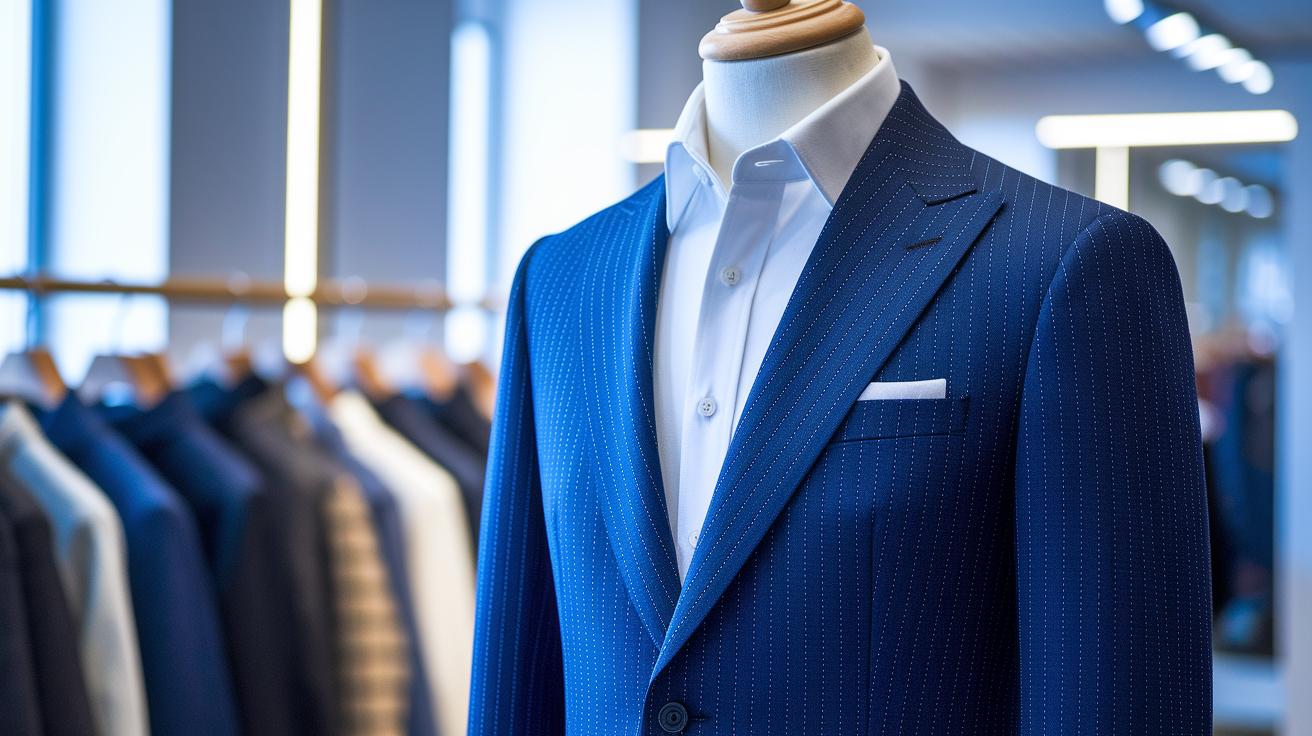
Smart sensors are now blending performance with a sleek look. Designers are teaming up with tech experts to hide health monitors and climate controls inside everyday garments. One designer explained, "This jacket conceals its health-monitoring sensors perfectly within its clean, structured design."
Innovative luxury-tech projects are shifting the focus from market numbers to what the tech can do for your look. Instead of lengthy stats, they are showing how a simple, modern style can turn into a high-performance piece with features like temperature-adjusting fabric and mood-responsive details.
- Embedded sensors give you real-time feedback on fitness and safety.
- Collaborations between tech innovators and luxury brands mix smart features with refined style.
- New designs cleverly incorporate advanced tech into clean, modern silhouettes.
Final Words
In the action, we explored market growth, smart clothing evolution, and gadget-enhanced designs that fuse tech and style.
Every section broke down trends from sensor-driven apparel to AI-powered design tools that boost confidence in fit and durability.
We dived into key players and local manufacturing efforts while highlighting eco-friendly materials and responsive, data-driven styles.
This hands-on look paints a clear picture of how tech reshapes everyday wear.
Wearable tech fashion trend forecasts show a future where innovation meets practicality, shaping a smarter wardrobe for everyone.
FAQ
Frequently Asked Questions
What are the wearable tech fashion trend forecasts for 2022 and 2023?
The wearable tech fashion trend forecasts for 2022 and 2023 point to strong growth in smart fabrics and electronic apparel. Sales like 7 million smart glasses and AI-driven designs predict wider adoption and improved functionality.
How does smart clothing technology work in fashion?
Smart clothing technology works by embedding sensors that monitor health and fitness. These sensors are hidden within seams to keep the garment lightweight and breathable, providing real-time data while keeping style intact.
What does fashion tech encompass in modern apparel?
Fashion tech covers everything from sensor-integrated garments to AI-assisted design tools. It combines style and function by enhancing fit, cutting waste and adding interactive features to clothing, meeting modern consumer needs.
Which emerging technologies are shaping fashion trends?
Emerging technologies shaping fashion include AI design tools, wearable robotics and advanced sensor systems. These innovations streamline production, enhance functionality and bring interactive, adaptive features to everyday apparel.
How do Vogue Business Tech and its Tech Edit influence the industry?
Vogue Business Tech and its Tech Edit influence the industry by highlighting cutting-edge innovations and luxury-tech collaborations. They spotlight data-driven trends that help guide brand strategies and drive consumer interest.
What role does SpreeAI play in wearable technology?
SpreeAI contributes by using generative AI to assist in pattern-making and market predictions. Its technology helps designers optimize material use and speed up development cycles while reducing production waste.