

Wondering if your favorite shirt can keep up with your everyday routine? This guide shows you simple tests you can do at home with common items. Hold the fabric, give it a gentle tug, and check the seams to spot any weak spots. These hands-on checks help you see which pieces might survive lots of washes and daily wear. Try out these practical steps to decide if your clothes are truly built for your busy life.
DIY Methods for Testing Clothing Durability at Home
Start with a simple touch test. Run your fingers lightly over the fabric to check how soft it feels and if it's even all over. If you notice any rough spots, they might be weak areas.
Next, try a stretch test. Gently pull the fabric from its edges and see how quickly it snaps back to shape. A good piece of clothing should return almost instantly. If it stays stretched or sags, it might not hold up well.
Then, hold the fabric up to a light. This helps you see how tightly it is woven. A fabric that blocks more light is usually built stronger.
Now, give it a closer look. Feel and inspect the fabric for any gaps or uneven seams. Check the printed label to see if the fiber details, like cotton, polyester, or wool, match what you expect for a durable piece.
Test the colorfastness by moistening a white cloth and gently rubbing it on a hidden area of the fabric. If the color comes off easily, the dye may bleed in the wash. A sturdy fabric will show little to no color change.
Lastly, simulate wear with a double rub test. Rub the fabric back and forth using a small piece of sandpaper or a weighted block. Aim for around 15,000 cycles for fabrics used at home.
Necessary supplies include:
- Sandpaper
- Weights or a weighted block
- A damp white cloth
These tests break down the process into simple, repeatable steps to help you check a garment's durability at home.
Simulating Wear and Tear with Fabric Stress Testing Methods

One way to see how a fabric holds up is to mimic a double rub test using items you have at home. First, fix your fabric on a flat, smooth surface. Then press a piece of fine sandpaper or a weighted block against it. Rub the fabric in one direction and then reverse, counting each complete push and pull as one cycle. The goal is to reach around 15,000 cycles before you notice any signs of wear.
For instance, secure a fabric strip and press the sandpaper firmly against it. Gently move it forward and back, keeping count each time. If the fabric starts to thin out or small pills (little balls of fiber) appear, it means the cloth has low abrasion resistance.
Steps to follow:
- Secure the fabric on a flat surface.
- Firmly press fine sandpaper or a weighted block against the fabric.
- Rub in one direction and then reverse, counting each full push and pull as a cycle.
- Look for signs of wear such as thinning or pilling.
- Consider that fabrics which are heavier or more tightly woven usually hold up better.
This simple method covers both the testing process and the important factors that affect fabric durability.
Conducting Colorfastness and UV Durability Evaluations for Clothing
Start by checking if your garment holds its color. Take a damp white cloth and gently rub a hidden spot on the fabric. Look at the cloth afterward. If you see any color on it, the dye might wash out or transfer over time.
Next, see how well the fabric stands up to the sun. Lay a piece of the material flat and leave it in direct sunlight for six to eight hours on a clear day. After that, compare it to another piece that stayed in the shade. Notice if the sun-exposed fabric looks lighter. That fading shows the fabric may not protect you well from UV rays (UPF stands for ultraviolet protection factor and tells you how much sun the fabric can block). For example, a regular cotton T-shirt might only have a UPF near 7, while special sun-blocking fabrics usually reach UPF 30 or higher.
Supplies you will need:
- A damp white cloth
- A timer or clock to track the sun exposure time
- A flat, sunlit surface to place the fabric on
Keep a close eye on any color changes. These simple tests help you decide if the garment will stay bright and protect you when you need it most.
Assessing Seam Strength and Zipper Durability Experiments

Start by checking the seam strength with a simple weight test. Hang your garment from a strong hook or rod. Slowly add weight using items like water bottles, one at a time. Watch the seams closely to see when they begin to loosen or pull apart. For example, after adding one water bottle, see if the stitching still holds well. Record the total weight at the point when the seam starts to give. Look at how the stitches are laid out, more stitches that are evenly spaced mean the seam is strong.
Then, test the zipper by opening and closing it between 50 and 100 times. Each complete open-and-close counts as one cycle. As you do this, notice if the zipper starts to catch, feels misaligned, or gets harder to pull. If it does, write down these issues as signs of wear. These straightforward tests help you spot any weak points that might fail with regular use, so you can decide if the garment is durable enough for your needs.
Simulating Washing and Drying Cycles for Home Fabric Durability
Start by setting up your garment for a real-life laundry test. Put the item in your washing machine and run it through five cycles with a normal detergent. Then transfer it to your dryer and use high heat for each cycle. Running five to ten full cycles shows how the fabric holds up with regular washing and drying.
Once finished, check the garment for any changes. Measure the item before and after to see how much it shrank. Run your fingers over the fabric to feel for pilling, and use simple terms like "few pills" or "many pills" to rate it.
Next, examine the garment for any broken fibers, especially around seams or spots that get a lot of stress. Hold the fabric in good light to see if the color stays the same. For instance, if a bright red item looks much duller after washing, it may not pass the durability test. Use this checklist to keep track:
- Percent shrinkage
- Degree of pilling
- Fiber breakage
- Color loss
If you notice little change in shape, pilling, or color, the garment is likely to do well with everyday wear and home laundering.
Troubleshooting Fabric Durability Tests for Different Garment Types
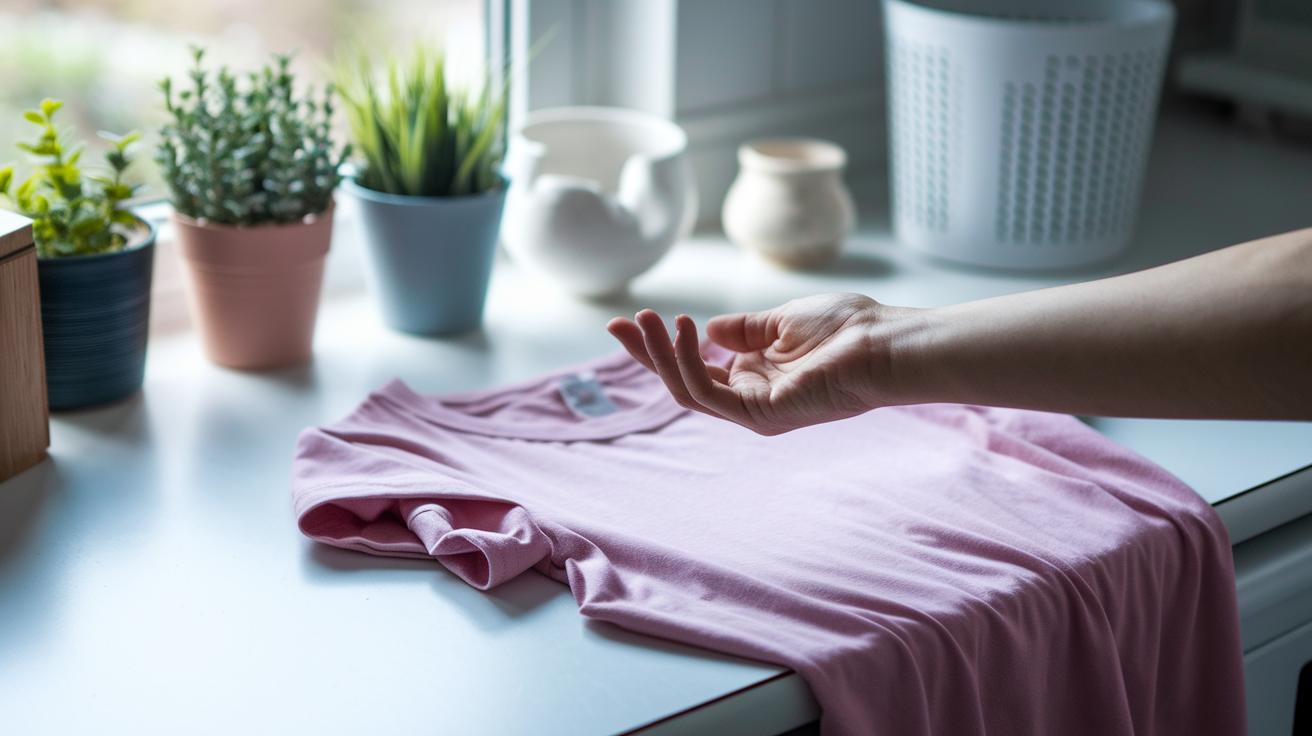
When you test your clothes at home, make sure your method fits the type of fabric. Natural fibers like cotton, linen, or wool feel soft but can pill or shrink. Try a gentle rubbing test and watch for changes in shape or texture. For example, if you see little fuzz balls on a cotton T-shirt after a double rub, that garment might need extra care.
Synthetic fabrics such as polyester or nylon usually handle rubbing better, though they can trap odors. Focus on how well the fabric holds its shape and check for stiffness or stress marks after simulating everyday wear.
Silk is much more delicate. Instead of doing a full 15,000 cycle test, use a shorter test and check for even small signs of wear. Wool works best with a cold-water stretch test. Hold a small piece in cool water and gently pull it to see if it quickly bounces back or if any stretching stays.
Here are some steps to follow:
- Use a gentler test for silks.
- Do a cold-water stretch test for wool.
- Look for shrinkage or pilling in natural fibers.
- Watch for abrasion marks and odor retention in synthetics.
Adjust each test to the fabric type so you can easily see how well your clothes will hold up.
Building Your Home Clothing Durability Testing Checklist
Use this quick checklist to compare clothes side-by-side. Run through each test to see how well a garment holds up over time.
| Test | What to Check |
|---|---|
| Tactile quality | Slide your fingers over the fabric to spot any rough or uneven spots. |
| Stretch recovery | Pull the fabric gently and see if it bounces back fast. |
| Transparency | Hold the fabric up to a light source to check how tight the weave is. |
| Weave consistency | Look closely at the fabric for even texture and regular gaps. |
| Seam strength | Hang the item with a little extra weight to test if the seams hold it together. |
| Zipper durability | Open and close the zipper several times to see if it works smoothly. |
| Abrasion resistance | Rub the fabric twice and count the cycles until it shows wear. |
| Wash/dry wear | After washing and drying, check for shrinkage, pilling, or color loss. |
| Colorfastness | Wipe with a damp cloth to see if any dye transfers. |
| UV fade | Leave the fabric in sunlight and note any fading in color. |
- Tactile quality: Feel the fabric to detect rough patches.
- Stretch recovery: Pull lightly and see if it snaps back.
- Transparency: Hold up to light to check weave tightness.
- Weave consistency: Inspect for an even look across the fabric.
- Seam strength: Test stitching by adding a bit of weight.
- Zipper durability: Check if the zipper glides smoothly.
- Abrasion resistance: Rub twice and note how many cycles it takes before showing wear.
- Wash/dry wear: Notice any changes after a wash and dry cycle.
- Colorfastness: Use a damp cloth to spot any dye issues.
- UV fade: Expose to sunlight and look for any color fading.
Final Words
In the action, we dove into practical ways to measure garment resilience using tests like fabric feel, stretch recovery, and double rub abrasion. We covered steps for checking color retention, seam strength, zipper reliability, and the effects of wash and dry cycles. Each test offers clear clues about everyday wear. Use these methods for how to test clothing durability at home and sharpen your buy decisions. Try out these simple steps and shop with confidence, knowing you can keep returns and regrets at bay.
FAQ
How do you test the durability of fabric or material?
Testing durability involves DIY tests like double rub abrasion to simulate wear cycles, measuring stretch and recovery, and hanging weighted garments to check seam strength and overall fabric resilience.
How to test tear strength of fabric?
Testing tear strength means pulling the fabric with controlled, even force until it tears. This DIY method shows how much stress the fibers can handle before failing.
How to check fabric quality at home?
Checking fabric quality at home involves tactile inspections, measuring weave consistency, rubbing a damp cloth for colorfastness, and testing seam and zipper strength to assess overall construction.