

Could your wardrobe help the planet? Clothes account for 10% of global carbon emissions and create 20% of waste. This guide shows you simple ways to shop smart and choose eco-friendly styles.
Why try eco-friendly fashion?
• It means buying less but choosing quality pieces.
• You get clear details from brands about how they make their clothes.
What to expect:
We share step-by-step tips for picking long-lasting, well-made items that do less harm to our earth. The ideas are easy to follow, just like chatting with a friend about making better choices.
Get ready to update your look with styles that feel cool and kind to the planet.
Core Principles of the Sustainable Fashion Buyer Guide
Sustainable fashion isn't just a passing trend. It's a new way to think about what we wear, especially when clothes cause 10% of global carbon emissions and 20% of waste. This guide breaks down how to choose eco-friendly styles and build a green wardrobe without any fuss.
We believe a sustainable wardrobe means choosing fewer, well-made items. It goes beyond looks by caring about how clothes are made and where they come from. That means paying attention to the ecological, financial, cultural, social, and environmental aspects of each piece.
- Quality over quantity: Buy pieces that last instead of fast fashion that wears out quickly.
- Transparency: Choose brands that clearly share how and where their clothes are made.
- Durability: Look for solid construction that can handle lots of wear and washes.
- Material integrity: Go for eco-friendly fabrics like natural, recycled, or organic fibers (materials that lower environmental harm).
- Circularity: Support recycling or upcycling options that help extend the life of your clothes.
These principles form the backbone of a smart, sustainable wardrobe. By focusing on quality, clear information, and responsible manufacturing, you can make choices that feel both ethical and stylish. Every decision brings you closer to a look that is as kind to the planet as it is chic.
Evaluating Eco-Friendly Fabrics and Materials for a Green Wardrobe
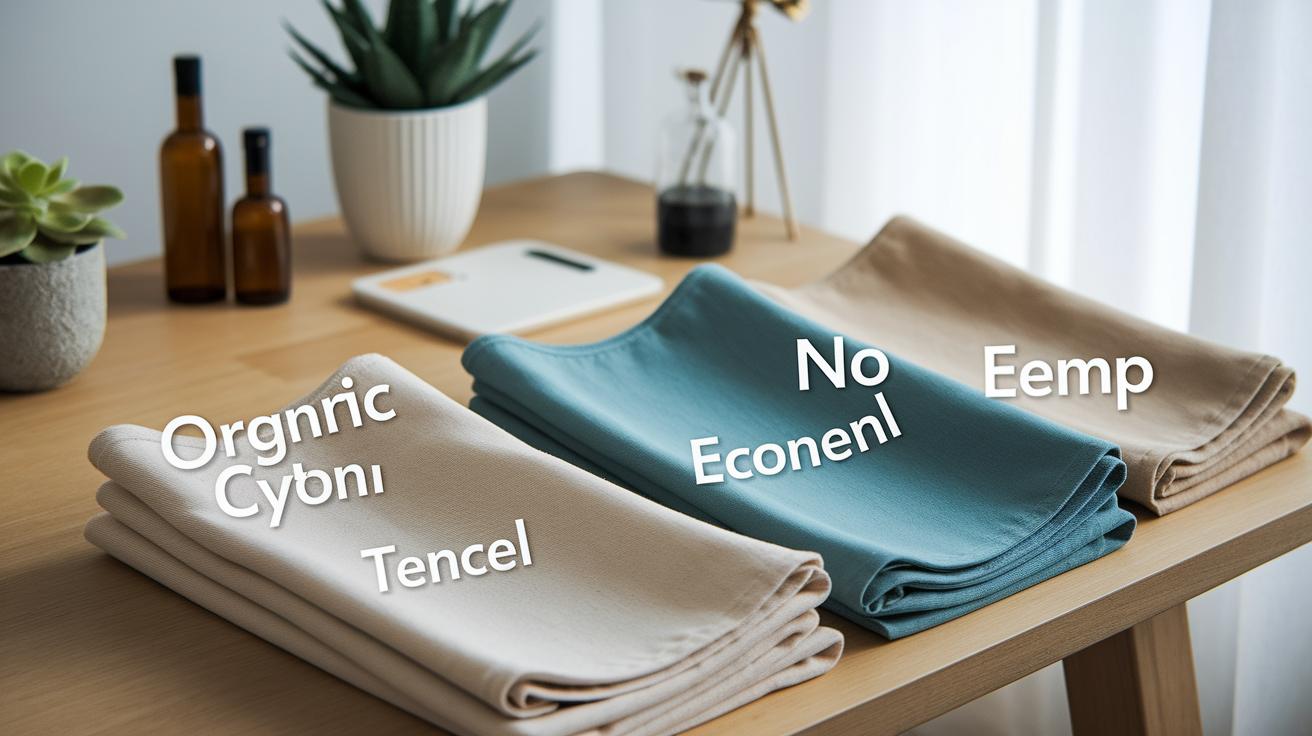
Choosing fabrics for a green wardrobe means checking how they are made and how they affect the earth. We look for materials that use fewer resources and harm nature less.
Organic cotton is a strong pick because it is grown without harsh pesticides and uses up to 91% less water than regular cotton. ECONYL® nylon is another smart choice. It is made from recycled fishing nets and waste, which helps keep our oceans cleaner.
Plant-based fabrics like Tencel (a fabric made from wood pulp that is gentle on the environment) and hemp are durable and let air flow through them. They also need fewer inputs to make. Biodegradable fibers break down quickly in compost, reducing the impact on landfills.
Taking the time to check fabric details and how they are produced is a wise move if you are building an eco-friendly wardrobe.
Certification Standards and Ethical Production in Sustainable Fashion
When shopping for sustainable clothes, check for trusted certifications. Look for labels like Fair Trade, GOTS, and OEKO-TEX Standard 100. These marks show that the clothes are made under fair wages, safe work conditions, and care for local communities.
Fair Trade means that workers earn a fair wage and work in safe settings. It gives you confidence that companies treat their employees well and help build better local communities.
GOTS checks every step in making organic fabrics, so you know it meets strict rules for both the environment and workers. OEKO-TEX Standard 100 makes sure the textiles have no harmful chemicals, meaning the fabrics are safe for you and Earth.
Other tools like cradle-to-cradle reviews, closed-loop production, and B Corp ratings help reveal how committed a brand is to reducing waste and keeping production ethical. These extra checks show how a full supply chain can work responsibly.
Before you buy, take a moment to look for these clear labels and read up on a brand's production details. Choosing these products means you support practices that are good for people and the planet.
Comparing Premium Sustainable Brands: Quality, Pricing, Transparency

Looking for eco-friendly choices that do not break the bank? These brands show that ethical fashion can offer great quality, fair prices, and full honesty about their making. They prove you can build an ethical wardrobe with materials that feel good and last long.
Allbirds makes shoes from renewable materials like eucalyptus fiber (a light and breathable fabric) and even offsets all its carbon emissions. Their shoes feel airy and comfortable, and they are clear about the impact they make on the environment. Each pair is built to last, combining modern style with low-impact production.
Stella McCartney uses a unique closed-loop method that reuses materials from start to finish. They work with vegan fabrics and open up about every step of their production, which makes their collection a smart choice for luxury lovers with ethical values. Every piece shows careful design and a commitment to the planet.
PACT offers everyday organic cotton basics made with Fair Trade certified practices. Their simple yet sturdy pieces are affordable and easy to wear. The focus on natural, organic materials makes it easy to build a green wardrobe without breaking your budget.
Outland Denim stands out with fair wage practices and the use of organic dyes for a durable finish. Their jeans are designed to last while keeping a lower environmental footprint and fair labor standards high on the list. This brand is perfect if you value transparency and ethical production.
CUYANA brings ethical accessories to the mix, including jewelry made with sustainable methods. Their pieces add a touch of luxury to any outfit while staying true to responsible production practices.
Each brand brings unique strengths. Allbirds is your go-to for eco-friendly footwear, Stella McCartney offers high-end style with clear ethical practices, and PACT and Outland Denim deliver reliable everyday basics. Meanwhile, CUYANA adds that extra luxe feel to complete any peaceful, stylish look.
Alternative Pathways: Secondhand, Rental, and Upcycled Fashion
Thrift shopping at flea markets and consignment stores is a smart way to refresh your wardrobe while using fewer new clothes. It feels like a treasure hunt where each find tells a story and is kind to your wallet.
When you pick up pre-loved items, you help reduce the drive for fresh garment production. These shops give old pieces a second chance, so you can enjoy unique styles while keeping things green.
Online vintage shops like ECONYL®, Conscyou, TALIA Collective, and Il Vestito Verde let you browse cool recycled items from the comfort of your home. They make it easy to find upcycled clothes that look great and reduce production waste.
Rental services like Rent the Runway and Nuuly offer a fun way to try new styles without long-term commitment. You get a changing wardrobe that supports fashion recycling and cuts down on textile waste.
Finally, upcycling your own clothes is a great method to extend their life and keep them out of landfills.
Budgeting and Conscious Spending Strategies for Sustainable Style

Smart spending on sustainable style starts with setting a clear budget. First, list out your style needs and decide how much you can spend. This simple step helps you buy clothes that last and truly add value to your wardrobe.
Next, go through your closet and take note of what works and what doesn't. Keep your must-haves and let go of items that no longer serve you. This clears up space and leaves more room in your budget for quality pieces.
Then, think about the cost-per-wear. That means looking at how often you'll use a piece compared to its price. Check things like the fabric and how well it’s made so you know it can stand up to wear and tear. Buying clothes that work for many looks is a smart long-term move.
Finally, set basic standards for what you will buy. Spend on versatile staples that fit many events. By following these tips, you build a sustainable wardrobe that matches your style and values. Make it a habit to review your buying habits from time to time to stay true to your eco-friendly goals.
Eco Style Buying Checklist for Responsible Fashion Purchases
This checklist makes it easy to shop for eco-friendly fashion. Keep your style green by checking labels and knowing where your clothes come from. Look into things like certification marks, fabric types, and ethical production. You can also discover great secondhand finds and plan simple care to keep your clothes lasting longer.
| Step | Action |
|---|---|
| 1 | Look up eco standards (like Fair Trade, GOTS, OEKO-TEX) to know the basics |
| 2 | Check the fabric details to see if they are natural, recycled, or organic |
| 3 | Make sure the production process is clear by reviewing supply chain info |
| 4 | Seek out quality pre-loved pieces through secondhand options |
| 5 | Create a simple care plan to help each item last longer |
| 6 | Find out if the garment can be recycled once it is no longer used |
| 7 | Check that the clothes are made with safe work practices and fair wages |
Stick with this guide for clear, eco-friendly style choices.
Final Words
In the action, we broke down the core principles behind ethical purchases and eco-conscious selections. We covered how to evaluate fabrics, certification benchmarks, and even compared premium sustainable labels. Alternative routes like secondhand or upcycled fashion received a closer look, and we wrapped up with budgeting strategies and a style checklist.
This article serves as your ultimate sustainable fashion buyer guide to making clear, confident decisions while keeping your wardrobe green and on trend. Enjoy building a smarter, stylish future.
FAQ
What are some eco friendly brands clothing?
The eco friendly brands clothing offer garments made with sustainable materials like organic cotton and recycled fibers while following fair labor practices and transparent production processes to reduce environmental impact.
What are the Top 10 sustainable fashion brands?
The top 10 sustainable fashion brands are those that combine eco-conscious materials with ethical production, ensuring high quality and fair trade practices so shoppers can feel good about their style choices.
What are some sustainable clothing brands in Europe?
The sustainable clothing brands in Europe focus on eco-aware designs and ethical manufacturing while using renewable or recycled textiles, making stylish options accessible for environmentally mindful consumers.
What are ethical fashion examples?
Ethical fashion examples include apparel companies that maintain fair working conditions, use eco-friendly materials, and verify their practices with recognized certifications, ensuring both style and social responsibility.
What are famous sustainable fashion brands?
Famous sustainable fashion brands have built reputations for eco-friendly practices and ethical production, often using renewable materials and maintaining open, honest supply chain information that appeals to modern consumers.
What are affordable sustainable clothing brands in Europe?
Affordable sustainable clothing brands in Europe merge budget-friendly pricing with eco-conscious production, offering quality garments created from organic or recycled fabrics while ensuring ethical labor standards.
What is an ethical brands list?
An ethical brands list compiles companies that emphasize fair trade, responsible sourcing, and environmental care, making it easier for shoppers to identify and support labels committed to ethical production practices.
What are some ethical clothing brands that are affordable?
Ethical clothing brands that are affordable balance accessible pricing with commitments to fair production and eco-friendly materials, enabling shoppers to choose stylish, responsible options without overspending.