

Have you ever thought you could look sharp without spending a fortune? It might sound tricky to build a cool wardrobe on a tight budget, but with a clear plan and smart choices, it's totally doable.
In this guide, you'll learn how to figure out your style, pick timeless pieces that blend well, and stick to a set spending cap. With these practical tips, you can freshen up your look without breaking the bank.
Core Concepts in the Budget-Friendly Fashion Buyer Guide

Begin by figuring out your own style. Think about which shapes, colors, and fabrics work best for your body and daily activities. If you favor loose fits and earthy tones, focus on pieces that match this easygoing look. This guide helps you build a wardrobe that is truly you, all while keeping costs low.
Stay in the loop with trends by watching fashion shows, browsing through lifestyle magazines, or checking out influencers online. Seeing the latest styles can give you ideas without making you spend a lot.
When you put your closet together, start with basics you can mix and match. A crisp white shirt or a classic black dress can serve as a versatile foundation for many outfits. They act as blank canvases for adding fun accessories or bolder prints.
Here are some practical tips for stretching your budget:
- Make a list of the key pieces that match your style.
- Set a spending cap for each category, such as tops, bottoms, or accessories.
- Choose items that work for both work and casual settings.
Look for cost-effective options by shopping at end-of-season sales and outlet stores. Even when on a budget, pay attention to details like sturdy seams and reliable closures. Balancing your personal style with smart spending makes each purchase a step toward a flexible, stylish wardrobe that won’t break the bank.
Budget Management Techniques for Fashion Purchases

Begin by looking over your wardrobe. Check what you already have and spot any missing items. This step helps you decide what to buy next without overspending.
Decide on a clear budget for each clothing type. For instance, plan a specific amount for tops, bottoms, outerwear, and accessories. Knowing your spending limits makes shopping easier. One tester mentioned, "I set a cap for outerwear and focused on quality rather than quantity."
Ask about discounts when you shop. Whether you're in a store or online, it never hurts to inquire about promotions or extra sales. A polite conversation with a salesperson might even lead to extra savings.
Digital tools can make a big difference. Sign up for retailer emails to get flash-sale alerts and online coupons. Check price guides online to learn the best times to buy. These tips help you catch real-time deals and cut down on extra costs.
Plan your purchases with these easy steps:
Essential Wardrobe Staples for Budget-Friendly Fashion
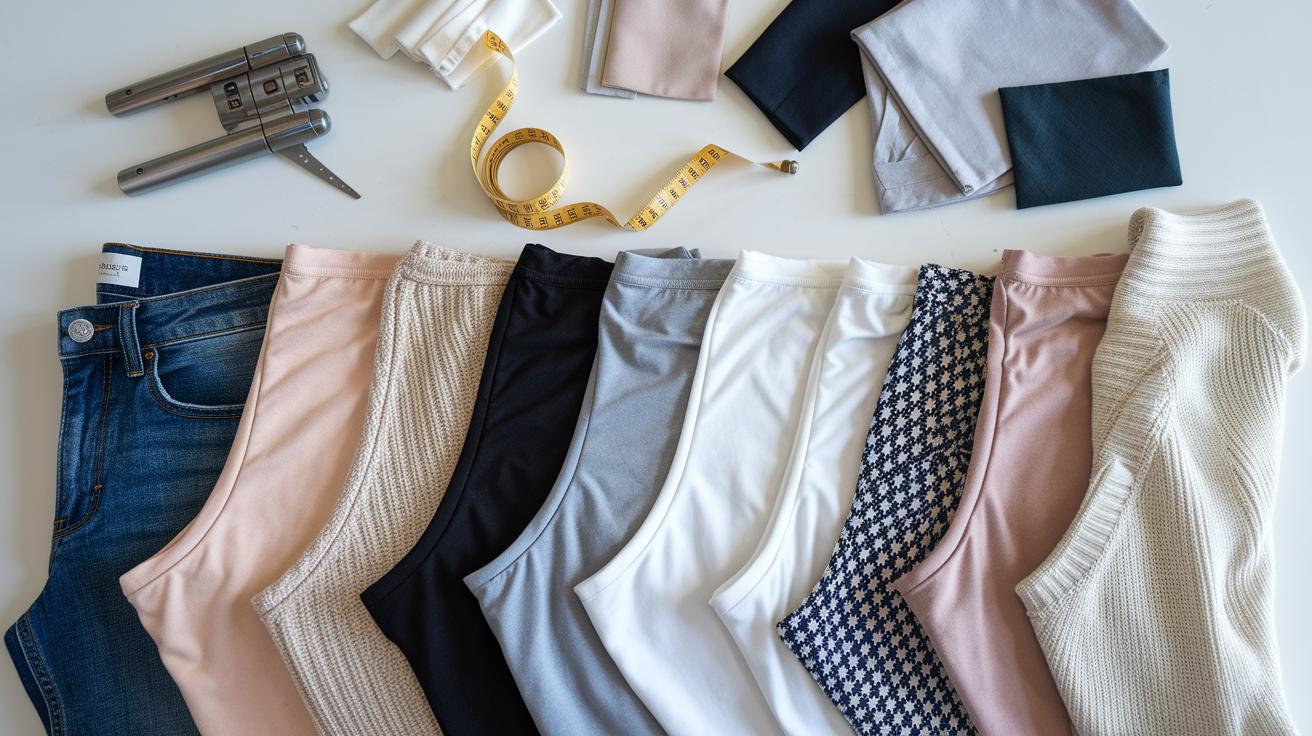
Build a capsule wardrobe with 8 to 10 well-chosen pieces that work together in many ways. Start with denim jeans that go from casual to dressed-up looks, classic tees in neutral shades, and cardigans that add warmth without looking bulky. Include a crisp white shirt and a little black dress to cover work meetings and relaxed days.
The secret is choosing quality fabrics. Check the fabric weight (how heavy or light it feels) and inspect the seams to be sure the item is built to last. For example, strong stitching on denim helps it survive frequent washes, and a well-made cardigan drapes nicely on the body.
Other key items include tailored trousers, a basic sweater, and either shorts or a skirt you can trust. These pieces bring a practical yet stylish vibe to your closet. Stick to neutral colors so every item blends well, keeping your wardrobe both frugal and chic.
Thrifting and Secondhand Finds in the Budget-Friendly Fashion Guide

Thrift stores, consignment shops, and online resale sites are great places to find quality clothes without breaking the bank. When you shop there, start by sorting items by size, brand, and their overall condition. Check each piece carefully for stains, fading, or pilling (small fabric balls). These little details can change whether the item is worth buying.
Here are some simple tips to help you score the best finds:
- Look at the fabric and stitching to make sure the piece is built to last.
- Use filters to search for your size and favorite brands.
- Check each garment for stains or pilling that could hurt its look.
- If you find several items you like, ask about bundle pricing.
- Read the return policy so you know if you can exchange an item if needed.
When shopping online, take advantage of search filters to sort by condition and price. It also helps to check seller ratings or reviews to avoid surprises. By taking a little extra time to inspect each piece and ask about returns, you can build a stylish wardrobe on a budget while avoiding costly mistakes. This careful approach makes thrifting both smart and satisfying.
Seasonal Sales and Promo Strategies for Budget Fashion Buyers

Timing your purchases during key sale periods can really cut your costs. End-of-season clearances, Black Friday deals, and holiday blowouts bring deep discounts on stylish finds. They give you a chance to pick up quality pieces without stretching your budget too far.
Set reminders on your phone calendar and sign up for alert emails. This way, you never miss out on a limited-time markdown.
When sale day comes, look for versatile items that work with your current wardrobe. From warm outerwear to trendy sneakers and fun accessories, these sales make it easy to update your style without overspending.
Here is a simple overview of common sale events and what to watch for:
| Sale Event | Typical Discount Range | Best Categories | Tips for Early Access |
|---|---|---|---|
| End-of-Season Sale | Up to 50% | Outerwear, Sweaters | Sign up for alerts and shop early |
| Black Friday | 30-70% | Footwear, Statement Pieces | Follow app notifications and plan ahead |
| Holiday Blowout | 20-60% | Party Wear, Accessories | Check store calendars and social media |
Watch for these sale cues, plan your shopping trips, and enjoy scoring trend-forward pieces at a fraction of the price.
DIY, Upcycling and Quality-First Choices on a Budget

Give your current wardrobe a fresh twist instead of buying new stuff. You can update an old dress by simply trimming the hem for a modern look or swapping out tired buttons for ones that feel current. These easy fixes can brighten up your clothes without costing much.
Try using patches to cover little flaws or to add a unique design. For example, rather than throwing away an old denim jacket, you could sew on colorful patches to give it a fun, new vibe. Upcycling goes beyond basic repairs; you can turn worn-out tees into cool crop tops or even craft them into eye-catching accessories.
Before diving in, check the fabric and how the garment is made. Make sure the material is strong enough to handle any changes you plan. If the stitching is weak, even the best idea might not work out, so test a small spot first. Spending a bit on quality repair tools and fabric glue can make all the difference and help your creation last. This approach saves money and lets you shape your style exactly the way you want it.
Care and Maintenance of Budget-Friendly Wardrobe Pieces

Taking care of your clothes helps your budget favorites last longer without costing extra. Handwash delicate items to keep them looking their best and avoid the rough treatment of a machine. Air dry your garments instead of using a dryer to prevent shrinkage and keep the fabric feeling just right. Also, store your clothes properly by folding or hanging them in a cool, dry spot to stop stretch and save you from costly repairs.
Taking a few minutes to mend small issues can go a long way. If you notice a loose seam or a snag, fix it right away before it becomes a bigger problem. Here are five simple mending hacks:
- Loose seam stitches
- Snag repair
- Fabric glue spots
- Button replacement
- Lint removal
These easy steps help keep your clothes looking fresh while staying on budget, so your favorite pieces are ready to wear season after season.
Final Words
In the action, we walked through practical steps that help you build a wardrobe both stylish and savvy. We covered defining your style, setting spending limits, and sourcing quality staples from new and secondhand options. We also shared tips for seasonal sales, DIY fixes, and smart care routines. This budget-friendly fashion buyer guide gives clear, actionable advice to keep you confident in your purchases while saving money. Enjoy mixing, matching, and maintaining your wardrobe with these easy-to-follow tips.
FAQ
Q: What is the 3-3-3 rule for outfits?
A: The 3-3-3 rule for outfits means picking three main pieces, choosing three key colors, and adding three accessories. This strategy helps you keep your look balanced and avoids mixing too many elements.
Q: What is the 70/30 wardrobe rule?
A: The 70/30 wardrobe rule means dedicating 70% of your closet to basic, timeless pieces you use often, while the remaining 30% can be trendier or seasonal items to add variety.
Q: What is the 7 rule for outfits?
A: The 7 rule for outfits advises limiting your look to seven visible pieces or layers. This simple guideline ensures your outfit stays streamlined and prevents it from feeling cluttered.
Q: What is a good budget for buying clothes?
A: A good budget for clothes depends on your income and style goals. Experts recommend setting spending limits for basics, trends, and accessories to build a quality wardrobe without overspending.