

Quick Take: Ever wonder if your favorite outfit could help the planet?
In 2023, eco-friendly fashion is using data to guide better choices. The numbers are big: 1.2 billion tons of CO2 and billions of cubic meters of water are used, not to mention the huge waste. Today, brands are rethinking how they make clothes to cut down on waste and be kinder to the environment. New technology lets them track every detail in real time (meaning they can spot problems as they happen). This fresh approach turns solid facts into a more transparent and ethical industry.
Comprehensive Data-Driven Overview of Sustainable Fashion Trends in 2023
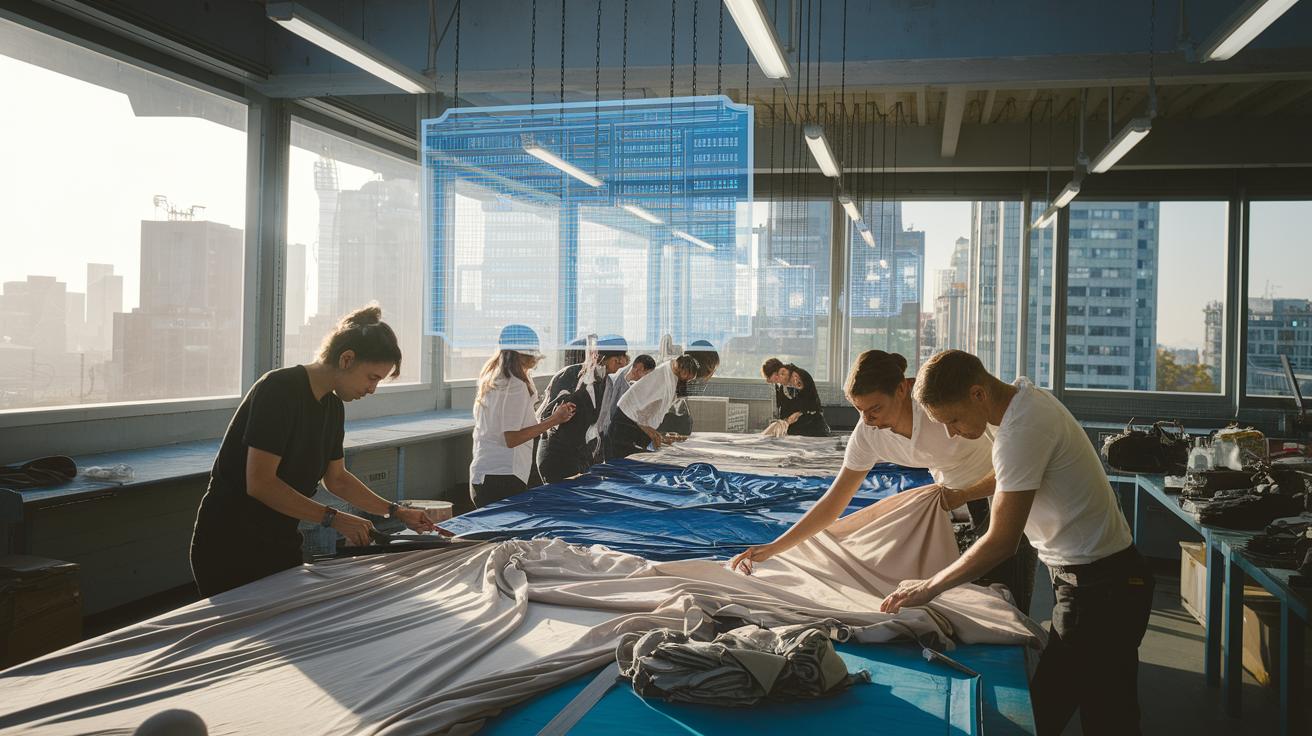
Sustainable fashion in 2023 is all about hard facts and smart changes. The industry pumps out 1.2 billion tons of CO2 each year and uses 79 billion cubic meters of water. Plus, 85% of textiles end up in landfills. These numbers push brands to rethink how they make clothes and handle waste. Even freight transport may not seem big, but it adds 3% to global greenhouse gas emissions and can boost a city's CO2 by up to 25% when traffic increases.
New tech like artificial intelligence (smart computers that learn from data) is helping companies cut waste and manage supply chains better. These tools track inventory in real time and give clear insights into energy use and emissions. This means brands can see exactly where they need to improve and make smarter, greener choices.
Research and data continue to shape the way the entire industry works. Shoppers now look for transparency and ethical production, and they want products that match their sustainable values. With clear numbers and modern tools, companies are moving away from old methods toward circular systems that reuse resources. In short, sustainable fashion is blending real data with new technology to meet environmental goals and market demands at the same time.
Regulatory and Industry Framework Shaping Sustainable Fashion 2023

Big changes are coming to fashion. The European Commission is now pushing brands to be more upfront about where their materials come from and how they handle waste. One expert explained that companies now need to keep detailed records of every step, kind of like tracking every stitch in a garment. This move makes sure that production is ethical, factories are checked properly, and the full lifecycle of a product is considered.
Digital tools are also making a big impact. Cloud-based supply chain management solutions allow brands to monitor waste, carbon emissions, and energy use while sharing real-time data with partners. These tools could be worth over $11 billion this year. By using this technology, brands can quickly check their environmental footprint and adjust if something goes wrong.
Now, manufacturers must share clear details about how they use resources and divert waste. This transparency builds trust with consumers and supports social responsibility. Many companies are already taking advantage of these systems to improve their practices and show they are serious about being eco-friendly. Combining smart digital tools with strict new rules is setting a new standard for a greener, more ethical fashion industry.
Circular Economy and Waste Reduction in Apparel for 2023

Traditional methods in fashion are getting old. Every year, 85% of used textiles end up in landfills. This shows that the old way of making clothes needs a big change. Today, many companies are moving to processes that focus on reusing, repairing, and remixing old items. This new approach helps lower the huge 1.2 billion tons of CO₂ and cuts down the 79 billion m³ of water used every year.
A circular economy in clothing means turning waste into worn-worthy items. Designers now plan cuts and patterns to leave almost no scraps behind. Some even transform discarded fabrics into completely new pieces. Many stores also push us to buy items made from recycled materials or to try repair programs. One cool example is a designer who turns leftover denim into one-of-a-kind jackets. This shows that creativity can rescue materials from ending up in the trash.
Key ideas changing the way clothes are made include:
- Using zero waste design techniques during production.
- Transforming unsold stock into limited-edition collections through upcycling.
- Offering repair services to extend a garment's life.
| Metric | Value |
|---|---|
| Textiles in Landfills | 85% |
| Annual CO₂ Footprint | 1.2 billion tons |
| Water Consumption | 79 billion m³ |
Technological Innovations and Advanced Materials in Sustainable Fashion 2023

New materials are changing how clothes are made. Designers now choose vegan options that avoid animal products like leather, fur, wool, and down. Advances in recycled fibers and fabrics that break down naturally have made this possible. One designer even switched from traditional leather to a plant-based substitute that makes a jacket feel soft but strong on the skin.
Many brands are reusing old clothes to create new threads that stay strong and durable. This helps reduce the need for fresh textiles while keeping the fabric eco-friendly. At the same time, biodegradable materials break down naturally when you’re done with them. Imagine a fabric that feels gentle like a falling leaf and leaves no waste behind.
Brands are also using digital tools to check the environmental impact of each piece as it’s made. These systems track things like carbon output and water use so designers can choose the best materials and processes. One stylist said, "Switching to recycled fibers and biodegradable fabrics felt like a breath of fresh air in our production line."
Key points:
- Eco-friendly materials pushing design limits
- Recycled fibers reduce the need for new textiles
- Biodegradable fabrics help ease waste problems
- Renewable garment analysis guides eco-friendly manufacturing practices
Market Forecast and Consumer Behavior in Eco-Friendly Apparel

Data and AI are changing how we shop for eco-friendly clothes in 2023. Virtual fitting rooms and better sizing tools help lower returns and cut down on waste. AI even predicts which designs will appeal to shoppers, making the buying process feel smarter and more personal.
Cloud-based tools are also playing a big role. Valued at over $11 billion, these systems track energy use and waste in real time around the world. This tech boost not only makes things run smoother but also builds trust with buyers who check every detail about a garment's journey before buying.
Buyers are growing more eco-aware. They want clear proof of green practices and products made with real care for the planet. Predictive analytics ensure that collections match market trends while reducing waste. One tester said, "Using data-driven tools makes it so much easier to choose items that match my eco values."
Key drivers include:
- More use of digital sustainability tools
- Better consumer demand predictions with AI
- Clear supply chain practices that cut down on environmental impact
These changes show that eco-friendly trends are not a small niche; they are a fast-growing part of the fashion world.
Emissions Reduction Strategies in Sustainable Fashion Supply Chains 2023

Brands are rethinking how they move products from factories to you in an effort to cut carbon emissions. Freight transport makes up about 3% of global greenhouse gas emissions, putting pressure on companies to reduce pollution and waste. In busy city areas, delivery traffic can boost CO₂ by up to 25% if not managed well. This means brands need low-emission shipping and better systems for last-mile delivery.
Companies are now trying new methods using electric vehicles and smarter routing. For example, one brand adjusted its delivery routes in a major city and cut urban CO₂ emissions by 20% in just one month.
Green manufacturing is also key. Factories are being tuned to use less energy and create minimal waste. Brands carry out simple checks to see how changes in shipping impact their overall carbon footprint. Even reducing waste in making garments helps create a smoother supply chain. Better tracking and real-time updates let companies plan routes that avoid extra trips.
These steps are steering the industry toward a cleaner and more efficient future.
Final Words
In the action we covered an in-depth look at 2023's sustainable fashion landscape. We broke down key trends in eco-friendly apparel, circular design, advanced materials, and emissions cuts. Data showed real industry challenges and smart moves with practical fit and size details.
Data-driven insights and emerging technologies are reshaping how fashion meets ethical standards. This sustainable fashion trend analysis 2023 highlights actionable steps that help you choose items that fit well and last longer. The future of green fashion looks bright and full of potential.
FAQ
FAQ
Sustainable fashion trend analysis 2023 pdf
The sustainable fashion trend analysis 2023 PDF details how industry data drives eco-friendly practices, showcasing metrics like emissions, waste, and tech advancements that underline the shift toward smarter, sustainable production methods.
Sustainable fashion trend analysis 2023 vogue
The sustainable fashion trend analysis covered in Vogue for 2023 explains how real-time data, regulatory updates, and innovative eco materials reshape the industry, providing insights into trends that balance style with environmental responsibility.