

Ever wonder if your jeans can really take the daily grind? True quality denim is not about the latest trends; it is about smart fabric choices, solid stitching, and materials that hold up over time. This guide explains the key details so you can easily spot jeans that are built to last and feel comfortable. A good pair of jeans can refresh your look and stay reliable day in and day out. Get set to see denim from a new angle, where every stitch tells a story of quality and care.
Understanding Quality Factors in Denim Construction
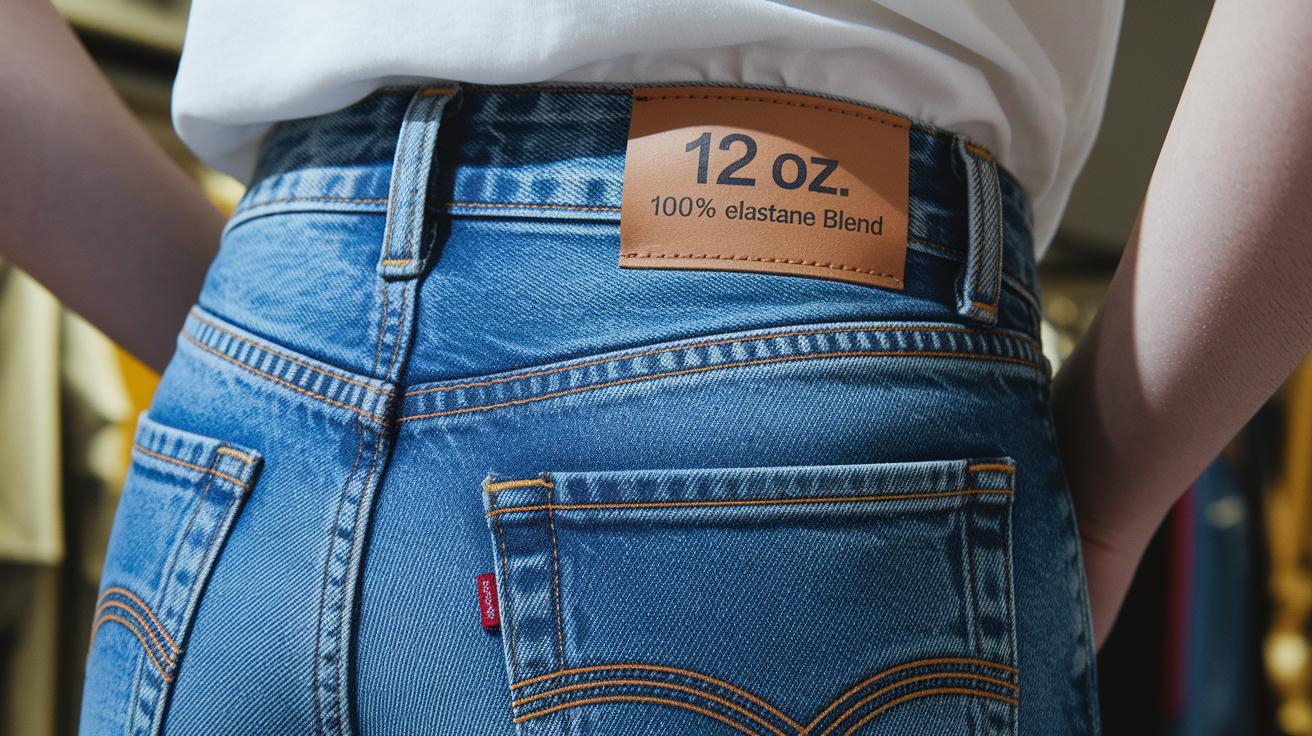
When you’re looking for good denim, it all comes down to the small details that show quality and comfort. Start with the fabric weight. A midweight around 10 to 12 oz is ideal for everyday wear, it’s sturdy yet comfortable. Next, note what the jeans are made of. Jeans crafted from 100% cotton let your skin breathe, while a mix that adds a bit of elastane gives you extra stretch, though it might not be as durable in the long run.
Other details to check include how tightly the fabric is woven, which signals overall strength, and the dye and finishing process that ensures the color stays true over time. Look for a stitching density of 8 to 12 stitches per inch, which keeps the seams strong. And don’t forget to inspect the hardware, like rivets, to make sure they’re built to last.
Key quality factors in denim include:
| Quality Factor | Why it Matters |
|---|---|
| Weight | Ensures the denim is durable yet comfortable. |
| Fiber Content | 100% cotton gives breathability; blends with elastane offer stretch. |
| Weave Tightness | A tighter weave means a stronger, more resilient fabric. |
| Dye & Finish | Helps the jeans hold their color even after many wears. |
| Stitching Density | 8 to 12 stitches per inch ensure secure seams. |
| Hardware | Quality rivets and buttons add to the jeans’ longevity. |
By keeping an eye on these six factors, you can be confident that you’re picking jeans that not only look good but also wear well over time.
Assessing Denim Weight and Raw Material Composition

Denim weight tells you how heavy the fabric is, measured in ounces per square yard. Lighter denim (under 10 oz) feels soft and moves easily, perfect for warm weather or a relaxed look, but it might not hold up well over time. Heavy denim (over 12 oz) is tougher and lasts longer but can feel stiff and less forgiving. In the middle, midweight denim (about 10–12 oz) is great for everyday wear. When blended with a little elastane (for example, 98% cotton/2% elastane), it offers a nice stretch that helps with comfort and movement, even though it may not be as long-lasting as 100% cotton.
Midweight stretch denim really hits the sweet spot. It moves with you and stands up well to repeated washes while keeping its shape. The table below gives a quick glance at how different denim weights affect both comfort and durability.
| Weight Category | Ounces/yd² | Recommended Use | Durability vs. Comfort |
|---|---|---|---|
| Lightweight | < 10 oz | Casual, summer styles | More comfort, lower durability |
| Midweight Stretch | 10–12 oz | Everyday, versatile wear | Balanced durability and comfort |
Weave Techniques and Stitching Quality in Premium Denim
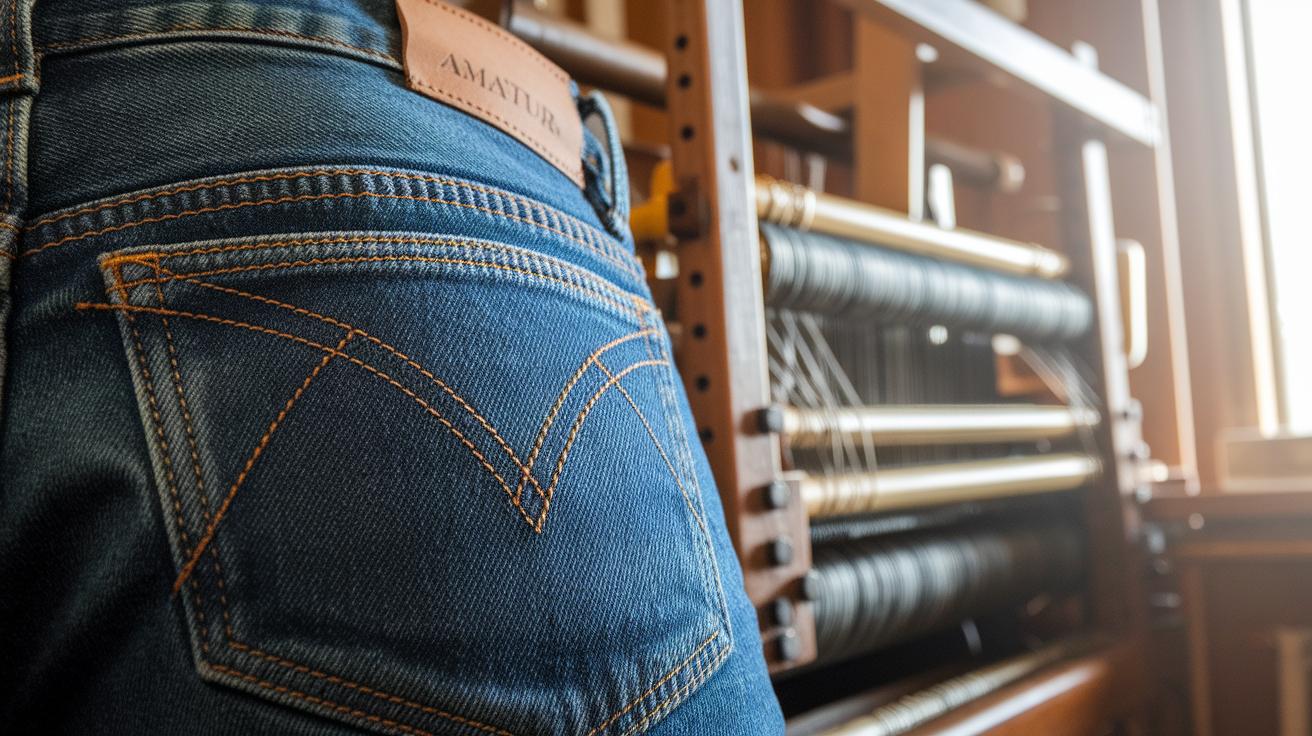
The diagonal twill weave is the backbone of premium denim. It gives the fabric a unique texture and makes it tough enough for everyday wear. This weave creates clear diagonal lines that not only add to the look but also help the jeans last longer. Think of it like the crisscross pattern on a favorite baseball cap that always stands out.
Selvedge denim takes quality up a notch. It is made on traditional shuttle looms that finish the edges naturally so they do not fray over time. Many jeans also use chain-stitched hems, where a long line of stitches is carefully sewn for extra strength after many washes. Extra stitching at stress spots, like the corners of pockets, keeps these areas secure.
This mix of a sturdy weave and careful stitching shows real craftsmanship. A higher thread count means the jeans hold up well under stress and keep their shape longer. I noticed that the extra bar-tacks stayed solid after a tough two-week wear test. These small details are what make premium denim both stylish and built to last.
Dyeing, Finishes, and Wash Styles That Indicate Quality Denim
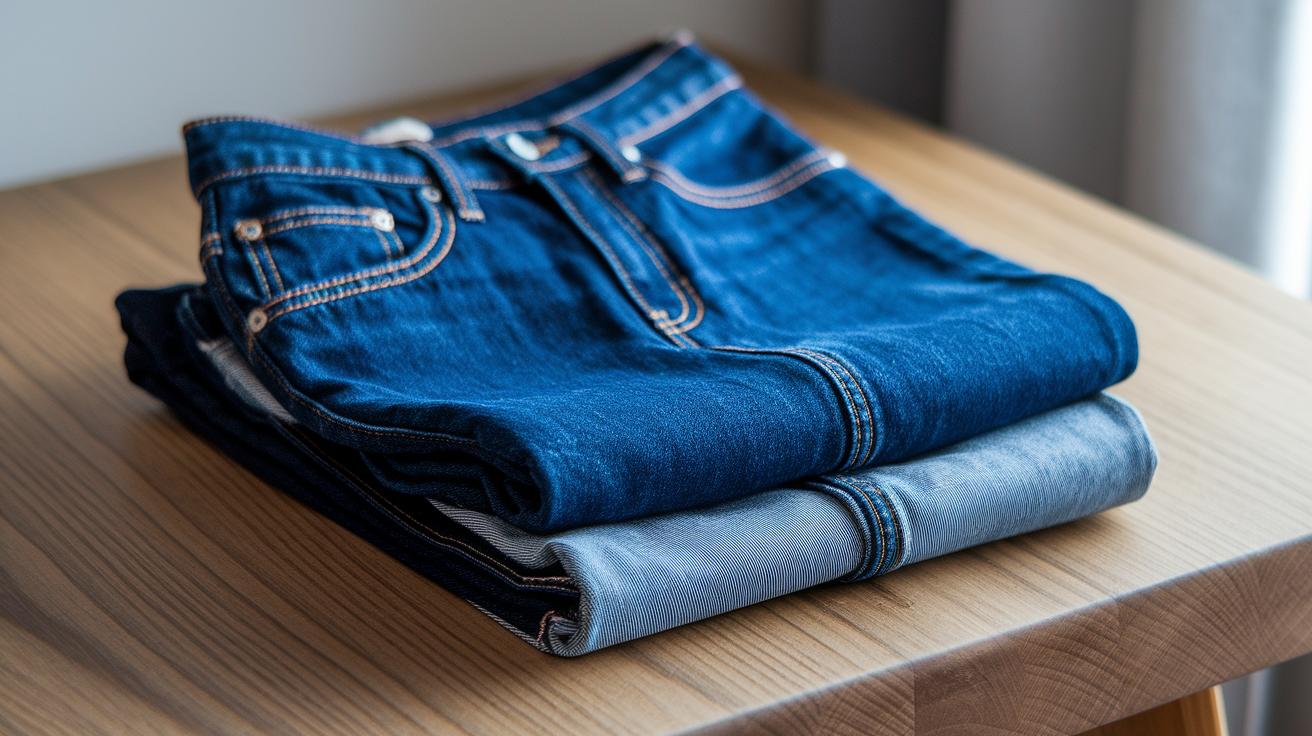
Traditional indigo dye gives denim its deep blue look that softens into a one-of-a-kind patina over time. When heritage dye techniques are used, the fabric fades naturally with wear and exposure, earning it a well-worn look that shows quality.
Raw denim is kept unwashed or only lightly treated so it molds to your body. This means the fabric adapts to your shape, growing more comfortable and unique with every wear. Many reviewers love raw denim for how it ages smoothly and forms to your body.
Different washing methods, like stonewash, acid wash, and enzyme wash, change how the denim feels and how strong it is. For example, a stonewash gives a smooth finish with soft variations, while enzyme washes create a slightly worn look without losing strength. These finishes help signal the style and durability of a pair.
Vintage touches, like hand-sprayed details, add a retro charm. They boost the overall look, but real quality still comes from the sturdy fabric and careful craftsmanship underneath.
Fit, Rise, and Silhouette Evaluation in Choosing Quality Denim
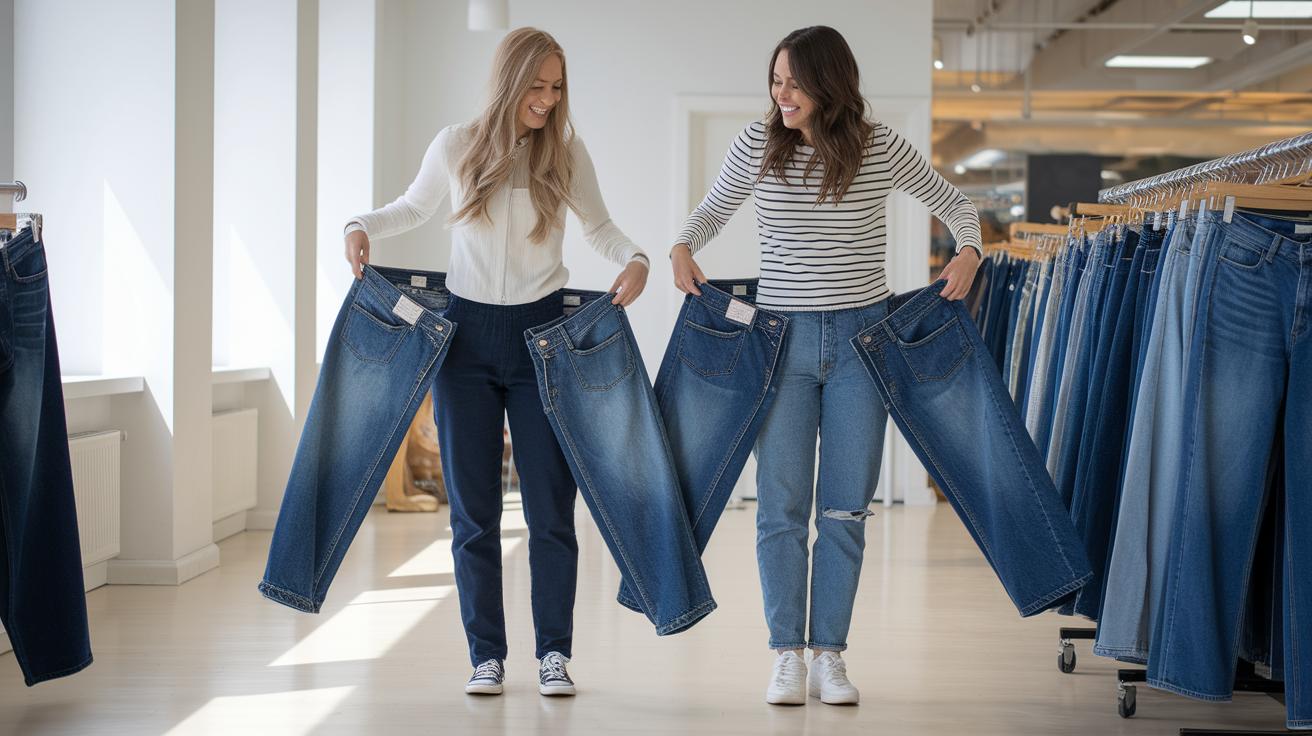
Picking the right denim starts with knowing your style and shape. Skinny jeans hug your legs for a sharp look, while slim styles are cut to offer a neat shape with a bit of give. Straight-leg jeans deliver a classic look that feels balanced and comfy, and relaxed fits give you extra room. A friend of mine once chose straight-leg jeans for all-day comfort without losing style.
The rise of your jeans matters a lot too. Low-rise jeans rest on your hips, giving off a laid-back vibe. Mid-rise jeans sit just below your belly button for a well-balanced look. High-rise styles lift and support, making your legs look longer. Try a few different rises to see which one feels right for your body and style.
Getting the inseam right (the measurement from your crotch to your ankle) is key to a clean, proportional look. Make sure you measure accurately and match it to your preferred style. Remember, looser fits might change how the denim drapes on you. Use these simple tips to choose denim that flatters your shape and feels just right.
Hardware, Stitch Detailing, and Craftsmanship in Durable Denim
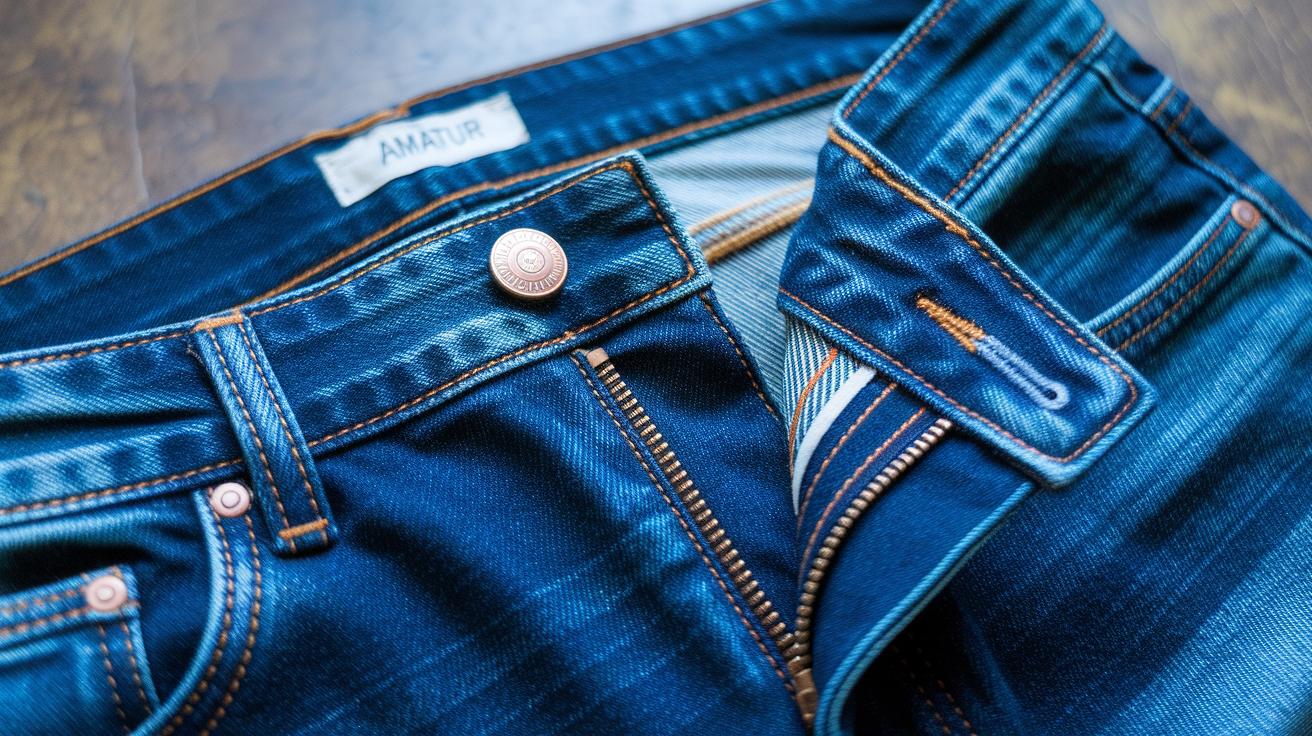
Premium denim shows its quality through solid metal parts and neat stitching. Look for copper or gunmetal rivets paired with branded button flies or YKK zippers (zippers that glide smoothly). These details prove the maker cares about durability, so each rivet and zipper is built to last. For example, strong rivets help keep pocket seams secure even during heavy use.
Even spacing in the stitching is a mark of good quality. Jeans with 8 to 12 stitches per inch mean that every seam is carefully reinforced. Chain-stitched hems give a neat, curled look that holds up after many washes. I noticed that well-placed bar-tacks, especially around pocket corners, help stop tears from forming during everyday wear.
These little details highlight true craftsmanship in denim. When manufacturers check every rivet and finish seams with care, they create jeans that keep their shape and work well for years. Every aspect, from the precise stitch count to the extra reinforcement at stress points, gives you the confidence that your denim will look good and last through many wears and washes.
Sourcing and Brand Reputation: Premium Heritage Denim Insights
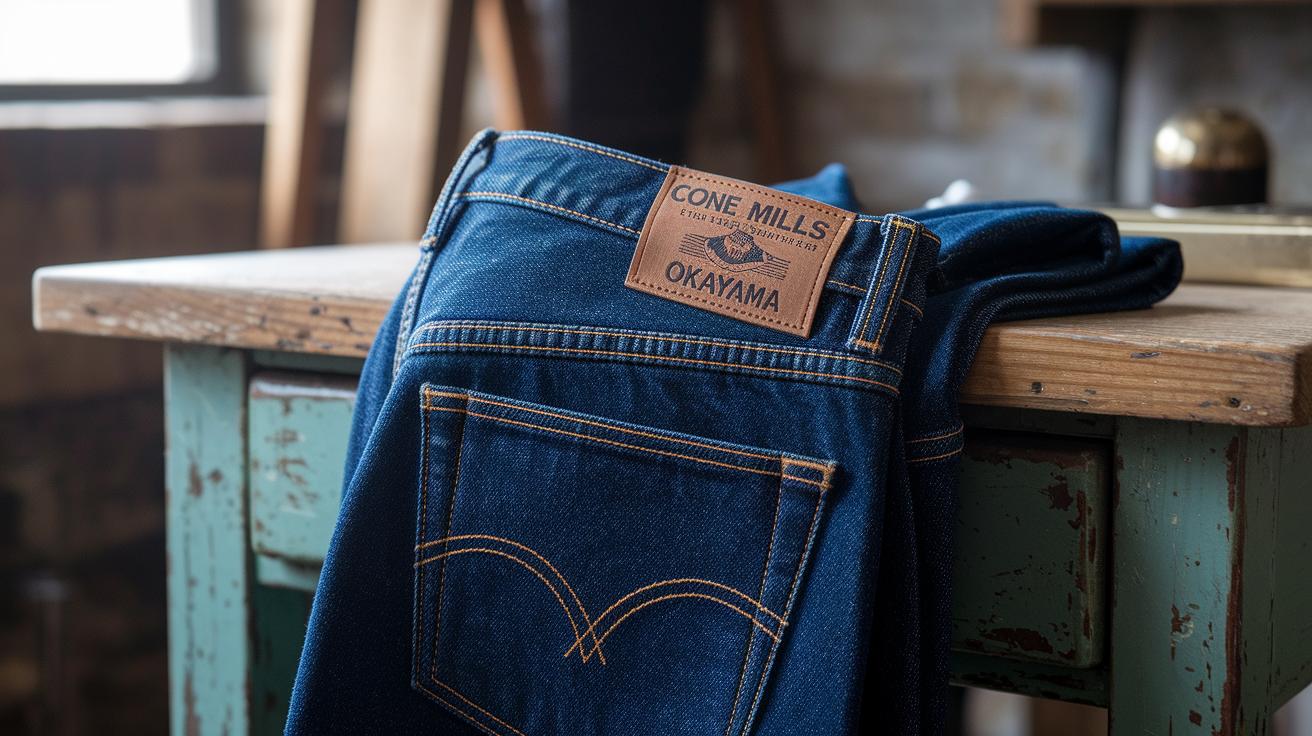
Heritage denim tells you a lot about its origins. Mills like Cone Mills in the USA and Okayama in Japan use shuttle looms (old-fashioned machines that weave fabric) to create denim known for its solid quality. Brands such as Levi’s Vintage Clothing and APC choose denim from these proven mills so every pair carries a rich history of careful craftsmanship. Imagine wearing jeans that seem to whisper their own story because they were made with time-honored techniques.
Small batch production builds even more trust. Artisanal methods let makers watch every step closely, which means they really care about quality. Eco-friendly and sustainable practices are not just buzzwords. They are a promise that the denim is built to last and made with respect for the planet. I remember a denim worker saying, "Every stitch was given extra care." That kind of attention really makes a difference.
When you shop for your next pair of jeans, pay attention to brand reputation and the details of how the denim is made. Brands that share their production story and use ethical, green methods often offer denim that grows more comfortable and stylish with age. Quality denim, in the end, is an investment in a tradition that never goes out of style.
Caring for Your Denim: Best Practices for Longevity
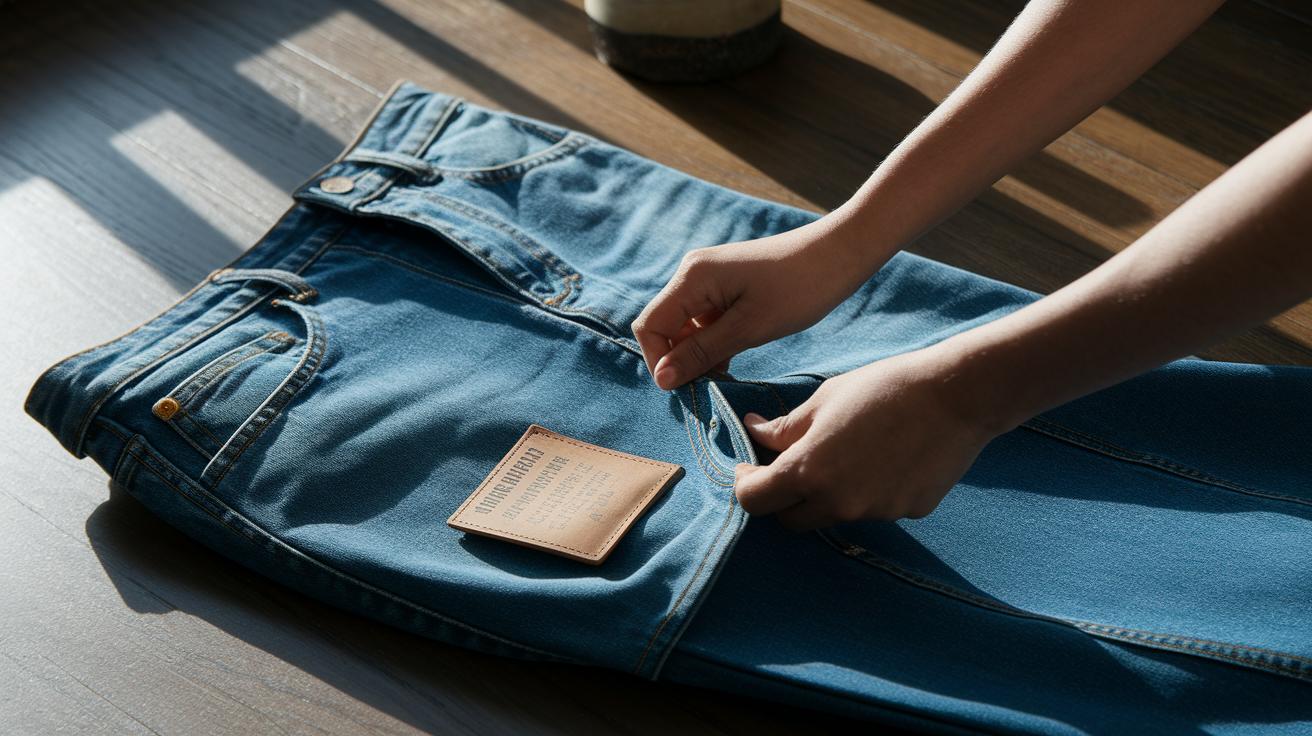
Help your jeans last longer by washing them only when needed. Use cold water and turn them inside out so the dye stays bright and the fabric stays strong. When you wash, choose a gentle cycle and skip bleach or harsh detergents that can wear out the fibers. For a quick check on how sturdy your denim is, you can use a simple home test.
Air-drying your jeans is key to keeping their shape. Instead of using a dryer, lay them flat or hang them by the waistband. This stops them from shrinking and changing the fit. It also helps to treat any small stains right away so they don't turn into permanent marks.
Store your denim in a cool, dry spot away from direct sunlight. This simple step prevents too much fading and lets your jeans develop a unique, worn-in look over time.
Making the Final Selection: Buying Guide for Quality Denim

When shopping for good denim, start by checking how much you pay per ounce, the stitching details, and the mills behind the fabric. Think about whether you want raw denim, which molds to your body over time, or pre-washed denim that comes ready to wear. Look closely at small details like the evenness of the weave and the strength of the hardware to see if the jeans are well-made.
Set your expectations with a clear checklist. Quality denim should feel solid in weight, have a tight weave, fit right, use strong hardware, and be easy to care for. Handling the fabric, looking at the stitching, and checking for extra reinforcements like bar-tacks gives you a good feel for the pair. Trusted brands like Levi's Vintage, APC, and Nudie Jeans have earned their names for a reason and are a safe bet when updating your wardrobe.
Use this simple checklist to compare options before you buy:
- Look at the weight and fiber content to balance durability with comfort.
- Check the weave tightness and construction details, especially the twill design (diagonal fabric pattern).
- Inspect hardware like rivets and zippers for lasting strength.
- Compare price per ounce and consider brand reputation from trusted mills.
- Review the care instructions to ensure the denim fits your lifestyle.
Final Words
In the action, we explored denim quality from weight and fiber content to weave structure and stitching details. We compared dye finishes, fit measurements, and hardware that signal true craftsmanship. We also discussed sourcing transparency, care tips for longevity, and final purchase steps. This complete guide to choosing quality denim provides clear, practical info so you can shop confidently and cut down on returns. Enjoy finding denim that fits perfectly and stands up to everyday wear.
FAQ
What does a complete guide to choosing quality denim for men cover?
The guide explains key denim features like fabric weight, fiber content, weaving tightness, finishing techniques, and hardware quality. It offers practical advice for smart buying and long-lasting comfort.
What defines high-quality denim fabric?
High-quality denim fabric shows a balanced weight, tight weave, and premium fibers. It also features precise finishing, strong rivets, and high stitch density, ensuring durability and a reliable wash after wash performance.
How do I identify the best jeans quality brand?
The best jeans quality brand is known for strict construction methods, quality fabric sourcing, and heritage reputation. It typically focuses on consistent craftsmanship and well-tested durability in everyday wear.
What makes a guide to Japanese denim useful?
A guide to Japanese denim explains unique techniques like shuttle-loom production for selvedge edges and rich indigo dye processes. It also highlights the traditional craftsmanship that gives Japanese denim its distinct look and longevity.
What are Denim Hunter jeans known for?
Denim Hunter jeans stand out for their blend of quality fabric, precise stitching, and a clear design focus. They offer a durable and stylish option for everyday wear with a modern twist on classic denim.
How does a selvedge denim buying guide help shoppers?
A selvedge denim buying guide breaks down factors like fabric weight, tight weave, and authentic finishing details. It simplifies the selection process by focusing on jeans that develop unique fades and lasting durability.
What can I expect from raw denim in 2025?
Raw denim in 2025 highlights unwashed, pure cotton fabric that molds to your body over time. Expect superior stitch work and loyal construction focused on durability as the denim ages naturally.
What distinguishes Bryceland’s jeans in quality denim?
Bryceland’s jeans are noted for their meticulous construction using premium cotton, reinforced stitching, and tested hardware. They provide reliable durability while maintaining a comfortable and stylish fit.