

Ever been caught in a sudden rain with gear that just doesn’t do its job? Staying dry in bad weather takes more than a simple waterproof tag. In this guide, we show you how a water resistance test works and how it tells you if your outdoor clothes can handle rain, drizzle, or heavy storms. We break down the ratings and what they mean so you can decide if your gear is tough enough. Learn how to pick clothes that really keep you dry when it counts.
Water Resistance Test Fundamentals for Outdoor Clothing

Water resistance is about how well a piece of outdoor clothing keeps water from soaking through. We measure it with a test called hydrostatic head (HH for short, which tells you in millimeters how high a column of water the fabric can hold before leaking). This test puts a steady stream of water on the fabric until a drop comes through.
Different HH ratings work for different conditions. If you only face light rain or urban mist, a fabric rated between 1,500 and 5,000 mm should do the trick. For more active outdoor use or a bit steadier rain, look for 6,000 to 10,000 mm. And for heavy rain, downpours, or wet snow, aim for a rating from 11,000 to 15,000 mm.
Designers also check how well the fabric pushes water away in tests known as hydrophobic textile analysis. They measure how the material lets moisture vapour escape while still blocking water. This balance is key. It means you stay dry without feeling too clammy when you’re moving around.
For an at-home check on water resistance, see the sidebar resource "How to Test Clothing Durability at Home" at https://jankreviews.com?p=353.
Water Resistance Metrics and Industry Standards

The hydrostatic head test checks how well a fabric keeps water out. In this test, a tube filled with water is sealed over the fabric, and water is slowly poured on it until a leak occurs. For example, if water does not pass through until the pressure equals a 10-meter water column (10,000 mm), that is the fabric’s rating.
This rating shows how stable the fabric is under pressure. Fabrics rated up to 5,000 mm work well for light rain or brief drizzles. Most everyday fabrics fall between 6,000 and 10,000 mm, which is enough for normal weather. If you face heavy rain or wet snow, look for fabrics with ratings between 11,000 and 15,000 mm for extra protection.
Manufacturer Validation of Product Performance
Manufacturers use these tests to check and confirm product performance. They run controlled lab tests to make sure a product truly repels water before making any claims. For instance, a jacket with a 10,000 mm rating has met strict standards, proving it can handle a water pressure up to a 10-meter column in tests.
Laboratory Water Resistance Test Procedures
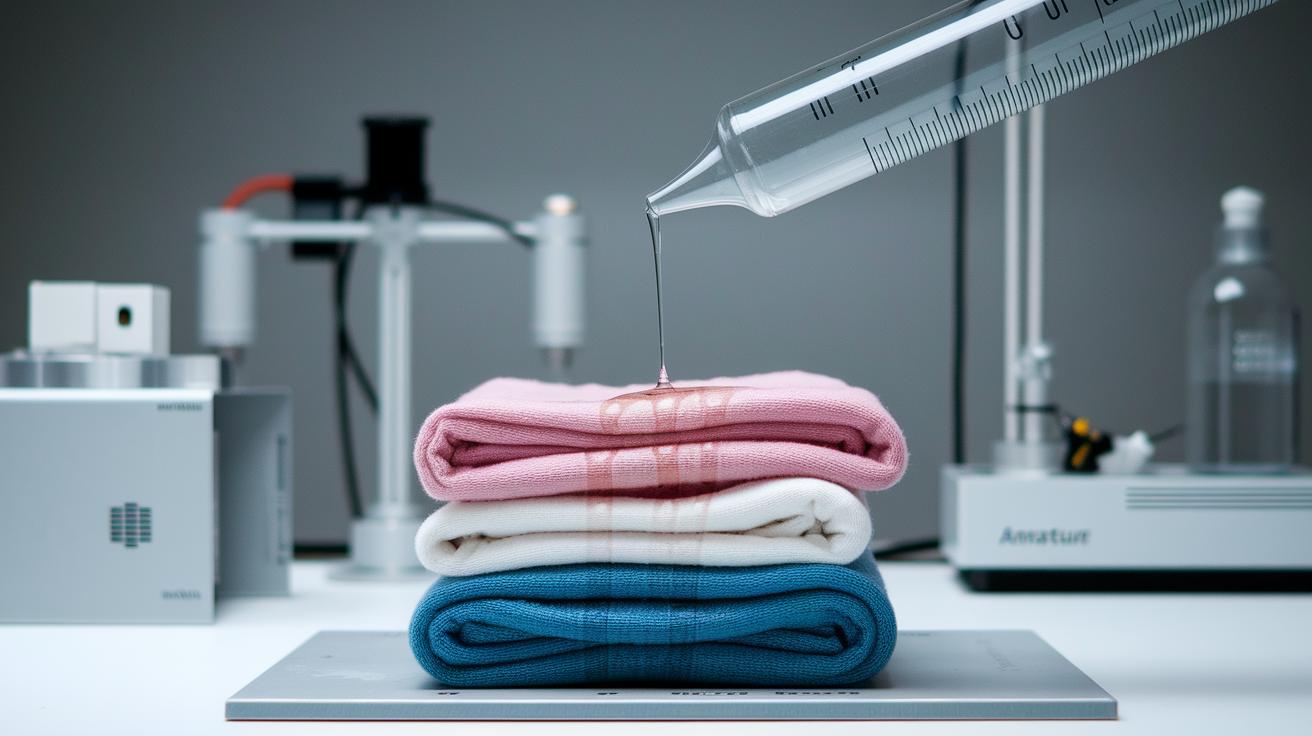
In our lab, we test fabrics to see how well they resist water. We mount the fabric securely in a controlled chamber that copies real weather. Then, we slowly pour water from a graduated cylinder until the water finds its way through the fabric. This test, known as the hydrostatic head test (a method to check water pressure resistance), is key to understanding a material's performance. Designers also use a spray test, where a steady spray of water hits the fabric, while the static test uses a constant water pressure.
Different fabric builds change the results. A two-layer fabric has an outer barrier and a waterproof treatment that gives basic protection. A 2.5-layer fabric adds a thin membrane that boosts durability while still letting the fabric breathe. A three-layer fabric sandwiches a waterproof membrane between the outer and inner layers, usually offering the best water resistance.
| Step | Description |
|---|---|
| 1 | Secure the fabric sample in a sealed chamber with no gaps at the edges. |
| 2 | Fasten the fabric firmly so it does not move during the test. |
| 3 | Slowly pour water from a graduated cylinder onto the fabric. |
| 4 | Increase the water pressure little by little until you see the first drop of water on the other side. |
| 5 | Record the water column height at the point of penetration to rate the material. |
We use these steps to check how a fabric repels water and withstands pressure. This information helps manufacturers design materials that keep you dry in many outdoor conditions.
Water Resistance Test for Outdoor Clothing: Stay Dry

If you want to see how well your jacket or gear keeps water out, try some easy tests at home. These tests mimic real rain, letting you see how the fabric behaves when you're on the move.
One method uses a hose that sprays at 200 kPa (200 kilopascals, a measure of water pressure) for 2 minutes. This simulates a heavy downpour and shows if the fabric can handle a fierce shower. Another test is to hang your garment under an umbrella while you expose it to a light, steady drizzle. This helps you check its performance in gentler rain. You can also use the water-bladder method. Simply insert a water-filled bag inside the garment to see if water sneaks in when the fabric is under stress.
Wearing the garment during actual wet weather can give you true feedback. Try taking it for a walk or a run while it's raining to observe how movement affects water penetration. These at-home techniques are a great way to supplement lab tests and get real-world results.
Recommended at-home testing steps:
- Spray the garment with a hose at controlled pressure for 2 minutes.
- Hang it under an umbrella and expose it to a simulated drizzle.
- Insert a water-filled bladder inside the garment to check for leaks.
These simple tests help you confirm that your outdoor clothing really works when you need it most, keeping you dry in both daily activities and rough outdoor adventures.
Assessing Seams and Closures in Water Resistance Tests

Fully taped seams, welded joints, and waterproof zippers are vital for keeping water out. They block moisture from seeping through the stitch lines. We test these features by spraying water over the fabric or by submerging the garment. These tests, including the hydrostatic head (HH) spray test (where water is sprayed under pressure) and immersion checks, help spot any weak points. Polymeric adhesives (sticky agents used to seal seams) are then applied to boost water resistance and add to the garment's durability.
Even a small gap in a seam can let water in. That is why it is important to check both the stitching and the finishing touches. Using HH spray tests and submersion techniques lets you catch problems early, before they become major issues during wet weather.
Here are four simple tips for testing and strengthening seams and closures:
- Inspect taped seams when the fabric is both sprayed and immersed.
- Check waterproof zippers to make sure they move smoothly and seal tightly.
- Use polymeric adhesives to reinforce any vulnerable areas.
- Retest seams after long use or multiple washes.
These steps help keep your outdoor clothing effective at keeping you dry.
Influence of Fabric Treatments on Water Resistance Test Outcomes

Outdoor clothing gets special surface treatments that change how well it keeps water out. These treatments, called durable water-repellent (DWR) coatings, come in different types like C0/C6 polymer (a kind of plastic that makes water bead off), silicone (a smooth, slick finish), and fluorine-free finishes (water repellency without harsh chemicals). Each type works differently and lasts for a different number of washes. For example, a C0/C6 polymer finish can keep up to 80% of its water-repelling ability after five washes. Some silicone treatments work great at first, but they might lose some power over time as the coating wears off or becomes uneven. The thickness of the finish also matters. A thicker layer can block water better but might make the fabric less breathable (letting less air through) and less flexible.
These differences in treatment lead to varied test results. Manufacturers pick a specific DWR chemistry based on how they expect the garment to be used, and they consider factors like wash durability and overall comfort. That's why two fabrics that look similar can perform differently on tests like the hydrostatic head test (a test that measures how much water a fabric can resist).
| Finish Type | Durability (Washes) | Water Repellency Retained (%) |
|---|---|---|
| C0/C6 Polymer | 5 | 80% |
| Silicone | 4 | 75% |
| Fluorine-Free | 6 | 78% |
Understanding these finish details helps explain how outdoor gear holds up under wet conditions.
Case Study: Rainproof Apparel Review Using Water Resistance Test Data
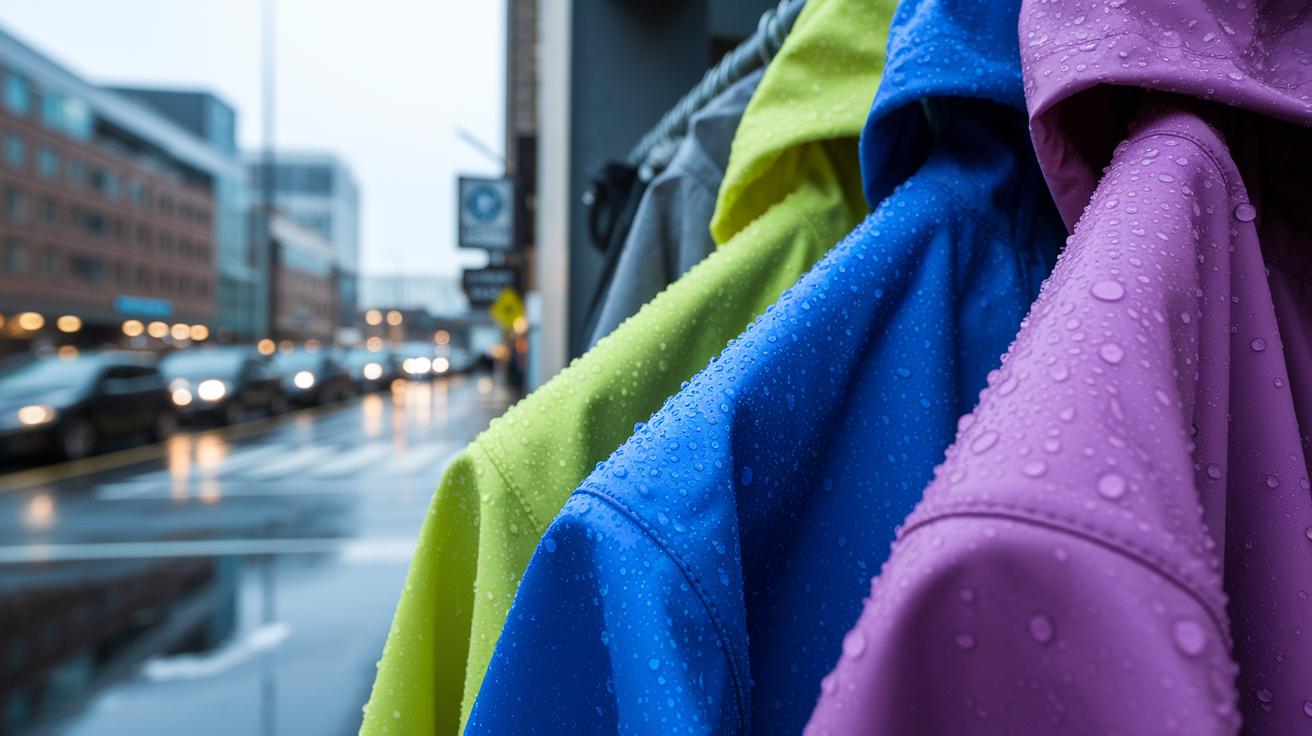
Quick verdict: Each garment has its own strength. The parka is built for extreme conditions. The rain jacket works well for steady rain, and the softshell is great for light showers in the city.
Why we tried it: This outerwear brand has over 30 years of testing know-how. They used a hydrostatic head test (a method showing how much water a fabric can withstand) on three items. The results clearly show how each piece performs in wet weather.
The stormproof parka is made from a three-layer fabric with extra sealed seams. It scored an impressive 15,000 mm and stands up to heavy rain and wet snow. The rain jacket has a two-layer design with fully sealed seams that gives it a 10,000 mm rating, making it reliable in steady downpours. The urban softshell is lighter with basic water-repellent treatment. It scored 5,000 mm, so it is good for quick bursts of rain.
| Garment Type | HH Rating (mm) | Seam Sealing |
|---|---|---|
| Parka | 15,000 | Fully taped, multi-layered |
| Rain Jacket | 10,000 | Fully sealed |
| Softshell | 5,000 | Basic water-repellent treatment |
Pros and cons:
- Parka: Best for extremely wet weather and heavy precipitation.
- Rain Jacket: Ideal for steady rain and everyday outdoor use.
- Softshell: Suitable for light rain and urban activities.
Maintaining Water Resistance: Reproofing and Durability Over Time

After about 15 to 20 washes, you might see that water stops beading on your outdoor gear. This happens because the durable water repellent (DWR, a protective coating) wears off with regular use and cleaning. When the water pressure rating (how much water the fabric can resist, measured in mm) falls below 5,000 mm, it's time to consider reproofing your jacket or gear.
You can reproof your gear in two ways. Spray-on treatments let you focus on areas that need extra help, restoring water beading quickly. Wash-in products refresh the entire garment during a normal wash cycle. Both methods help the water slide off your gear instead of soaking in.
To keep your gear water resistant, follow these steps:
- Check the care label for any manufacturer tips.
- Wash the garment thoroughly to remove dirt and oils that can block the new treatment.
- Evenly apply the spray or mix in the wash treatment as directed.
- Let the garment dry completely in a warm, well-ventilated spot before wearing it again.
Regular maintenance like this helps your gear stay ready for rain, so you'll stay dry on every adventure.
Final Words
In the action, we broke down water resistance basics, explained how hydrostatic head and fabric treatments shape outcomes, and detailed lab and at-home tests. We also covered seam checks and practical tips for maintaining water resistance over time.
This guide delivers clear steps and real metrics for a reliable water resistance test for outdoor clothing. The insights here help you avoid sizing pitfalls and ensure your gear performs when it matters most. Happy testing and safe adventures!
FAQ
What is a 20,000 mm waterproof jacket?
A 20,000 mm waterproof jacket is built to resist water pressure up to 20,000 mm, meaning it can handle very extreme weather like heavy downpours and wet snow reliably.
What is a 10,000 mm waterproof jacket and what does 10,000mm waterproof mean?
A 10,000 mm waterproof jacket is designed to hold back water pressure up to 10,000 mm, or roughly a 10-meter column of water, ensuring you stay dry during steady rain.
What is a 15,000 mm waterproof jacket?
A 15,000 mm waterproof jacket is engineered to resist water pressure up to 15,000 mm, offering enhanced protection for heavy rain and wet, snowy conditions.
How is the waterproof rating (in mm) explained?
The waterproof rating in mm measures the hydrostatic head, which is the water pressure a fabric can withstand before leaking, guiding you on a garment’s performance in diverse weather.
What is a waterproof rating chart?
A waterproof rating chart organizes different mm ratings—from about 1,500 mm for light rain to over 10,000 mm for extreme conditions—helping you select the right gear for your weather needs.
Which jacket has the highest waterproof rating?
The highest waterproof rating jacket generally features ratings above 15,000 mm, designed for extreme weather where maximum water resistance is critical.
How does 10K waterproof compare with Gore-Tex?
A 10,000 mm waterproof rating and Gore-Tex both offer strong water resistance, but Gore-Tex also emphasizes breathability and durability, providing added performance for active use.
How do you test fabric or a jacket for waterproofness?
To test waterproofness, use techniques like the hydrostatic head test, spray tests, or at-home methods such as the water-bladder and hose spray tests to see if water penetrates the fabric.
Is 10K or 20K waterproof better?
A 20,000 mm rating is better at handling higher water pressures than a 10K rating, making it more suited for severe weather, though it might come with trade-offs in weight and breathability.
Is a 1500 mm waterproof rating good?
A 1500 mm waterproof rating provides basic protection for light rain and urban use, but it may not be enough if you plan outdoor activities in heavier or prolonged precipitation.