

Ever notice how one ring stays shiny day after day while another loses its glow quickly? Durability ratings tell us how well an accessory can take everyday wear and tear. They use tests like the Mohs scale (a simple way to measure how hard a material is) and the Taber abrasion test (which shows how well a surface handles rubbing). In this article, we explain these tests in plain language so you know what to expect from your favorite piece and can choose ones that mix style with lasting quality.
Understanding Accessory Durability Ratings: Definition & Scope
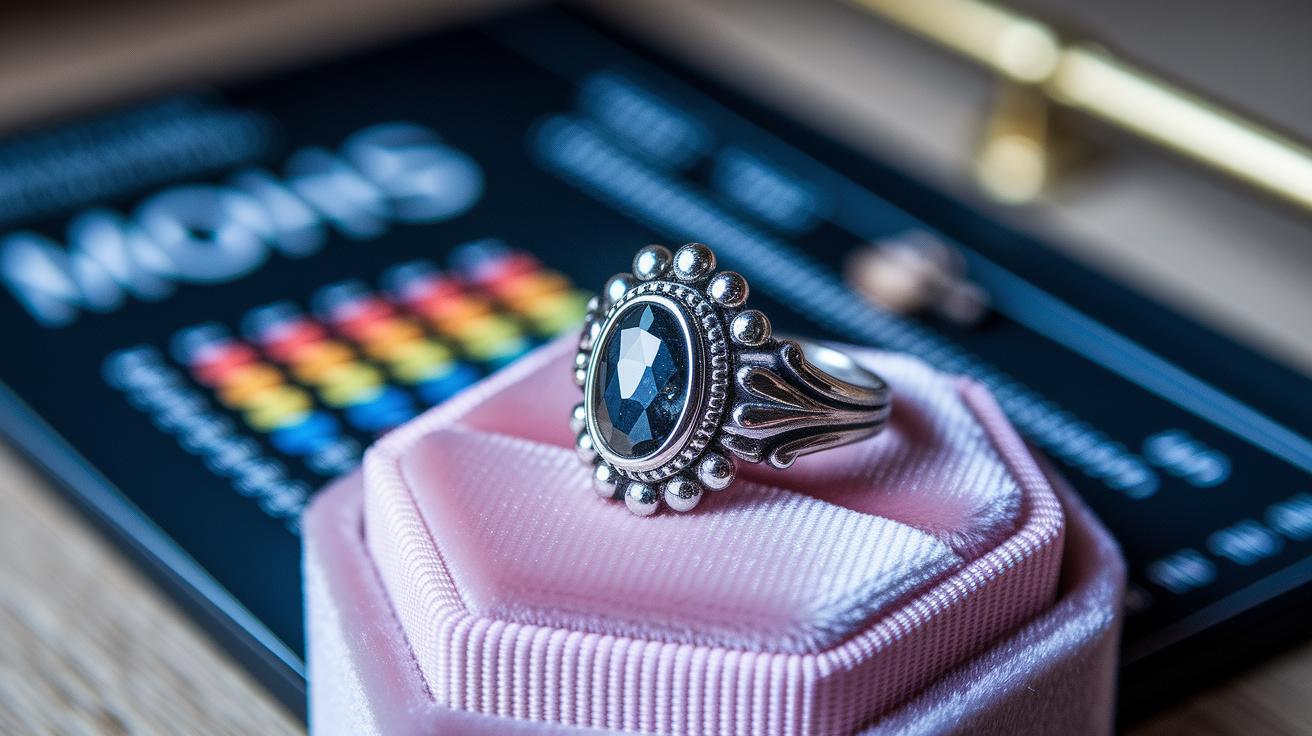
Accessory durability ratings tell you how well an accessory can handle daily wear. They show how resistant an item is to scratches, rubbing, impacts, and other everyday stresses. We check this using tests like the Mohs scale (a rating from 1 to 10 that shows how hard a material is), the Rockwell hardness test (which measures metal strength in HRC units), and the Taber abrasion test (which counts how many times a material can be rubbed before it gets damaged).
Think about a ring tested with the Mohs scale. A metal like tungsten carbide might score a 9, which means it won’t scratch easily, unlike softer metals such as gold (usually around 2.5 to 3). In simple terms, a higher score means the accessory should last longer even with everyday use.
These ratings help you decide which accessory is best for you. They let you weigh style against how long the item will keep its look. If you are considering a handbag, for example, understanding its material resistance can be key. For more details, check out the article on "How Are Designer Handbags Rated" for a clear look at durability in action.
Understanding Accessory Durability Ratings: Clear Insights

When checking if an accessory will stand up to everyday wear, we look at six simple factors. Each one explains a part of the accessory's overall durability and helps you decide what might work best for you.
-
Material hardness
We use the Mohs scale (a numbering system from 1 to 10) to see how well a material resists scratches. Gold, for example, scores around 2.5-3, while tungsten carbide scores about 9. This shows how much tougher tungsten carbide is, much like comparing a soft pencil tip to a hard, sharpened one. -
Coating and finish adhesion
This factor is checked by running a Taber abrasion test, which mimics repeated rubbing. If the finish sticks around through many cycles, it means the accessory is less likely to show wear from daily contact. -
Construction integrity
Here, we check the strength of seams and joints that hold the accessory together. A well-built piece will hold its shape and keep working even if it gets bumped or drops. -
Environmental resilience
This test imitates changes in temperature and humidity to see how the item handles weather shifts. Picture a ring that keeps its shine even after a rainy day. -
Chemical stability
The accessory is also checked against sweat, oils, and everyday solvents. This means it won’t tarnish quickly when it comes into contact with common substances. -
Fatigue resistance
We run repeated usage tests to find any weak spots that may form over time. A watchband that holds strong after months of use, for example, scores high in this area.
Each of these points gives you clear insights to help pick accessories that can really handle your daily routine.
Common Rating Scales & Laboratory Testing Methods in Accessory Durability

The Mohs Hardness Scale measures how well an item resists scratches on a scale from 1 to 10. A score of 1 means the material is soft like talc; a score of 10 means it is as hard as diamond. For example, tungsten carbide earns a high score of 9, while gold usually sits around 3. Imagine wearing a bracelet that barely shows any scratches even after daily use, that is the benefit of a high Mohs rating.
The Rockwell Hardness Test checks how well metals resist dents by giving a reading in HRC units. It works like a pressure test for metal parts such as a watch case. This helps ensure that the accessory keeps its shape and does not get dented over time.
The Taber Abrasion Test mimics the friction an accessory experiences by using rotating wheels under a specific load. It counts the number of cycles needed to break the finish. Think of a necklace that keeps its polished look even after many cycles, the Taber test shows how lasting its finish can be.
Accelerated Aging Protocols expose items to UV light, heat, and humidity cycles (following ASTM standards) to speed up wear and tear. For instance, a pair of sunglasses that stays clear under tough environmental conditions proves its ability to resist aging quickly.
Environmental Chamber Trials subject accessories to cycles of changing temperatures (from -20°C to 60°C) and humidity levels (from 20% to 95%). This test watches how materials expand, contract, and eventually wear out. Picture a strap that holds up well, even after facing large temperature swings during outdoor adventures.
| Test Name | What It Measures | Scale/Units | Common Uses | Result Type |
|---|---|---|---|---|
| Mohs Hardness Scale | Scratch resistance | 1-10 | Gemstones, coatings | Hardness number |
| Rockwell Hardness Test | Indentation resistance | HRC units | Metal parts | Hardness reading |
| Taber Abrasion Test | Surface wear endurance | 0-20,000+ cycles | Platings, fabrics | Number of cycles until failure |
| Accelerated Aging Protocols | Effect of UV/heat/humidity | ASTM D5071 | Plastics, finishes | % of degradation |
| Environmental Chamber Trials | Temperature and humidity effects | -20-60°C, 20-95% RH | Electronics, straps | Physical changes observed |
How to Interpret & Compare Accessory Durability Ratings
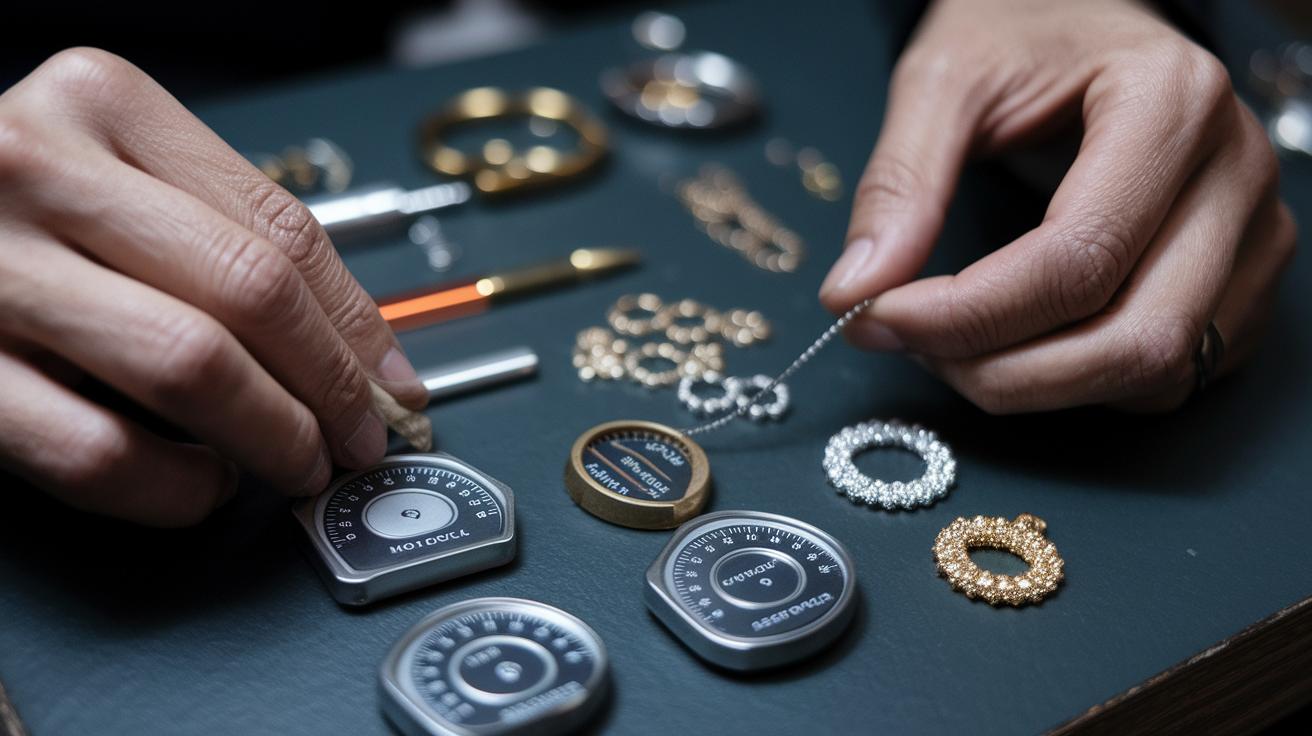
When you look at durability numbers, things start to make sense once you know what to check. Even one point higher on the Mohs scale (a simple measure of scratch resistance) can mean the item will resist scratches much better. For example, tungsten carbide scoring a 9 will take daily use far better than gold, which usually scores around a 3. This small gap in numbers can show a big difference in how the accessory performs.
When comparing accessories, check their scratch and impact test results side by side. If one item lasts 5,000 cycles in a Taber abrasion test (a test that measures how long the finish stays intact) while another lasts only 2,500 cycles, the first one should keep its look twice as long. It also helps to consider other factors like fatigue life (how long the item lasts under repeated use) and how it performs in different environments. These factors combine to give a single, easy-to-read score.
By using a combined score that looks at hardness, fatigue resistance, and environmental effects, you get a clear rating that makes comparing products simple and reliable.
- Check hardness with the Mohs scale.
- Look at Taber cycle counts for scratch resistance.
- Use combined scores for overall durability.
These steps turn tricky tests into easy-to-understand numbers, helping you choose accessories that will last.
Real-World Testing Examples & Case Studies for Durability Ratings
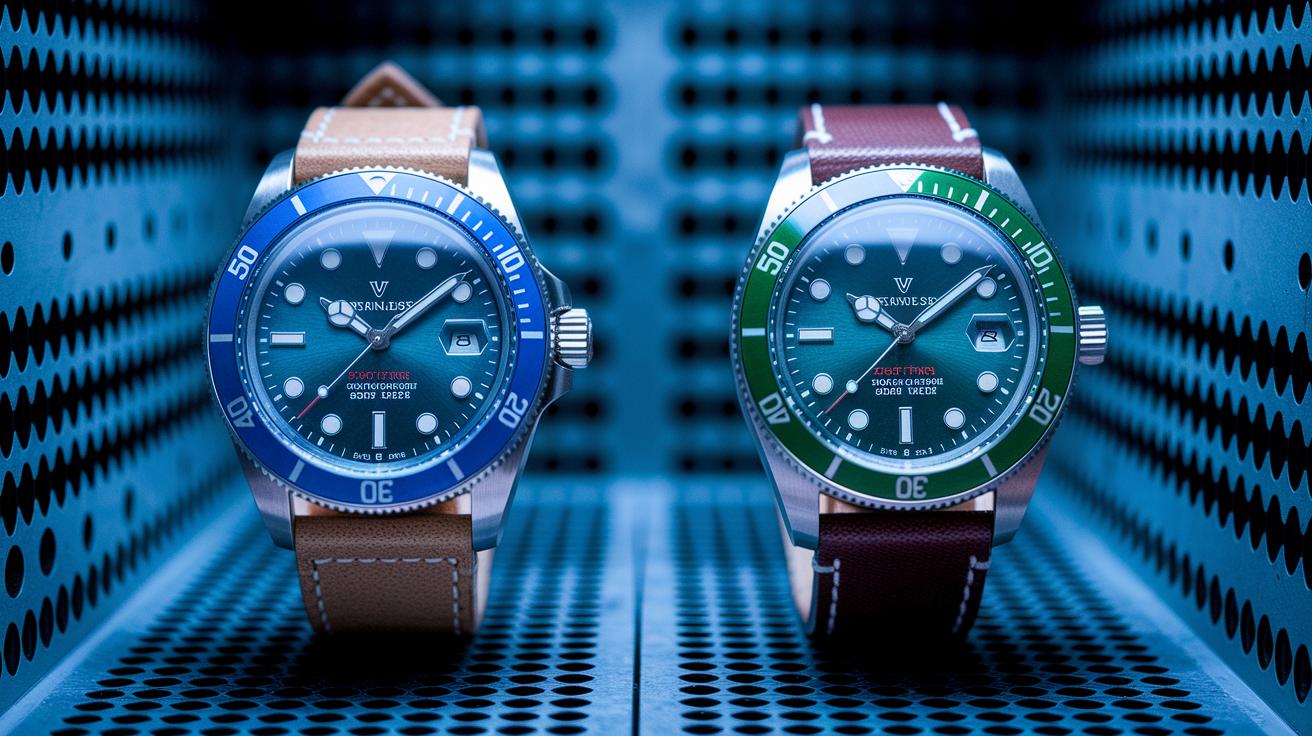
Case study A compares leather and stainless steel watch straps in a humidity chamber. In this test, both straps went through 5,000 cycles. The stainless steel strap kept its finish, while the leather strap cracked after only 300 cycles. Imagine testing a strap and seeing that the metal version stands up to tough conditions, while the leather one fails quickly.
Case study B looked at a coated zipper on outdoor gear. The zipper faced an abrasion test that ran for 10,000 cycles (repeated rubbing). During this test, the nylon coating on the zipper lost about 20% of its thickness. This shows that even modern fabrics can wear down under constant friction, which may affect both how it looks and works.
Case study C examined sunglasses. The polycarbonate lenses (a durable type of plastic) were put through a 0.5 J pendulum impact test. They withstood 50 impacts without any cracks showing. Picture your sunglasses taking small knocks and still keeping clear, sharp vision.
These tests use real-life simulations to show how different materials hold up under stress. They give you a practical idea of what to expect from everyday accessories. Think of it as clear, measurable proof to help you decide which accessory will best meet your needs.
Quality Control Protocols & Certification Criteria for Accessory Durability

Manufacturers run tough tests to show that their accessories can really last. They use simple tests like ISO 12947 (which checks how well a piece withstands rubbing) and ISO 9227 (which tests for salt-induced corrosion). For instance, a watchband that passes ISO 12947 is proven to handle thousands of rubs while keeping its shine. They also use drop tests (UL 61216) and shock tests (MIL-STD-810) to mimic everyday bumps and knocks.
They also check samples from each batch to make sure everything is consistent. A few items are picked randomly and carefully examined to see they meet these high standards. Certification marks such as CE and UL are stamped on items to show that independent labs have checked them. This tells you that the manufacturer has tuned the testing so that the accessory will stand up to everyday wear and tear.
Key points:
- Manufacturers use tests (ISO, UL, MIL standards) to check how accessories resist damage.
- Random audits help catch inconsistencies in every batch.
- Certification marks prove that lab tests match what you can expect in daily use.
Final Words
In the action, we broke down what accessory durability ratings mean and how tests like Mohs, Rockwell, and Taber reveal real-world wear. We explored key factors, material hardness, coating adhesion, and construction integrity, that shape these ratings. Our guide shows how to compare ratings, backed by real test examples and quality control protocols. This practical review helps build confidence in buying and mix style with function while supporting understanding accessory durability ratings for better, long-lasting choices. Enjoy smarter, reliable picks!
FAQ
What would a jeweler use the Mohs scale for?
The jeweler uses the Mohs scale to evaluate scratch resistance in minerals and gemstones. This scale, ranging from 1 (soft) to 10 (hard), helps determine which materials hold up best against wear.
Which ranks higher on the Mohs scale?
The Mohs scale ranks diamond the highest at 10, while softer materials like talc sit at the bottom. This means diamond offers superior scratch resistance compared to most other substances.