

Quick Verdict: Eco-friendly fabrics can work for everyday wear, but they need real tests to prove their strength.
We wanted to see if green clothing could really stand up to daily use. So, we put sustainable fabrics through tests that mimic what happens at home. We stretched your favorite organic cotton until its fibers were really pushed, just like how denim is pushed when you wear it every day.
Our simple tests show which fabrics hold their strength over time. Read on to find out if eco-friendly threads can keep up with your daily adventures without losing their toughness.
Essential Durability Evaluation Methods for Sustainable Clothing
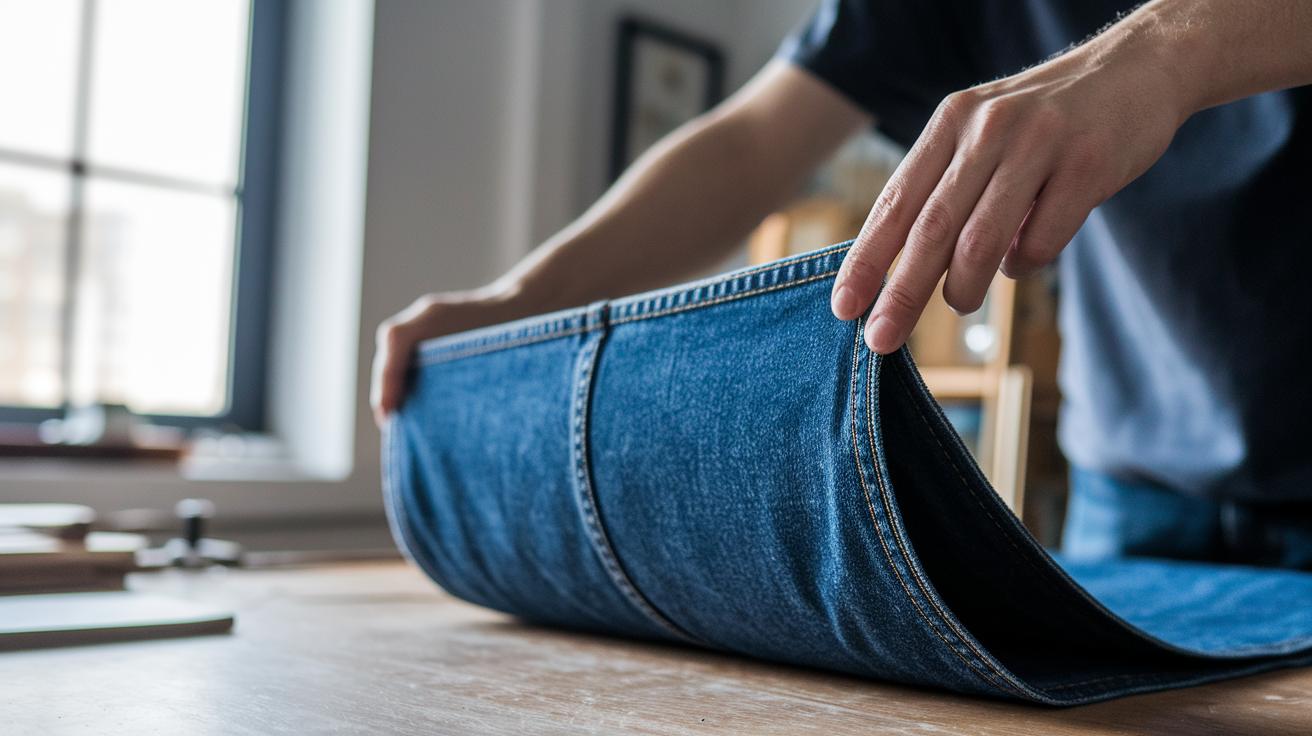
Durability testing in sustainable fashion checks if clothes can stand up to everyday use. We look at things like how well the fabric resists rubbing (abrasion resistance), how much stretch it can take before breaking (tensile strength), and if the color stays bright after many washes (color fastness). Imagine pulling on a piece of denim until it almost tears. That test shows you how strong the fabric really is.
Another key test is mechanical stress. The fabric gets stretched over and over, much like what happens with regular wear. This repeated pull can reveal weak spots that might tear later on. Then there’s the abrasion test. Small machines rub the fabric with a steady force, kind of like a mini washing cycle. This helps see how the surface will hold up when it faces regular friction.
Color and light fastness tests are just as important. They mimic long-term exposure to sunlight and frequent washing. This is crucial for eco-friendly clothes because fading too soon can make even a good garment look old. Today, automated systems handle these tests using eco-friendly materials to reduce waste and save energy.
These standard tests make sure that clothes are reliable and last longer. By using these methods, designers can pick better materials and build garments that meet your expectations for lasting quality while being kind to the planet.
Key Equipment and Protocols in Durability Lab Procedures
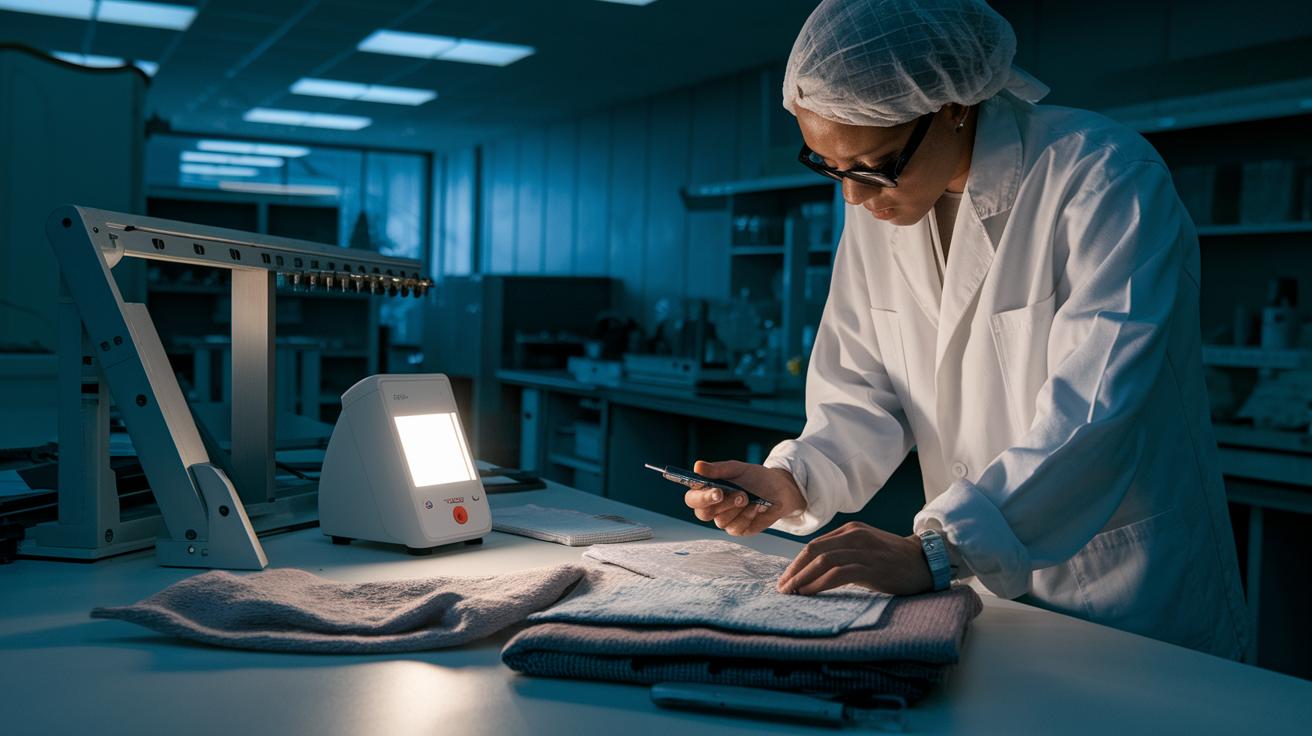
In the durability lab, we use different tools to see how well eco-friendly fabrics hold up to everyday wear. We start with abrasion testers that check how fabrics resist scraping. During these tests, fabric is rubbed until you can see signs of wear.
Tensile machines pull the fabric apart to find the breaking point. They measure the strongest force the fabric can handle before snapping.
Colorimeters and light fastness devices help us check if colors stay true even after long light exposure. These tests mimic the effects of heavy sunlight and repeated washings.
We also use instruments that measure loose fiber release according to ISO 4484-1 (a set of rules that standardizes the test). This ensures the fabric wears well without hurting the environment.
Keeping these machines calibrated and serviced is crucial. Lab technicians use trusted materials and follow strict steps to ensure consistent results.
TestWise software helps fine-tune our tests by allowing us to adjust graph scales and setting pretension warnings. In simple words, you set it up to track even tiny changes in how the fabric responds over time.
Every tool plays an important role in checking fabric fatigue. These tests help ensure that sustainable clothing meets high durability standards and guide manufacturers in improving design and material choices for eco-friendly fashion.
Interpreting Durability Test Results for Sustainable Textile Endurance

Durability tests help us understand how long a garment will last. They check things like fiber fatigue (when a fabric gets tired and weak), color shifts, and tensile loss (how much the fabric stretches and might tear). Think of it like a paper clip that bends too many times until it breaks.
These tests show us where the fabric might start to give in. For example, if a fabric loses strength after being stretched repeatedly, it may start to tear during everyday wear. The tests also tell us if the dye stays bright or fades. One surprising fact is that doubling a garment’s life can nearly cut its climate impact in half, which means using clothes longer helps the environment.
The numbers from these tests are important. Even nine extra months of wear can lower carbon emissions, waste, and water use by about 20%. This data helps manufacturers see what needs fixing so that clothes last longer and work better for the planet.
By looking at these results, you can spot potential weak spots in the fabric before they become big problems. This study of textile wear shows exactly where a fabric might break down, tying the performance directly to environmental benefits for sustainable clothing.
Collaborative Research and Case Studies in Fabric Durability Testing

A project with 45 organizations is leading a shift in sustainable textile research. People from universities, industry, and regulators are coming together to set simple, clear tests for how long fabrics last. They check old jackets to find weak spots from everyday wear, sweat, UV light, washing, and even creams and dirt. One team noticed that a seam always frayed after a certain number of rubs. Think of it like bending a paper clip over and over until it finally snaps.
Longtime partners also add their smarts to this work. A research center called CETTEX (active since 1991) helped set the first durability standards. Companies like W. L. Gore and James Heal join the effort, mixing tried-and-true ideas with new methods. Their goal is to build tests that really show how fabrics stand up to real life.
New tools play a big part in the project. The DynaWash tester is one example, thanks to its eco-friendly design that cuts down on water and energy use during tests. This tool shows how fabric testing can be gentle on the planet. In these trials, only non-toxic chemicals are used so that no harm comes to the wearer or the environment.
The project also zooms in on key stress points in fabrics to make the tests even better. They show that keeping clothes simple and tough can reduce waste and lower a garment's impact on the climate. As the team keeps working together, their findings help manufacturers pick better materials and improve how they make eco-friendly clothing. This mix of research and real tests is setting the stage for stronger, greener textile practices.
Practical DIY and Home Methods for Fabric Integrity Examination

You don't need fancy lab gear to test a fabric's strength at home. A simple method is the Martindale rub test. In this test, you gently rub a piece of fabric against itself to see how soon it shows signs of wear. Another easy check is for pilling, where you lay a small piece of fabric flat and run your fingers over it to feel if tiny balls form after some friction.
• Martindale rub: This test simulates everyday wear by repeatedly rubbing the fabric.
• Pilling check: You spot early signs of surface wear on fabric swatches by feeling for small balls forming.
• Weighted clamp test: Here, small weights attached to clamps show how the fabric stretches and holds up under tension.
• Portable abrasion kit: This tool applies controlled pressure to mimic regular wear and tear.
These home experiments give you a quick look at how durable a fabric is. They may not capture every detail a professional test would, but they work well for everyday checks, especially when you want to assess eco-friendly or sustainable clothing.
Recommendations for Optimizing Long Term Material Performance
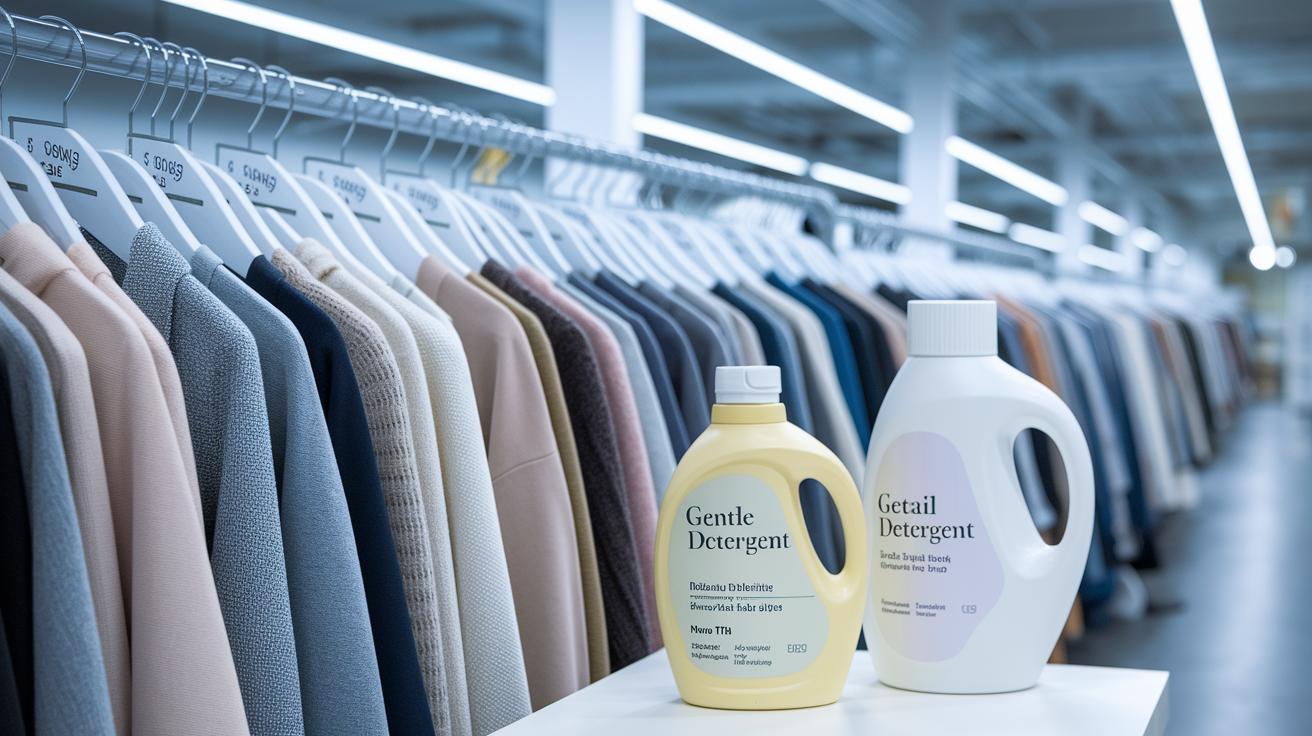
Manufacturers and shoppers can help garments last longer by using ISO-certified fabrics that have proven durability. These fabrics have passed tests and can handle everyday wear. A proper finish is essential too. It shields the fabric from damage during washes and protects it from sunlight. For example, finishes that add a protective layer keep colors bright and textures steady.
Using a gentle, low-impact detergent also helps. A mild detergent prevents fading while preserving the fabric's strength over time. Always follow the care instructions. Washing clothes as recommended and avoiding harsh cycles helps them hold their shape and look better for longer.
Sustainable performance checks show if a design holds up over time. Manufacturers should regularly test for wear and tweak production methods when needed. Shoppers benefit when products have eco-certifications that prove the design is built to last.
Simple maintenance tips go a long way. Air-drying clothes instead of using a machine can make them last longer. For more ideas on choosing sustainable, long-lasting garments, check out the ultimate sustainable fashion buyer guide.
Innovations and Emerging Trends in Eco-Friendly Fabric Durability Testing

New testing methods are changing how we check eco-friendly fabrics. Now, smart machines use sustainable parts to cut waste while gathering clear, precise data. One sensor even picks up the slightest change in a fabric's stretch, much like a quiet guardian watching over the cloth.
Lab tests have improved with the latest TestWise software. The new version shows easy-to-read graphs and gives early alerts if something seems off. It records tiny fiber losses based on the ISO 4484-1 standard (a set of rules for measuring fabric wear). Upcoming biodegradability and aging tests promise to tell us more about how these materials hold up over time.
Researchers are taking these tests one step further. They are adding features that automatically adjust for weather and fabric fatigue. This smart change helps labs get better results and aids manufacturers working toward higher eco-certifications. With these new methods and tools, the standards for sustainable clothing are moving ahead alongside greener production practices.
Final Words
In the action, we unpacked how lab methods, DIY tips, and research projects come together to gauge fabric wear and tear. We reviewed tests for abrasion resistance, tensile strength, and color stability to understand garment lifespan. We also looked into equipment protocols and real-world case studies that back up these findings. A fabric durability test for sustainable clothing helps you pick pieces that last longer and reduce waste. Feel good knowing that smarter buying leads to a wardrobe that stands up to everyday life and benefits the planet.
FAQ
Fabric durability test for sustainable clothing ppt
The term “fabric durability test for sustainable clothing ppt” describes a presentation that outlines methods for assessing fabric strength, abrasion resistance, and tensile properties in eco-friendly textiles.
Fabric durability test for sustainable clothing pdf
The phrase “fabric durability test for sustainable clothing pdf” refers to a document that details standardized methods to evaluate eco-friendly textiles, covering tests for wear resistance, strength, and overall performance.
Durability test example
The durability test example typically includes procedures such as the Martindale rub for abrasion and tensile strength assessments, which simulate daily wear to predict fabric lifespan and reliability.
Fabric durability rating
The fabric durability rating indicates how well a textile withstands stress and prolonged use, based on standardized tests that measure abrasion, tensile strength, and environmental exposure.
Durability testing methods
Durability testing methods consist of abrasion resistance, tensile strength, and color fastness tests that simulate real-life conditions to ensure fabrics maintain quality and performance over time.
Durability test in concrete
A durability test in concrete evaluates its resistance to weathering, chemical reactions, and physical wear by measuring compressive strength and degradation over time using standardized protocols.
Durability measurement unit
The durability measurement unit quantifies a material’s wear capacity, often expressed through cycles, force units, or index ratings obtained from standardized laboratory tests.
How to measure durability of plastic
To measure the durability of plastic, tests assess tensile and impact resistance, weather exposure, and chemical degradation, providing data on the material’s strength and lifespan.
What is the test for fabric durability?
The test for fabric durability involves procedures like abrasion resistance, tensile strength, and color fastness evaluations, which mimic everyday stress to determine a fabric’s long-term performance.
What is the most durable sustainable fabric?
The most durable sustainable fabric is often a high-quality, tightly woven material, such as organic cotton or recycled polyester, recognized for its abrasion resistance and robust performance.
What is the 16 CFR 1610 test method?
The 16 CFR 1610 test method assesses fabric flammability by measuring ignition resistance and burning behavior, ensuring textiles comply with established safety standards.
Which fabric takes 30 to 40 years to degrade?
The fabric known to take 30 to 40 years to degrade is typically a synthetic material like polyester, which resists natural decay due to its chemical structure.