

Quick Verdict
Our team tested 39 boots in freezing, wet weather to see which ones keep your feet warm, dry, and steady on slick surfaces.
How We Tested
We took each boot out in real-life conditions. They faced cold morning commutes and wet work sites. We checked how well they keep out water, provide solid warmth, and give a firm grip on icy ground.
What to Expect
This guide shows our top picks that come in waterproof builds, real insulation, and strong grips. It’s all about finding boots that support you when the temperature drops and ice makes every step tricky.
Winter Work Shoes: Tough for Icy Days
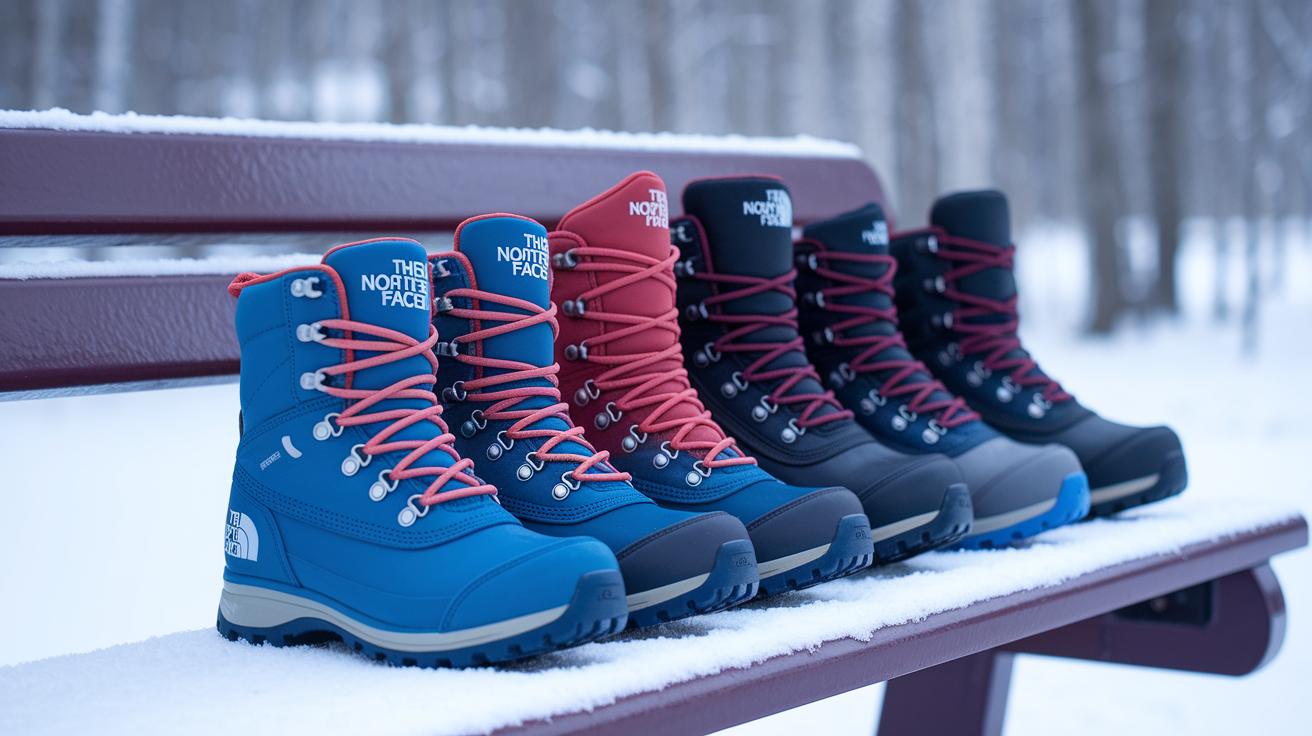
An expert team put 39 winter boots through hours of real-life testing in 2025. They wanted to find work shoes that really keep your feet warm, dry, and steady on icy ground. The tests covered how well the boots hold in heat, block out water, and grip slippery surfaces. This means they checked how long the boots keep you warm, how tough they are, and if they can stop slips when you need them most.
The top picks include:
- The North Face Chilkat V 400 – really warm for cold days
- Baffin Chloe – best overall for women, offering secure footing
- Columbia Bugaboot III – great grip on slippery steps
- Columbia Minx Shorty IV – delivers good value with solid features
- All Saints Flat Combat Boot – mixes a professional look with strong toe protection
Every boot showed strong insulation and a waterproof build that stops moisture even on the wettest days. They have deep rubber grooves in the soles that give a firm grip on ice. Our tests confirmed these details over and over. Whether you have a rainy commute or work outdoors in snow, these boots are built to perform when you need them most.
Winter Work Shoes: Key Features to Keep Feet Safe and Warm

When shopping for winter work shoes, insulation comes first. Many boots use insulation fills between 400 g and 1200 g. A 400 g fill works for milder cold, while a 1200 g fill is best for long shifts in really harsh weather. The insulation keeps warmth in without adding extra weight.
Premium models use waterproof layers like Gore-Tex with sealed seams to block out rain, sleet, and snow. This design helps keep your feet dry and reduces the chill on wet days.
For safety on slippery surfaces, look for boots with sturdy lug-sole traction. Deep rubber grooves provide a good grip, and adjustable closures, whether laces or Velcro, secure the boot for extra ankle support.
Quick tips:
• Wear dry, moisture-wicking socks.
• Warm your boots gradually.
• Avoid over-tightening laces to keep good circulation.
Winter Work Shoes Materials and Comfort Technologies
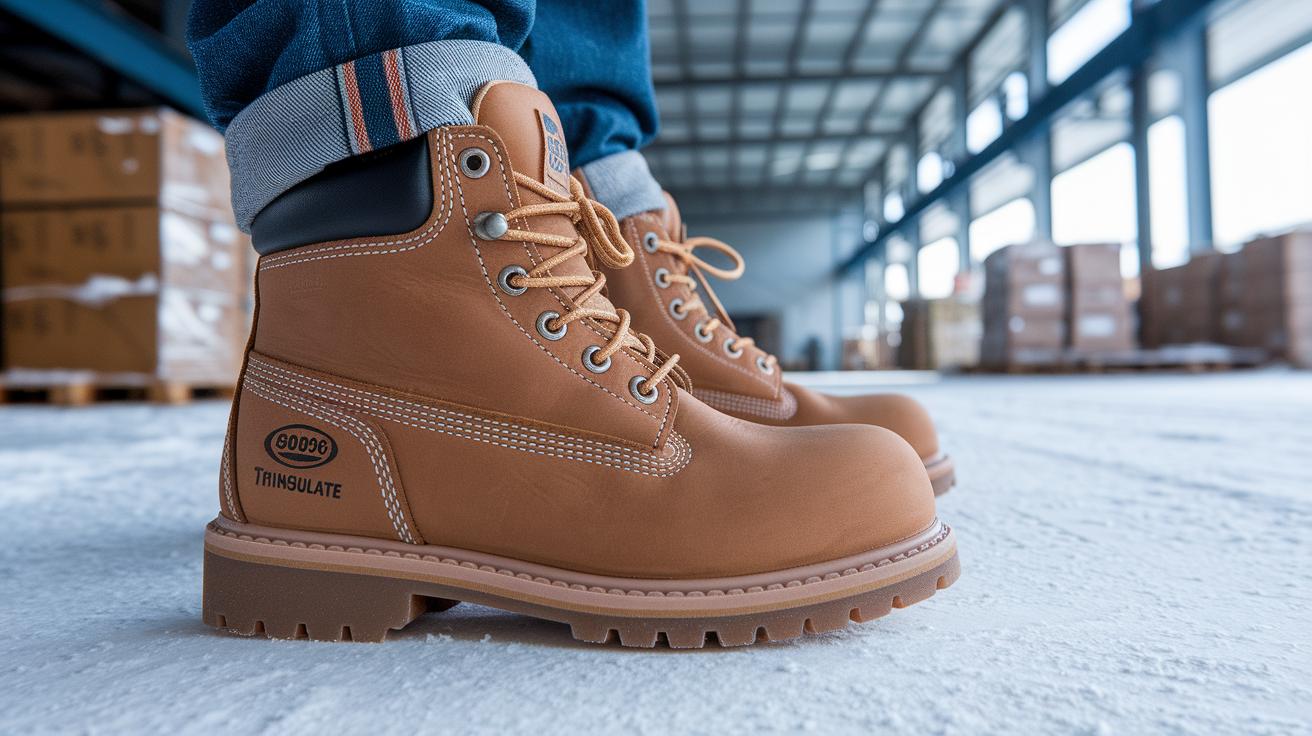
Most winter work shoes come with uppers made from full-grain leather or waterproof synthetic fabrics. These materials pair with breathable membranes that let air in and keep water out, so your feet stay dry and warm during cold shifts. The insulation is key here. Many boots offer synthetic fills (400 g, 800 g, or 1200 g) paired with Thinsulate (a lightweight insulation that traps heat) to lock in warmth without adding too much bulk. Boots with a higher fill work well for long outdoor shifts in tough winter weather.
Midsoles in these shoes are usually made from EVA or PU foam. This soft foam absorbs shock and provides extra cushioning for long days on your feet. They often come with built-in arch support to help reduce fatigue. Additionally, insoles lined with moisture-wicking fleece or mesh keep your feet warm while sending sweat away.
The outsoles are crafted from special rubber compounds that stay flexible even in freezing conditions. This keeps the soles from cracking and ensures a good grip on icy surfaces. The overall design finds the right balance between lightness and durability. With these material choices and comfort features, these boots work hard to keep you cozy and secure all day long.
Winter Work Shoes Pricing and Value Comparison
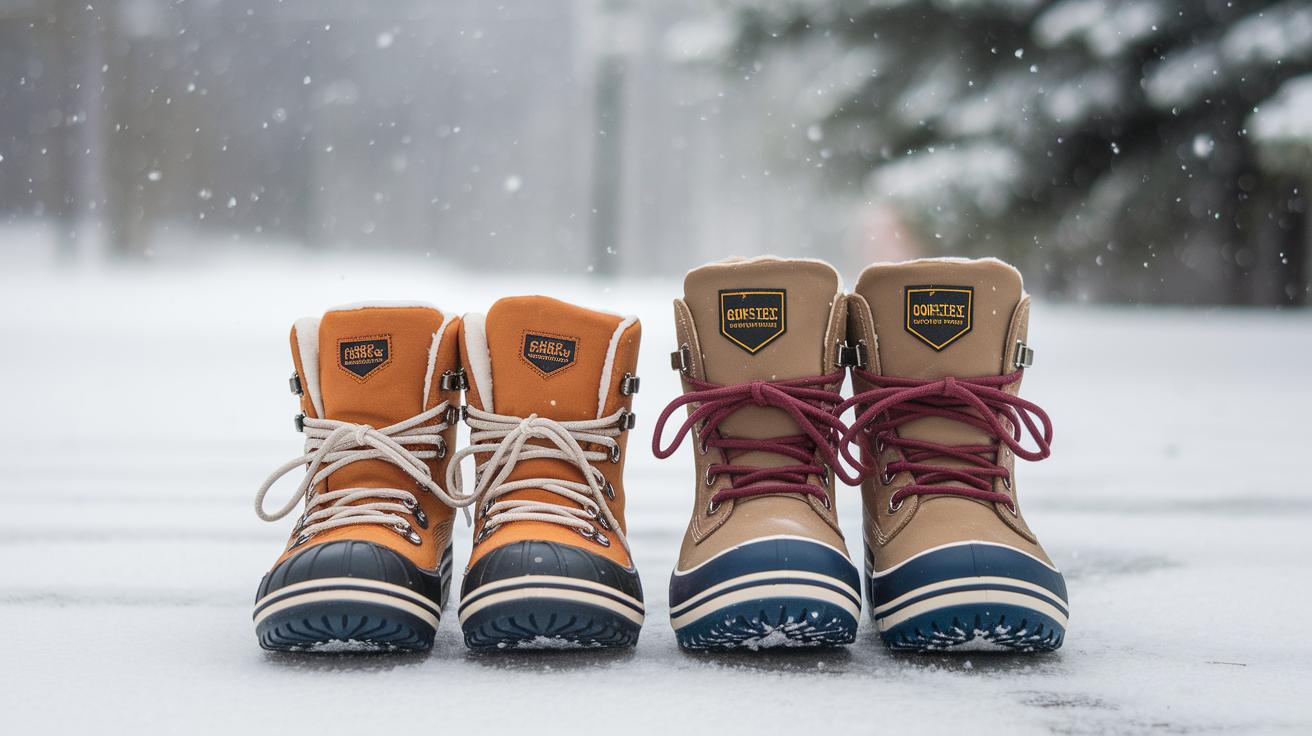
Budget models, costing between $80 and $120, provide basic insulated snow boots made with synthetic fills and molded rubber soles. They work well for short shifts or in mild winters, but they usually last just one season. With a simple design, you end up paying more per use if you wear them often.
Mid-range choices, priced from $120 to $200, include popular options like the Columbia Minx Shorty IV. These boots feature water-resistant Gore-Tex (a fabric that repels water) and an 800 g fill for warmth. They offer a better balance of price and quality, often lasting two to three seasons with proper care. This longer life makes them a smart pick for regular use.
Premium boots, costing over $200 such as the Baffin Chloe at $250, come with advanced features like composite-toe protection, 1200 g insulation, and safety certifications. While the initial price is higher, their durability and lower cost per wear make them a solid investment for those facing harsh winter conditions.
Winter Work Shoes for Different Work Environments
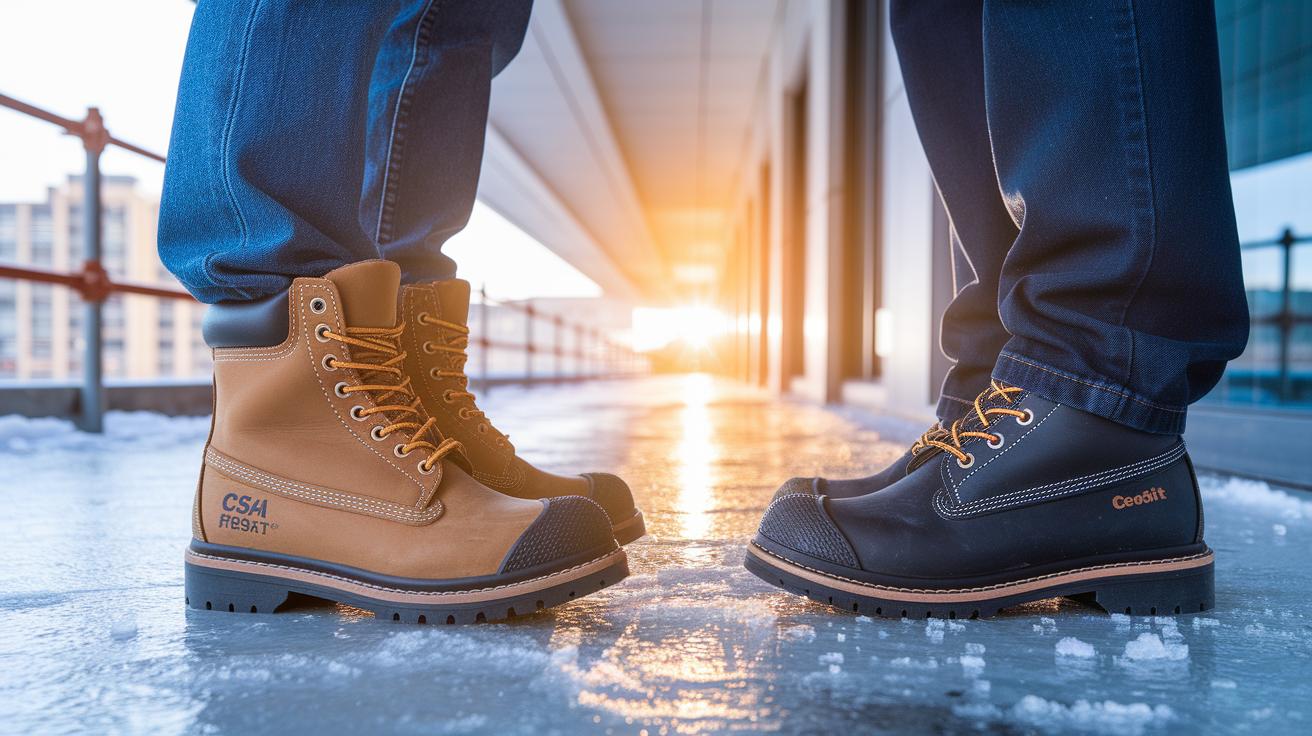
On a construction site, heavy duty frost boots are a must. These boots have composite toes for extra safety and a 1200g fill that keeps your feet warm, even when the conditions are harsh. Certifications like CSA or ASTM show they meet tough standards, making them a solid choice when every detail counts.
In an office setting, business casual winter trainers or formal insulated boots work best. Their low-profile design and solid lug-sole traction mean you get a polished look along with the grip needed for icy walks. They keep your feet warm without sacrificing style during early meetings or after-work events.
For outdoor field work, rugged Arctic boots are a smart pick. Built to handle freezing temperatures, these boots feature deep lugs that firmly grip slippery surfaces. Their waterproof shells add extra protection by keeping out moisture and cold, so you can focus on your tasks without discomfort.
When you face extreme cold that drops to -40°F, go for boots tested for the harshest weather. These models include special cold-resistant membranes and handy fold-over closures to trap heat. The extra insulation and tight construction mean your feet stay warm, no matter how severe the weather gets.
In industrial settings, slip-resistant winter footwear with safety ratings is key. Thermal-lined safety shoes that meet workplace standards provide steady support and traction on slippery, hard surfaces. They are made to handle long hours on tough floors, making them a reliable choice for plant or factory work.
Winter Work Shoes Maintenance and Care Tips
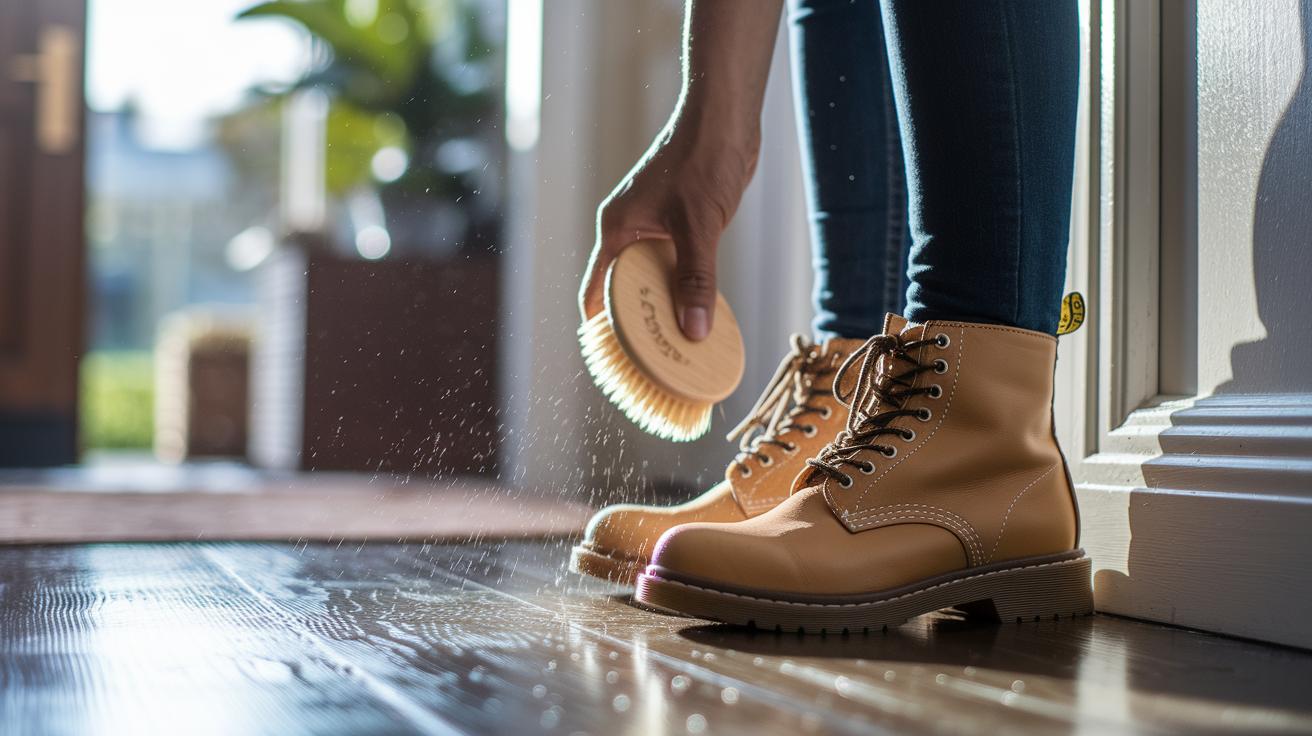
After every shift, take a moment to brush off salt and dirt with a soft brush and a gentle cleaner. This quick step not only keeps your boots looking fresh but also protects the important materials inside. A fast clean after a cold, icy walk can make a big difference.
Once a month, treat your boots with a waterproof spray or a light coat of leather wax. This helps keep water out and makes sure the boot's lining works properly, much like reapplying a raincoat before more rain hits.
Check the treads on your boots often. If you see the grooves are getting shallow or worn, it might be time to swap the outsoles or add slip-resistant plates. This small check keeps your steps secure on slippery surfaces.
Every year, switch out the insoles for moisture-wicking ones and store your boots in a cool, dry place. Warming them slowly on low heat, or using boot warmers, helps protect the insulation so your boots stay ready for the next frosty day.
Final Words
In the action, we dove right into testing options that stay warm, dry, and slip-resistant on icy surfaces. We broke down the features, materials, price points, and care tips that matter most for hard-working feet. Every review focused on delivering clear size, fit, and performance details.
These winter work shoes are built to keep you safe and comfortable, no matter the weather. Enjoy feeling confident with footwear that meets the challenge head on this cold season.