

Can Your Favorite Shirt Handle Daily Wear?
Ever wonder if your go-to shirt can stand up to everyday use? We created an easy at-home test to find out if your clothes hold their shape, texture, and fit after several washes.
Follow these five simple steps to check your favorite items:
- Look for any shrinkage after washing.
- Inspect seams for twists or misalignment.
- Feel the fabric to see if it stays soft and smooth.
- Check for changes in how the clothes drape.
- Compare the fit before and after washing.
This guide gives you a clear way to learn if your wardrobe is durable. Save yourself extra trips to the laundromat and spend less money on repairs by finding your clothes' hidden strengths and weaknesses.
Stepwise Home Clothing Integrity Test Overview
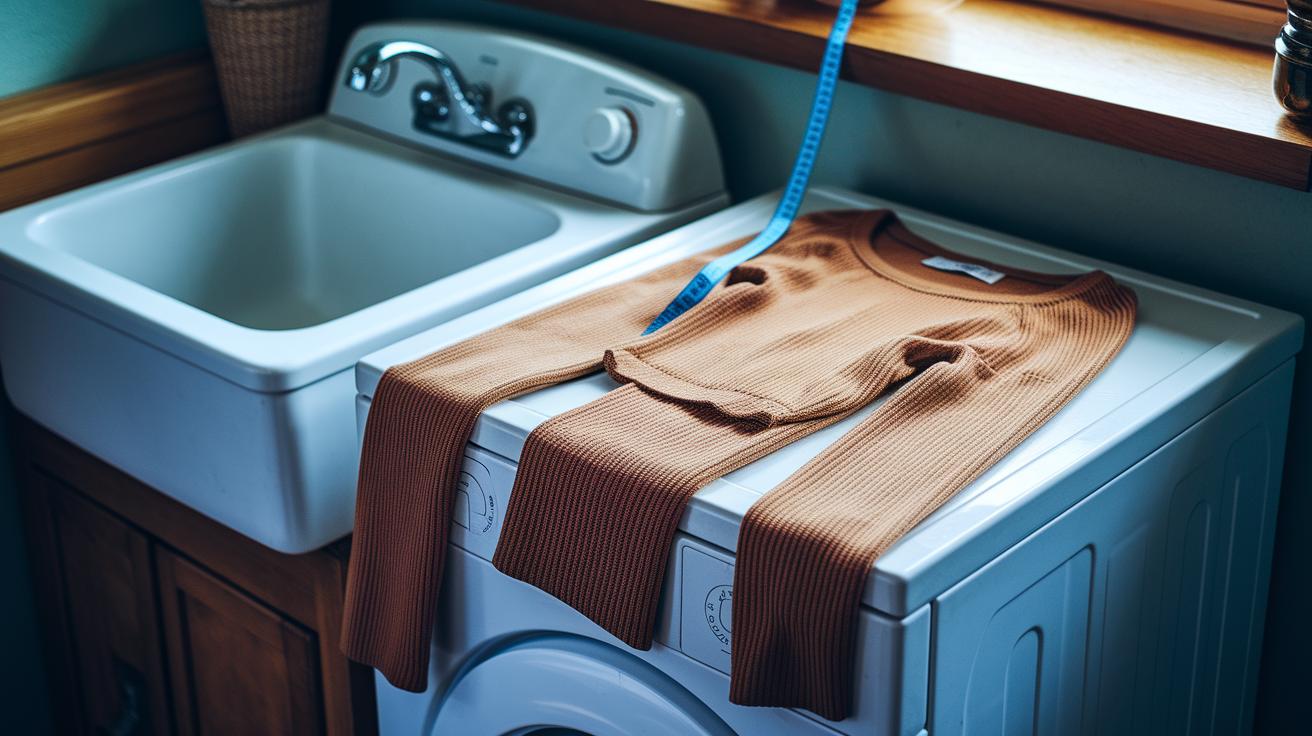
Testing your clothes at home is a simple way to see if they can handle everyday wear and many washes. This method shows you if a piece shrinks a bit after washing, twists along a side seam, or loses its proper shape. It helps you check if the garment still hangs, drapes, and fits as it should after a normal load in a top-loading washer.
This home test lays out clear steps to judge fabric stability and overall look. You will check for consistent shrinkage, spot any twisting during the wash, and make sure the garment keeps its intended appearance. Record any changes in measurements or small shifts in fabric behavior after several washes. Using this approach gives you useful insights into your wardrobe's durability before putting your clothes to long-term use.
Tools and Setup for DIY Apparel Screening at Home
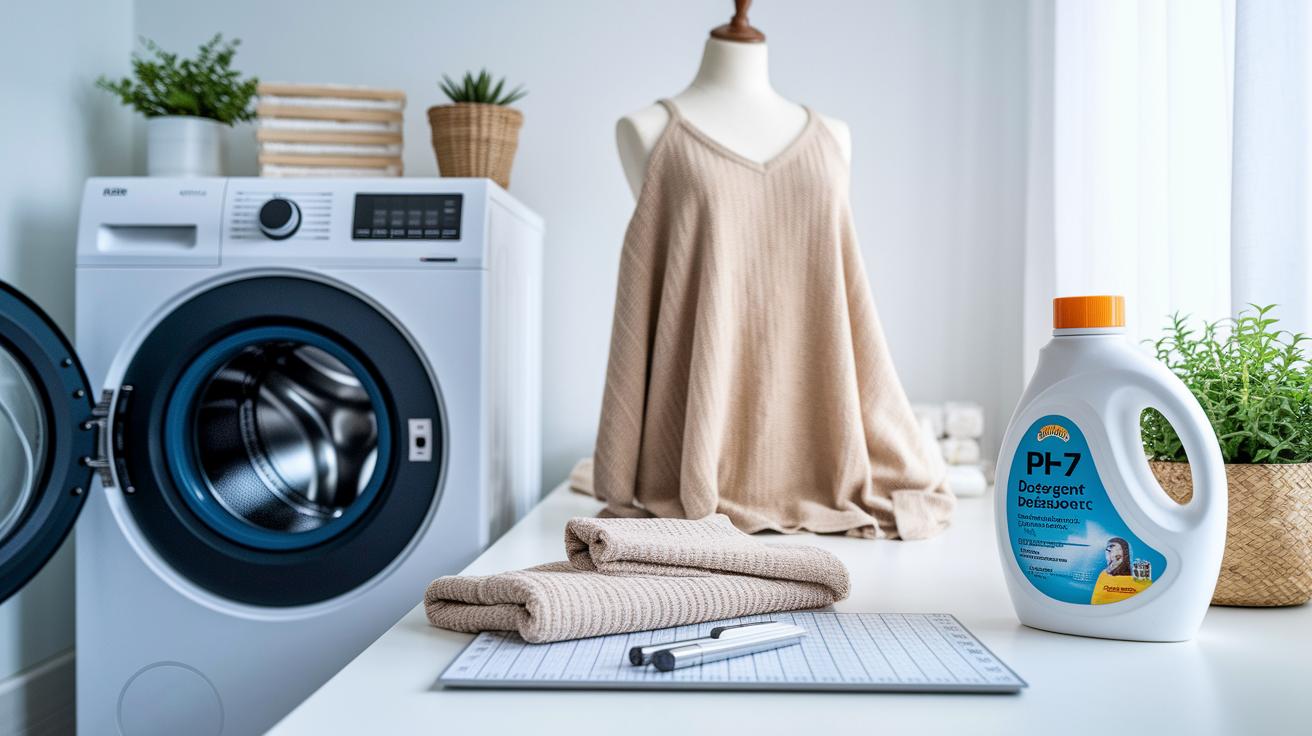
Start by finding a bright, clutter-free workspace where you can easily reach all your tools. Set up your area carefully to prevent spills and accidents. Choose a quiet spot so you can focus on checking how well your fabric holds up without interruptions.
- Washing machine type: Use a front-loading machine. This type mimics everyday laundry conditions better than top-loaders.
- Detergent: Pick a regular detergent with a pH between 7 and 9. It works best with cotton and other natural fibers.
- Measuring tools: Have your tape measures, rulers, and kitchen scales ready. These help you accurately track any changes in your garment.
- Marking pens: Use these pens for making temporary marks on fabric before testing twists or spirals.
- Weight bag: Use a weight bag to add a steady load during stress tests.
- Grey scale card: This card helps you compare the fabric color before and after washing to check color fastness.
- Calibration weights: Keep these nearby to ensure your scales and measuring tools are accurate.
Set up your testing station with all these items within reach. This makes it easier to follow your fabric checks and rules out issues like hard water that can skew your results.
Procedural Step-by-Step Home Apparel Integrity Tests
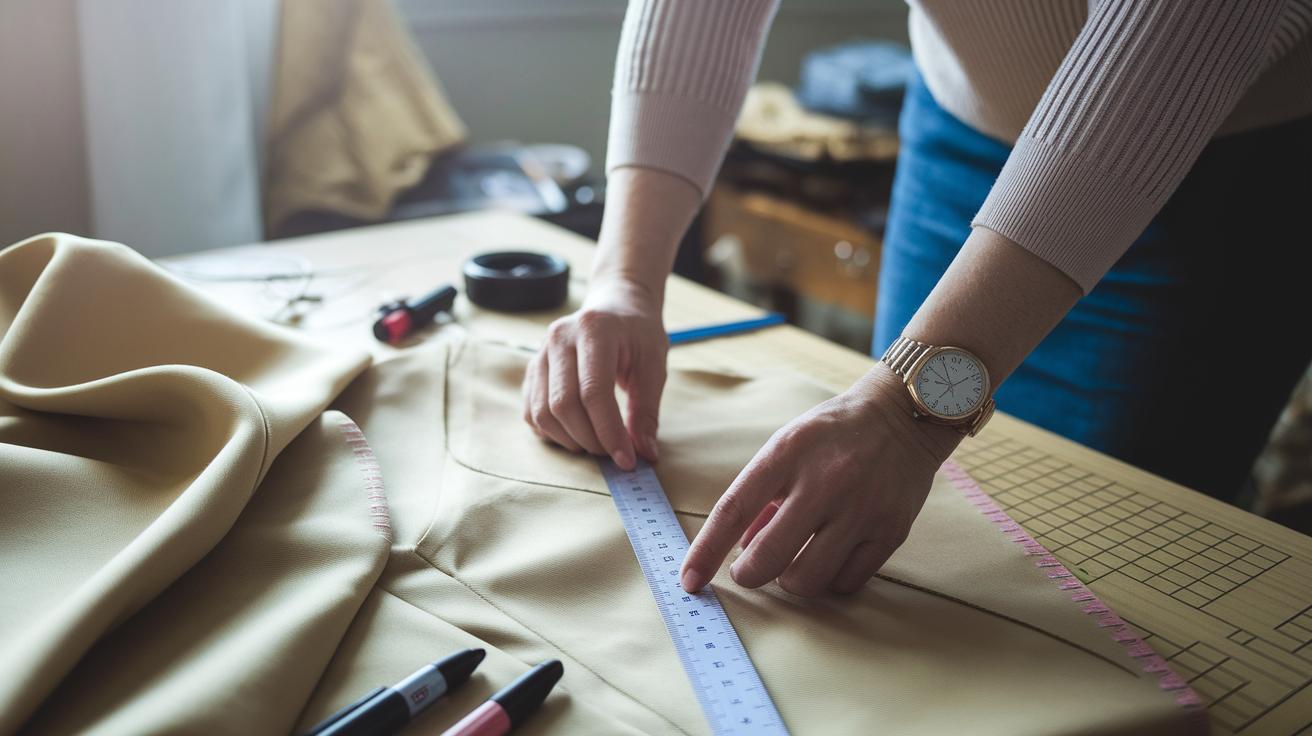
Start by measuring the key parts of your garment before you wash it. Mark a few reference points and note the measurements. Then wash the garment and measure again. By comparing the two, you can see if the fabric keeps its shape or if it shrinks a bit.
Use a washable pen to mark a side seam before washing. When the cycle is done, check the mark to see if the fabric has twisted or spiraled. A very slight change means the garment holds together well for everyday wear.
After washing, lay the garment flat on a smooth surface and take a good look. Check if the width is even and that the hemline isn’t skewed. A neat, balanced look after drying shows that the fabric maintains its intended shape.
Gently rub the fabric in controlled cycles to mimic everyday use. This simulates the wear and tear of daily routines. Look for loose threads or any signs that the fabric might be weakening. It helps you gauge how durable the material really is.
Pull on the fabric with a steady, measured force to see how it holds up. If the material resists tearing under pressure, it is strong enough for regular stress. This simple test can show you if the fabric will last through plenty of wear.
Wash the garment using a regular detergent at a set temperature like 40 °C or 60 °C. Then check for any fading or color bleeding. If the color stays true after few washes, you know the fabric is built to hold up over time.
| Test Method | Key Steps | Expected Outcome |
|---|---|---|
| Dimensional Stability | Measure pre- and post-wash dimensions | Less than 3% shrinkage |
| Torque (Spirality) | Mark seam; assess twist post-wash | Minimal twist |
| Bow and Skew | Lay flat and inspect alignment | Even, balanced appearance |
| Abrasion Resistance | Rub fabric with controlled cycles | Stable surface with low wear |
| Tear Strength | Apply standardized pull on fabric | High resistance to tearing |
| Color Fastness | Wash under controlled conditions | Minimal fading or bleeding |
Interpreting Results: Criteria for Home Fabric and Stitching Performance
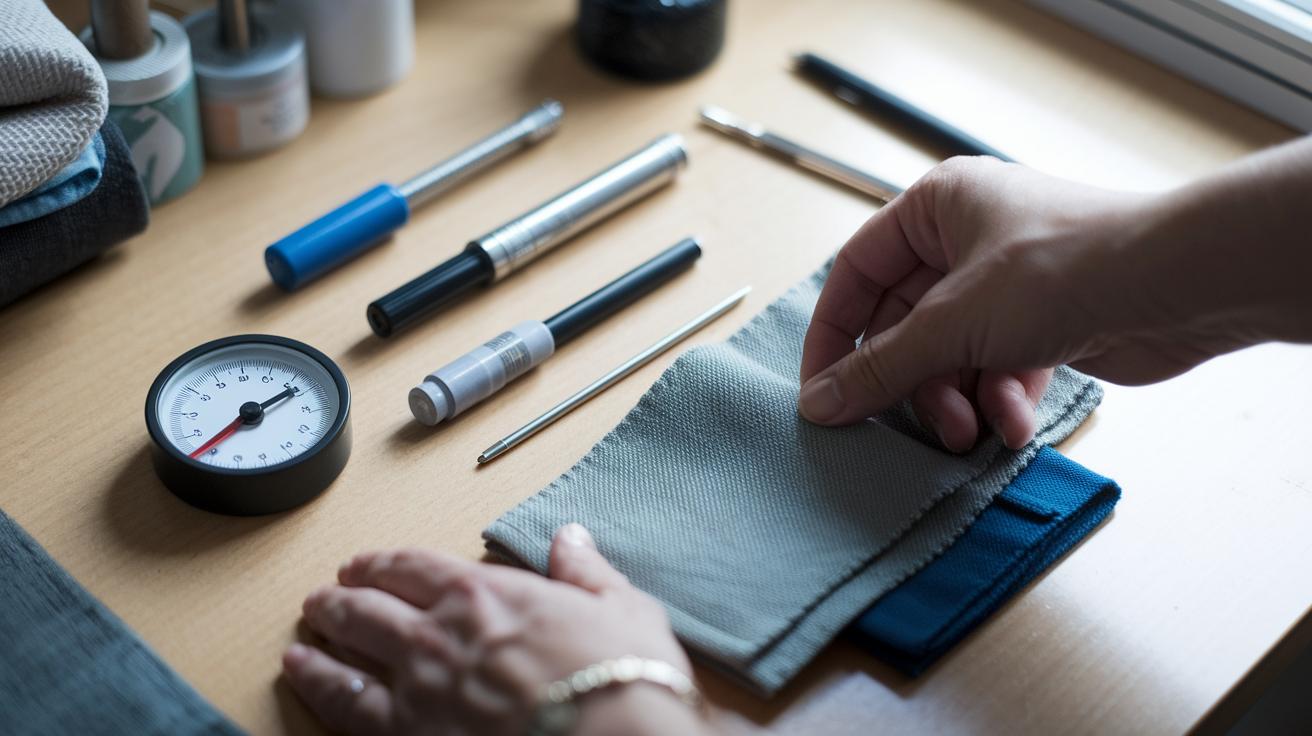
When you test your clothes at home, watch the numbers carefully. For example, after 5 to 10 washes, if the shrinkage stays below 3%, the fabric is holding its shape well. Also, if the torque change remains under 5° (a measure of the twist), the garment keeps its intended shape without too much spiraling. And when the tensile strength (how much force the fabric can take) stays close to the original value, you know the fabric still works under stress.
Next, check the fabric's look and feel. Look for any pilling (those little fiber balls) or snags that might hurt the surface. A pilling score of 4 or better on the grey scale means the fabric resists wear well. Also, notice any changes like uneven texture or the material not laying right. These signs help you tell if the stitching is still strong after many uses.
It is also important to see how the color holds up. Compare the fabric's color before and after many washes using simple benchmarks like ISO 105-C06 and AATCC 61 (standards for measuring color change). This test shows if the dye is well-bonded to the fibers or if there is any noticeable fading or staining. These checks give a clear review of the overall fabric and stitching performance.
Troubleshooting Common Home Clothing Integrity Test Issues

Different washer models can put extra strain on your equipment during testing. This extra stress might lead to false calibration errors that change your results. Before each test, take a moment to make sure your equipment works the same every time. Even small shifts in performance can throw off your measurements, so regular checks keep things reliable.
Reading grey scale results can be tricky because everyone sees them differently. Changes in lighting or personal judgment can lead to mixed results. Using photo guides or reference images can help you compare more fairly and reduce mistakes when checking for pilling or color changes.
Water quality and the weather can also affect your tests. Hard water can make fabrics feel stiffer or cause dyes to run unevenly, and changes in temperature or humidity can change how materials dry. Keep notes on these environmental factors and record them carefully. This habit helps you spot any issues and makes your testing more accurate.
When Home Clothing Integrity Tests Reach Their Limits: Seeking Professional Evaluation

Testing clothes at home can be quick and easy, but it does not always give you the full picture. Home methods often miss small details like tiny shifts in color or slight changes in texture. Professional labs use tools like spectrophotometry (a way to measure color accurately) and high-resolution imaging to catch these details. They also use advanced techniques such as nanotech tests for how well a dye sticks and computer models to predict wear over time. This means they can provide more reliable results.
Sometimes, you really need expert help. When you are launching new designs or if your clothes must meet strict safety standards, professional testing can help you avoid costly mistakes. Expert labs can uncover hidden flaws and check for uneven wear that home tests might miss. This extra care ensures that your garments are up to the task for a major market or high-performance use.
Final Words
In the action, we broke down the sequential apparel evaluation into hands-on steps. We explained how to use everyday tools and a common washing machine to mimic real-life wear. We shared why testing for shrinkage, twist, and color fastness matters, and how each test gives you practical insight into your clothing’s durability.
By following this step-by-step clothing integrity test at home, you can shop smarter and build a wardrobe that truly lasts. Enjoy the confidence that comes with knowing your clothes stand up to real-world wear.
FAQ
Q: What is the step by step clothing integrity test at home free and for men?
A: The step by step clothing integrity test at home free, also used for men’s garments, guides you through simple evaluations of fabric durability, shrinkage, twist, and overall quality using common household tools.
Q: What does a fabric burn test chart show?
A: The fabric burn test chart shows how various fibers react to flame by detailing burn speeds, residue types, and scents. This helps in identifying material composition easily.
Q: What information does a burning test of fibres PDF provide?
A: The burning test of fibres PDF provides clear, step-by-step instructions for safely burning fabrics. It explains flame behavior, residue differences, and how to identify fiber types using detailed guidelines.
Q: What occurs during a burning test of silk?
A: The burning test of silk shows that silk burns slowly with a self-extinguishing flame and leaves a brittle ash. This behavior confirms the fabric’s authenticity and quality.
Q: What do fabric burn test results indicate?
A: The fabric burn test results indicate key material properties like burn rate, smell, and ash texture. They help in confirming fabric types and assessing the quality of garments.
Q: What are typical wool burn test results?
A: The wool burn test results reveal that wool burns slowly, tends to crinkle, and produces a distinctive smell with a crisp ash, confirming wool content and overall fabric performance.
Q: How does a burn test on cotton work?
A: The burn test on cotton works by exposing a fabric sample to flame, showing a steady burn with a soft, gray ash and a smell similar to burning paper, which distinguishes it from synthetic fibers.
Q: How can you test if clothes will bleed?
A: Testing if clothes will bleed involves dampening a small section of fabric and pressing a white cloth against it. Any transfer of dye indicates potential bleeding during washing.
Q: How do you test clothes for toxic chemicals?
A: Testing clothes for toxic chemicals uses specialized kits designed to detect harmful substances. This approach offers a practical way to assess the safety and chemical content of garments.
Q: How do you check the color fastness of fabric at home?
A: Checking the color fastness of fabric at home involves washing a small sample with mild detergent and observing any fading or color transfer to assess how well the color holds up.
Q: How can you test the quality of clothes at home?
A: Testing the quality of clothes at home includes evaluating fabric strength, measuring shrinkage, and inspecting seams and overall durability, allowing you to make a confident and informed purchase decision.