

Ever wonder why some vintage pocket watches are special? Our guide explains everything in simple words. We break down every detail, from the smooth movement powered by rubies (tiny gems that help the watch run) to the authentic look of the dial and case. We also show you what to check for to know if a watch is a true collectible. With clear, step-by-step tips, even if you're new to collecting, you can easily spot these timeless treasures.
Core Criteria for Rating Vintage Pocket Watches
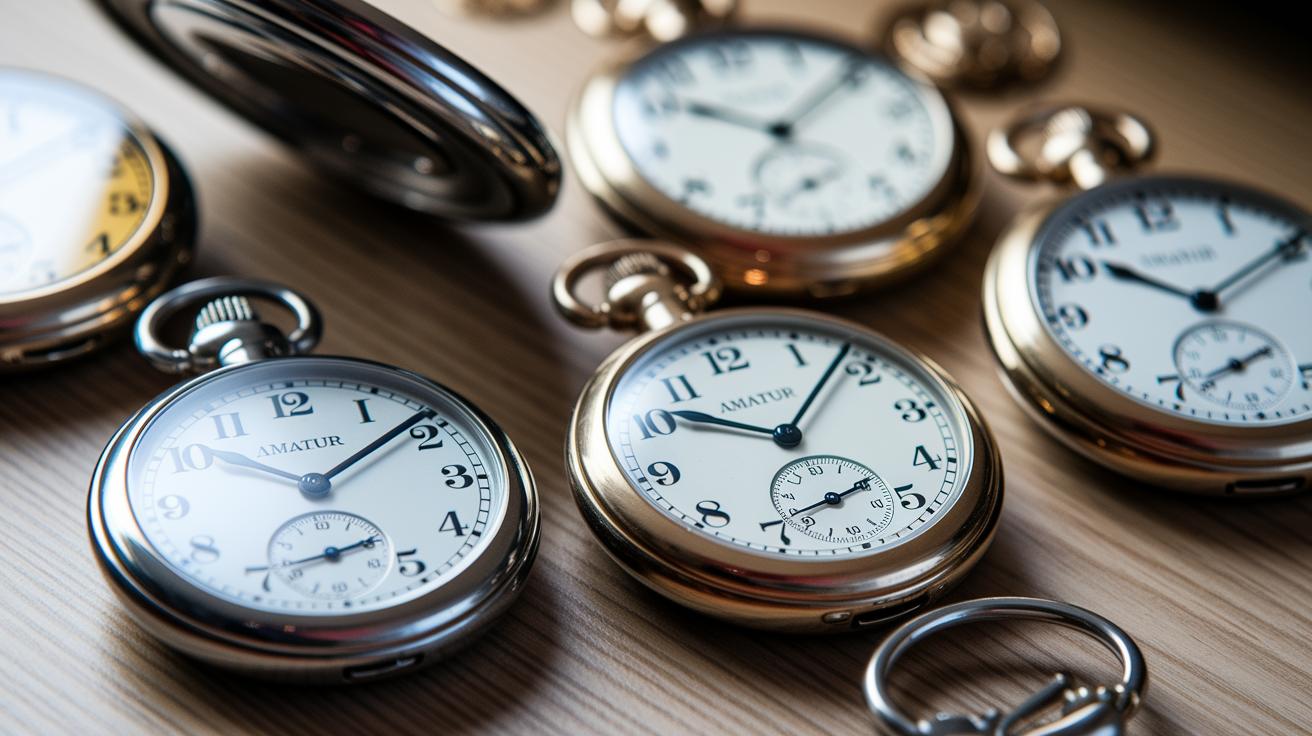
Rating vintage pocket watches relies on a clear system that looks at all the key points of each watch. We break things down into technical details like movement type and jewel count and the look and history of the piece. This helps collectors, restorers, and fans make smart choices about how well the watch works and its value over time.
We check things like the number of rubies in the movement (rubies are small jewels that help the gears move smoothly). For instance, a watch with 21 rubies tends to run with less friction. We also look at the movement size based on its diameter, which tells us more about the watch’s design and its intended use.
Next, we compare movement types by marking whether it is a classic key-wind or a key-set model, or if it’s adjusted in multiple positions to keep good time. We also carefully inspect the dial. Cracks or signs of repainting can lessen a watch’s appeal by tainting its original look. Similarly, the case is examined for dents or worn plating; these details signal past handling or restoration work.
We round out our rating with a look at rarity. Watches produced in limited numbers or those with unique features add to their collectability and value. By using this clear set of criteria, we give a fair score that helps buyers appreciate both the technical mastery and the timeless charm of vintage pocket watches.
Historical Evolution and Significance in Vintage Pocket Watch Appraisals
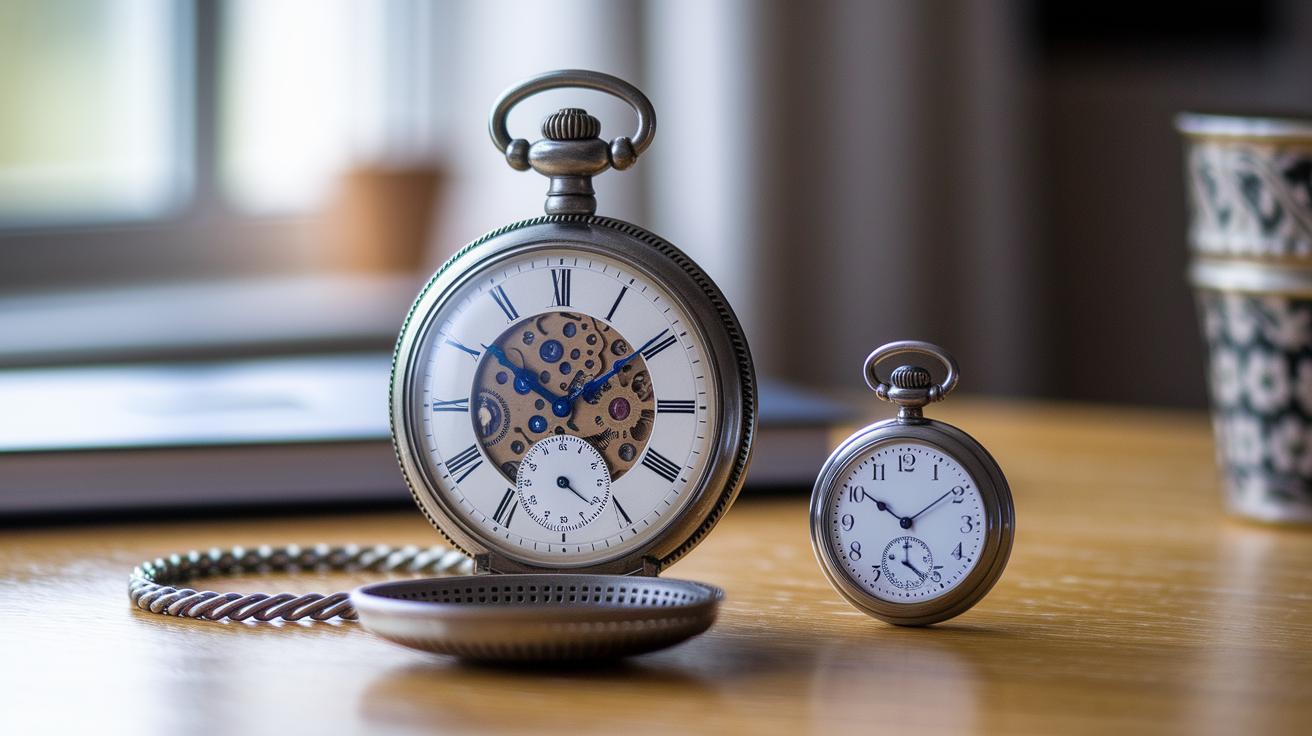
In the early 1500s, pocket watches were big, heavy clocks powered by springs. They were made mainly for keeping time, not for looking pretty. The focus was on workability, and that set the stage for how watches would change later.
By the 1600s, skilled makers shrank these watches into pieces you could actually carry. They improved the gears and trimmed down the cases, so the watches became both reliable and a bit stylish. This was when a practical tool started to turn into a personal accessory.
In the 1800s, pocket watches were built to tougher standards for railroads and the military. They tweaked the inner workings (called movements) to boost accuracy and strength. These updates proved that pocket watches could handle hard conditions.
Today, a watch’s story, the era it comes from and its special features, is key to its value. Many collectors prize these timepieces for their careful design and rich history, seeing them as lasting symbols of both technology and art.
Authenticity Verification Techniques for Vintage Pocket Watches

Inherited vintage pocket watches without any paperwork can hold surprises. Without proper documentation, you may find that some parts were replaced or fixed later, which might lower the watch's value. It’s important to check every detail to know you have a genuine piece of history.
Here are some simple steps to help you verify your watch:
- Look at the maker's marks on both the case and the movement.
- Check the serial numbers against brand records.
- See if there are any parts that don’t match the original time period.
- Look for a certificate that meets authenticity standards.
- Read through any service history documents.
- Consider asking a trusted expert or third-party grader for help.
If you are a collector or just evaluating a family heirloom, you might want to get professional archival research when the watch’s background is unclear. Experts can dig through manufacturer records, check maker's marks, and review past repairs. Their advice can catch even small changes that might affect how the watch works or its value in the market. Combining these steps with professional help makes sure every detail, from the movement engravings to the original packaging, is carefully checked.
Evaluating Movement and Precision Mechanics in Vintage Pocket Watches
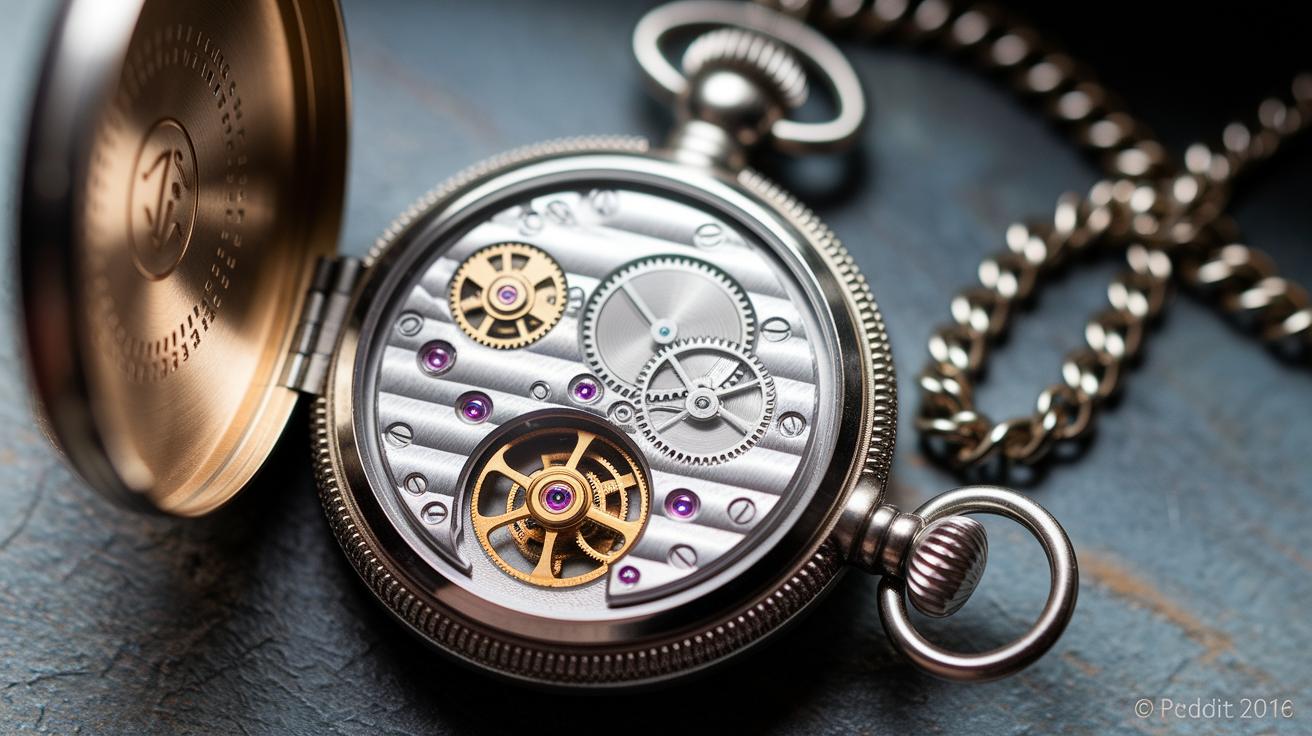
The movement is the heart of any pocket watch. It drives the timekeeping and makes sure the watch runs smoothly. Older models need an external key to wind or set the time. Over time, makers improved designs so the watch stays accurate no matter how you hold it.
Collectors check for smooth rotating bearings and look at the number of jewels (small stones that reduce friction) in the movement. Watches with 15 or 23 jewels usually run smoother and show better craftsmanship. Some models even say "Adjusted to X Positions," which means they have been tuned to work well whether the watch is held upright or on its side.
This careful tuning matters to those who love the history of these pieces and still want them to work well today. Giving the movement a simple check can tell you about the watch’s past care and hint at how reliable it will be in the future.
| Movement Type | Key Feature | Typical Jewel Count |
|---|---|---|
| Key-wind/key-set | Needs an external winding key | 7–15 |
| Adjusted movements | Works well in many positions | 15–23 |
| Railroad-grade | Made for high accuracy | 21–23 |
For a quick at-home test, listen closely to the ticking. A steady tick means the movement is keeping time well. If the tick sounds uneven, it might need a professional adjustment.
Assessing Condition and Grading Systems for Vintage Pocket Watches

Start by giving the watch a good look. Check the dial closely for tiny cracks or spots where the paint might have been touched up. Then, examine the case for dents, areas where the finish has worn off, or signs that someone fixed it before. Aged patina on brass or silver can be pretty, but the overall wear tells you more about its true value.
| Grade | Description | Value Impact |
|---|---|---|
| Mint | Perfect finish, no wear | +20–30% |
| Excellent | Minor hairlines, light wear | +10–15% |
| Good | Noticeable scratches, slight dents | Steady base value |
| Fair | Major wear, restore needed | -20–30% |
It is key to write down what you find in a clear report. Note every scratch or preserved polish on the dial and case. Use the grading list as a checklist to stay consistent. For example, if a watch has small cracks and a little repaint, list it as Excellent instead of Good to match its overall state. Snap detailed photos and record measurements so that your notes can back up your grading later. This careful approach not only tells buyers about the watch's condition, but also points out areas that could benefit from a little restoration or be celebrated as part of its original charm. Always compare your grading with standard guides so your report fits well in the market context.
Market Value Calibration and Rarity Factor Assessment for Vintage Pocket Watches
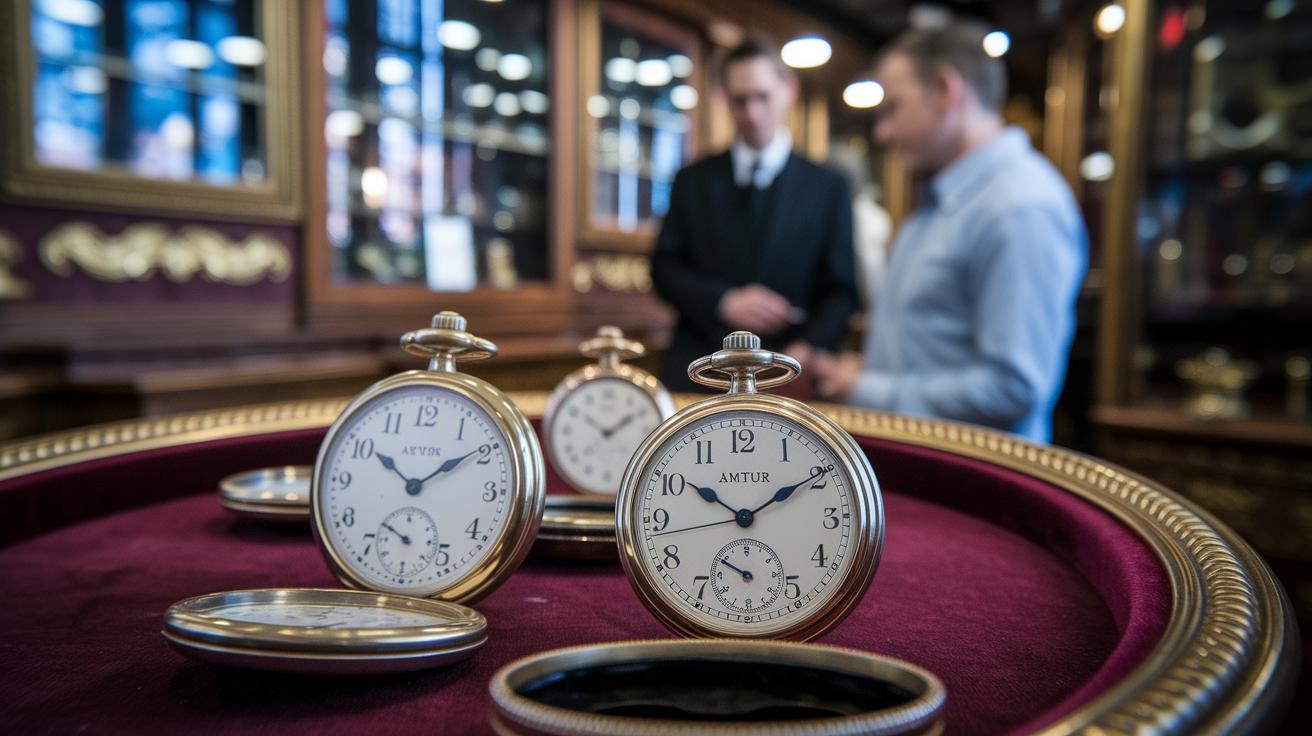
Vintage pocket watch prices depend on how many are available and how many collectors want them. Things can change quickly. How rare a watch is and the interest from collectors both play a big part in setting its price. Small production runs and a strong name often push prices higher.
Collectors tend to look for watches from trusted model lines with a solid track record at auctions. For example, models like the Hamilton 992 or Waltham Vanguard set the standard for others to follow. Observing these trends shows how low production numbers and special features create high demand, which can push a watch's price up into premium territory rather than being a bargain.
Key points to consider:
- Brand and model pedigree
- Production numbers and serial ranges
- Complication rarity (features that make the watch more complex)
- Auction versus retail sale data
- Condition-adjusted comparables
It also helps to stay connected with collector groups and online forums. Their quick updates give you real-time feedback on how specific models are doing. This insight lets you adjust your expectations based on fresh market data, which is key for making smart choices in the world of vintage pocket watch collecting.
Restoration Versus Preservation Impact on Vintage Pocket Watch Value

Collectors often have to decide how to care for their vintage pocket watches. A full restoration replaces worn parts and gives the watch a fresh, modern look, but it can also take away some of the original charm that collectors love.
Some collectors choose a careful conservation approach that keeps the watch's original feel. This means preserving its factory finish and keeping the patina that tells its history. Having detailed service records from a trusted watchmaker can help build confidence in this method.
| Approach | Advantages | Drawbacks |
|---|---|---|
| Full Restoration | Uses new parts and gives a like-new look | Might lose some original details |
| Conservation | Keeps the original finish and patina | Shows signs of wear |
Collectors should think about their long-term goals when choosing a method. If you want a neat, updated look and don't mind replacing original parts, full restoration might work best. But if keeping the watch's history and original details is more important, a careful conservation is the way to go.
Case Study: Applying Grading Standards to a Hamilton 992 Railroad Pocket Watch
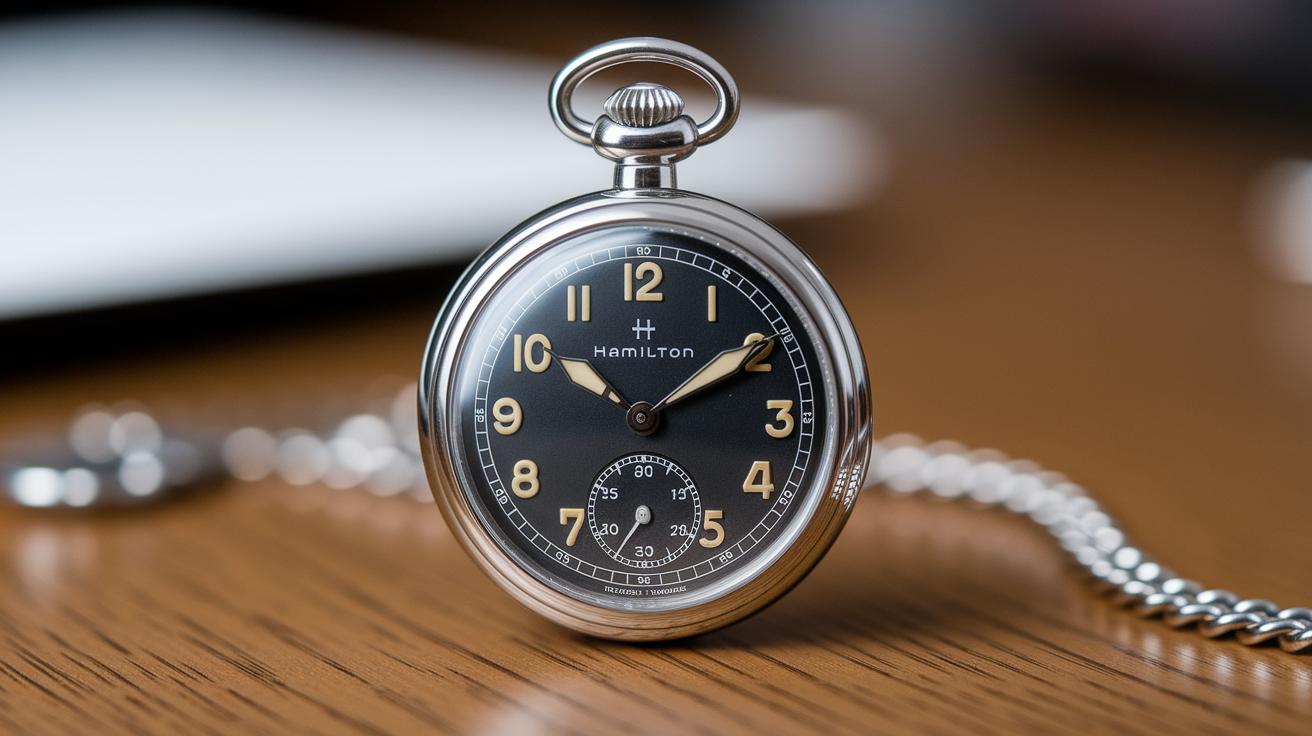
The Hamilton 992 is a vintage pocket watch with a long history built into its design and function. Introduced in the early 1900s, it meets strict railroad standards with its 21-jewel movement (jewels are little bearings used to reduce friction) and adjustment in six different positions. Its 16s size, robust nickel case, and classic black railroad dial make it a favorite among collectors.
Model Overview
This watch runs on a 21-jewel movement that helps reduce friction, which means its gears move more smoothly and keep better time. Its 16s size fits the tight demands of railroad inspectors, proving that it was built for precision and durability.
Rating Walkthrough
To give the Hamilton 992 its final grade, experts follow a clear, step-by-step method. First, they check that the movement meets all the technical specs like the 21 jewels and six-position adjustment. Next, they inspect the dial for any cracks, repainting, or wear, and they carefully examine the case for dents or worn plating. They then use a simple at-home beat-rate test to see if the watch keeps time accurately. Finally, they compare its condition and performance with recent auction results for similar models to confirm its value.
- Verify movement details such as the 21 jewels and six-position adjustment.
- Inspect the dial for any signs of damage or repainting.
- Check the case for dents or the loss of plating.
- Perform a beat-rate test to assess timekeeping accuracy.
- Compare recent auction results and market trends for similar Hamilton models.
Overall, the Hamilton 992 scores high. Its excellent craftsmanship and reliable performance make it a strong collectible with a proven legacy in vintage timekeeping.
Final Words
In the action, we broke down the critical factors for rating vintage pocket watches. We explored jewel counts, movement types, dial and case conditions, and rarity to build a solid guide to rating vintage pocket watches. We also covered authenticity checks, market value calibration, and the balance between restoration and preservation. Each part is key for making well-informed decisions and avoiding costly mistakes. Our hands-on approach helps you appreciate the unique character and heritage of these age-old devices. Enjoy your search for that standout timepiece!
FAQ
What does a guide to rating vintage pocket watches include?
A guide to rating vintage pocket watches explains key factors like jewel count, movement type, adjustments, dial and case condition, and rarity. It comes in formats such as PDFs and is aimed at helping buyers assign value.
What does the pocket watch grade chart mean?
The pocket watch grade chart shows conditions from Mint to Fair. Higher grades signal minimal wear and a strong original finish, while lower grades point to evident scratches, dents, or restoration work that may lower value.
What are vintage pocket watch hallmarks?
Vintage pocket watch hallmarks are maker’s marks that indicate the manufacturer, production date, and sometimes the country of origin. These marks help verify authenticity and guide collectors in determining value.
What does a pocket watch database provide?
A pocket watch database organizes detailed specifications like brand information, serial numbers, and historical data. This tool allows collectors and buyers to compare models and check authenticity easily.
How can I tell if a vintage pocket watch is good quality and worth money?
Good quality and value are determined by testing movement precision, reviewing dial and case condition, checking hallmarks, and using a detailed grading system. Reliable mechanics and minimal wear indicate a worthwhile piece.
What do the grades of pocket watches mean?
Grades indicate the overall condition. High grades denote watches with minimal flaws and excellent functionality, while lower grades mean noticeable wear, which can significantly impact a watch’s market price.
What are good vintage pocket watch brands?
Good vintage pocket watch brands often include Hamilton, Waltham, Elgin, and Illinois. These brands are known for their robust build, accurate movements, and collectible historical significance.