

Ever notice your favorite shirt losing its shape after a few washes? It happens to the best of us, but a few simple steps can keep your clothes looking great for longer.
We put together a guide that covers everyday care tips, quick fabric tests (to see how well your cloth bounces back), and smart repair tricks that save you time and money. From sorting colors properly to checking how your fabric recovers from a wash, these easy hacks can keep your wardrobe fresh and lasting.
Give these tips a try, and you might be surprised how a few small changes can boost your clothes' durability and everyday style.
Essential Steps for Practical Clothing Maintenance and Testing
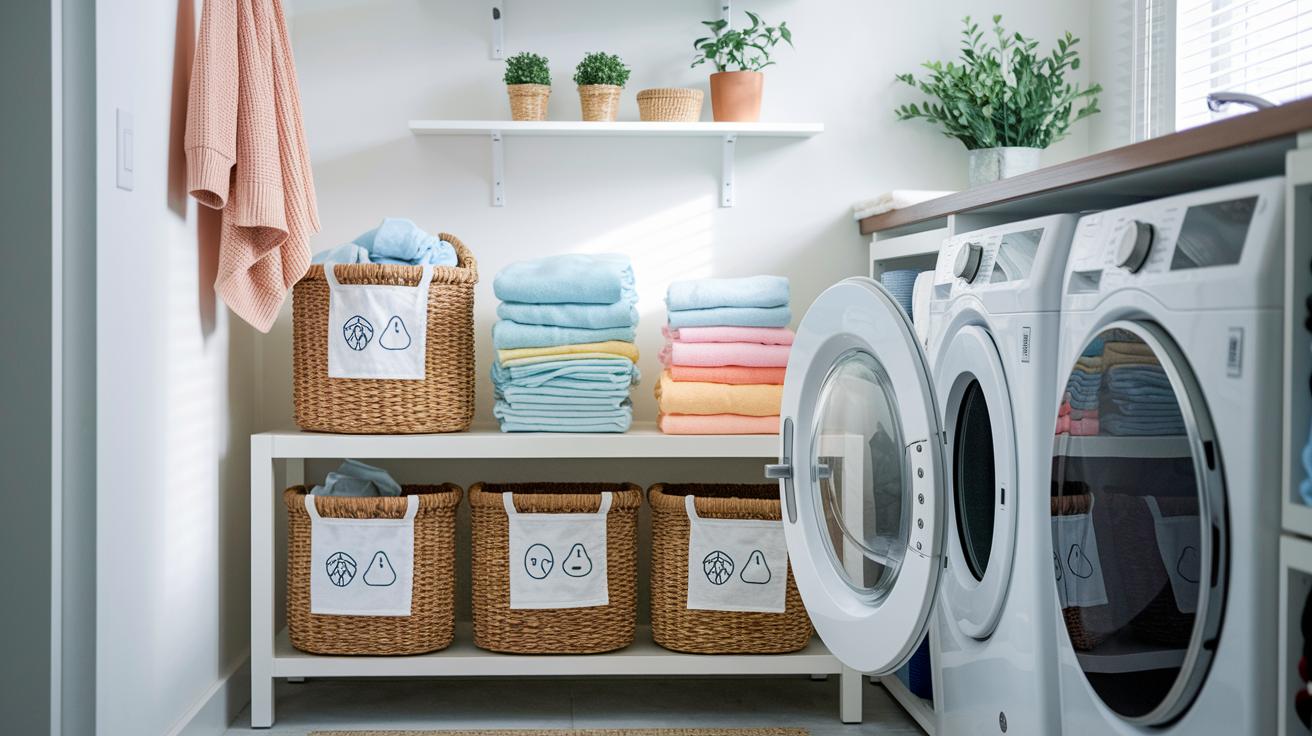
Taking care of your clothes is easy once you set up a basic routine. A regular care plan keeps your outfits fresh and helps them last longer, saving you time and money. It also stops issues like color bleed, shrinkage, or fabric damage before they start. For instance, a laundry symbol with one dot means a cold, gentle wash, while three dots call for a hotter cycle.
- Sorting: Divide clothes by color, fabric type, and washing temperature.
- Cleaning: Choose the right detergent and water setting to keep fabrics soft and strong.
- Testing: Check at home by rubbing a damp white cloth on a hidden spot to spot any dye transfer and gently stretch a fabric strip to see how well it recovers.
- Repairing: Fix small things like loose seams or missing buttons right away.
- Storing: Hang or fold your clothes properly using the right hangers or storage bags to prevent damage.
Adding these simple checks to your routine helps you catch wear early. It lets you adjust your washing habits for delicate fabrics and keeps repairs to a minimum, ensuring your wardrobe stays reliable and stylish every day.
Fabric-Specific Maintenance Techniques for Different Garb Materials

Different fabrics need special care to keep them looking their best. Using the right water temperature, detergent, and drying method can help your clothes last longer and stay bright without issues like shrinking or color fading.
Cotton Care
For cotton pieces like poplin, denim, and muslin, wash them in warm water to get rid of stains. Choose a detergent that cleans well but skips harsh chemicals. Dry these items by tumble drying on low heat or by air drying to prevent shrinkage. When you iron, use moderate heat or a bit of steam so the wrinkles smooth out without damaging the fabric.
Linen Care
Linen is tough but tends to wrinkle easily. Wash your linen in cold or lukewarm water with a gentle detergent. It is best to air dry linen to keep its natural, breathable feel and to avoid extra creases. If you need to iron it, use low heat or a light steam to smooth out wrinkles while keeping the fabric’s strength intact.
Wool Care
Wool fabrics, like merino, alpaca, or yak, do best when washed in cold or lukewarm water with a detergent made for wool. Wash by hand or use a gentle cycle to steer clear of felting. Lay wool garments flat to dry instead of using machine heat. When ironing is necessary, opt for a low steam setting and use a light hand.
Silk Care
Silk wants a gentle approach. Wash it by hand or use a gentle cycle in cold water with a pH-neutral detergent (one that does not change the fabric’s natural pH). Air dry by either laying flat or hanging in a shady spot to keep its bright colors. When you iron silk, turn the garment inside-out and use low heat or hold a steamer a few inches away.
Synthetic Fabric Care
Synthetics like polyester, nylon, and acrylic should be washed in cold water and inside out with a mild detergent. To protect delicate items, put them in a mesh bag. Air drying is best or use a low heat setting in the dryer to help keep the shape. Finish off with a low heat iron or gentle steamer to remove wrinkles without harming the fibers.
Step-by-Step Cleaning Guide for Effective Apparel Upkeep

A clear cleaning routine keeps your clothes looking good and helps you save time and money. When you sort your clothes by color, fabric type, and how dirty they are, you avoid problems like colors running, shrinkage, or damage to the fabric. This plan also makes it easier to pick the right water temperature and machine settings every time. Even simple tasks, like filling the steam iron’s water tank or holding a steamer about 2-3 inches from delicate items, work much smoother with a set routine. This approach helps keep your clothes in shape and looking fresh day after day.
| Cycle Program | Water Temp | Best For |
|---|---|---|
| Delicate | Cold | Silk, lace, and other delicate fabrics |
| Normal | Warm | Everyday cotton clothes and poly blends |
| Heavy Duty | Hot | White items and very dirty garments |
There are more ways to care for your clothes too. Air drying on a clothesline or drying rack is best for fabrics that might shrink or get damaged by heat. If you use a dryer, try adding dryer balls. They help keep the fabric soft and prevent over-drying, which can make clothes feel brittle. And if you see pills or lint forming, a fabric shaver used with soft, circular motions can help smooth them out without hurting the fabric fibers. This extra care along with your cleaning routine helps keep your wardrobe looking sharp and ready to wear every day.
DIY Testing Methods for Fabric Strength and Colorfastness

Trying out simple tests at home can help you spot fabric issues early. This means you can change how you wash or care for your clothes before any problems get worse. It is a smart way to keep your garments looking good and feeling nice, which saves you time and money.
• Colorfastness test: Take a damp white cloth and gently rub it on a hidden spot on the fabric to see if any dye transfers.
• Shrinkage test: Measure your garment before and after the first wash using different water temperatures to check how much it shrinks.
• Stretch recovery: Mark a piece of fabric, pull it to stretch by 20%, and then measure how well it goes back to normal after a day.
• Pilling assessment: Run a fabric shaver in soft, circular motions over the fabric to see how easily it develops little fuzz balls.
• Fade check: Leave a small piece of the fabric in direct sunlight for 8 hours to mimic long-term exposure to UV light.
While you do these tests, watch for things like unexpected dye bleeding, a lot of shrinkage, or a fabric that does not bounce back well when stretched. If the color comes off during the colorfastness test, you might want to use a gentler detergent or wash that piece separately. If it shrinks a lot, you may need to adjust the water temperature or drying method. Checking these points regularly helps you keep your clothes looking fresh and lasting longer.
At-Home Repair and Reinforcement for Wardrobe TLC
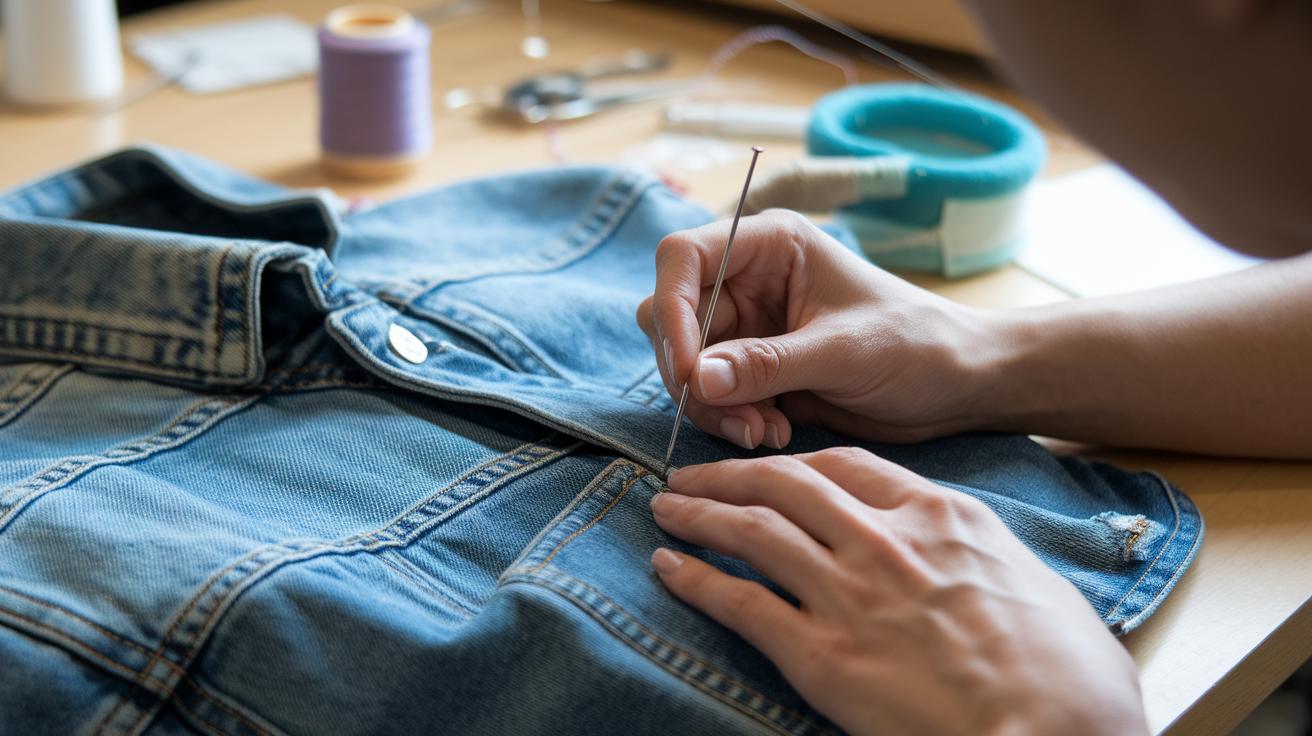
Repair small problems right away to make your clothes last longer. Quick fixes can stop minor issues from turning into big, expensive ones.
• Use a backstitch with matching thread to secure loose edges.
• Strengthen areas that get a lot of wear, like elbows or knees, with iron-on patches or hand-sewn mending.
• Sew on new buttons if any go missing, and add a strong thread shank so they stay in place.
• Apply fabric glue for fast, no-sew fixes on delicate trims that might tear with regular use.
If your clothing has ongoing issues or serious damage, it might be a good idea to see a local tailor. They can do deeper repairs and adjustments to keep your clothes looking and fitting well.
Optimal Storage and Preservation for Wardrobe Longevity
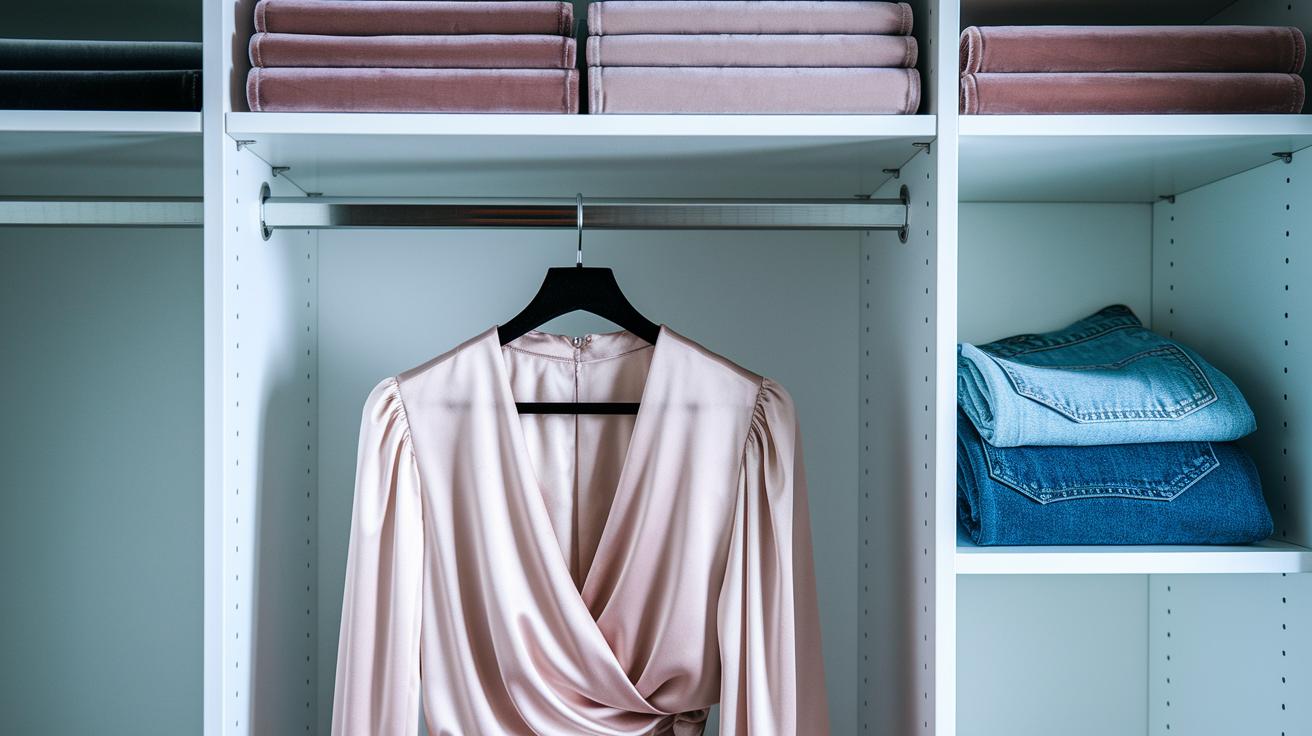
Good storage keeps your clothes looking fresh and helps them hold their shape and color over time. Organized spaces reduce wear and tear, stopping creases, mold, and other damage that can shorten a garment's life.
The right hanger is key. For fabrics like satin, silk, and lace, padded or velvet hangers work best. They prevent unwanted creases and marks while gently supporting your clothes so they hang evenly and keep their original look.
For heavier fabrics like denim, folding is a smart option. Hanging denim can leave marks, but a careful fold helps keep its form and avoids stress on the fabric. Off-season pieces do well in breathable garment bags, which protect them from dust and pests until it's time to wear them again.
A well-ventilated closet with proper humidity control is essential. Good airflow stops moisture build-up that causes mold and musty smells, preserving your clothes' strength, color, and overall appearance over time.
Building and Following a Personalized Clothing Care Schedule

A simple routine can help your clothes stay fresh and last longer. Keeping track of wash days, small fixes, and storage plans makes caring for your wardrobe less of a hassle. This schedule helps you know when to give your clothes a gentle wash or a deeper clean.
- Log how often you wash items. For example, flag denim for cleaning after about five wears and undergarments every week.
- Set calendar reminders for deep cleaning. Use app alerts every 3 to 6 months for jackets or pieces that need extra care.
- Update a maintenance log. Write down repairs, home tests, and storage switches so you can adjust your routine over time.
Sticking to your routine lets you catch wear early and keeps your clothes in great shape with little extra effort.
Final Words
In the action, we broke down a step-by-step approach to keeping clothes fresh and durable. We covered structured routines from sorting and cleaning to testing and repair steps. The guide dives into fabric-specific care, DIY tests, and proper storage to extend garment life. Applying these tips saves money, minimizes returns, and reduces buyer's remorse. This practical guide to clothing maintenance and testing gives clear insight on caring for your wardrobe. Put these strategies into practice and enjoy a reliable, lasting collection every day.
FAQ
What is the practical guide to clothing maintenance and testing PDF, and can I access it for free?
The practical guide to clothing maintenance and testing PDF explains how to care for and test your garments, covering sorting, cleaning, and repairs. Free versions are available online via public resource downloads.
What are clothing care symbols and what do they mean?
Clothing care symbols indicate proper care instructions such as washing temperatures and cycle types. They help you use the right methods to maintain your garments and extend their lifespan.