

Have you ever noticed some accessories last much longer than others? The secret lies in how they are built. Using strong metal, tough polymers (hard plastics), or quality leather makes a big difference in everyday wear. How an item is assembled, whether by welding (joining parts with heat) or gluing, is key to its durability. In this guide, we show you what to look for so you can pick accessories that stand up to daily use.
Key Criteria for Assessing Accessory Quality: Materials, Construction & Design
Accessories are rated on three simple points: materials, construction, and design. The type of material used, whether it is stainless steel, leather, or plastic-like polymers, affects both the price and performance of the accessory. For example, metals like stainless steel and brass cost more because they are tough and last a long time. They also offer high tensile strength (how much stress a material can handle) and elasticity (how well it bounces back). A metal clasp that still works after many uses shows you have quality material.
How the accessory is put together matters too. The process, like soldering, welding, or adhesive bonding (using a strong glue), shows how well it might stand up to daily wear. Finishing touches like plating or coating help the item resist rust and keep a neat look. Solid construction means every joint is secure and every detail is consistent. For extra tips, check out our insider guide on quality.
Design also plays a big role. A smart design not only looks good but also makes the accessory work better. Ergonomic shapes give a natural, comfortable grip while an attractive finish, such as a matte texture or a clean modular layout, adds style. This mix of function and look shows that good design boosts both performance and appeal.
- Materials: Examples include stainless steel, leather, and polymers.
- Construction: Examples include soldering, welding, and adhesive bonding.
- Design: Examples include ergonomic shape, aesthetic finish, and modular layout.
Accessory Quality Factors: Materials, Construction, and Design

Knowing what an accessory is made of helps you understand how it will hold up day to day. Each material has its own feel, weight, and strength. Some materials can stand up to wear and heat better than others.
Metals are a common choice. Stainless steel, for example, doesn't rust and is very strong, which makes it perfect for items you use every day. Brass is softer and lets designers create detailed shapes. Aluminum is light, which can be a bonus for comfort. These metals can cost a bit more but they usually last longer and feel premium.
Polymers like nylon and polypropylene are a smart, budget-friendly option. They are flexible and can be shaped in different ways. This helps when you need parts that can bend or need a smooth finish. Accessories made from polymers are also easy to care for.
Natural fibers like cotton and silk feel soft and let your skin breathe. They are chosen more for their look and gentle feel than for heavy-duty wear. Leather is known for being tough and it even gets a unique look as it ages. Ceramics resist scratches, though they can break if they get bent too much.
Engineered composites mix strength with light weight. They are a modern solution for accessories that need to be both durable and easy to carry.
| Material Type | Key Properties | Typical Uses |
|---|---|---|
| Metal (Stainless steel) | Doesn’t rust, very strong | Durable fasteners, high-end clips |
| Metal (Brass) | Easily shaped, decorative | Ornamental fittings |
| Polymer (Nylon) | Flexible, affordable | Lightweight covers, straps |
| Fiber (Silk) | Breezy, attractive look | Luxury linings, decorative accents |
| Leather | Tough, develops a unique look over time | Belts, watch straps |
| Composite | Strong but light | Modern accessory frames |
Comprehensive Construction Techniques Shaping Accessory Durability
Accessory durability really depends on how parts are joined and how surfaces are finished. Tests should focus on methods like soldering, welding, mechanical joining, or adhesive bonding (using strong glue). Each method has its own pros and cons for keeping things strong over time. For example, soldering and welding make very sturdy, permanent connections, but they need extra care during setup so the finish stays intact.
Coatings such as plating, anodizing, or powder coating help protect the accessory from rust and wear. These finishes keep the look fresh even with frequent use and add to its overall strength. However, if a product requires extra hardware or special tools to put together, it might cost more and could run into problems if not assembled correctly over time.
Durability tests show how well an accessory will hold up with everyday use. Key tests include:
| Test | What it Measures |
|---|---|
| Tensile Strength | The maximum force a join can handle |
| Impact Resistance | How well it handles shocks |
| Corrosion Protection | Resistance against rust or corrosion |
| Bond Integrity | The strength of the connection over time |
These tests check how the construction handles everyday pressures. Tensile tests measure how much pull a join can take, and impact tests mimic real-life knocks. The results help us know what kind of maintenance might be needed and predict how long the accessory will last.
For more details on assembly techniques and performance, check out “essential indicators of durable accessory design” at https://jankreviews.com?p=1645.
Thoughtful joining and careful finishing not only extend the lifespan but also cut down on upkeep, making construction a key part of overall quality.
Design Elements Impacting Accessory Functionality and Aesthetics

Functional Design Considerations
Accessory design is not just about looks; it affects comfort and ease of use. Good design means the weight is spread out evenly so that the accessory feels natural in your hand or against your body. When the weight is balanced, you can wear it for longer periods without discomfort. A grip that feels secure makes handling everyday tasks simpler. Plus, a smart layout keeps the design practical without adding extra bulk.
Key points:
- Balanced weight helps reduce strain.
- A firm, tactile grip improves control.
- A thoughtful design layout makes it easy to use.
Aesthetic Design Considerations
Style plays a big role in choosing an accessory. The overall shape sets the tone by complementing your outfit, while the finish adds character. For example, a matte finish gives a soft, subtle feel, and a shiny surface offers a dynamic look. The color choices and patterns work together to tie your style together. Whether you choose understated elegance or a lively metallic edge, each design detail makes a difference in both appeal and function.
If you are new to evaluating accessories, there are guides that break down the design elements in simple terms. These guides show how clear functional choices and precise aesthetic details work together to ensure an accessory looks good while also being practical for everyday use.
Establishing Standards and Tests for Accessory Quality Assurance
Manufacturers and testers use strict tests to make sure accessories live up to their quality promises. They follow well-known standards like ASTM and ISO to check the materials, construction, and design. For example, ASTM D638 measures how much force a material can take before it breaks (this is called tensile strength). ASTM D790 checks how well a material bends (flexural strength), and ISO 4624 looks at how well a coating or finish sticks to a surface (adhesion).
We also run tests that mimic real-life situations. UV tests show how accessories might get damaged by bright sunlight, water immersion tests see how items handle moisture, and abrasion cycles check how the surface wears over time. These tests help gauge how an accessory will perform day after day.
Quality control means we check parts of each batch and review certificates of analysis to make sure every production run is consistent. Testers compare the results with set criteria to ensure that only accessories with proven strength, resistance, and solid design make the cut.
Key protocols include:
- Tensile strength testing (ASTM D638)
- Flexural strength testing (ASTM D790)
- Adhesion testing (ISO 4624)
- Environmental checks with UV light, water immersion, and abrasion cycles
Each of these tests adds a piece to the quality picture, giving you confidence that the accessory will perform reliably.
Practical Buying Tips: Choosing Accessories Based on Materials, Construction, and Design
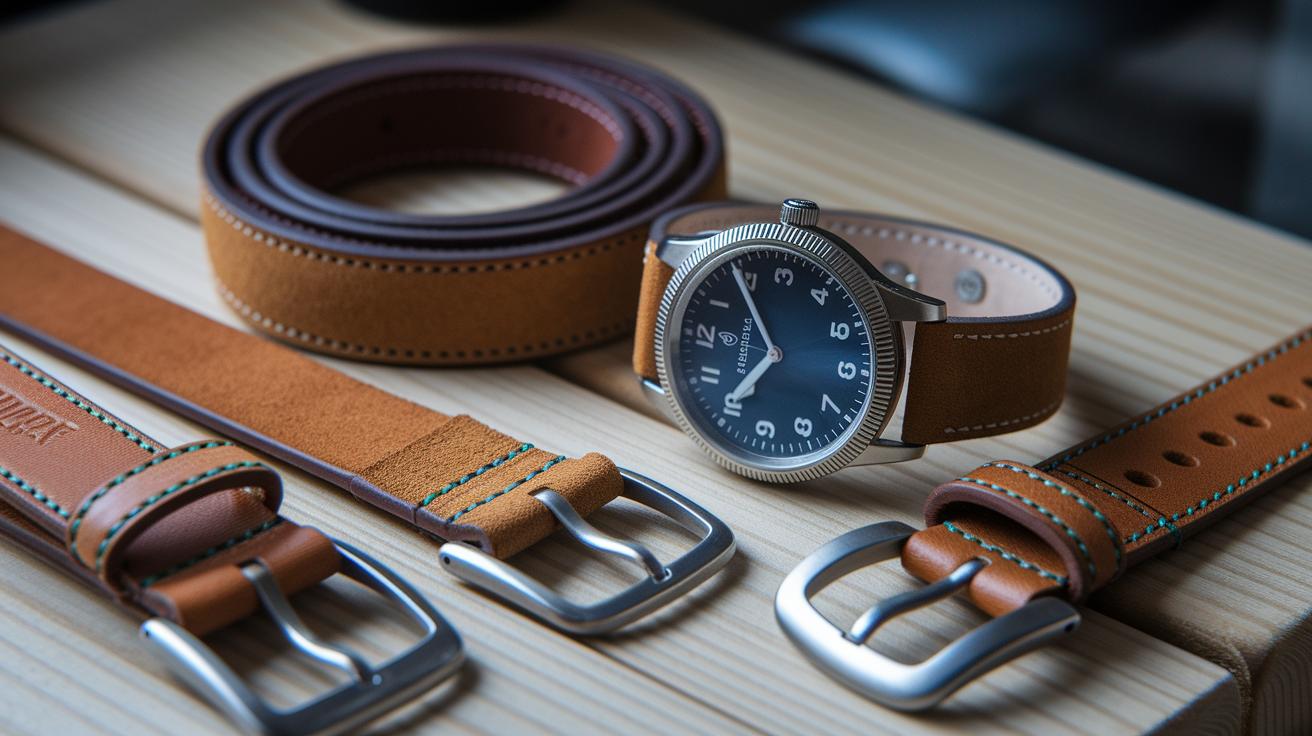
When buying accessories, choose ones that fit your everyday needs. For outdoor use, go for options made with stainless steel or composite materials. They fight rust and stay strong even after a tough day out. If you like fashion belts, try ones crafted from real leather or suede. They add a smart touch while keeping up with everyday wear.
Check all seams carefully. Make sure the stitching is even and the joints are secure. Examine the edges where different parts meet. Even a small misalignment can mean lower quality. A neat seam can really boost how long your accessory will last.
Feel the weight and balance next. It should be light enough for comfort over long hours, yet sturdy enough for daily duty. You want something that sits snugly, not dragging or feeling too flimsy.
Finally, inspect the finish. Whether it's a plating or a protective coating, the surface should be smooth and free of flaws. A clean finish not only looks sleek but also helps the item stand up to everyday handling.
Follow these practical tips and you'll find accessories that are both stylish and durable.
Final Words
In the action, we broke down key areas like material options, fastening methods, and design details that shape every accessory. We explored how quality relies on accessory quality factors: materials, construction, and design to keep investments solid and styles sharp.
We also shared buying tips to boost your confidence when checking accessory details. Enjoy shopping with trust and a clear guide for picking pieces that match your needs.