

Ever wonder if a little repair can give your favorite accessory a second chance? When a trusted belt or a beloved watch starts to show signs of wear, a bit of cleaning and smart patch-ups can bring back its charm. In this guide, we share simple repair tips and maintenance tricks that help keep your items looking sharp for years. We explain how to choose a gentle cleaning cloth and the right adhesive (a glue that works well on different materials) in plain language. A few small fixes today can mean lasting quality tomorrow.
Core Repair Methods for Accessory Longevity
Begin by giving your accessory a good clean. Use a soft brush or cloth to wipe off dust, oils, and any debris. This step not only makes your item look better but also shows you spots that might need extra care. For leather pieces like wallets, belts, or handbags, mix a little mild soap with water to gently clean them. When it comes to jewelry, carefully wipe away buildup with a soft, non-abrasive cloth. Work in a bright, tidy area with a dust-free surface for the best results.
Once your accessory is clean, choose repair materials that fit the original design. For leather items, try using vegetable-tanned patches or hydrating conditioners to bring back softness and fix small tears or worn edges. For structured repairs, such as fixing a hat's brim or gluing seams on bandanas, use the right adhesives. When it comes to jewelry, use tools that help reset gemstones and tighten loose prongs without harming the piece. Check your work against trusted quality guidelines (you can learn more here: https://jankreviews.com?p=1601) and always wear gloves and eye protection when you handle sharp tools or adhesives.
You might also need a few basic tools like precision tweezers, a leather punch, and jeweler’s epoxy. If your accessory needs more than a few small fixes, it could be a good idea to get help from a professional.
Cleaning and Care Efficiency Tips for Accessory Performance Retention
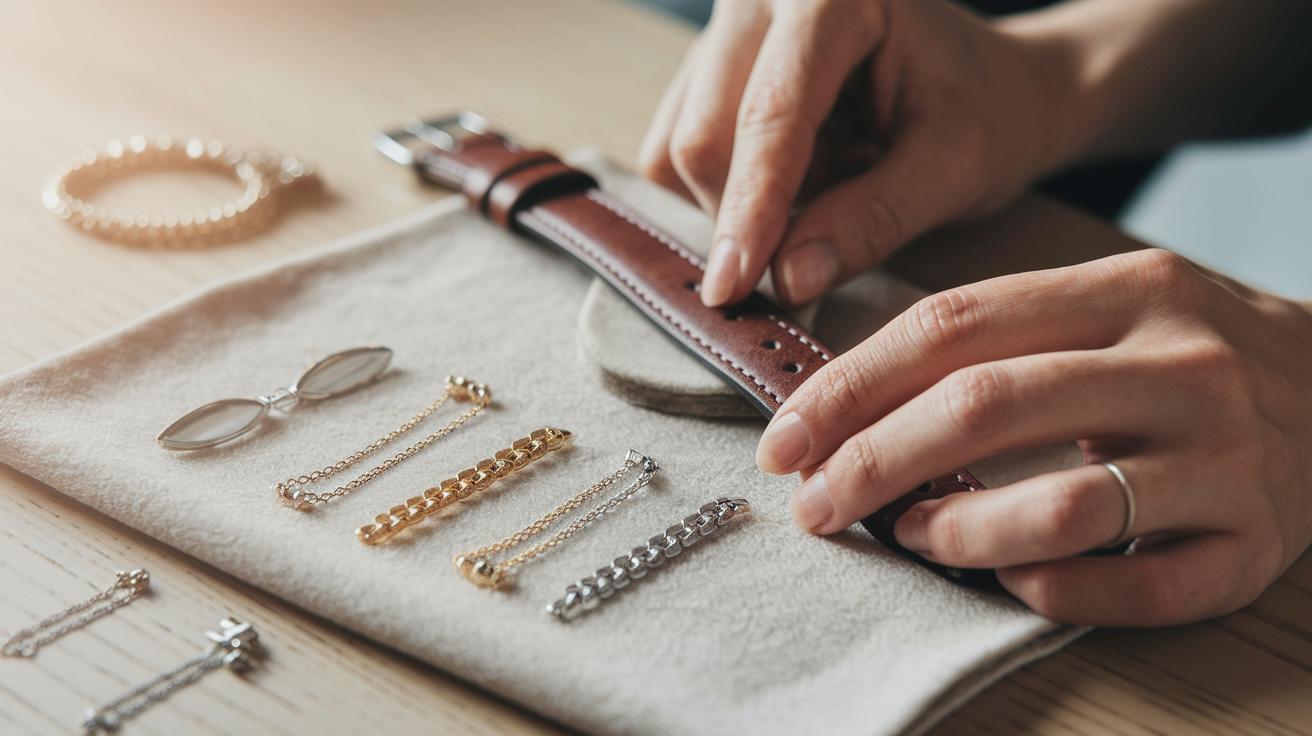
Clean your accessories often to keep them looking their best. Wipe off dirt, oils, and any build-up at least once a week. Think of it like polishing your favorite watch, it helps leather, metal, and other pieces keep their natural shine.
Pick a cleaning solution that matches the material. For leather, mix a little mild soap with water. For stone settings, try an ammonia-free glass cleaner. For fabrics, a pH-neutral detergent works best. Gold items need a gentle polish to avoid scratches, while platinum pieces do well with a little help removing oxidation. And if you have silver, a sulfur-free cleaner will get rid of tarnish without harming it.
Dampen a soft cloth with your chosen cleaner and gently wipe each accessory. Then, use a clean, dry cloth to remove any extra moisture. Here’s a cool fact: a clean accessory can look 30% brighter than one with built-up grime.
Once everything is dry, apply a conditioner, like a leather balm, to keep the material soft and protect it from everyday wear.
Scheduling Preventive Maintenance for Extended Accessory Lifespan
Regular checkups help you spot small problems early and avoid costly fixes later. Every 6 to 12 months, a quick look-over can catch issues like loose stones, weak prongs, or worn clasps before they get worse. Keeping straps, seams, and hinges in good shape means your accessories stay as useful and stylish as when they were new.
| Task | Frequency | Description |
|---|---|---|
| Gemstone Inspection | 6 months | Check prongs and make sure stones are secure |
| Strap & Seam Check | 12 months | Tighten buckles and restitch any loose seams |
| Clasp & Hinge Lubrication | 6 months | Apply appropriate lubricant like watch oil or silicone |
| Surface Conditioning | 3 months | Use leather balm or metal polish on surfaces |
It is smart to keep a log of your maintenance dates, tasks done, and any repair costs. Mark your calendar with reminders and review your log during each checkup. This simple habit helps catch small issues early and keeps your accessories looking great and working well for years to come.
Accessory Repair and Longevity: Maintaining Quality Over Time!

When fixing your accessories, using safe glue and the right tools is key. Pick non-toxic, fabric-safe glues and reliable tools like padded-jaw pliers and precision tweezers. Work in a clean, bright space, and always test the glue on a hidden spot first. This careful step helps avoid mistakes while keeping your accessory both useful and stylish.
- Repair fabric tears: Use invisible stitching or a heat-activated patch. Line up the fabric grain and apply steady heat.
- Secure loose prongs: Use jeweler's epoxy and padded-jaw pliers. Gently press the prongs back and let the glue set.
- Reattach clasps: Clean the surfaces well, apply a small amount of bonding glue, and hold until it sets.
- Fix minor scratches: Lightly sand the area or use a matching touch-up polish to smooth it out.
- Rebond separated layers: Line up the layers carefully and use a fabric adhesive made for different materials.
- Touch up surface chips: Apply a little epoxy to fill in the chips and smooth it out with a fine tool for a neat finish.
Material-Specific Repair Techniques to Maximize Component Longevity
Leather Repairs
When fixing leather items, first clean the damaged spot well so the patch will stick. Use vegetable-tanned patches to cover small tears and worn spots. For a smooth look, add edge-binding strips along the borders to make the patch blend with the old leather. Once the patch is in place, re-stitch it carefully using strong, matching thread. Finish by treating the area with a hydrating conditioner to keep the leather soft and help prevent cracks later.
Metal Jewelry Restoration
For gold or silver jewelry, careful repair is key. Start by cleaning the piece in an ultrasonic cleaner (a machine that uses sound waves to remove dirt) to get rid of oils and grime. If any prongs are loose, use a prong tightening tool to secure the stone without harming the metal. When the surface shows wear, a thin coat of electroplating (a process of adding a layer of metal with electricity) can restore its shine and add protection. These steps help the piece keep its look and function, so its sentimental value lasts.
Textile and Resin Mending
For textile accessories and resin parts, use practical mending techniques. When sewing up small tears, choose invisible stitching to keep the repair hidden. Apply a seam sealant along the edges to stop the fabric from fraying further. For items made from plastic or resin, minor cracks can be fixed by heat-welding with a soldering iron or by filling gaps with clear epoxy resin (a durable glue). This approach not only makes your accessory last longer but also preserves its original look for everyday use.
Storage and Safe Handling Practices for Sustained Accessory Quality

Keep your accessories in a dry, cool spot to stop mold and rust from forming. Don't leave them in the sun or damp places, as too much heat can dry out leather and moisture can cause metal to tarnish. A clean, climate-controlled area helps everything keep its original look and feel.
Separate storage works best. Using soft pouches, padded boxes, or even hanging organizers stops pieces from scratching or tangling. This is especially true for necklaces and bracelets that tend to twist up when left loose.
For everyday wear, take off your accessories when you work out, clean, or swim in chlorinated water. Removing them during these activities limits exposure to sweat and chemicals that can damage finishes and delicate parts.
Also, try to rotate your accessories now and then. Giving some pieces a break each season cuts down on constant wear and helps your favorites stay in good shape longer.
Final Words
In the action, we broke down practical methods for accessory repair and longevity: maintaining quality over time. We covered cleaning routines, DIY fixes, and scheduled checks that help keep items looking fresh. Our guide showed how materials like leather, metal, and textiles get a second life with proper repair methods and careful storage. We outlined the right tools and when to call a pro to prevent future issues. Stick to these tips for a wardrobe that lasts and cuts down on returns and buyer's remorse.
FAQ
What are the core repair methods for accessory longevity?
The core repair methods for accessory longevity mean starting with thorough cleaning, choosing safe repair materials, and addressing minor tears or loose stitching quickly to keep your items functional and looking good.
How often should I clean my accessories?
The cleaning frequency for accessories means regularly removing dirt, oils, and residues. Using material-safe cleaners helps restore shine and prevents breakdown, ensuring your pieces last longer.
When should I schedule preventive maintenance for my accessories?
The preventive maintenance schedule for accessories suggests routine professional checks every 6 to 12 months to catch issues like loose stones or worn clasps early, which helps avoid larger repair needs later.
What DIY fixes can I use for common accessory issues?
The DIY fixes for common accessory issues involve using invisible stitching for small fabric tears, tightening loose prongs or clasps with the right tools, and using safe adhesives to mend surface chips effectively.
What material-specific repair techniques work best for leather and jewelry?
The material-specific repair techniques for leather and jewelry include using vegetable-tanned patches and conditioners for leather, and ultrasonic cleaning plus prong tightening for jewelry, ensuring each piece maintains its integrity.
What are the best practices for storing accessories safely?
The best storage practices for accessories mean keeping them in dry, cool conditions, away from direct sunlight. Using separate compartments or soft pouches prevents scratches and maintains their shape during use.
What essential tools should I have for accessory repairs?
The essential tools for accessory repairs include precision tweezers, a leather punch, and jeweler’s epoxy. These tools allow you to handle minor fixes at home, though professional help is best for complex repairs.