

Quick Verdict
Getting your accessories to fit perfectly is easier than you think. Small measurement errors can lead to rings that won't slide on, bracelets that feel loose, or hats that never sit right.
Why It Matters
When accessories don't fit well, it wastes your time and money. Accurate measurements mean fewer returns and a better overall look. Using simple tools and a clear guide can change the game.
How to Measure Right
- Use everyday items like a strip of paper or string along with a ruler for accurate results.
- Compare your measurements to the sizing chart.
- Remember: even a tiny mistake can affect the final fit.
Practical Tips
- For rings, check the circumference of your finger carefully.
- When measuring bracelets, note the wrist size and allow a little extra room for comfort.
- Measure your head for hats, ensuring the band sits comfortably on your forehead.
Following these steps helps you choose accessory sizes that match your body perfectly. Now you can shop with confidence knowing your new pieces will look and feel just right.
Essential Measurement Techniques for Accessory Sizing
Taking accurate measurements is key to getting the right fit for your accessories. If the numbers are off, even a standard size can feel too loose or too tight. Measuring carefully saves you from returns and the annoyance of items that do not fit well. For example, knowing your ring size means you won't end up with a ring that stubbornly refuses to slide on.
A soft tape measure, or even a piece of string or paper, along with a ring sizer, can do the trick. These items are cheap and usually found at home. They turn basic measurements into clear numbers you can trust when shopping online or in a store.
- Ring measurement: Wrap a string or paper strip around the base of your finger, mark where it meets, and then measure that length.
- Neck measurement: Place the tape at the base of your neck, keeping it snug but not too tight.
- Wrist measurement: Wrap the tape around your wrist bone and add between ½ and 1 inch for a relaxed bracelet fit.
- Head measurement: Measure just above your ears and eyebrows around the widest part of your head for a proper hat size.
Write down your ring size, neck and wrist measurements, and head circumference. With these details ready, you can confidently use size charts to choose rings, necklaces, bracelets, and hats that fit perfectly every time.
Ring and Jewelry Sizing Charts for Accessory Measurement
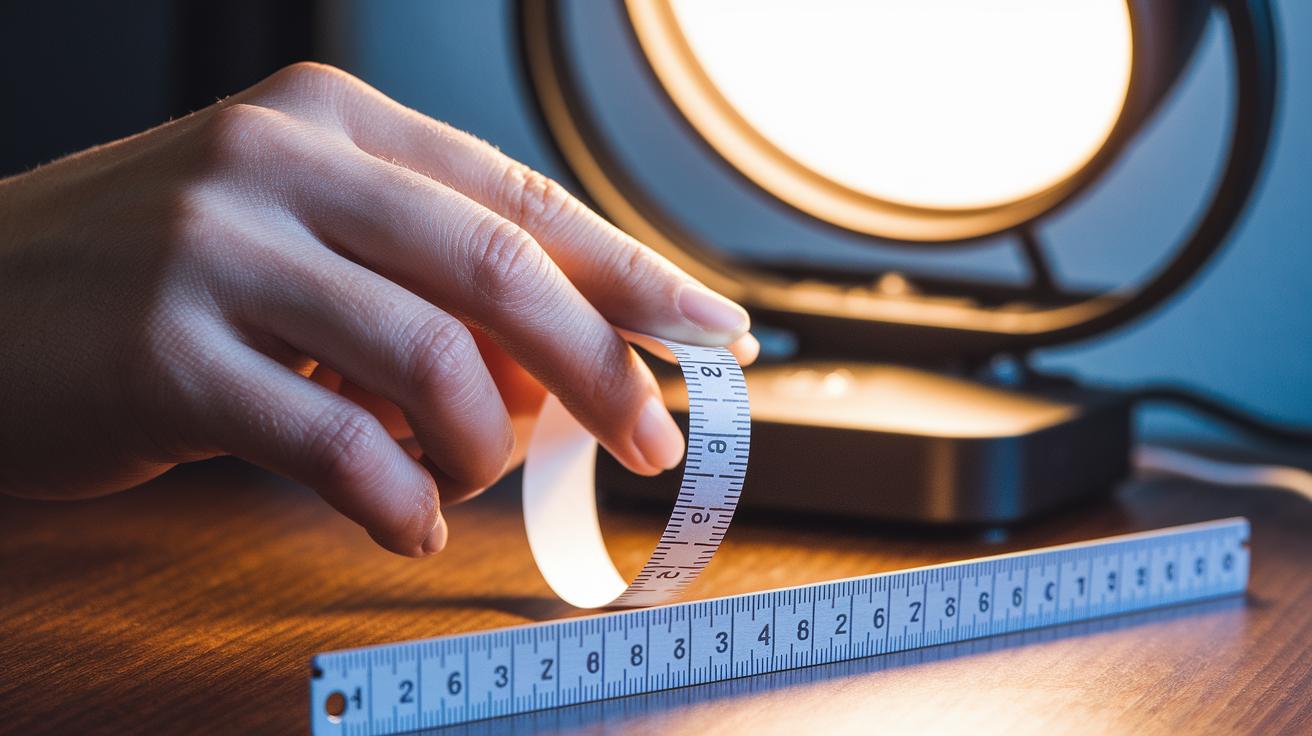
A sizing chart makes finding the right ring easy. Follow a simple guide: wrap a strip of paper around the base of your finger, mark where the ends overlap, and measure that mark in millimeters.
| US Ring Size | Circumference (inches) | Diameter (mm) |
|---|---|---|
| 5 | 2.04 | 16.5 |
| 6 | 2.14 | 17.3 |
| 7 | 2.24 | 18.0 |
| 8 | 2.34 | 18.8 |
| 9 | 2.44 | 19.6 |
| 10 | 2.54 | 20.4 |
| 11 | 2.64 | 21.2 |
| 12 | 2.74 | 22.0 |
Even a small difference in circumference can change how a ring fits. This chart shows US ring sizes in both inches and millimeters so you can find your correct size. Measure the same way each time for the best result.
Remember, necklaces usually come in standard lengths. A choker is typically 14 to 16 inches, a princess style is about 18 inches, and a matinee is between 20 and 24 inches. For bracelets, wrap a tape around your wrist bone and add an extra ½ to 1 inch for a comfortable fit.
With these charts and tips, you can shop for rings and jewelry with confidence, knowing your measurements will lead to the perfect fit.
Necklace and Bracelet Sizing in Accessory Measurement
We covered how to measure your neck and wrist in an earlier guide. Here, we show you a simple trick to boost your accessory design using ratio guidelines and a scale calculator (a tool that helps you adjust sizes). Try adjusting your necklace chains to create a layered look that flatters your neckline. For example, if you have a shorter neck, mix a snug choker with a slightly longer chain to create a look that seems to lengthen your neck.
We refined our approach for bracelets as well. While taking your wrist measurement is key, adding a little extra length makes the bracelet sit comfortably and stylishly on your arm. This small tweak gives you a secure fit without looking bulky.
Use the scale calculator method to fine-tune your proportions even further. The ratio guidelines help match your necklace chain length to your neck size, so each piece looks right where it belongs. For instance, if the calculator suggests a chain 10% longer than the standard size, that extra bit prevents the necklace from overwhelming your features.
Hat and Headwear Sizing Using Accessory Sizing Formulas

Start by using a soft tape measure to size your head. Wrap the tape above your ears and eyebrows, around the widest part. This gives you a clear measurement of your head circumference. For example, if your head measures between 21¾" and 22¾", you would wear a US hat size between 6⅞ and 7¼. This simple formula turns inches into a hat size that fits snugly and comfortably.
Remember that your hairstyle and hair volume can change how a hat fits. If you have thick or fancy hair, you might need to size up a little. When your hair is styled high or has extra volume, a looser fit can be much more comfortable and secure. This careful method helps you choose a hat that feels made just for you.
Belt and Strap Sizing: Accessory Sizing Conversion Guide
Start by choosing the spot where you usually wear your belt, either at your waist or near your hips. Use a soft tape measure and wrap it around that area. Make sure the tape is snug but not too tight. This measurement is your base when picking a belt. For instance, if your waist measures 32 inches, note that down.
Once you have your measurement, add 2 inches to it. This extra space helps the belt overlap and gives you room to move comfortably. It ensures that when you fasten the belt, the distance from the buckle to the middle hole fits perfectly.
Finally, check the belt for any markings. Most belts list the length from the buckle base to the middle hole. These marks help you make adjustments so that the fit feels custom-tailored every time.
Accessory Sizing Comparison and Best-Fit Tips
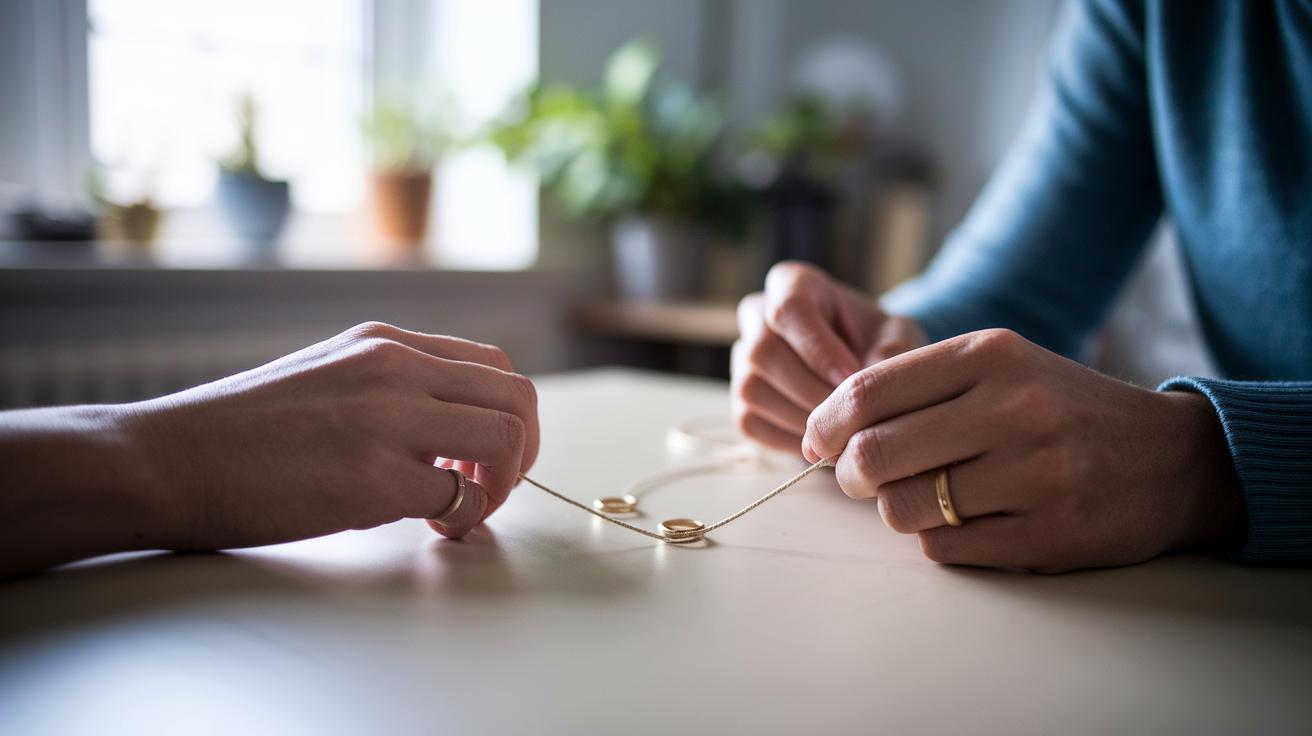
For rings, use a simple string to measure your finger. Wrap the string around and mark where it meets. Then, compare the length to a ring size chart, especially at night when your finger might be a bit fuller.
For necklaces and bracelets, wrap a soft tape around the base of your neck for pendants and around your wrist for bracelets. Write down the number and add about an inch for extra comfort.
For fitted hats, measure your head just above your ears. If your hat adjusts, use a slightly smaller number to keep it snug.
For belts, measure your waist or hips and check your measurements twice. If your number falls between sizes, choose the larger size for a more comfortable fit.
Final Words
In the action, we covered how to measure rings, necklaces, bracelets, hats, belts, and straps. We walked through using a tape measure, string, and simple tools to record your numbers for the perfect accessory fit.
This accessory sizing guide helps you avoid return risk and buyer's remorse. Keep your measurements close and double-check every step before ordering. With clear sizes and a practical approach, you can shop confidently knowing your accessories will provide long-lasting value.
FAQ
Q: How does the accessory sizing guide for shoes help me choose the right size?
A: The accessory sizing guide for shoes explains how to measure your foot length and width, helping you find a comfortable and accurate shoe size when shopping online.
Q: How do accessory sizing guides for clothing, women’s, men’s, and pants work?
A: The accessory sizing guides for clothing provide step-by-step measurement tips for areas like waist and chest, ensuring that pants, women’s, and men’s sizes match your body for a better fit.
Q: What does the Lululemon glove size chart offer?
A: The Lululemon glove size chart offers clear hand measurement instructions so you can find a glove that fits comfortably, ensuring enhanced performance during active use.
Q: How does the Lululemon cap size chart help find the right fit?
A: The Lululemon cap size chart shows how to convert your head measurements into the appropriate cap size, making it easier to pick a hat that fits securely and comfortably.
Q: What does medium size mean in Accessorize?
A: Medium in Accessorize typically falls between small and large. It is designed for average body measurements, but it is best to check your own measurements against the size guide for the perfect fit.
Q: What size might a 200 lbs woman wear when choosing accessories?
A: A 200 lbs woman might need a larger size for accessories, but the best approach is to measure key areas like bust and waist, as size can vary with body shape and the specific accessory.
Q: What do the numbers 17 34 35 mean in accessory measurements?
A: The numbers 17 34 35 refer to specific measurement values used to describe an accessory’s dimensions, such as length, width, or circumference. Always compare these with a size chart for accuracy.
Q: Is a head size of 7 and 5/8 considered big?
A: A head size of 7 and 5/8 inches does not represent overall head circumference. For hat sizing, measure around the widest part of your head to compare against standard head measurements.