

Have you ever wondered if your favorite jacket can really handle everyday wear? We put jackets through simple tests that mix lab checks with real-life wear trials. We test if the fabric resists rubbing, holds together under pull, and keeps its color wash after wash. In this post, we explain tests like tensile strength (how much force it takes to stretch the fabric) and colorfastness (how well the dye stays in place). Get ready to see the science that keeps your wardrobe both safe and stylish.
Comprehensive Protocol Overview for Advanced Clothing Performance Test Techniques
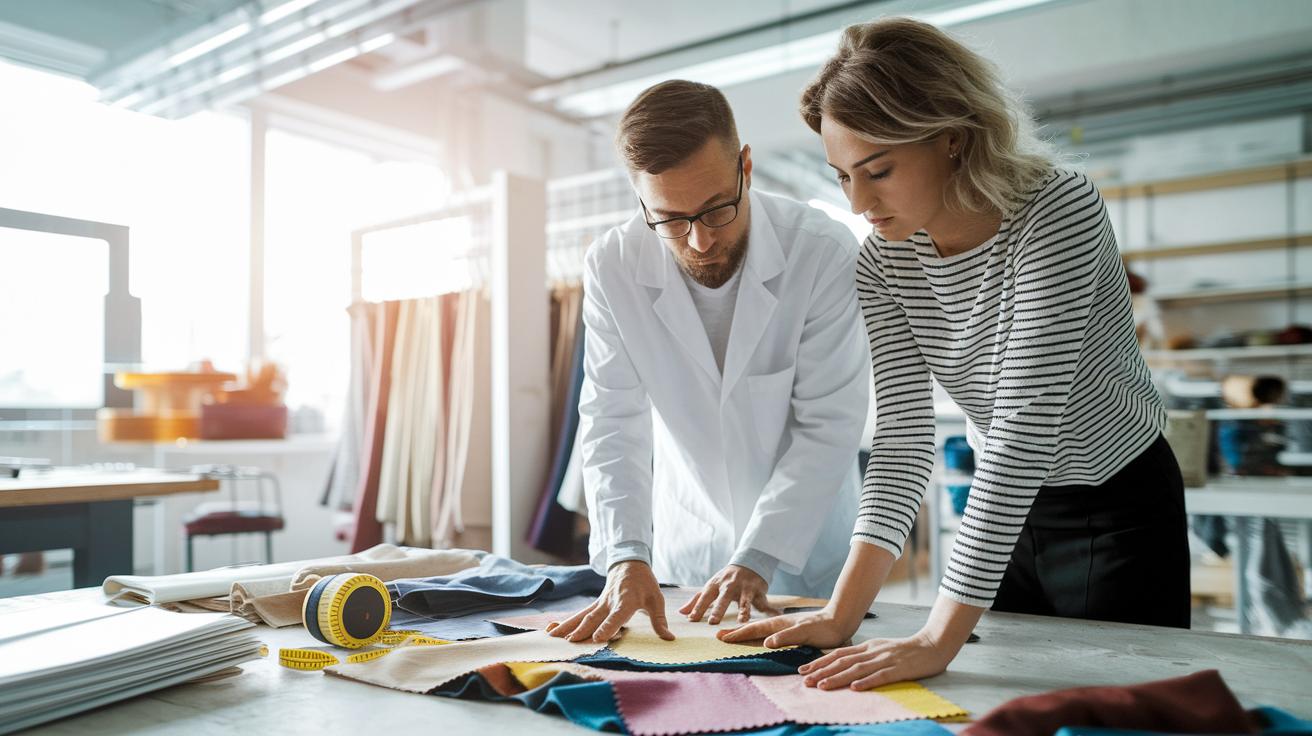
We use tough, real-life tests to make sure every garment is reliable and meets the rules. Our methods mix lab checks with practical wear tests to see if clothes live up to their claims. We test how fabrics handle everyday movements and wear, making sure they look good and work well over time. This helps cut down on surprises after launch and keeps buyers safe.
Labs work hand-in-hand with brands to meet industry benchmarks like ASTM (a set of testing standards), AATCC (textile testing guidelines), and ISO (international quality standards). This close teamwork makes sure every metric, from durability to how a garment feels after wear, is checked in the same way. It gives manufacturers clear data so they can fine-tune designs to perform well during daily activities.
• Abrasion endurance test
• Tensile strength measurement
• Pilling resistance assessment
• Colorfastness evaluation
• Shape retention and dimensional stability
• Moisture wicking analysis
• UV protection rating
By combining all these tests, we get a full picture of a garment's performance. For example, abrasion and tensile tests show if the fabric might have weak spots, while pilling and colorfastness tests help keep the look fresh. Tests on shape, moisture, and UV protection round out the profile, ensuring the clothes stay comfortable and stylish. This careful method not only meets the high bar set by today’s sportswear market but also points out issues early, helping avoid problems later on.
Abrasion Endurance and Tensile Strength Measurement for Textile Durability

We use abrasion and tensile tests to see how fabrics hold up with everyday use. An abrasion test works like rubbing your shirt against a bag or desk, while a tensile test checks how much force a fabric can take before it tears. These simple tests help us know if a fabric will last over time.
Fabrics used for sportswear typically range from 140 to 280 gsm (grams per square meter, a measure of how heavy the fabric feels). A fabric that does well in these tests is less likely to develop tears where it gets stretched or rubbed a lot.
| Test Type | Standard | Equipment |
|---|---|---|
| Abrasion (Martindale) | ISO 12947-2 | Martindale Abrasion Tester |
| Abrasion (Wyzenbeek) | ASTM D4157 | Wyzenbeek Machine |
| Tensile (Strip/Grab) | ASTM D5035/D5034 | Universal Testing Machine |
Combining these tests gives a full picture of a fabric's strength over the long run. Continuous abrasion tests reveal any surface weakness, and tensile tests point out where the fabric might break under pressure. This process helps designers make better fabrics that stay strong and reliable with regular wear.
Colorfastness Evaluation and Chemical Resistance Assays in Advanced Testing

Keeping your clothes looking fresh after many washes is important. This test checks that colors stay bright and fabric resists everyday stains and spills. Even after several washes or light exposure, the fabric should still meet quality expectations and look good.
Tests we use include:
- AATCC 61 Method 2A (wash cycles at about 100°F, which is roughly the temperature used in many home cycles)
- ISO 105-B02 (exposure to Xenon Arc light which simulates how fabric looks after outdoor light)
For chemical resistance, we also check how the fabric handles common cleaning products and oils. In our test, we expose the fabric to a detergent solution at normal strength for about 30 minutes. Then, we inspect it for any color changes or damage to the fibers. The fabric earns a pass if it shows little staining and the fibers stay intact, meaning it stands up well to liquids.
This testing helps confirm that the fabric will keep looking fresh and strong, even after repeated exposure to cleaning agents and everyday spills.
Wear Simulation Analysis and Environmental Exposure Trials for Real-World Reliability

We test clothes in the lab to see how they handle everyday use. These tests copy what happens during washing and while wearing the item, like machine wash/dry or handwash/line dry cycles, and they also mimic daily movements. This helps us spot issues like fabric wear, worn seams, or color fading before the clothes reach the store.
• Accelerated wash and dry tests
• Motion fatigue tests with programmable rigs
• Exposure tests in UV, humidity, and temperature chambers
We use the data from these tests to fine-tune how clothes are made. Labs check for changes in texture, fit, and strength after many wash cycles and repeated motions. Weak spots might show up, signaling the need for stronger stitching or extra reinforcement.
These tests also see how different body types shape the garment. This ensures that clothes meet durability standards and keep a good fit and feel across all sizes. Detailed checks on UV and humidity effects reveal how fabrics handle light and moisture over time, helping designers adjust material blends and construction methods for better performance and longer life.
Digital Imaging Inspection and Sensor Integration for Precision Analysis
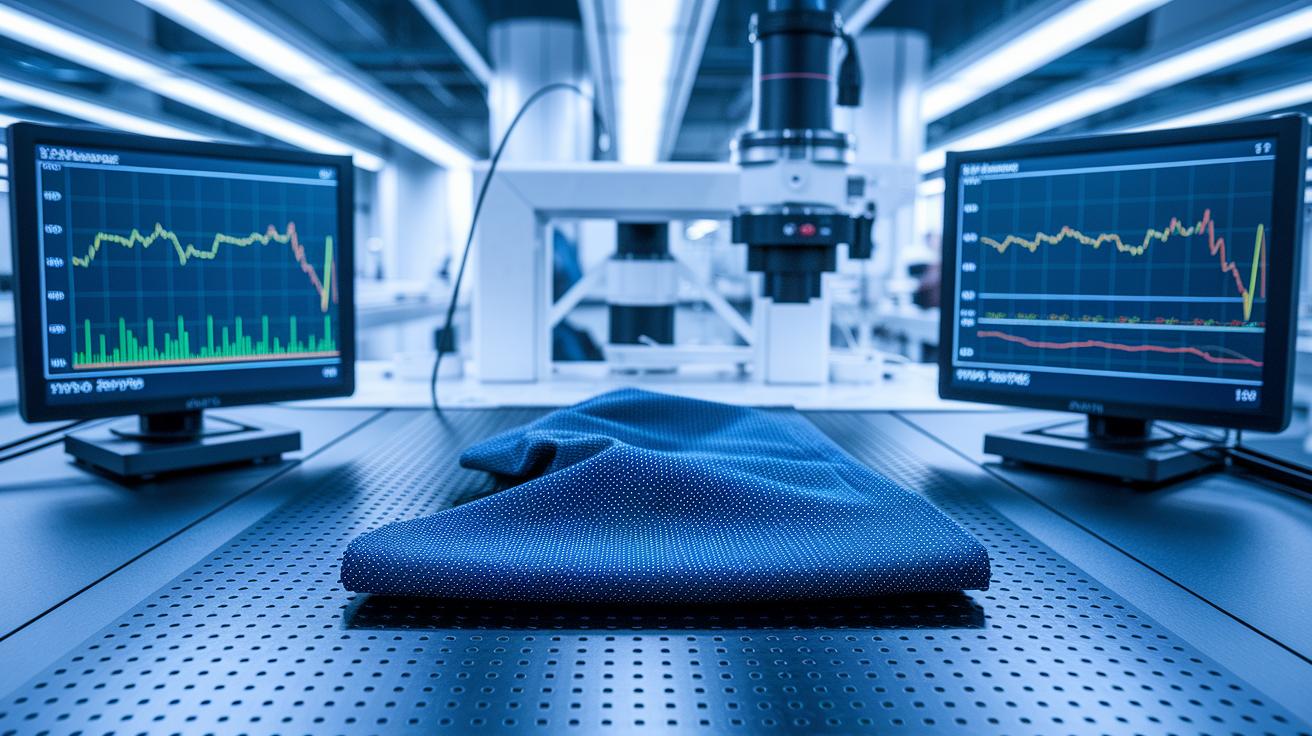
Digital imaging inspection uses high resolution cameras to catch even the tiniest fabric flaws. It picks up things like micro-abrasions, early pilling, and slight shifts in size that you might miss with the naked eye. This method makes defect spotting more of a science by giving a clear, objective look at fabric quality during tests.
Laboratories now boost fabric checks by adding sensors into their test frames. They embed strain gauges (small sensors that measure stretching or compression) into the equipment to track how fabrics handle pressure in real time. Data systems collect and show these measurements as they happen, so every change is noted. Automated defect mapping software then turns these numbers into clear visuals, making weak spots easier to spot. This blend of digital analysis and physical testing gives designers a full picture of fabric performance while meeting regulatory standards.
Automated Test Protocols and Durability Scoring Systems in High-Throughput Labs

Robotic systems and programmable machines boost speed and accuracy in textile labs. They run tests that rub, wash, and flex fabrics without much human help. This consistent approach cuts down on mistakes and makes it easier to spot any differences in performance.
Durability scoring systems turn raw test numbers into a simple score. This score helps decide if a fabric is strong enough for use. We fine-tune the tests by changing cycles, forces, and environmental conditions. High-tech tools then check how each fabric holds up under stress. Automated rigs produce a steady score that shows if the fabric meets durability standards. This method finds weak spots early and verifies performance before garments hit the market. Overall, it lets manufacturers make clear choices on product reliability while meeting both regulations and customer needs.
Comparative Performance Studies and Industry Benchmark Standards

Comparative performance studies and industry benchmark standards are the building blocks of advanced fashion testing. Brands use these tests to measure different materials and products. This way, they ensure every piece meets clear rules for quality and performance. The tests even imitate everyday wear so you know how items will hold up when you use them. By following guidelines from groups like ASTM, AATCC, and ISO, these studies offer simple pass or fail results that help keep products safe.
Detailed lab tests feed important data into research and development, marketing, and safety checks. Manufacturers choose materials that can deal with daily use and support new fabric ideas based on these tests. Thorough studies show how a fabric behaves over time, while standard benchmarks help makers fine-tune designs. Blending technical findings with everyday wear tests means every garment meets strict rules and fulfills buyer expectations in both durability and style. With the sportswear market expected to grow from $206.64 billion in 2024 to $350.45 billion by 2032, keeping up these performance levels is more important than ever.
Final Words
In the action, we dissected each step of rigorous garment testing, from abrasion and tensile tests to digital imaging and automated protocols. We broke down techniques used in real-world wear simulations and laboratory assessments that guide manufacturers and brands. These advanced clothing performance test techniques help ensure products meet safety, durability, and reliability standards. The testing process, backed by international benchmarks, offers clear, practical insights that boost confidence in every purchase. Stay smart, and here’s to quality you can trust.
FAQ
Frequently Asked Questions
What is the purpose of rigorous clothing performance test protocols?
The rigorous clothing performance protocols check garment durability and safety by using advanced tests. They help verify claims and protect consumers by ensuring products meet quality and regulatory standards.
How do laboratories simulate real-world garment usage?
Laboratories simulate real-world garment usage by subjecting fabrics to repeated wash cycles, motion tests, and controlled environmental exposures like UV light and humidity, mimicking everyday wear conditions.
What tests measure abrasion and tensile strength in textiles?
Tests for abrasion include methods such as Martindale and Wyzenbeek to assess wear resistance, while tensile strength is measured using strip and grab tests to determine a fabric’s ability to withstand force.
How is colorfastness and chemical resistance evaluated in fabrics?
Colorfastness is evaluated with wash and light exposure tests, and chemical resistance tests expose fabrics to detergents and other agents to measure how well they resist stains and maintain fiber integrity.
How do digital imaging and sensor tools improve fabric analysis?
Digital imaging and sensor tools provide high-resolution views and real-time strain data, which help detect small defects like micro-abrasions and measure fabric response under load with great precision.
What benefits does automation bring to textile durability testing?
Automation in textile testing speeds up evaluations while ensuring consistent, objective data. Automated rigs carry out continuous wear and tear cycles and generate clear durability scores for reliable quality control.
How do comparative studies and industry benchmarks support product development?
Comparative studies using industry benchmarks, such as ASTM and ISO standards, help brands gauge material performance, refine product design, and validate innovation to deliver safe and reliable garments.