

Quick Verdict: Expensive clothes don't always outlast their cheaper counterparts.
Why We Looked Into It:
We were curious if a higher price tag really meant better durability. Tests on hoodies, jeans, and t-shirts showed that some affordable pieces held up better after everyday wear. This goes against the idea that pricey clothes are built to last.
What We Found:
• Price alone is not a guarantee of durability.
• Some lower-priced items draped well and resisted everyday wear better than expected.
• The materials and construction details play a big role in how long clothes last.
So, next time you shop, don't assume that a high price means a longer life. It might be worth checking out the fabrics and stitching details, not just the tag.
Expensive Clothes Durability: What Research Says
A study at the University of Leeds tested hoodies, jeans, and t-shirts ranging from under £10 ($12) to £150 ($188). The research showed that a higher price does not mean a garment will last longer. In fact, some cheaper items held up better. For example, women's jeans in the £91–£120 range wore out faster than those in the £11–£20 range. This challenges the belief that expensive clothes are built to last.
The researchers used wash tests to mimic everyday wear. Even though many expect pricier items to stand up to use, the tests showed that price and durability do not always go hand-in-hand. How a garment is made and the fabric used are key parts of its lifespan.
For more on how price does not always equal quality, check out the clothing quality vs price guide. This research suggests it pays to look at construction and materials rather than just the cost when picking out clothes.
Price and Durability Correlation in Clothing Tests
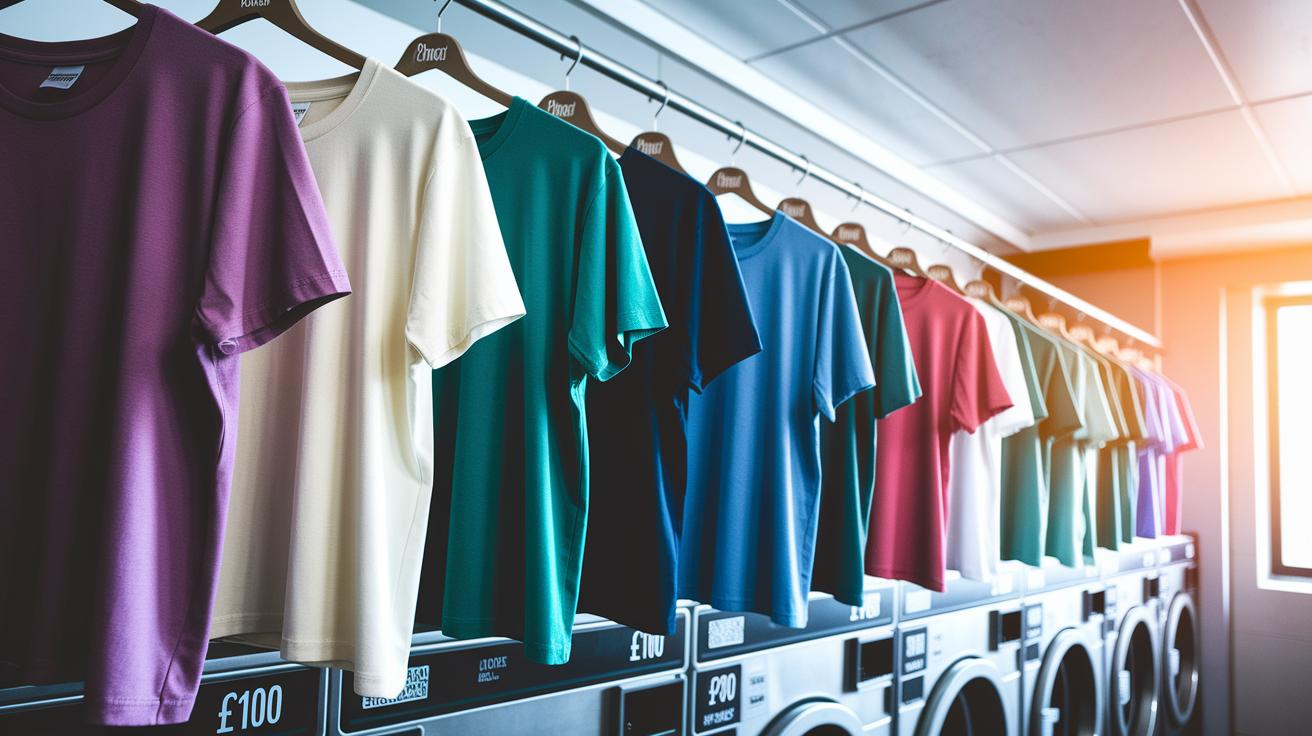
We tested clothes from six different price points to see how many washes they can handle under everyday wear. In March 2023, an environmental charity asked shoppers about their expectations. They said a £10 ($12) t-shirt should last about 26 washes. In contrast, a £100 ($125) t-shirt is expected to last about 42 washes. For jeans, people hope that a £20 ($25) pair will last 30 washes, while a £100 ($125) pair should reach 44 washes. In short, many shoppers link a higher price with longer-lasting wear.
We ran standard wash-and-wear tests that mimic daily use. Our results show that while expensive clothes usually meet high expectations, some cheaper items can perform just as well or even beat them. This means a higher price tag does not always mean extra durability.
| Price Range | Item Type | Expected Wash Count |
|---|---|---|
| £10 ($12) | T-shirt | 26 washes |
| £100 ($125) | T-shirt | 42 washes |
| £20 ($25) | Jeans | 30 washes |
| £100 ($125) | Jeans | 44 washes |
These figures give a good idea of what to expect in terms of durability versus price, but real-life performance may sometimes surprise you.
Craftsmanship & Materials: Durability Drivers in Expensive Clothes
High-quality clothes show the care in every detail. Expensive pieces take time with each stitch. You might notice neatly sewn insides, tight seam finishes, and buttons and zippers that feel secure. They even check the seams more than once to stop fraying and keep the item strong through many wears and washes.
These clothes usually use natural fibers like cotton (a soft plant fiber), linen (a light, crisp fabric), wool (a cozy natural fiber from sheep) or silk (a smooth protein fiber). They feel gentle against your skin, let air flow, and drape naturally over the body. This is in contrast to synthetic fabrics, which may not wear as nicely over time.
Take a trench coat, for example. Imagine a coat made from over 30 pieces, with five hours spent on sewing every part. That extra work explains why the price is higher. It makes the coat tougher and more reliable.
Even though the cost is steeper at first, a well-made garment stays in shape, resists wear, and offers lasting comfort. These qualities make it easy to mix and match in a well-thought-out wardrobe.
Brands that aim for lasting quality pay attention to every stitch. So when you see a higher price, it might not just be about the label, but a real investment in quality and careful construction that stands the test of time.
Cost per Wear: Evaluating Expensive Clothes Value and Durability
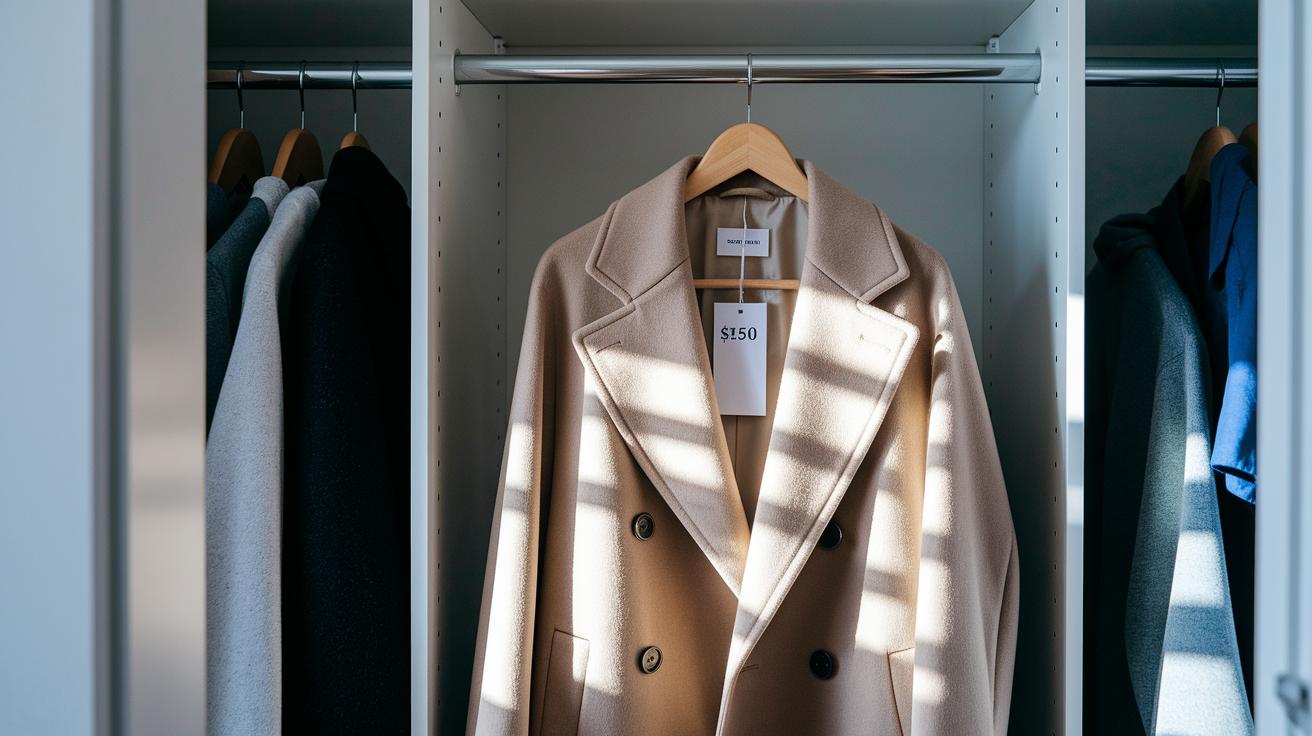
When you look at cost per wear, paying more upfront can really pay off. Rather than buying several cheaper items that wear out quickly, one well-made piece can save you money over time. For example, a jacket for $150 worn 50 times costs just $3 each time. A less expensive jacket that lasts only 20 wears will actually cost more per use.
Mid-season sales with up to 60% off make this even more attractive. Smart buyers know that quality and durability often mean lower costs each time you wear the item.
- A sturdy coat or dress might seem pricey at first.
- Fewer replacements mean lower overall spending.
- The true worth is clear every time you put it on.
Cost per wear gives a real view of long-term savings, showing that durability is key when you invest in your wardrobe.
Maintenance Strategies: Prolonging Durability in Clothes
Taking care of your clothes means they last longer and save you money in the long run. Try air drying instead of using a dryer. When you hang your favorite sweater to dry, you avoid the heat that can hurt the fabric.
Always check the care label. Each piece has its own washing and drying rules. For example, jeans should only be washed after about ten wears to keep the fabric and color safe.
Small repairs go a long way. Fix a tear or sew on a loose button to keep your clothes in wear-ready shape. You can even dye a faded shirt to give it a fresh look.
Simple tips for lasting clothes:
- Air dry instead of using a dryer
- Follow the care labels on each garment
- Wash less often to protect the fabric
- Mend small issues before they turn into big problems
With these easy tips, your clothes can look great and stay in good shape, whether they are high-end or budget-friendly.
Sustainability and Durability: Industry Moves Affecting Expensive Clothes Lifespan

Brands are changing how they make expensive clothes so they last longer. New European rules push companies to design items that are sturdy, easy to fix, and recyclable. Extended Producer Responsibility (a rule that makes makers think about a product's entire life) means manufacturers now focus on each phase of a garment's life. They choose tougher natural fibers and better stitching to meet both customer expectations and fresh environmental rules.
Remember when clothes were made to stand the test of time? Back in the 1960s, people owned around 40 well-made pieces, and every item showed care and quality. Today, that old-school quality inspires many brands. With extra pressure from new regulations, more companies are designing clothes that you can repair instead of tossing out. This change not only helps our planet but also saves you money over time.
Key changes in the industry include:
| Key Change | Description |
|---|---|
| Stronger Materials | Using tough fabrics like cotton, wool, and linen. |
| Repair-Friendly Designs | Creating garments that are easy to mend when worn. |
| Extended Producer Responsibility | Planning for the entire life cycle of every piece. |
When you invest in these pricier items, you spend less over time because you don't need to replace them as often. With sustainability rules and a nod to vintage quality, the future of clothing is all about durability and smart design.
Final Words
In the action, our review broke down lab tests, consumer data, and care practices to tackle the question: are expensive clothes more durable. We covered everything from experimental findings and cost-per-wear analysis to upkeep tips and sustainability moves. The article highlighted how factors like craftsmanship and proper maintenance can extend a garment’s life, making price not the only indicator of durability. This honest look helps you shop smarter and put together a wardrobe that works well and lasts longer. Enjoy building a collection that stands the test of time.
FAQ
Are expensive clothes more durable than cheaper or designer options?
The question about durability shows studies reveal no clear link between higher cost and longevity. What matters most is quality of materials and construction rather than price alone.
What are luxury fast fashion brands?
The query about luxury fast fashion brands refers to labels that mix trendy designs with premium pricing. They aim to offer stylish looks quickly, though quality and longevity often vary.
What defines expensive clothes brands?
The question about expensive clothes brands highlights that such labels often focus on quality fabrics and precise craftsmanship. However, a high price does not always guarantee greater durability.
What about Patagonia’s reputation for durability?
The question regarding Patagonia points to a brand known for durable outdoor clothing and repair programs. Their focus on quality and sustainability helps garments perform well over time.
Are luxury fashion brands sustainable?
The question on luxury fashion brands and sustainability shows many top labels now adopt eco-friendly practices and quality materials. Buyers should review each brand’s sustainability measures to be sure.
How does UNIQLO compare in terms of durability?
The question about UNIQLO indicates that the brand offers functional, affordable clothing with reliable wear. Their simple designs and basic fabrics aim for consistent durability without premium pricing.
How do fast fashion and luxury brands compare in durability?
The query comparing fast fashion and luxury brands reveals that while luxury items may use finer materials, actual durability depends on construction quality and proper care, making both options variable.
Which clothes are truly the most durable?
The question on which clothes last longest suggests garments with secure stitching, quality fabrics, and clear care instructions often perform best, regardless of a high price tag.
What is the 3-3-3 rule for outfits?
The question about the 3-3-3 rule for outfits means using three main pieces, three accessories, and three style mixes to create balanced looks that work well together for versatile, everyday wear.
What is the 5-5-5 rule for clothing?
The question regarding the 5-5-5 rule for clothing refers to building a wardrobe with five staple items, five layering or accessory choices, and five color themes, promoting a flexible and organized collection.
What does the rule of 7 in clothing mean?
The question about the rule of 7 in clothing suggests that a garment should be worn at least seven times before replacement, which helps improve value and encourages mindful purchasing for long-term use.