

Quick Verdict
Pay close attention to the details. Checking the fiber, fabric structure, and stitching can save you money by helping you choose clothes that truly last.
Why This Matters
Ever wonder why an expensive jacket might tear after just a few wears? The answer is in the quality of its construction. Simple details make all the difference.
What to Look For
• Fiber Type: Look for natural fibers that breathe and feel soft against your skin.
• Fabric Structure: A well-woven fabric drapes nicely and withstands everyday wear.
• Stitching: Tight, even stitches mean the seams will hold up longer, even with repeated use.
How It Helps You
By checking these details, you can spot quality construction and feel more confident in your purchases. It helps you avoid wasting money on items that may not stand the test of time.
Core Criteria for Evaluating Garment Construction Durability
Durability means how long a garment can last without losing its looks or performance. It starts with the choice of fibers. For instance, natural fibers like cotton and wool feel soft and let air flow, while blends might be tougher but not as comfortable. Cashmere quality depends on fiber length and width (longer, finer fibers help prevent pilling over time). Finishes matter too; a poor chemical finish can lower wash durability even if the fabric looks smooth at first.
Next, think about the fabric structure. Knit fabrics drape differently than woven ones, and each type influences how the garment performs. Stitch density (stitches per inch, which shows how tight the stitching is) is important. For example, a jacket with 12 stitches per inch usually holds up well under everyday wear.
Also, check the construction details. Look for reinforced seams with extra stitches or bar tacks in high-stress areas. These details show that the design has been made to hold up over time. Evaluating factors like fabric type, fiber consistency, stitch quality, and finish precision will help you decide if a garment meets your durability needs.
Keep these points in mind when you shop. Every detail plays a role in ensuring your clothing stays strong for the long haul.
Measurement Methods: Testing Fabric Strength and Stitch Stability

Cloth assay is used to check what a fabric is made of and how heavy it feels (GSM or grams per square meter shows the weight). In the lab, technicians run this test to confirm the fabric hits the target weight. For example, a fabric might clock in with a GSM similar to quality denim, meaning it feels tight and holds up well for everyday use.
A textile tensile gauge measures how strong the fabric is by checking the amount of force (in Newtons) needed to make it tear. Think of it as testing how much weight a rope can hold before it breaks. This tool gives a clear idea of how a garment will perform over time.
A thread tension assay looks at how much stretch a seam can handle and bounce back after being pulled. The test helps show whether stitches will stretch during wear without coming apart. It’s a key step when checking seam quality.
Bond strength measurement focuses on glued or fused parts of a garment. This test makes sure that bonded seams and finishes stay together during regular use by using precise machines and trusted materials.
Raw material examination comes next. Before a garment is built, hand-held devices and accurate instruments check each fiber to make sure everything is consistent and up to mark.
Using calibrated machines, quality materials, and skilled technicians together ensures these tests are spot-on. With these methods, brands can make garments that hold their shape and look good for a long time.
Assessing Seams and Joints for Enhanced Structural Strength
Checking seam details is key to knowing if a garment will last. Different seam types handle stress in their own way. For example, overlock seams are perfect for knit fabrics because they create a neat edge and help prevent fraying. French seams fully enclose the stitch, which works well for delicate materials. Bias binding adds a nice look while also boosting strength when done right.
Another important factor is the number of stitches per inch. Look closely at the seam using a magnifier if needed to see if the stitches are even. One tester said, "I ran my fingers along the seam, and every stitch felt securely locked in, like a zipper that always works smoothly." Even stitching like this helps the seam hold together under pressure.
Extra reinforcement also makes a big difference. Techniques like bar tacks and double-row stitches add support where the garment moves most, such as at pocket corners or the crotch area. Evaluating overlap joints and checking how the hem is finished can point out any weak areas. Inspecting the placement of darts and extra stitches further shows how well the stress is spread out.
For designs like latex clothing, check the fusion joints carefully. Look for well-placed shaping darts and extra stitching at the elbows and knees. These steps keep the garment from tearing in spots that stretch a lot.
Wear Simulation Protocols and Durability Trials

We test clothes in ways that mimic everyday use so you can see how they hold up over time. One common method is to repeatedly rub the fabric, like in the Martindale abrasion test (a test that rubs the material up to 50,000 times). Think about it: your favorite jeans might go through 50,000 rubs before they even start to show any wear.
We also use standard routines for washing and drying. Testers put clothes through machine washes, line drying, and even hand washing to spot any changes in the fabric. For example, a sweater might keep its shape in a machine wash but show a little pilling after a hand wash. Crushing tests also help us imitate the bending and folding your clothes go through each day, which shows if the fabric loses its form.
Another test looks at how fibers react to repeated bending, called filament fatigue analysis. This process checks for tiny cracks in the threads, much like a paperclip that bends several times before breaking. Then we map out stress hotspots to find weak spots near seams, pockets, or hardware, similar to a heat map that reveals where the fabric feels the most strain.
We also run impact resistance tests on parts like zippers and elastic bands. For example, if a jacket’s zipper is tested by simulated bumps or tugs, it needs to keep working under real life use.
Using careful, calibrated equipment and skilled technicians, these tests give us a clear picture of a garment’s durability. It’s a practical way to spot hidden issues before they affect your wear experience.
Implementing Quality Assurance and Compliance in Durability Testing
Quality assurance in garment making depends on clear, strict procedures. Factories use machines that are checked on a regular basis, quality-tested materials, and skilled workers to build clothes that last. Early checks during fabric production help catch problems before they reach the final product. For example, finding a fault in the fiber or a mistake in the chemical finish early on means fewer issues for customers later.
Keeping an eye on production is key for consistency. Regular machine checks and simple, standard tests make sure every step meets industry rules. This is especially important for workwear, uniforms, and protective clothing, which face tougher conditions. Tests often focus on areas that take more stress, like seams or joints. One tester said, "Seeing how a fabric holds up in early tests gives us a real idea of its lifespan."
Quality checks do not stop at the factory door. Continuous improvement means using better tests, like checking how much force the fabric can handle (tensile measurement) or how it wears out over time (filament fatigue analysis). Brands weigh the cost with the benefits. For example, you can look at a clothing quality versus price guide to decide if a higher-priced garment truly meets higher standards.
Other ways to ensure product strength include thorough production audits and sticking to strict guidelines. This is not just about one final product; every production batch gets the same careful testing. With solid quality checks in place, you can feel confident knowing your garment has passed many tough tests during its creation.
Practical Inspection Guide: Identifying Construction Flaws on the Shop Floor
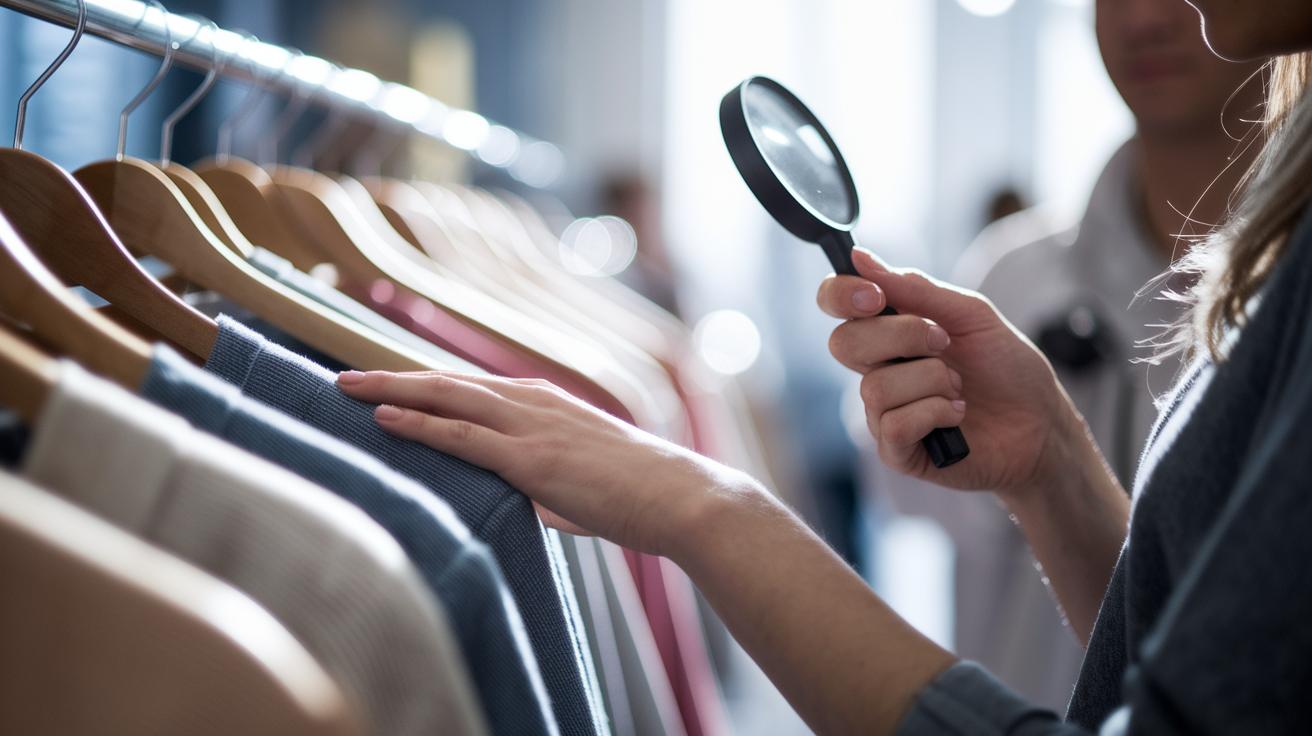
When you check clothes in a store, run your eyes and fingers over them to find any missed or uneven stitches. Look closely and feel along the seams for any loose threads or spots with less dense stitching. If needed, grab a magnifier (a small tool that makes details easier to see) or a tension gauge (a tool used to measure evenness). A quick, careful check can discover issues that might cause problems later.
Follow these simple steps:
- Run your fingers along seams and at stress points like the pockets or underarms.
- Compare how the fabric hangs or feels with a well-made piece that you trust.
- Look at areas where the garment bends or twists; these spots may show signs of loose stitching.
Checking clothes this way helps you spot small issues early on. For example, if a seam feels softer or less even than you expect, it might not hold up well over time. One tester mentioned, "I noticed a slight inconsistency in the stitching that could lead to premature wear." Always compare your findings with a trusted standard to judge how well the garment might last. This hands-on approach often catches flaws that machines can miss.
Final Words
In the action, we broke down the essentials of garment durability. We dug into fabric tests, seam strength checks, and real-world wear simulations that spot early flaws. Each section showed you how simple methods reveal quality, from fiber choice to finishing details. These hands-on tips help lower return risks and boost confidence when shopping. Keep using these tips for assessing garment construction for durability and make smart choices every time.
FAQ
How can I access PDF or PPT guides on assessing garment construction durability?
The question about accessing PDF or PPT guides indicates you can find detailed documents that cover factors like fiber choice, stitch density, and seam reinforcement. Look for industry or academic resources for these guides.
How is the durability of a material measured?
The question regarding material durability measurement means using methods such as textile tensile tests (measuring strength in newtons) and GSM evaluations. These tests help determine how a fabric performs under stress.
What involves a fabric durability test?
The fabric durability test involves subjecting material to abrasion and tensile tests to assess strength and endurance. These tests measure factors like resistance to wear and stitch stability.
How is physical garment durability measured in assessments like those for 47 t-shirts?
The question about garment durability assessment refers to methods that include wear simulation, identifying weak stress points, and comparing failure rates across multiple t-shirt samples to provide reliable performance data.
What is fabric durability rating?
The fabric durability rating quantifies a fabric’s ability to resist wear and tear based on factors like fiber type, weave, and finishing. This rating helps compare how various materials will hold up over time.
What durability measurement unit is typically used?
The question on durability measurement units refers to standards such as newtons for tensile strength or specific stages in abrasion tests. These units offer a clear metric to assess and compare material robustness.
What are some design for longevity examples?
The question about design for longevity examples refers to garments built using robust seams, high stitch-per-inch patterns, and quality finishes. These features ensure the garment maintains its appearance and performance with use.