

Ever wondered if your clothes could be kinder to the planet? This guide explains how to pick brands that care about the earth and treat their workers fairly. Fast fashion uses too many resources and creates waste that hurts our world. Choosing wisely means investing in clothes that last and that are made with care. If you want a wardrobe that looks good and feels right, keep reading for real tips on ethical shopping.
Key Factors in Evaluating Ethical Clothing Brands
Fast fashion hurts our environment and the workers behind our clothes. Most garments are worn about 7 times before they end up in the trash, wasting resources and energy. Regular apparel is responsible for around 10% of global CO2 emissions, and non-eco materials release 500,000 tons of tiny fibers into nature each year. These facts show why it pays to choose ethical clothing that lasts and is made with care.
Switching to ethical apparel means backing brands that make items meant for over 50 wears. These companies focus on durability and use clear, honest production methods. By picking sustainable choices, you lower your own environmental impact while standing up for fair labor and safer factory conditions.
Key points to check include:
- How often the item can be worn
- If the brand shares honest details about its production
- What materials are used in the garment
- The treatment of workers in the supply chain
- Recognized eco-certifications
- Initiatives to reduce production waste
When shopping, start by asking if the piece is built to last. Look for transparent labels that explain where and how it was made. Check to see if the fabric is eco-friendly, for example, organic cotton or recycled fibers. Investigate labor practices through trusted third-party reviews and confirm that the garment holds credible ethical marks. Lastly, see if the brand has programs to limit production waste.
Using these points, you can tell if a garment meets both environmental and social standards. When an item shows its durability, material source, and ethical certifications, it is more likely to hold up to everyday wear. A careful look at production practices helps you invest in pieces that truly support a responsible lifestyle. This checklist makes smart, ethical choices easy to follow.
Decoding Certifications and Labels for Ethical Fashion Brands
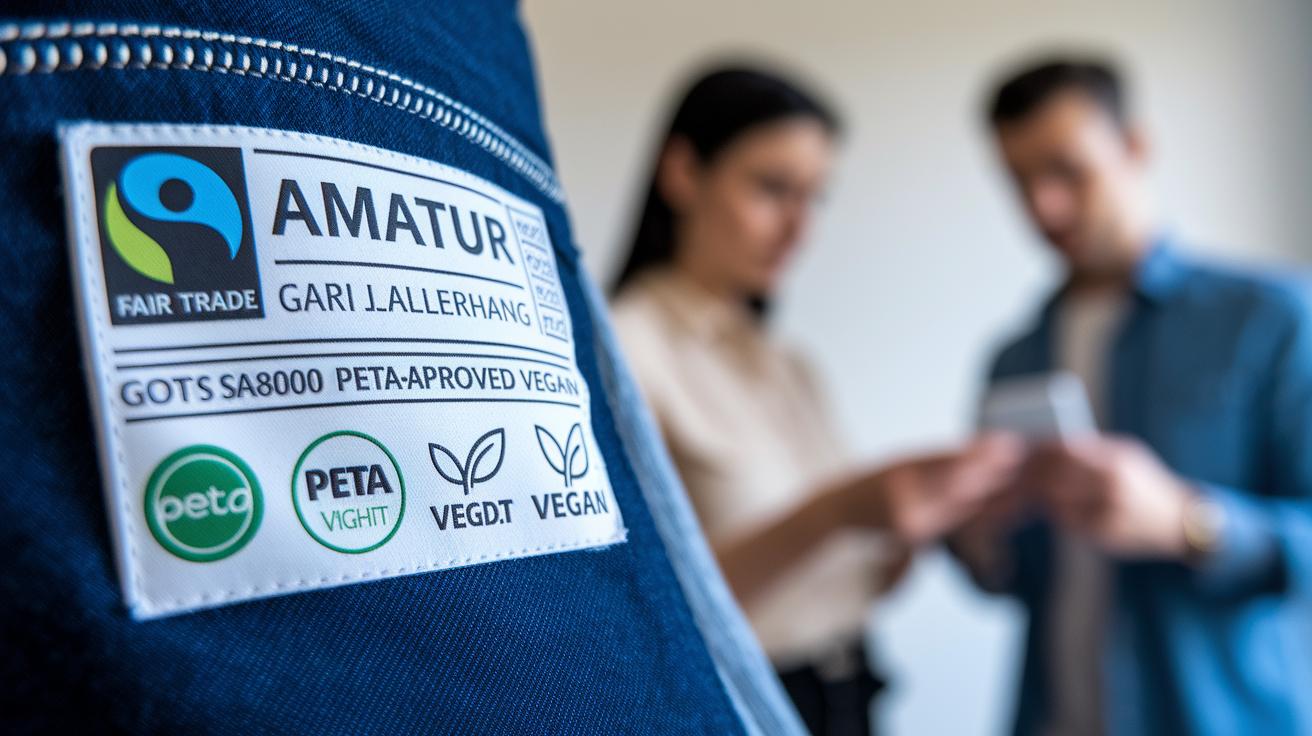
Clothing labels let you know quickly if an item is made with care for people and the planet. They show if a garment meets fair work standards, uses eco-friendly materials, or is crafted in safe conditions.
For example, Fair Trade Certified means that workers earn fair wages and work in safe places. GOTS (Global Organic Textile Standard) guarantees that the fabric is truly organic by making sure no harmful chemicals are used and that farming methods respect nature. SA8000 checks that factories follow fair labor rules, from proper working hours to safe treatment of workers. And when you see PETA-Approved Vegan, it tells you the product has no animal materials, which is great for those who care about animals and the environment.
Each certification comes with strict, independent checks. Third-party guides help break down what each symbol means, explaining how fair pay, quality organic inputs, and ethical factory practices are verified. This makes it easier for you to use these labels as a simple checklist when choosing clothes that match your values.
Avoiding Greenwashing in Ethical Clothing Purchases
Greenwashing happens when a brand claims its products are eco-friendly but offers little proof. They might toss around words like "green" or "sustainable" without any real details to show what that means.
Be alert for warning signs. If a brand barely explains where its materials come from or how it treats its workers, that's a red flag. If you see labels that just say "eco-friendly" with no certifications or clear production info, the claim might be empty. Look for details like recycling programs or take-back plans that add weight to their green promises.
When you shop, ask for the facts. Ask questions like, "How do you cut waste?" or "What steps do you take to reduce carbon emissions?" Request supporting documents like audits or annual sustainability reports. By demanding clear proof, you steer clear of misleading greenwashing and make sure your money supports real, honest eco-friendly practices.
Researching Brand Transparency and Labor Practices

When you want to check a brand's ethics, start by visiting trusted sites like Good On You and Rank a Brand. These tools show if a company offers fair pay, safe work spots, and equality for all genders. They use simple facts from yearly reports, independent audits, and real worker stories to help you see past the price tag and slick ads.
Next, look at the brand's own sustainability reports and audit summaries. Check out details on employee treatment, work hours, and factory conditions to see if they really support living wages. Real worker testimonials turn numbers into real-life stories, so you know if your purchase backs both cool style and respectful practices.
Also, keep an eye out for clear certification labels, real impact numbers, and good customer service that answers questions about how products are made and how workers are treated.
Sustainable Materials to Prioritize in Ethical Clothing Brands
Organic cotton, hemp, linen, and recycled fibers are top choices for building a greener wardrobe. Here’s a simple breakdown:
- Organic cotton grows without harsh pesticides and uses less water.
- Hemp grows fast and needs only a little water.
- Linen feels cool and breathable while remaining tough.
- Recycled fibers are made from old fabrics, giving them new life and cutting down on waste.
These materials help the planet by using fewer chemicals and less energy. Hemp and linen need less heavy processing because of their natural strength and breathability. When you shop, check the labels for real certifications. This way, you can enjoy clothes that are soft to the touch, stylish, and kind to the earth.
Effective Shopping Strategies for Ethical Clothing Brands
If you want to shop ethically while saving money, try exploring second-hand platforms. Stores like Vinted or The Next Closet offer pre-loved pieces that are stylish and built to last. Buying used clothes not only saves you cash but also keeps garments in use longer, which helps cut waste.
When browsing these sites, look for quality items that have already proven their durability. Many platforms carefully choose pieces that can be enjoyed far beyond a simple seven wears. Imagine finding a gently used jacket that you can wear over 50 times; it feels like a hidden treasure at your local thrift shop. Some brands even offer take-back and repair programs, meaning you can send in worn items for repair or recycling. This way, your favorite pieces stay in circulation for a long time.
It also pays to plan your budget when shopping ethically. Set aside funds for high-quality staples that promise long wear. Watch for promotions at eco-friendly stores and compare deals between regular outlets and resale spots. By combining thoughtful spending with a bit of research into ethical practices, you invest in clothes that feel good for both your wallet and the world.
Top Ethical Clothing Brands to Compare in Your Buying Guide
When you shop for ethical clothes, it helps to know your top choices. Brands like Athleta, Arc’teryx, Pact, Eileen Fisher, and Cotopaxi each offer their own unique take on fairness and quality. They focus on different needs, from activewear and simple basics to women’s styles and fair-trade backpacks. This means you can pick the label that fits your lifestyle while knowing you're supporting fair wages and safe working conditions.
| Brand | Focus Category | Price Range | Key Certification |
|---|---|---|---|
| Athleta | B Corp activewear | $$ | B Corp |
| Arc’teryx | Performance gear | $$$ | Supplier Audits |
| Pact | GOTS-certified basics | $$ | GOTS |
| Eileen Fisher | Women’s wear | $$$ | Take-back Program |
| Cotopaxi | Fair-trade apparel | $$ | Fair Trade |
When you look at a brand, pay attention to what they focus on. Whether you need activewear, simple basics for everyday wear, or gear that offers recycling and repair programs, the focus category gives you a good hint. Think about the price too, and check if it matches your budget. The key certification is a simple signal that the brand stands for fair pay and safe work conditions. Use this guide to help you choose clothes that not only feel good but also do good.
Final Words
In the action, we walked through the steps to find ethical clothing that fits real needs and value. We touched on key evaluation factors, trusted certifications, and ways to sidestep misleading claims. We also broke down the importance of researching brand transparency and sustainable materials. This practical buying guide for ethical clothing brands is designed to help you shop smarter and secure pieces that last. Enjoy making choices that blend fit, durability, and fairness.
FAQ
What is a free buying guide for ethical clothing brands?
The free buying guide for ethical clothing brands explains key evaluation points such as material quality, labor standards, and trustworthy certifications so you can shop with confidence and avoid negative environmental or social impacts.
How do I find affordable and ethically made clothing brands?
The guide highlights affordable ethical clothing by detailing options that offer fair wages, use eco-friendly materials, and practice genuine transparency, making it easier to shop responsibly without breaking the bank.
What are the top sustainable fashion brands and trends?
The top sustainable fashion brands include names like Athleta and Pact, which lead in verified eco-friendly practices, fair labor standards, and modern styles, providing inspiration for shoppers seeking both trendiness and responsibility.
What defines sustainable and ethically made clothing brands?
The definition of sustainable and ethical clothing brands covers factors like fair wages, eco-friendly fabrics, strict certifications, and waste reduction practices, ensuring items are longer-lasting while having a lower environmental footprint.
What ethical clothing brands are available in Europe?
European ethical clothing brands are known for their transparency, adherence to strict quality standards, and commitment to fair labor practices, offering shoppers well-vetted, socially responsible choices within various price ranges.
Which clothing brands have the least ethical practices?
The description of less ethical brands refers to those that lack transparency, ignore fair labor conditions, and use harmful materials. Research certifications and audited reports to steer clear of brands with poor ethical records.